
Ski Knee Pads · FAQ
Questions about Compression Knee Sleeves
Straight answers on fit, specs, and when this type makes sense — each topic has its own page with links back to the buying guide.
Open Compression Knee Sleeves guide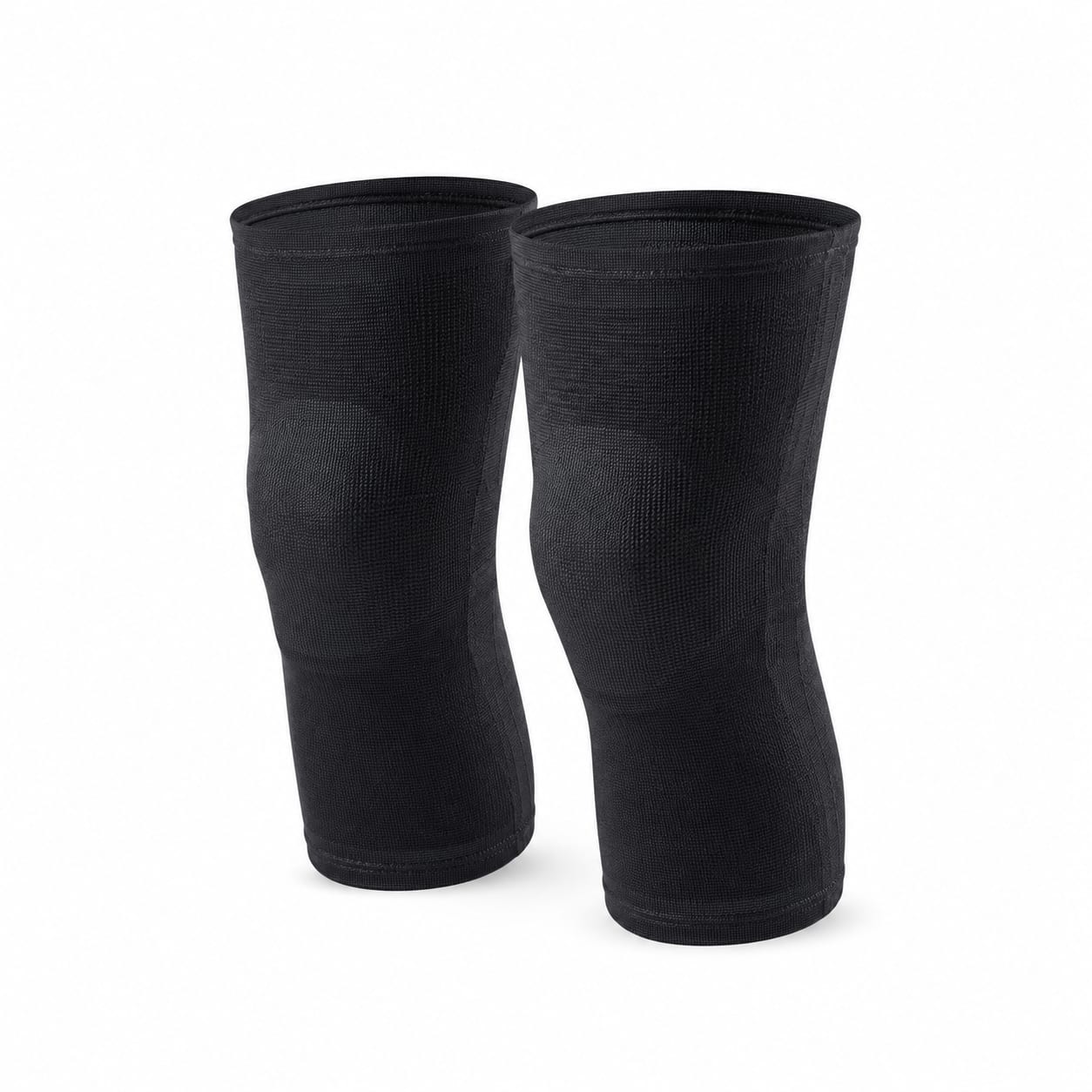
6 topics
Pick a question
Every answer links to the full subcategory guide and related gear types when it helps you decide.
Will compression knee sleeves fit under my ski pants without being visible?
Yes, in most cases. Compression sleeves with 5-10mm padding are designed to be low-profile and fit under standard ski pants without visible bulk. However, very tight-fitting race-style pants may show a slight outline. If you wear slim-fit ski pants, look for sleeves at the thinner end of the range (5-7mm padding) and test the fit before committing.
Read answer →02Do compression sleeves actually provide enough protection for skiing?
For recreational skiing at moderate speeds, compression sleeves provide adequate protection against the most common knee impacts — bruising from minor falls, contact with hard snow, and bumps against ice. They are not sufficient for high-speed crashes, gate strikes, terrain park falls, or any scenario where significant impact energy is involved. If you regularly ski at high speeds or in terrain with hard obstacles, choose a more protective subcategory.
Read answer →03How do I keep my compression sleeves from sliding down?
Proper sizing is the most important factor — a sleeve that's too loose will slide regardless of grip features. Ensure you've measured accurately and consulted the brand's size chart. Silicone grip strips on the interior top hem are essential. Wearing the sleeve directly against skin (rather than over a slippery base layer) also improves grip. If sliding persists, consider a hybrid sleeve-with-strap design for additional security.
Read answer →04Can I wear compression knee sleeves if I have knee problems?
Compression sleeves can provide mild support and warmth that many skiers with minor knee issues find helpful. The compression improves circulation and provides proprioceptive feedback. However, they do not provide structural support for ligament instability or significant knee injuries. If you have a diagnosed knee condition, especially involving ligaments, consult your doctor or physical therapist — you may need a hinged knee brace rather than a compression sleeve.
Read answer →05How long do compression knee sleeves last with regular skiing?
With typical recreational use (20-40 ski days per season), quality compression sleeves generally last 1-2 seasons before the elastic degrades noticeably. Signs it's time to replace include: the sleeve feels looser than when new, it slides down more frequently, the padding has visibly thinned, or the fabric has lost its compression feel. Proper care (hand washing, air drying, avoiding heat) can extend lifespan.
Read answer →06Should I wear the sleeve against my skin or over a base layer?
Both work, but direct skin contact provides the best grip and least chance of sliding. If you prefer a base layer, choose one with a textured or brushed surface rather than a smooth, slippery fabric, as silicone grips hold better on textured surfaces. In very cold conditions, wearing the sleeve over a thin merino base layer can add warmth while still maintaining reasonable grip.
Read answer →