Protection Level
Protection Level
What it means
The overall degree of impact protection the knee pad provides, from basic bruise prevention to certified armor-level protection against high-energy impacts.
Typical for this type
Light
In practice
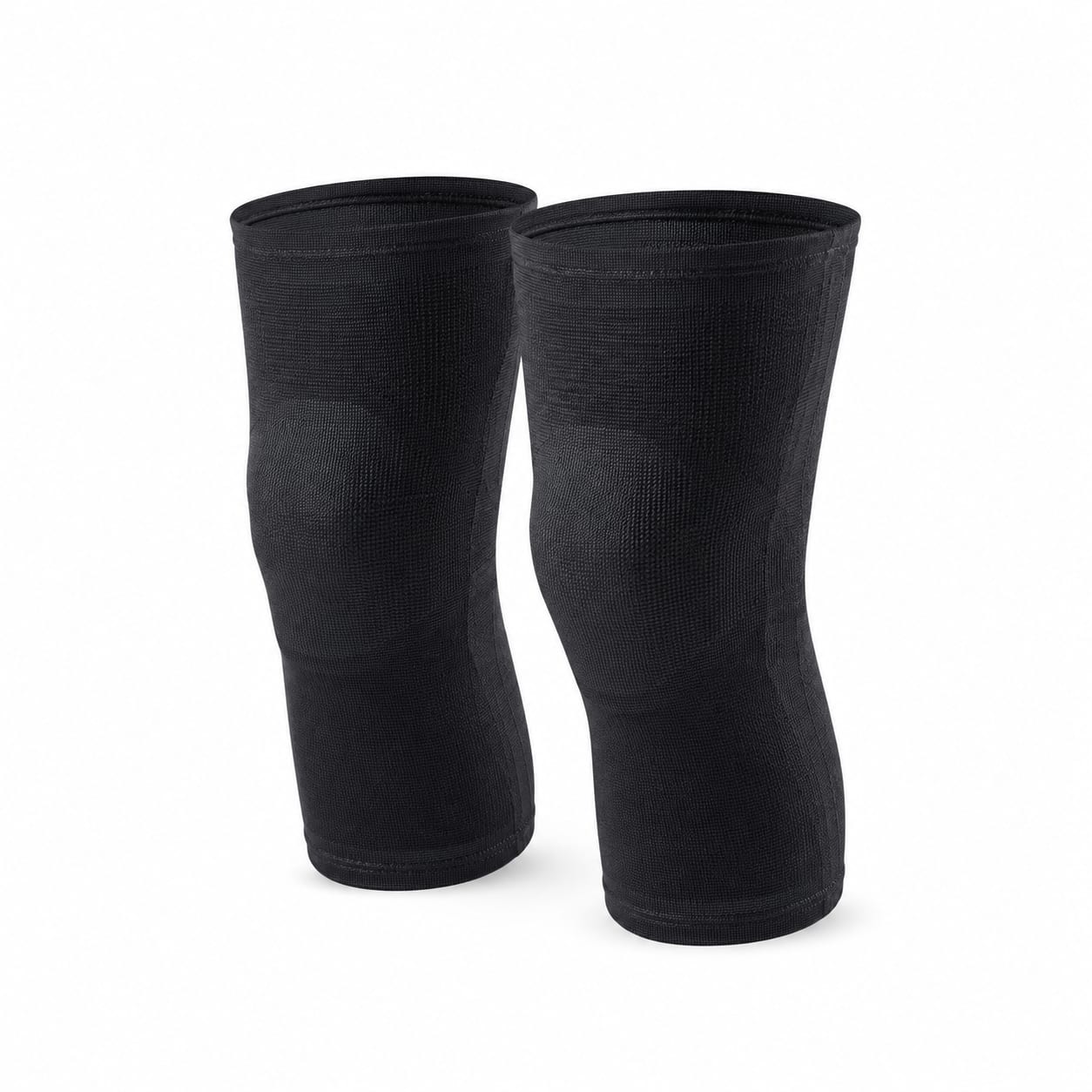
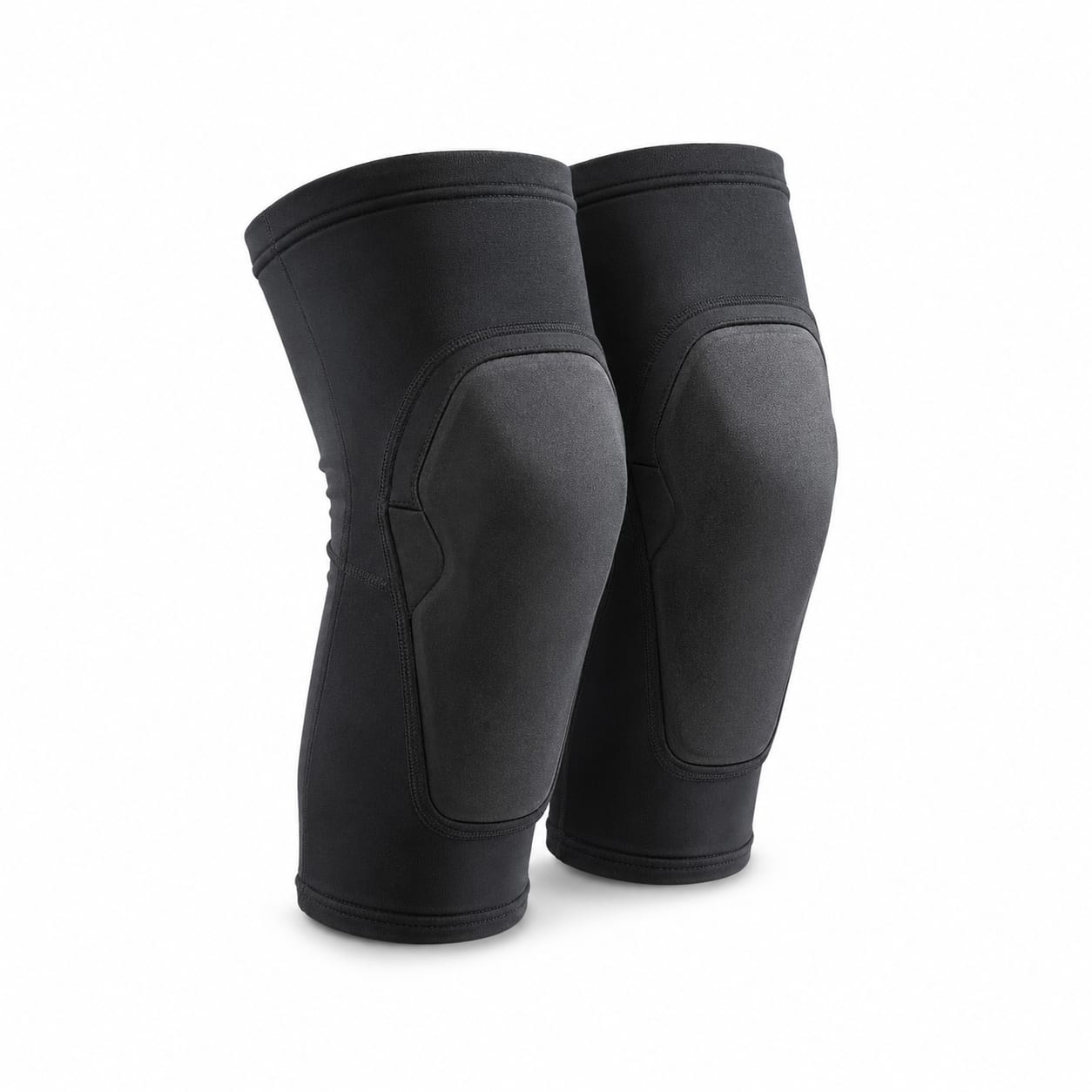
Compression knee sleeves provide light protection with thin foam padding integrated into the sleeve, sufficient for bruise prevention and minor bumps but not rated for significant impacts.
Compared to other types
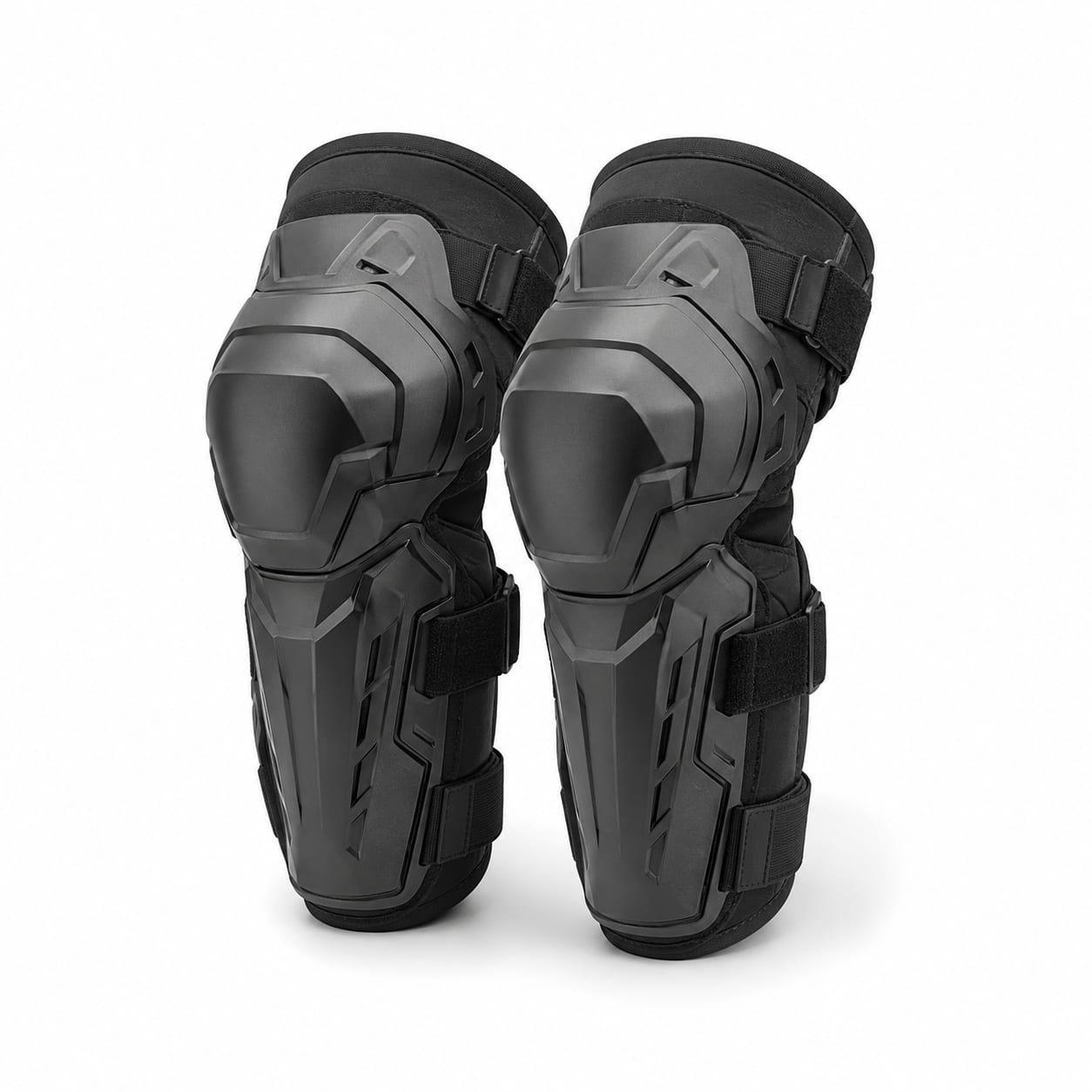
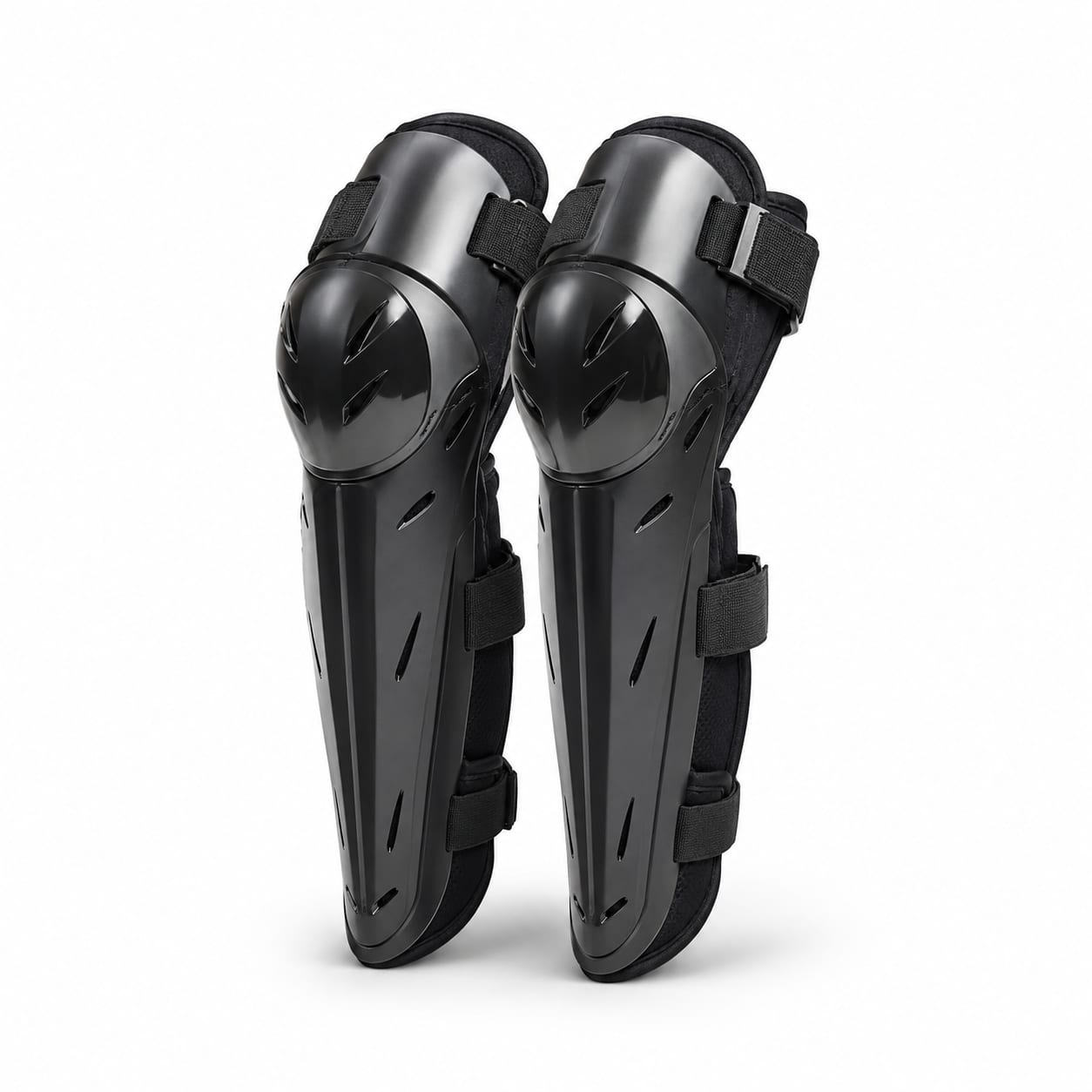
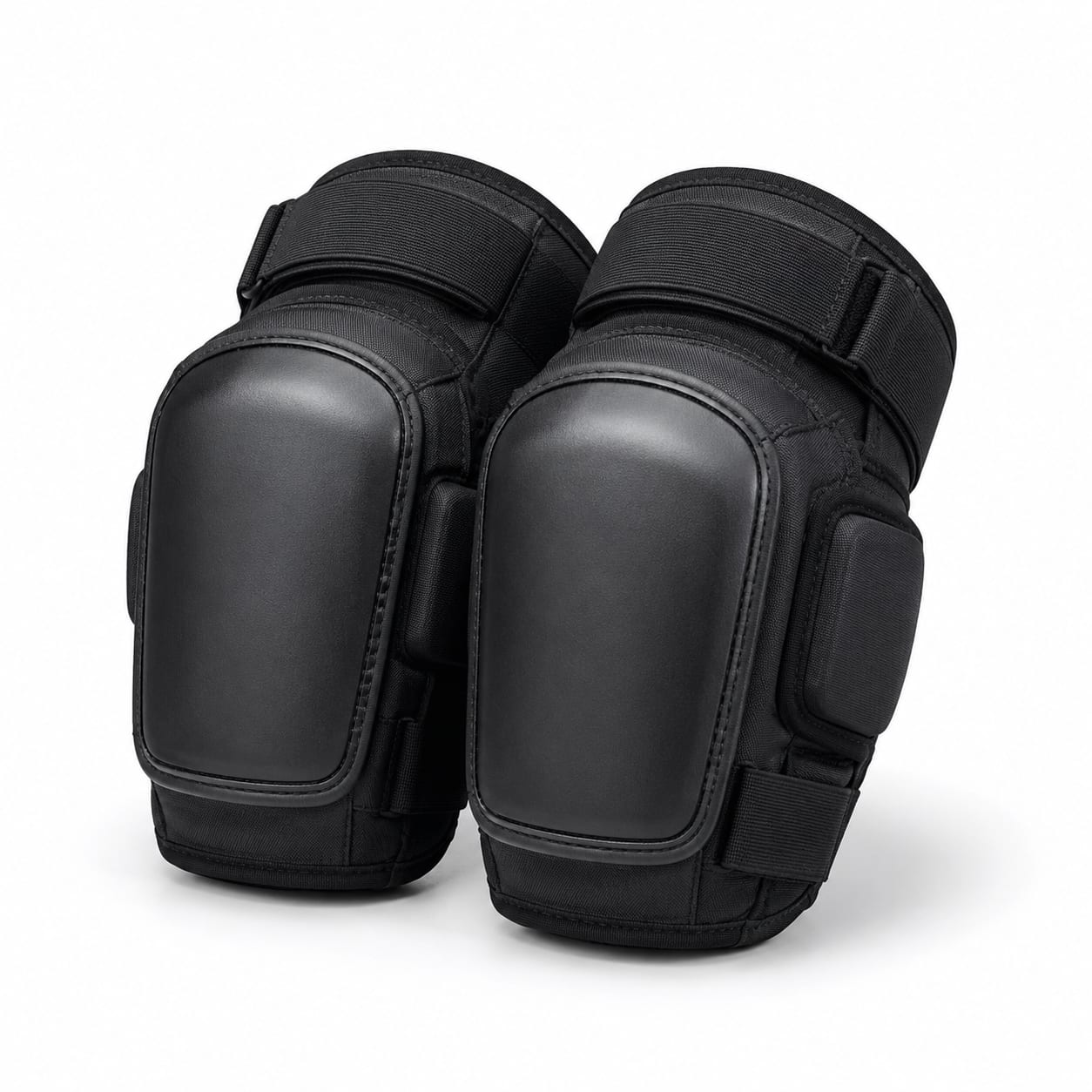
Significantly less protective than hard-shell race pads or hybrid strap-on pads, which offer moderate to professional-level protection with CE certification. Compression sleeves sacrifice impact absorption for comfort and convenience.
Why it matters: Skiers must understand that these sleeves are comfort-oriented protectors, not armor. They prevent bruises and reduce minor impact discomfort but will not adequately protect against high-speed or high-energy falls.
Padding Material
Padding Material
What it means
The primary impact-absorbing material used in the knee pad construction, which determines how energy from impacts is managed.
Typical for this type
Eva Foam Or Multi Density Foam
In practice
Most compression sleeves use thin EVA foam pads for basic cushioning. Premium models may incorporate multi-density foam layers for slightly better progressive absorption while maintaining a low profile.
Compared to other types
Unlike premium strap-on pads that use D3O or Poron XRD smart materials for superior impact absorption, compression sleeves use simpler foams because the sleeve construction cannot accommodate thicker or stiffer protective elements without compromising fit and comfort.
Why it matters: EVA foam keeps the sleeve thin, lightweight, and flexible but compresses over time and is not rate-sensitive. Multi-density foam offers marginally better impact management without adding bulk.
What it means
The external construction type of the knee pad, affecting how it interacts with snow, clothing, and impacts.
Typical for this type
Soft Shell
In practice
Compression knee sleeves are exclusively soft shell construction with no rigid external components. The entire sleeve is flexible fabric with embedded foam padding.
Compared to other types
Hard shell pads offer far superior impact distribution and snow sliding but are bulky and uncomfortable for extended wear. Hybrid shells provide a middle ground but cannot match the comfort and low profile of a pure soft shell sleeve.
Why it matters: The soft shell design is what makes compression sleeves comfortable enough for all-day wear and invisible under ski pants. However, it means no hard surface to distribute impact force or slide on snow.
CE Certification
CE Certification
What it means
European safety certification level under EN 1621-1 standard for limb protectors, indicating verified impact force transmission levels.
Typical for this type
None
In practice
Compression knee sleeves are almost never CE certified under EN 1621-1 because their thin padding cannot meet the force transmission requirements. Protection claims are manufacturer-stated only.
Compared to other types
Many strap-on and hard-shell subcategories offer CE Level 1 or Level 2 certification, providing verified and quantifiable impact protection that compression sleeves simply cannot match.
Why it matters: Without certification, there is no independent verification of protection levels. Skiers must rely on brand reputation and understand the actual limitations of these sleeves in real-world impacts.
What it means
The sizing of the knee pad, typically based on knee circumference and thigh circumference measurements.
Typical for this type
Select Based On Precise Knee Circumference Measurement
Most common pick: Varies By Individual (XS-XXL)
In practice
Compression sleeves rely entirely on proper sizing for both protection and staying in place. Sizes range from XS (30-33 cm knee circumference) to XXL (48-53 cm), but sizing is critical — too loose and the sleeve slides down; too tight and it restricts circulation.
Compared to other types
Strap-based and hybrid pads offer adjustability within size ranges, making them more forgiving of sizing errors. Compression sleeves demand precise measurement and brand-specific chart consultation.
Why it matters: Unlike strapped pads that can adjust fit, compression sleeves have no adjustment mechanism. An improperly sized sleeve will either migrate during activity or cause discomfort, making accurate measurement essential.
What it means
The method used to secure the knee pad to the leg, affecting ease of use, adjustability, and how well the pad stays in position.
Typical for this type
Slip On Sleeve
In practice
The defining feature of this subcategory is the pull-on compression sleeve with no straps or buckles. The sleeve stays in place through elastic compression and typically silicone grip dots on the interior.
Compared to other types
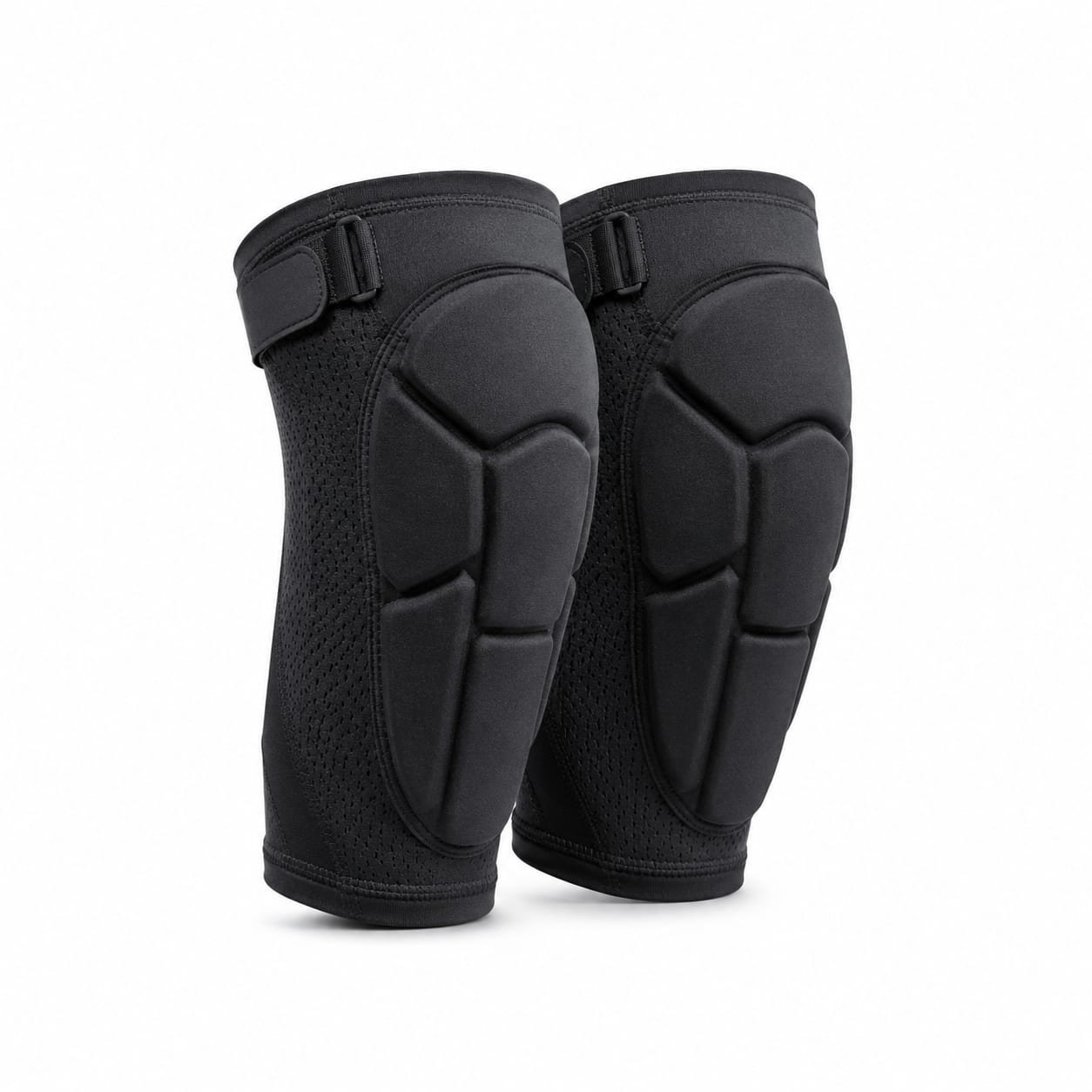
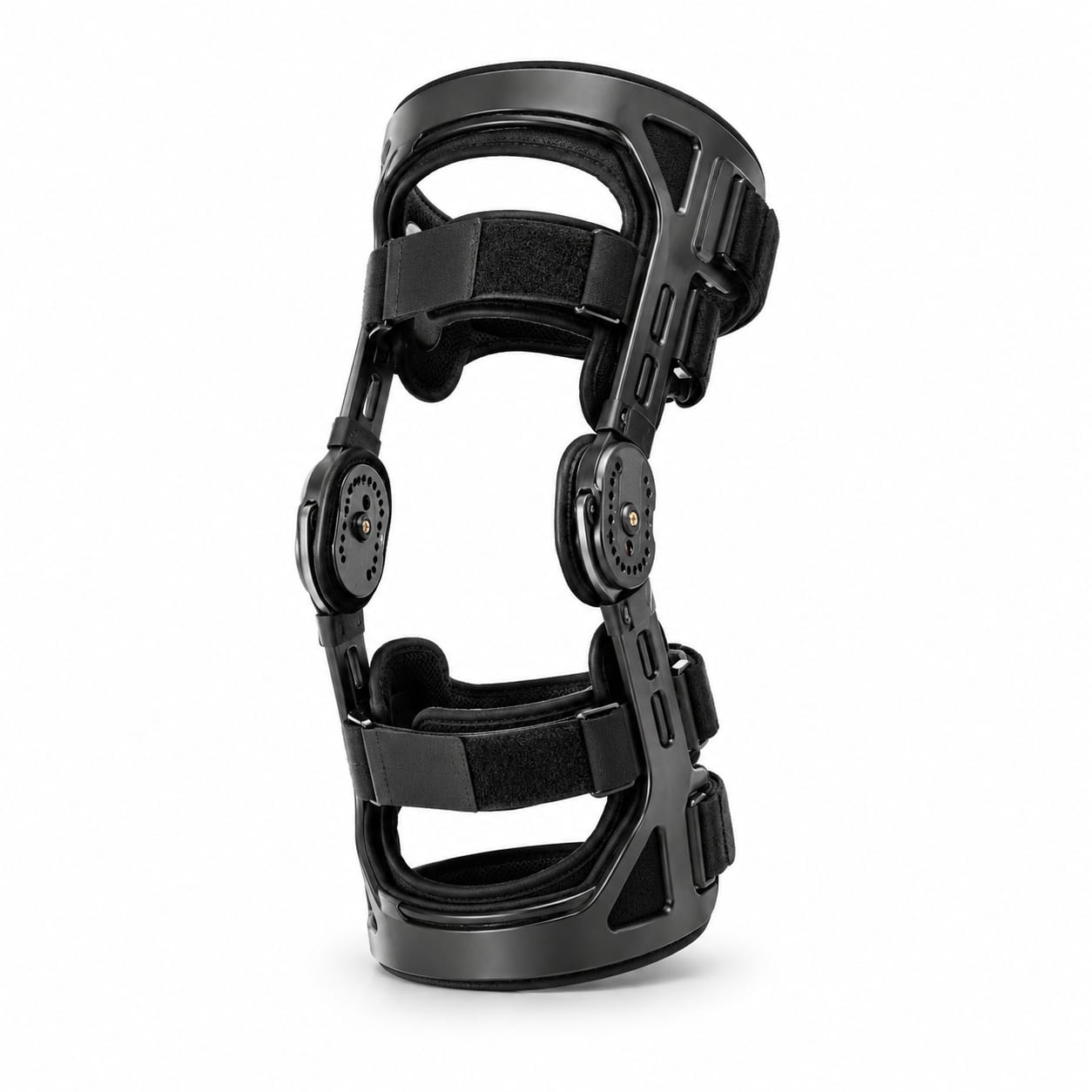
Velcro strap, buckle strap, and hybrid closure systems all provide superior positional security during falls. Compression sleeves trade this security for comfort and convenience — they can be pulled on in seconds and never create strap pressure points.
Why it matters: The slip-on design provides maximum comfort with no pressure points from straps, but it is inherently less secure than strapped systems during aggressive skiing and high-impact falls.
Padding Thickness
Padding Thickness
What it means
The maximum thickness of the protective padding at the knee center, affecting both protection level and bulk under clothing.
Typical for this type
5-10 mm
Most common pick: 7 mm
In practice
Compression sleeves typically feature 5-10mm of foam padding at the kneecap center, keeping the profile low enough to fit comfortably under ski pants without visible bulk.
Compared to other types
Strap-on all-mountain pads typically range 10-18mm, and race pads can exceed 20mm. Compression sleeves are the thinnest subcategory, prioritizing fit and comfort over raw impact absorption.
Why it matters: Thinner padding fits better under clothing and maintains unrestricted mobility, but provides limited impact absorption. This thickness range is the practical minimum for meaningful bruise prevention.
Coverage Area
Coverage Area
What it means
The extent of the knee and surrounding area that the pad protects, from minimal kneecap-only coverage to extended protection including shin and thigh.
Typical for this type
Knee Only Or Knee And Upper Shin
In practice
Most compression sleeves cover the kneecap and immediate surrounding area. Some models extend padding slightly down the upper shin, but full shin or thigh coverage is rare in this subcategory.
Compared to other types
Race and big mountain pads often feature extended coverage including shin and thigh. Compression sleeves keep coverage minimal to maintain the low-profile, comfortable fit that defines the subcategory.
Why it matters: Limited coverage means the most vulnerable area (kneecap) is protected, but common impact zones on the shin and thigh are exposed. For most recreational skiers, knee-only coverage is adequate.
Weight (Per Pair)
Weight (Per Pair)
What it means
The total weight of both knee pads together, affecting fatigue during all-day skiing and the feel of the pads on the legs.
Typical for this type
150-280 g
Most common pick: 200 g
In practice
Compression knee sleeves are the lightest subcategory, typically weighing 150-280g per pair. The minimal padding and lack of rigid components keep weight barely noticeable on the legs.
Compared to other types
Strap-on all-mountain pads typically weigh 300-500g per pair, and race pads can exceed 600g. Compression sleeves are roughly half the weight of most alternatives, making them the best choice for weight-conscious skiers.
Why it matters: Lightweight construction means zero fatigue contribution over long ski days, which is a key advantage for all-day wear. Heavier pads can cause noticeable leg fatigue by afternoon.
Breathability
Breathability
What it means
How well the knee pad allows moisture and heat to escape, preventing sweat buildup and maintaining comfort during active skiing.
Typical for this type
Medium Or High
In practice
Most compression sleeves offer medium breathability through moisture-wicking fabrics and some mesh zones. The tight fit limits airflow, but quality materials manage sweat reasonably well.
Compared to other types
Compression sleeves generally breathe better than thick strapped pads with multiple layers, but the tight fabric-to-skin contact can trap more moisture than over-pants designs with air gaps.
Why it matters: Since compression sleeves are worn directly against the skin under ski pants, breathability matters more than for over-pants pads. Poor breathability leads to sweat accumulation, cold knees on chairlifts, and discomfort.
Mobility Rating
Mobility Rating
What it means
How freely the knee can bend and move while wearing the pad, critical for skiing technique and comfort.
Typical for this type
Unrestricted
In practice
Properly fitted compression sleeves provide unrestricted knee mobility with no perceptible resistance to bending. The thin, flexible construction moves naturally with the leg.
Compared to other types
Compression sleeves offer the best mobility of any knee pad subcategory. Even hybrid pads with straps typically cause slight restriction, and hard-shell race pads can significantly limit deep flexion.
Why it matters: Unrestricted mobility means no adaptation to skiing technique is required, making these sleeves ideal for skiers who find bulkier pads interfere with their natural movement patterns.
Layering Compatibility
Layering Compatibility
What it means
Whether the knee pad is designed to be worn under ski pants, over them, or can work either way.
Typical for this type
Under Layer Only
In practice
Compression sleeves are designed to be worn directly against the skin or over a thin base layer, under ski pants. Their low-profile construction and lack of straps make them ideal for this configuration.
Compared to other types
Many strap-on pads are designed for over-layer wear for easy on/off, and some hybrids work both ways. Compression sleeves are purpose-built for under-layer use, which is their most popular and effective configuration.
Why it matters: Under-layer wear keeps the sleeve hidden, secure against the body, and protected from snow exposure. It also means the sleeve stays warmer and is less likely to shift than if worn over pants.
Articulation Design
Articulation Design
What it means
Whether the knee pad features pre-curved or hinged construction that mimics the natural bend of the knee.
Typical for this type
Pre Curved
In practice
Quality compression sleeves feature pre-curved construction that matches the natural slightly-bent position of the knee while skiing. This reduces bunching behind the knee and improves comfort during flexion.
Compared to other types
Budget pads may use flat unarticulated construction, while high-end race pads use hinged articulation. Pre-curved is the standard for compression sleeves and provides the best balance of comfort and manufacturing simplicity for this subcategory.
Why it matters: Pre-curved design prevents the fabric from bunching uncomfortably behind the knee when skiing, which is a common complaint with flat, unarticulated sleeves that can chafe during deep knee bends.
Antimicrobial Treatment
Antimicrobial Treatment
What it means
Whether the knee pad interior has antimicrobial treatment to prevent odor-causing bacteria growth from sweat during skiing.
Typical for this type
True (Preferred)
In practice
Most quality compression sleeves include antimicrobial treatment on the interior fabric since they are worn directly against the skin for full ski days, creating a warm, moist environment conducive to bacterial growth.
Compared to other types
Compression sleeves benefit more from antimicrobial treatment than over-pants pads because they have direct, prolonged skin contact. This feature is more common and more important in this subcategory.
Why it matters: Antimicrobial treatment significantly reduces odor buildup during multi-day ski trips when washing isn't practical. It also extends the hygienic lifespan of the sleeve and prevents skin irritation from bacterial growth.
Water Resistance
Water Resistance
What it means
How well the knee pad repels water from snow, preventing the padding from absorbing moisture and becoming heavy and cold.
Typical for this type
Water Resistant
In practice
Most compression sleeves feature water-resistant outer fabric with DWR coating to shed snow melt. Since they're worn under ski pants, direct water exposure is limited, but sweat and snow that enters pants can wet the sleeve.
Compared to other types
Compression sleeves are somewhat protected from snow by being worn under pants, so waterproof membranes are unnecessary. Over-pants pads face more direct moisture exposure and may benefit from waterproof construction.
Why it matters: Water-resistant treatment prevents the sleeve from absorbing moisture and becoming cold and heavy against the skin. Wet compression fabric against the knee is particularly uncomfortable on chairlift rides.
Grip / Anti-Slip System
Grip / Anti-Slip System
What it means
Features that prevent the knee pad from sliding down the leg or rotating out of position during active skiing and falls.
Typical for this type
Silicone Grips
In practice
Quality compression sleeves feature silicone grip strips or dots at the top and sometimes bottom interior edges to prevent the sleeve from sliding down the leg during activity.
Compared to other types
Strap-based pads rely primarily on mechanical strap tension for positioning, making grip systems less critical. For compression sleeves, the silicone grip system is essential and should be a non-negotiable feature for any skiing beyond casual groomers.
Why it matters: Since compression sleeves have no straps, the grip system is the primary defense against downward migration. Without effective silicone grips, sleeves will gradually slide down during active skiing, especially on smooth base layers.