
For recreational skiing at moderate speeds, compression sleeves provide adequate protection against the most common knee impacts — bruising from minor falls, contact with hard snow, and bumps against ice. They are not sufficient for high-speed crashes, gate strikes, terrain park falls, or any scenario where significant impact energy is involved. If you regularly ski at high speeds or in terrain with hard obstacles, choose a more protective subcategory.
Ski Knee Pads · Compression Knee Sleeves
Do compression sleeves actually provide enough protection for skiing?
Related gear types
If this answer nudged you toward a different style, these guides compare specs and trade-offs.
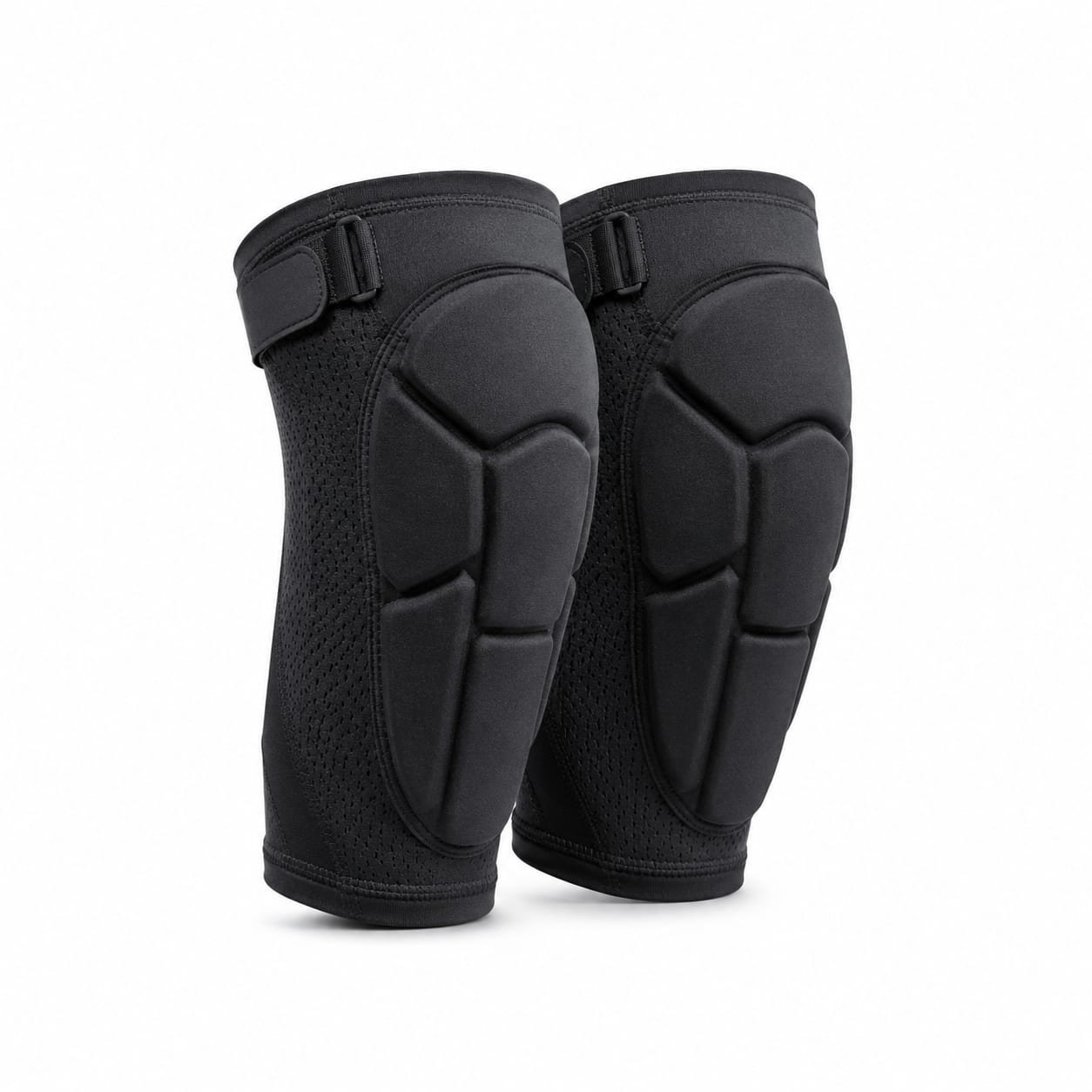
Soft Shell Impact Knee Pads
$30 – $100
Flexible knee pads using smart foam materials for comfortable impact protection.
smart foam padding (D3O, Poron XRD, SAS-TEC)flexible and low-profile designslip-on or strap closure
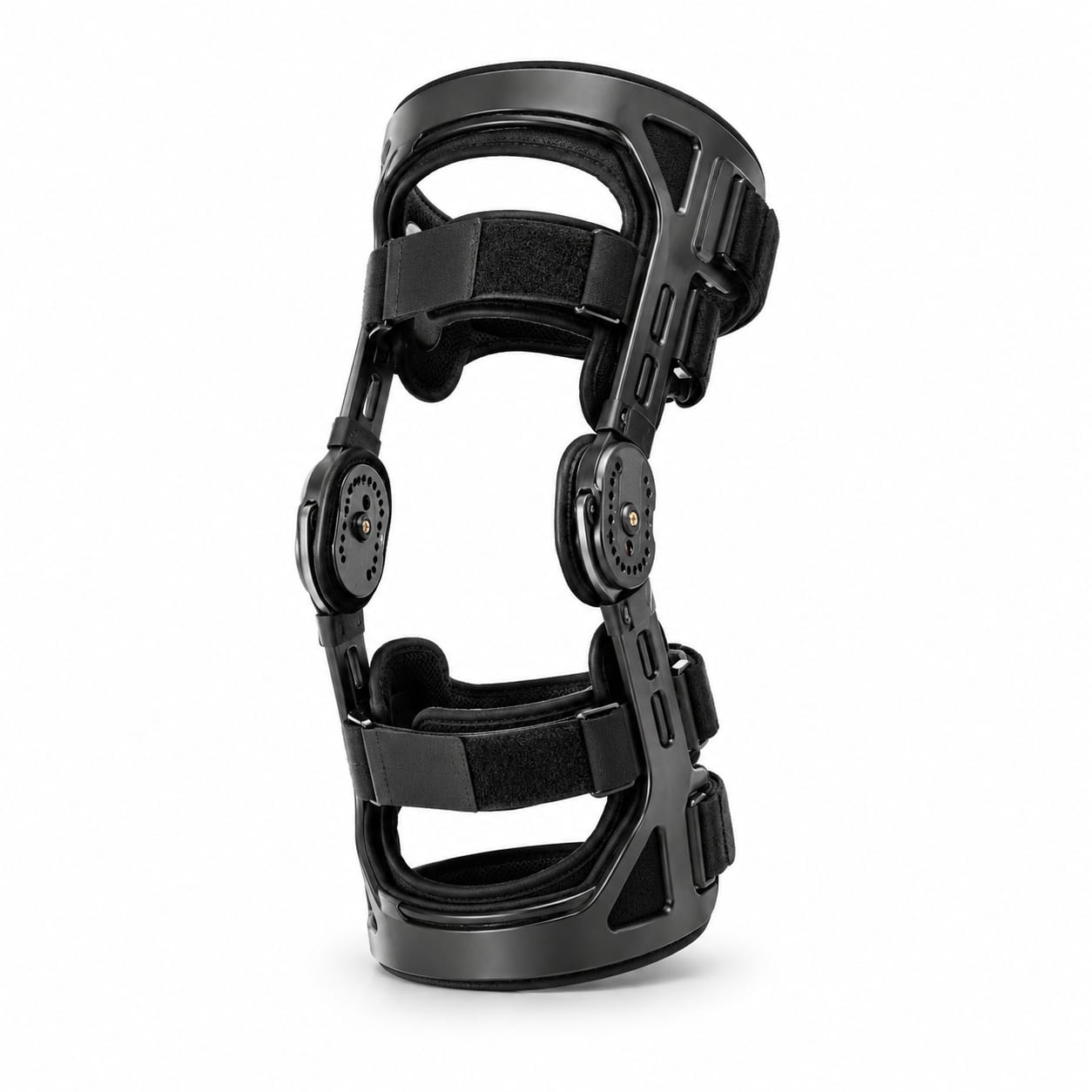
Hinged Knee Braces
$80 – $1500
Structural knee braces with hinge mechanisms for ligament support and post-injury stabilization.
hinge mechanism on one or both sidesrigid or semi-rigid frameadjustable range of motion stops
More questions
- Will compression knee sleeves fit under my ski pants without being visible?
- How do I keep my compression sleeves from sliding down?
- Can I wear compression knee sleeves if I have knee problems?
- How long do compression knee sleeves last with regular skiing?