
Ski Knee Pads · FAQ
Questions about Hard Shell Impact Knee Pads
Straight answers on fit, specs, and when this type makes sense — each topic has its own page with links back to the buying guide.
Open Hard Shell Impact Knee Pads guide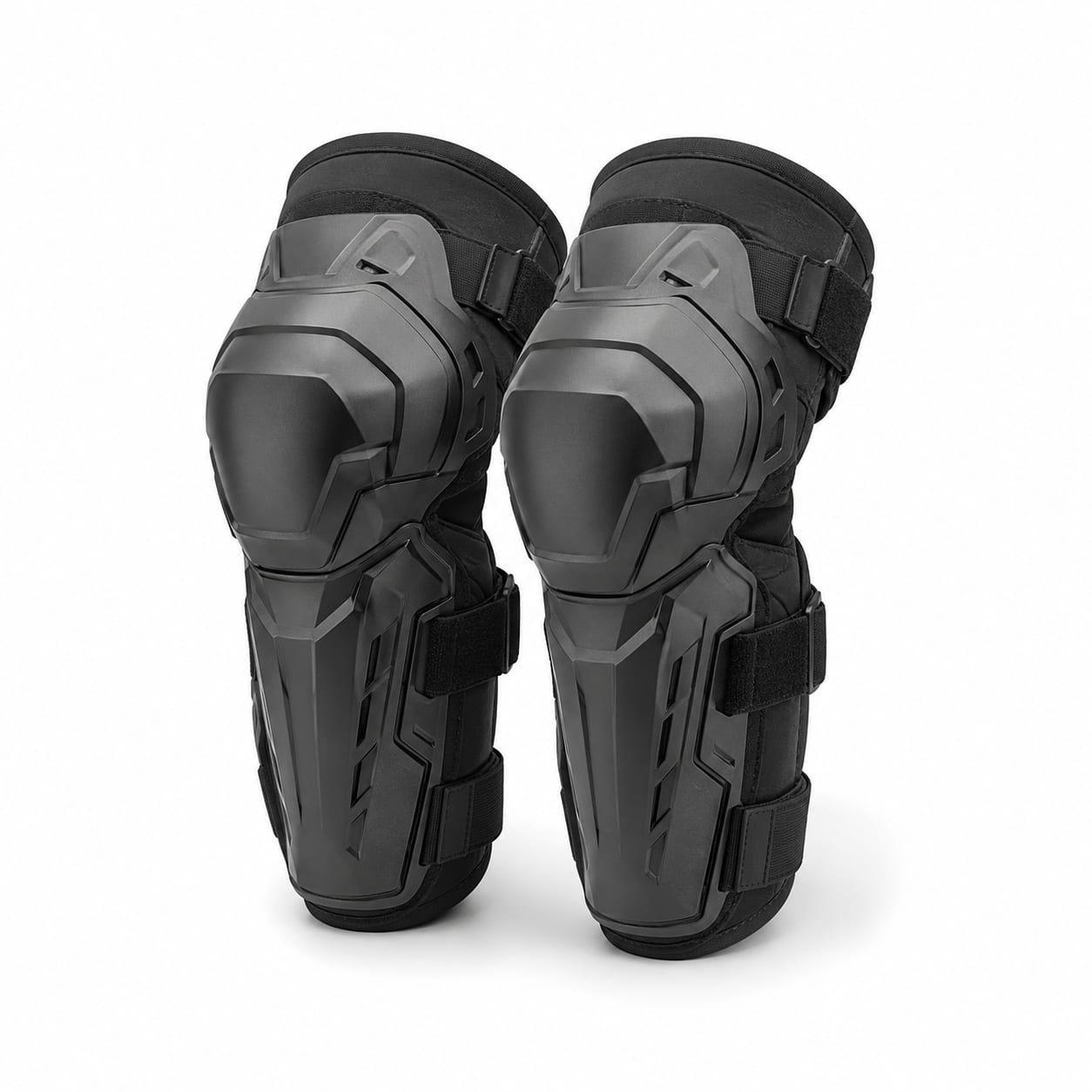
6 topics
Pick a question
Every answer links to the full subcategory guide and related gear types when it helps you decide.
Do I really need hard shell knee pads for recreational skiing?
Most recreational skiers do not need hard shell knee pads. If you primarily cruise groomers, ski moderate terrain, and don't race or train in gates, soft shell or hybrid pads provide sufficient protection with much better comfort and mobility. Hard shell pads are designed for high-energy impacts that recreational skiers rarely experience. The mobility restriction and discomfort are not worth the trade-off unless your skiing involves genuine high-impact risk.
Read answer →02What CE certification level do I need for race training?
EN 1621-1 Level 1 is the minimum acceptable for most race training programs and club requirements. Level 2 is preferred and may be required for FIS-sanctioned events. Level 2 transmits no more than 20 kN of force versus Level 1's 35 kN threshold—a significant difference in protection. Check with your specific race organization, as requirements vary. If you're training in gates at any serious level, invest in at least Level 1 certified pads.
Read answer →03Can I wear hard shell knee pads under my ski pants?
It depends on the specific pad and your ski pants. Most hard shell pads are designed to be worn over pants because their bulk and rigid shape don't fit well under clothing. Some lower-profile models with thinner shells can work under loose-fitting ski pants, but you'll likely need to size up your pants. If under-layer wear is important to you, look for hard shell pads specifically designed for both configurations, or consider hybrid pads that offer better under-layer compatibility.
Read answer →04Why do hard shell pads need to slide on snow? Isn't that dangerous?
Sliding on snow is actually a safety feature, not a danger. In a high-speed crash, a soft shell pad can catch on the snow surface, causing the pad to twist or the leg to torque, potentially creating ligament injuries from rotational forces. A hard shell slides cleanly, allowing the skier to decelerate naturally without sudden rotational forces on the knee joint. This is why hard shell pads are preferred for high-speed disciplines where crash dynamics matter.
Read answer →05How do I know if my hard shell knee pads fit correctly?
Properly fitted hard shell pads should center the shell directly over your kneecap with the leg both straight and bent at 90 degrees. The shell should cover the entire kneecap with a small margin around all edges. Straps should be snug enough that the pad doesn't shift when you walk aggressively or simulate a fall, but not so tight that they restrict circulation or cause discomfort. Test the fit by doing deep knee bends—the shell should stay centered without riding up, rotating, or pressing into the back of your knee. If the shell gaps significantly when your leg is straight or presses hard when bent, the articulation or sizing is wrong.
Read answer →06How long do hard shell knee pads last?
The rigid shell itself is very durable and can last many seasons with proper care. However, the inner padding compresses over time (typically 2-4 seasons of regular use), the straps and buckles can degrade from UV exposure and cold, and the inner liner wears from friction and sweat. Replace pads when the inner padding feels noticeably compressed, when straps lose elasticity, or after any significant impact that may have compromised the shell's structural integrity. Race skiers who take regular gate strikes should inspect shells frequently and may need replacement more often.
Read answer →