
Properly fitted hard shell pads should center the shell directly over your kneecap with the leg both straight and bent at 90 degrees. The shell should cover the entire kneecap with a small margin around all edges. Straps should be snug enough that the pad doesn't shift when you walk aggressively or simulate a fall, but not so tight that they restrict circulation or cause discomfort. Test the fit by doing deep knee bends—the shell should stay centered without riding up, rotating, or pressing into the back of your knee. If the shell gaps significantly when your leg is straight or presses hard when bent, the articulation or sizing is wrong.
Ski Knee Pads · Hard Shell Impact Knee Pads
How do I know if my hard shell knee pads fit correctly?
Related gear types
If this answer nudged you toward a different style, these guides compare specs and trade-offs.
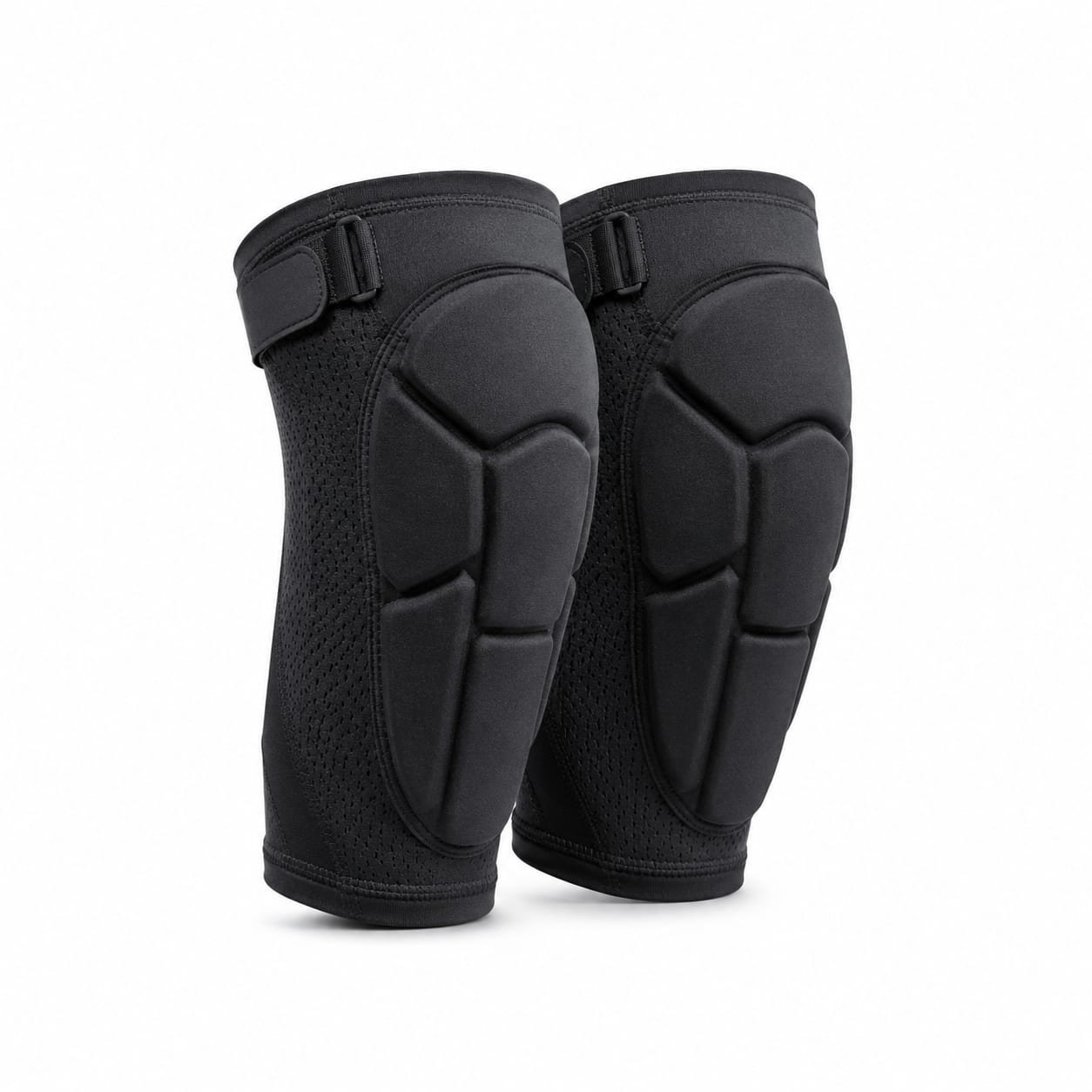
Soft Shell Impact Knee Pads
$30 – $100
Flexible knee pads using smart foam materials for comfortable impact protection.
smart foam padding (D3O, Poron XRD, SAS-TEC)flexible and low-profile designslip-on or strap closure
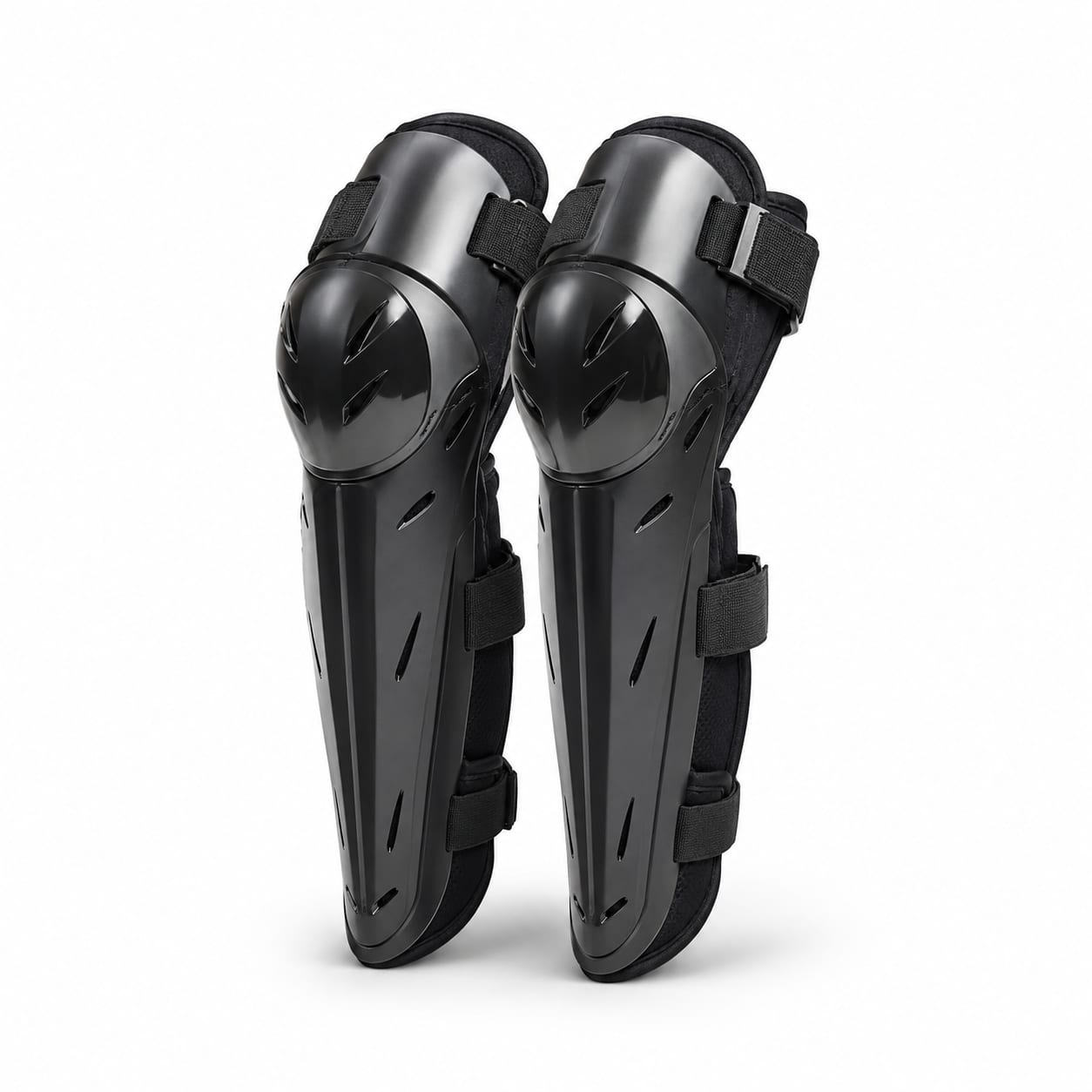
Ski Racing Knee Guards
$60 – $220
FIS-compliant knee and shin guards engineered for alpine ski racing gate impact.
hard plastic shell with aerodynamic shapingextended shin coverageFIS-compliant designs
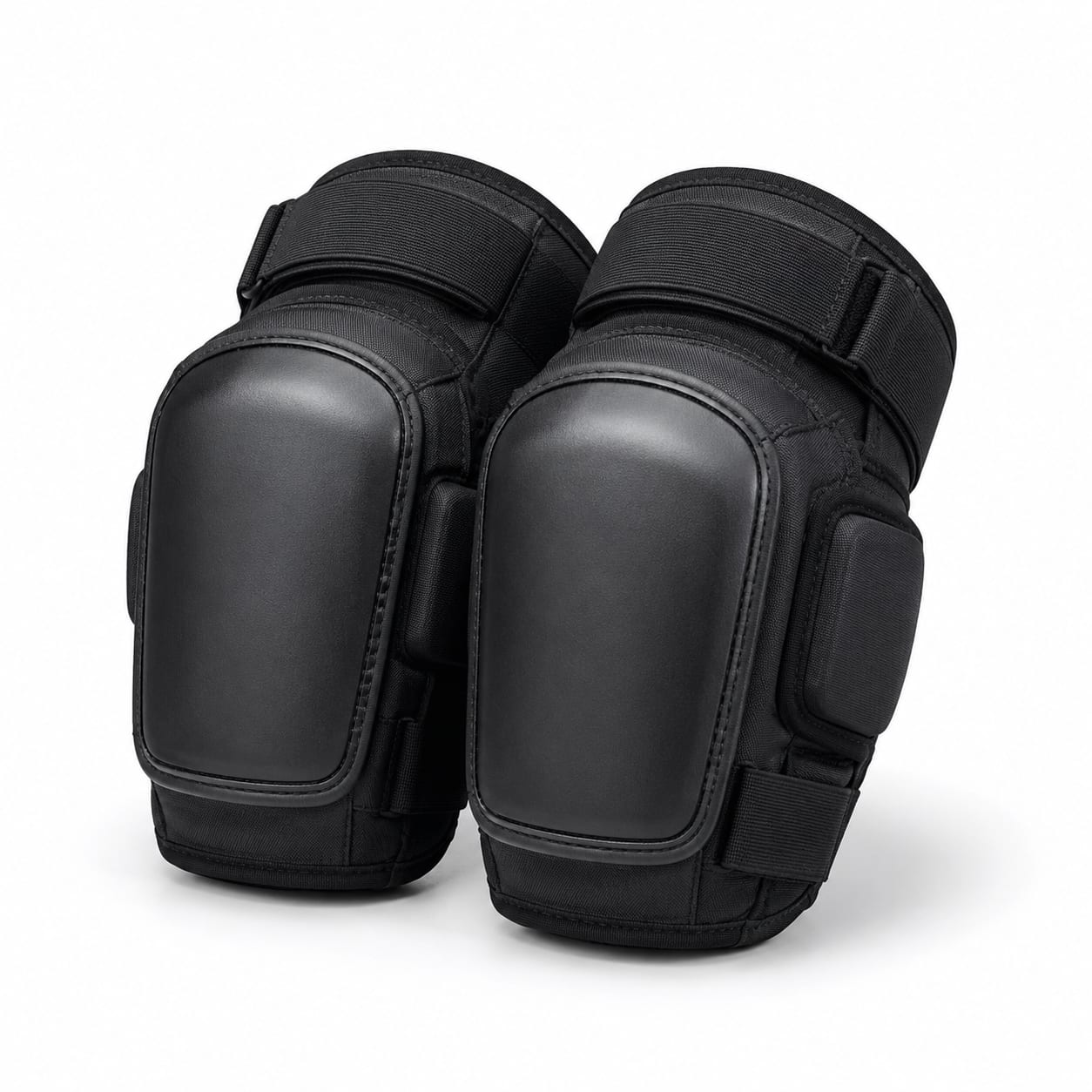
Freestyle/Park Knee Pads
$30 – $90
Knee pads designed for terrain park features, rail slides, and freestyle impact protection.
smooth sliding cap surface for railsreinforced constructionside impact padding
More questions
- Do I really need hard shell knee pads for recreational skiing?
- What CE certification level do I need for race training?
- Can I wear hard shell knee pads under my ski pants?
- Why do hard shell pads need to slide on snow? Isn't that dangerous?