Kitvore.com

Kitvore.com

Specs that matter. Gear that fits.

Ski Knee Pads · Subcategory

Hard Shell Impact Knee Pads

Maximum-protection knee pads with rigid external shells designed for high-speed impacts, gate strikes, and aggressive skiing disciplines.

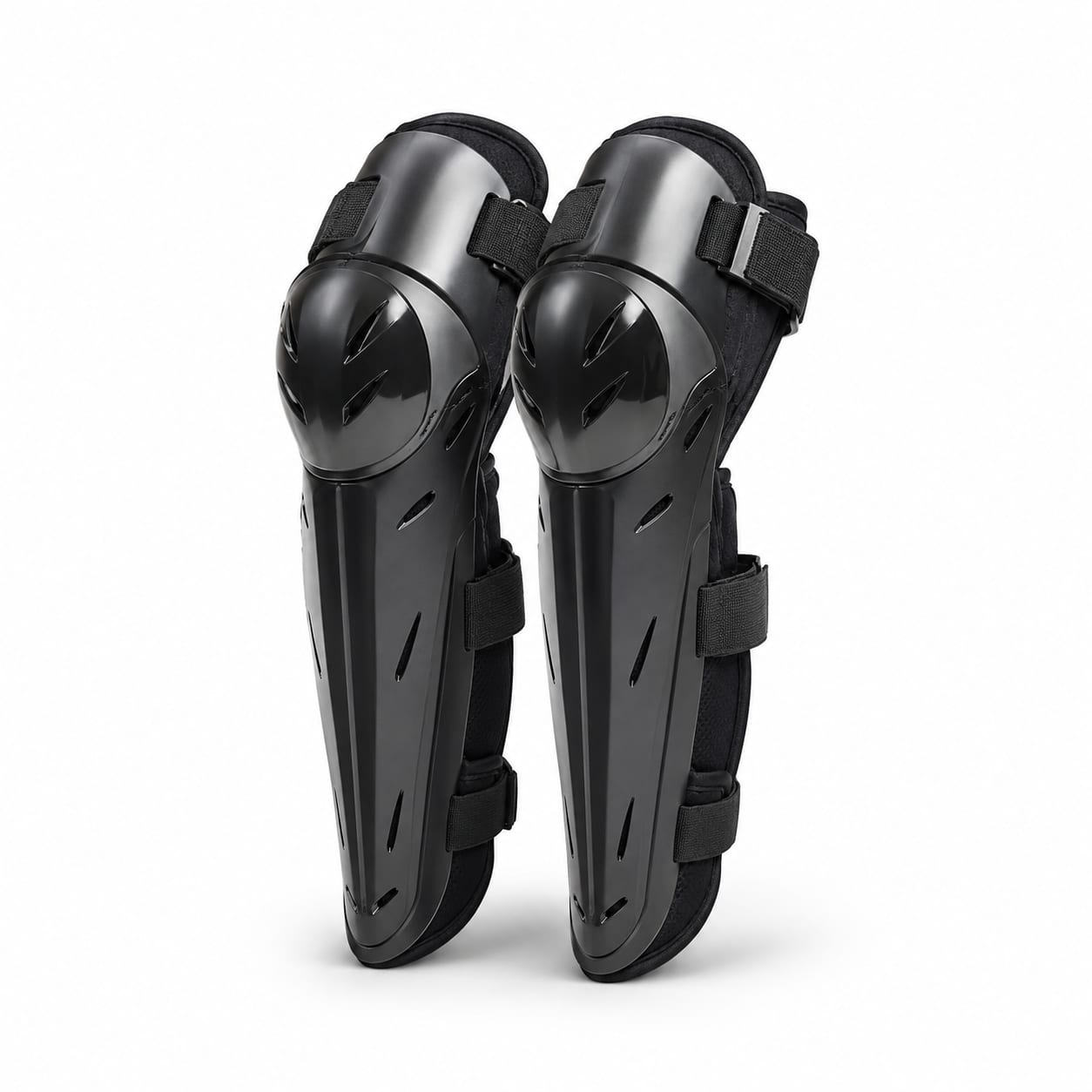
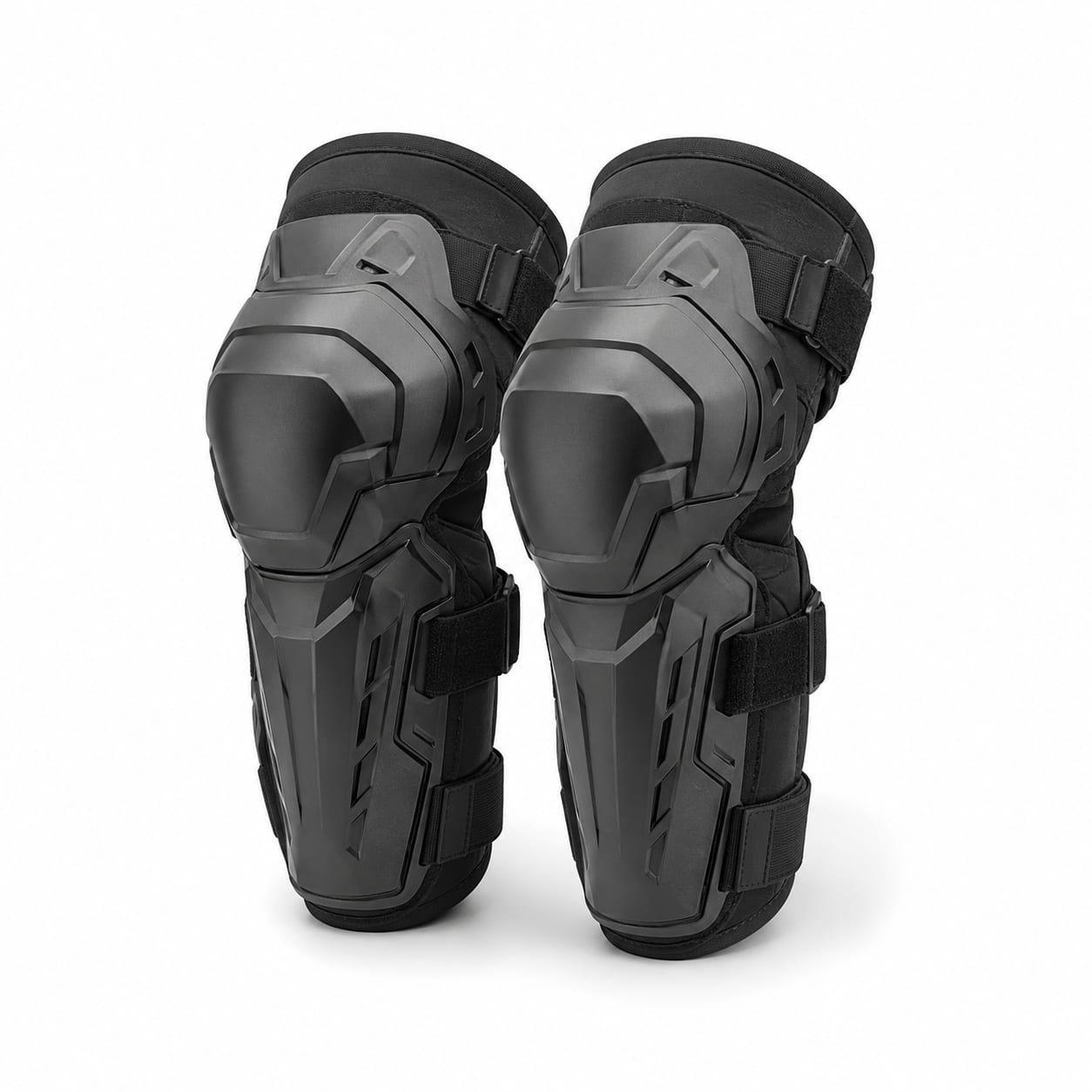
Hard Shell Impact Knee Pads are the armor of the ski protection world. Built with rigid polyethylene or polypropylene shells over multi-density foam, they distribute impact force across a wide area and slide cleanly on hard snow. Essential for FIS racing, gate training, big mountain freeride, and any discipline where high-energy impacts are expected. While they sacrifice some mobility and comfort compared to soft shell options, they deliver certified protection that can mean the difference between walking away from a crash and a season-ending knee injury.

$40 – $150mid tieradvancedexpert

Best known for

Maximum impact force distribution via rigid shellCE Level 1 and Level 2 certified protectionSliding on hard snow and ice instead of catchingGate strike protection for race trainingSurviving high-speed crashes with minimal knee injury
Hard Shell Impact Knee Pads

Guide

Detailed overview

Hard Shell Impact Knee Pads represent the highest tier of knee protection available to skiers. Unlike soft shell pads that rely solely on foam or smart materials to absorb impacts, hard shell pads feature a rigid external cap—typically made from polyethylene (PE) or polypropylene (PP)—that spreads concentrated impact force across a larger area before the inner padding absorbs the remaining energy. This dual-stage protection system is what makes them indispensable for racing and high-impact skiing disciplines. The hard shell also provides a critical secondary benefit: it slides on hard snow and ice. In a high-speed crash, a soft shell pad can catch on the snow surface, causing the pad to twist or the leg to torque, potentially creating additional injury. A hard shell glides, reducing rotational forces and allowing the skier to slide to a stop more naturally. These pads are typically CE-certified under EN 1621-1, with many models achieving Level 2 certification (transmitting no more than 20 kN of force from a 50 kN impact). This makes them the only acceptable choice for FIS-sanctioned racing and serious gate training. The trade-offs are real: hard shell pads are heavier, bulkier, and restrict mobility more than any other knee pad type. They can be uncomfortable for all-day recreational skiing and may not fit under tight-fitting ski pants. However, for skiers who regularly face high-energy impacts, these trade-offs are not just acceptable—they are necessary.

Hard Shell Impact Knee Pads occupy a critical niche in ski protection that no other subcategory can fill. When a racer hits a gate at 60 km/h, when a freeskier cartwheels down a steep line, or when a mogul skier's knee drives into an ice bump, the forces involved far exceed what soft foam or even smart materials like D3O can fully manage. The rigid shell is what makes the difference—it takes a point impact that might concentrate 50 kN of force on a coin-sized area of your kneecap and spreads it across the entire shell surface, dramatically reducing the force per unit area that reaches your joint.

The construction of a quality hard shell knee pad is more sophisticated than it appears. The outer shell is engineered with specific curvature and flex zones that maintain rigidity under impact while allowing some conformability to the leg during movement. Beneath the shell, multi-density foam layers provide progressive impact absorption: a denser layer directly under the shell handles the initial force transmission, while softer layers against the skin provide comfort and absorb remaining energy. Premium models incorporate D3O or Poron XRD as intermediate layers, combining rate-sensitive smart materials with the shell's distribution properties for a synergistic protection system.

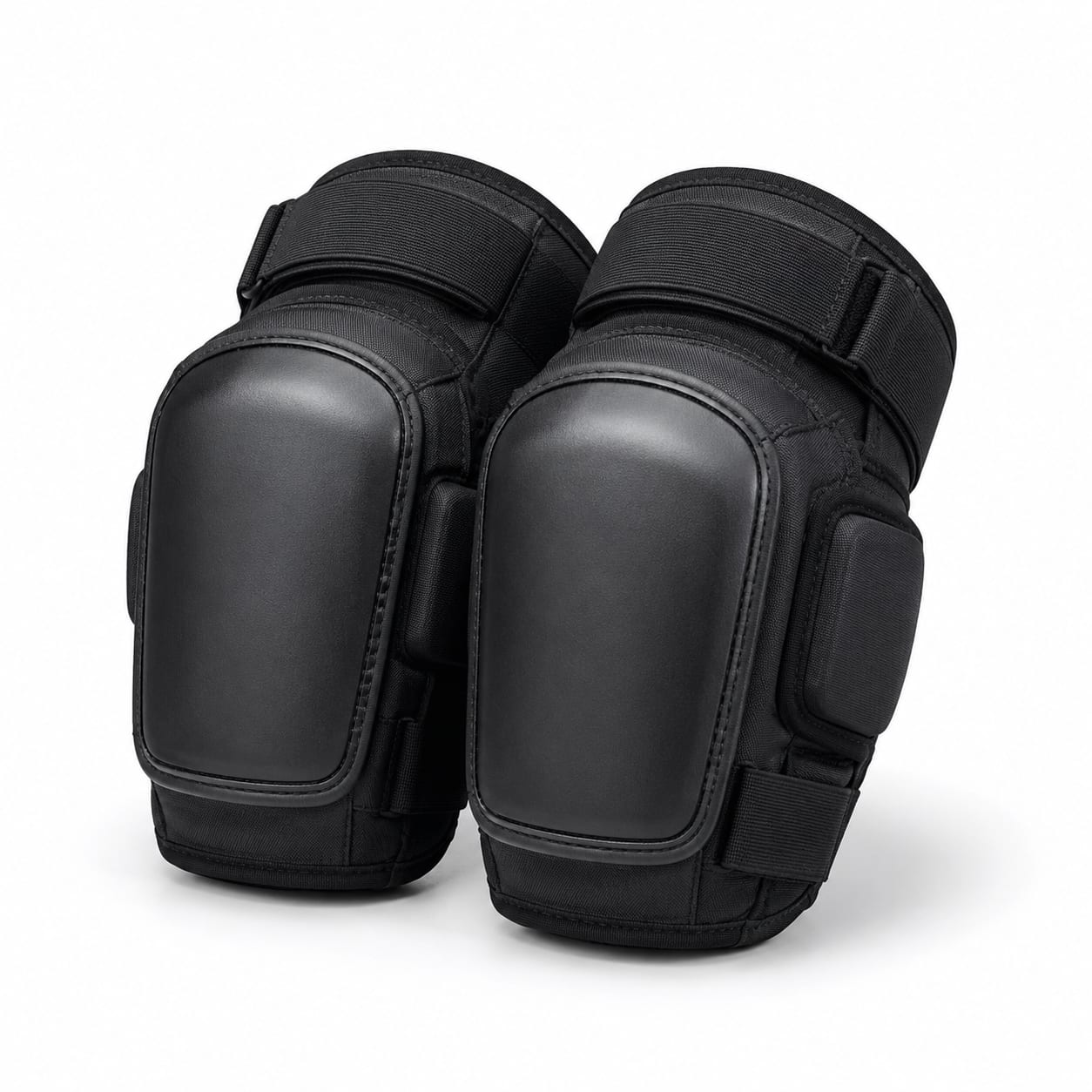
Fit and retention are especially critical for hard shell pads because their weight and bulk create more tendency to migrate. The best models use buckle strap systems or hybrid sleeve-plus-strap configurations that keep the shell centered on the kneecap even during violent crashes. A displaced hard shell not only fails to protect but can itself become a hard object pressing into the knee during a fall. This is why race-quality hard shell pads prioritize secure retention almost as much as impact performance.

For racers, hard shell pads are non-negotiable. FIS regulations and race club requirements mandate CE-certified protection, and the gate strike scenario—where a plastic gate pole whips directly into the knee at high speed—is a recurring impact type that only a rigid shell can adequately deflect. The shell's ability to slide on snow rather than catch is also a safety feature during the high-speed crashes that are inherent to competitive skiing. Freeskiers and big mountain riders face different but equally severe impact scenarios: rocks, ice chunks, and the sheer force of tumbling falls at speed. For these athletes, hard shell pads provide confidence to commit to lines that would be unthinkable without proper protection.

The key to getting value from hard shell knee pads is honest self-assessment of your skiing. If you race, train in gates, ski steep technical terrain regularly, or have a history of knee injuries, these pads are an investment in your longevity in the sport. If you primarily cruise groomers and ski moderate terrain, the bulk and restricted mobility will likely outweigh the protection benefits, and a soft shell or hybrid pad would serve you better. The best protection is the kind you actually wear every run—choose accordingly.

Quick facts

Primary purpose
Maximum impact and abrasion protection during high-speed or high-consequence skiing
Popular brands
POCDaineseSlytechForcefieldDemon
Typical terrain
steep terrainbackcountryski cross coursesgroomed runs at high speed

What makes it different

Hard cap deflects impacts rather than just absorbing them; Slides on snow to reduce catching; Bulkiest knee pad option

Recommended ranges

How this type usually specs out

Each spec is explained in plain language, then we show what buyers usually look for on this type.

Protection Level

Protection Level

What it means

The overall degree of impact protection the knee pad provides, from basic bruise prevention to certified armor-level protection against high-energy impacts.

Typical for this type

High to Professional

In practice

Hard shell knee pads are defined by their high to professional protection levels. The rigid shell distributes impact force while the inner padding absorbs remaining energy, creating a dual-stage protection system that significantly outperforms soft-only designs.

Compared to other types

Soft shell pads typically offer light to moderate protection. Hybrid pads reach moderate to high. Hard shell pads consistently deliver high to professional protection, making them the only viable option for FIS racing and maximum-impact scenarios.

Why it matters: High protection level is the primary reason to choose this subcategory. Skiers selecting hard shell pads are specifically seeking maximum impact protection for racing, gate training, or aggressive terrain where high-energy impacts are expected.

Padding Material

Padding Material

What it means

The primary impact-absorbing material used in the knee pad construction, which determines how energy from impacts is managed.

Typical for this type

Hard Plastic Cap With Multi Density Foam Or D3o Inner Layers

In practice

The defining material is the rigid PE or PP shell cap. Premium models layer this over D3O, Poron XRD, or multi-density foam for progressive impact absorption. The shell handles force distribution while inner materials manage energy absorption.

Compared to other types

Soft shell pads rely entirely on foam or smart materials without any rigid distribution layer. Hybrid pads use semi-rigid materials. Hard shell pads uniquely combine a rigid cap with inner padding for the most comprehensive impact management system.

Why it matters: The hard plastic cap is what makes this subcategory distinct—it provides force distribution that no foam alone can achieve. The inner padding material determines how well remaining impact energy is managed after the shell distributes it.

Shell Type

Shell Type

What it means

The external construction type of the knee pad, affecting how it interacts with snow, clothing, and impacts.

Typical for this type

Hard Shell

In practice

This is the defining characteristic of the subcategory. Hard shell construction uses a rigid external cap that does not flex significantly under normal movement but maintains structural integrity under impact.

Compared to other types

This is the only subcategory that uses full hard shell construction. Soft shells have no rigid components. Hybrids use semi-rigid or segmented designs that offer some but not all hard shell benefits.

Why it matters: The hard shell provides force distribution and snow-sliding capability that defines this subcategory's purpose. Without the hard shell, these would be a different product category entirely.

CE Certification

CE Certification

What it means

European safety certification level under EN 1621-1 standard for limb protectors, indicating verified impact force transmission levels.

Typical for this type

En 1621 1 Level 1 to En 1621 1 Level 2

In practice

Most quality hard shell knee pads carry at least EN 1621-1 Level 1 certification. Premium and race-oriented models achieve Level 2 certification, transmitting no more than 20 kN of force. Non-certified hard shell pads exist but should be avoided for serious use.

Compared to other types

Hard shell pads are the most likely to carry CE certification, especially Level 2. Soft shell pads are frequently not certified. Hybrid pads often achieve Level 1. If certification is a requirement, hard shell pads offer the most options.

Why it matters: CE certification provides verified, standardized impact performance data. For racing, certification is often mandatory. Even for non-racers, certification ensures the pad's protection claims are independently validated rather than marketing claims.

Size

Size

What it means

The sizing of the knee pad, typically based on knee circumference and thigh circumference measurements.

Typical for this type

Xs to Xxl (Brand-Specific)

Most common pick: M

In practice

Hard shell knee pads are available across the full size range. Proper sizing is especially critical because the rigid shell must align precisely with the kneecap—unlike soft pads that can conform somewhat, a misaligned hard shell leaves gaps in protection.

Compared to other types

All knee pad subcategories require proper sizing, but hard shell pads are the least forgiving of sizing errors because the rigid shell cannot adapt to the leg shape the way soft or hybrid pads can.

Why it matters: Incorrect sizing with hard shell pads is more consequential than with soft shells. A shell that's too small leaves the kneecap partially exposed. One that's too large can shift and expose the knee during a fall, or the edges can press into the leg during flexion.

Closure Type

Closure Type

What it means

The method used to secure the knee pad to the leg, affecting ease of use, adjustability, and how well the pad stays in position.

Typical for this type

Buckle Straps Or Hybrid (Sleeve + Strap)

In practice

Buckle strap systems are most common on hard shell pads because they provide the maximum security needed to keep the heavy, rigid shell in place during violent impacts. Hybrid systems combining a compression sleeve with straps are also popular for improved comfort.

Compared to other types

Soft shell pads commonly use slip-on sleeves. Hybrid pads use velcro straps. Hard shell pads predominantly use buckle straps or hybrid closure systems for maximum security, reflecting their use in higher-impact scenarios.

Why it matters: The weight and bulk of hard shell pads create more tendency to migrate than lighter soft shells. A secure closure system is essential to keep the shell aligned with the kneecap. A displaced hard shell during a crash provides no protection and may cause additional injury.

Padding Thickness

Padding Thickness

What it means

The maximum thickness of the protective padding at the knee center, affecting both protection level and bulk under clothing.

Typical for this type

15mm to 30mm

Most common pick: 20mm

In practice

Hard shell pads typically have thicker padding than other subcategories because the shell adds its own thickness on top of the foam layers. Total thickness including shell often ranges from 18-30mm, with the padding component itself typically 10-20mm beneath the shell.

Compared to other types

Soft shell pads typically range 5-15mm. Hybrid pads range 10-20mm. Hard shell pads are the thickest at 15-30mm including the shell, which can make them difficult to fit under tight ski pants.

Why it matters: Thicker padding provides more impact absorption but increases bulk. In hard shell pads, the shell already handles force distribution, so the padding thickness primarily determines how much residual energy is absorbed after the shell distributes the initial force.

Coverage Area

Coverage Area

What it means

The extent of the knee and surrounding area that the pad protects, from minimal kneecap-only coverage to extended protection including shin and thigh.

Typical for this type

Knee And Lower Thigh to Extended Knee Shin Thigh

In practice

Hard shell pads frequently extend coverage above the knee to protect the lower thigh from gate strikes. Race-oriented models often include shin coverage as well. The extended coverage is practical because the shell construction makes it relatively easy to add protected area without proportionally increasing discomfort.

Compared to other types

Soft shell pads typically offer knee-only or knee-plus-upper-shin coverage. Hybrid pads vary widely. Hard shell pads most commonly offer extended coverage options because their primary users (racers, freeskiers) need protection beyond just the kneecap.

Why it matters: Gate strikes commonly impact the lower thigh area above the kneecap. Without thigh coverage, racers are vulnerable to painful and potentially injurious hits in this area. Extended coverage also protects during falls where the leg contacts obstacles at various points.

Weight (Per Pair)

Weight (Per Pair)

What it means

The total weight of both knee pads together, affecting fatigue during all-day skiing and the feel of the pads on the legs.

Typical for this type

450g to 1100g

Most common pick: 650g

In practice

Hard shell knee pads are the heaviest subcategory due to the rigid shell material and additional padding layers. Typical weights range from 450g for minimalist hard shell designs to over 1000g for full race armor with extended coverage.

Compared to other types

Soft shell pads typically weigh 150-350g per pair. Hybrid pads range 300-550g. Hard shell pads start around 450g and can exceed 1000g, making them 2-4 times heavier than soft shell alternatives.

Why it matters: Weight contributes to leg fatigue during all-day skiing. Heavier pads are more noticeable during turns and can affect the feel of your skiing. However, for the high-impact disciplines where hard shell pads are appropriate, the protection trade-off is worth the weight penalty.

Breathability

Breathability

What it means

How well the knee pad allows moisture and heat to escape, preventing sweat buildup and maintaining comfort during active skiing.

Typical for this type

Low to Medium

In practice

The rigid shell inherently blocks airflow and traps heat against the leg. While some models incorporate ventilation channels or perforated shells, hard shell pads are consistently the least breathable option. The multi-layer construction (shell + padding + liner) creates multiple barriers to moisture escape.

Compared to other types

Soft shell pads typically offer medium to high breathability. Hybrid pads range medium. Hard shell pads are consistently low to medium breathability due to the impermeable shell layer blocking moisture transfer.

Why it matters: Low breathability leads to sweat accumulation, which can cause discomfort, chafing, and chilling when stationary on chairlifts. In cold conditions this is less problematic, but during spring skiing or high-output skiing, it can be a significant comfort issue.

Mobility Rating

Mobility Rating

What it means

How freely the knee can bend and move while wearing the pad, critical for skiing technique and comfort.

Typical for this type

Slight Restriction to Significant Restriction

Most common pick: Moderate Restriction

In practice

The rigid shell creates noticeable resistance when the knee bends past about 90 degrees. Premium hinged models reduce this to slight restriction, while basic non-articulated hard shell pads can significantly limit deep flexion. Most fall in the moderate restriction range.

Compared to other types

Soft shell pads offer unrestricted to slight restriction. Hybrid pads range from slight to moderate. Hard shell pads are the most restrictive, typically moderate to significant, with only premium hinged models approaching slight restriction.

Why it matters: Restricted knee mobility affects skiing technique, particularly in deep turns, moguls, and any situation requiring deep knee flexion. Racers adapt their technique to accommodate the restriction, but recreational skiers may find it frustrating and unnatural.

Layering Compatibility

Layering Compatibility

What it means

Whether the knee pad is designed to be worn under ski pants, over them, or can work either way.

Typical for this type

Over Layer Only Or Both

In practice

Most hard shell knee pads are designed to be worn over ski pants because their bulk and rigid construction make them difficult to fit under clothing. Some models with lower-profile shells can work under loose-fitting pants, but the over-layer configuration is most common and practical.

Compared to other types

Soft shell pads are predominantly under-layer only. Hybrid pads often work both ways. Hard shell pads are primarily over-layer only, with some models offering both options for those willing to accommodate the bulk under clothing.

Why it matters: Over-layer wear means the pads are visible, which some skiers dislike. However, it also means easy on/off between runs, which racers appreciate. Under-layer compatibility is limited by the shell's bulk and may require sizing up ski pants.

Articulation Design

Articulation Design

What it means

Whether the knee pad features pre-curved or hinged construction that mimics the natural bend of the knee.

Typical for this type

Pre Curved to Hinged Articulated

In practice

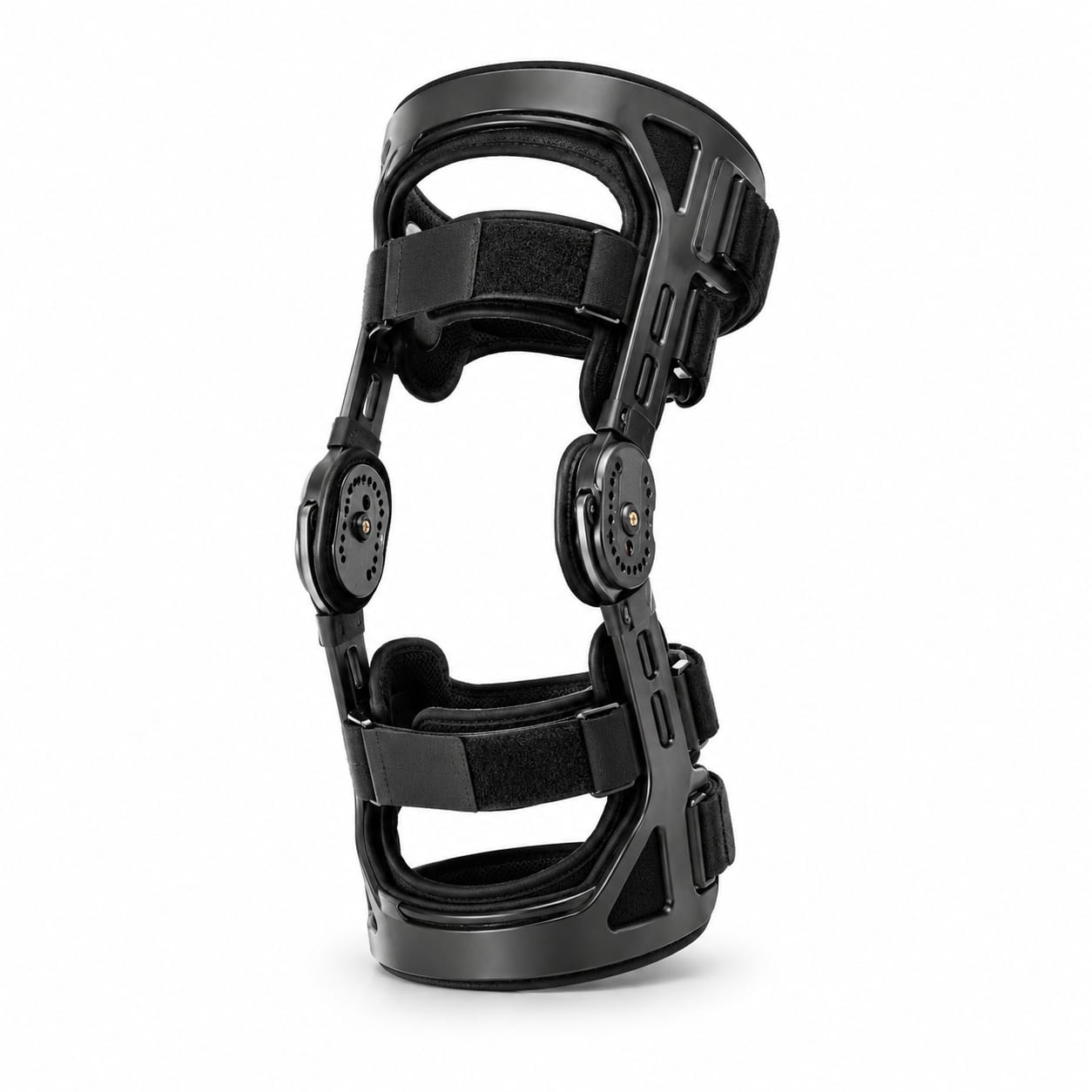
Because the rigid shell cannot flex, articulation is especially important for hard shell pads. Hinged designs with separate shell pieces connected by flexible joints allow the shell to move with the knee. Pre-curved shells that match the bent-knee position are the minimum acceptable articulation for performance skiing.

Compared to other types

Soft shell pads can be flat because the material flexes naturally. Hybrid pads benefit from pre-curved design. Hard shell pads require the most sophisticated articulation—hinged designs are common and justified because the rigid material cannot conform without engineered flex points.

Why it matters: Without articulation, a hard shell pad either gaps when the leg is straight or bunches and presses into the back of the knee when bent. Proper articulation ensures consistent protection and comfort throughout the full range of knee motion during skiing.

Antimicrobial Treatment

Antimicrobial Treatment

What it means

Whether the knee pad interior has antimicrobial treatment to prevent odor-causing bacteria growth from sweat during skiing.

Typical for this type

True Preferred

In practice

Because hard shell pads trap more heat and moisture than breathable alternatives, antimicrobial treatment is especially valuable. The low-breathability environment creates ideal conditions for bacterial growth, making odor control a more significant concern than with well-ventilated pads.

Compared to other types

Antimicrobial treatment is beneficial for all knee pad types but is most impactful for hard shell pads due to their inherently lower breathability and greater moisture retention.

Why it matters: Antimicrobial treatment helps manage the odor and hygiene issues that are exacerbated by the low-breathability, high-sweat environment inside hard shell pads. This is particularly important for multi-day ski trips where washing isn't practical.

Water Resistance

Water Resistance

What it means

How well the knee pad repels water from snow, preventing the padding from absorbing moisture and becoming heavy and cold.

Typical for this type

Water Resistant to Waterproof

In practice

The hard plastic shell naturally sheds water, giving hard shell pads an inherent advantage in water resistance. Most models feature water-resistant or waterproof outer construction. The shell itself is impermeable, so water entry is primarily through the edges and inner materials.

Compared to other types

Soft shell pads vary from water-absorbent to water-resistant. Hybrid pads typically achieve water-resistant. Hard shell pads are naturally water-resistant to waterproof due to the impermeable shell, giving them the best water resistance of any subcategory.

Why it matters: Good water resistance prevents the padding from absorbing meltwater, which would make pads heavy, cold, and slow to dry. The hard shell's natural water-shedding ability is a practical advantage over soft shell designs in wet snow conditions.

Grip / Anti-Slip System

Grip / Anti-Slip System

What it means

Features that prevent the knee pad from sliding down the leg or rotating out of position during active skiing and falls.

Typical for this type

Silicone Grips to Rubberized Band

In practice

Hard shell pads require robust grip systems because their weight and bulk create more tendency to slide down or rotate. Rubberized elastic bands provide maximum security, while silicone gripper dots offer good performance with less pressure on the leg.

Compared to other types

Soft shell pads often rely on compression alone or silicone grips. Hybrid pads use silicone grips or straps. Hard shell pads most commonly use rubberized bands or silicone grips combined with straps, reflecting the greater need for secure positioning with heavier, bulkier pads.

Why it matters: A shifting hard shell pad is not just uncomfortable—it's dangerous. If the rigid shell rotates away from the kneecap during a fall, it provides no protection to the joint and the hard shell edge can press into the leg. Secure grip systems are essential safety features.

Evaluation

Strengths and trade-offs

Pros

What this type does best

Superior Impact Force Distribution

Critical

The rigid shell spreads concentrated impact force across its entire surface area, dramatically reducing the force per unit area that reaches the knee. This is the fundamental advantage that no soft material can replicate.

Slides on Snow and Ice

Critical

Unlike soft shells that can catch on the snow surface during a crash, hard shells slide cleanly, reducing rotational forces on the knee and allowing a more natural slide to a stop. This is a safety feature during high-speed falls.

CE Certified Protection Levels

High

Hard shell pads are the most likely to carry EN 1621-1 certification, particularly Level 2. This provides independently verified impact performance rather than manufacturer claims alone.

Gate Strike Protection

High

The rigid shell deflects gate poles that would transmit significant force through soft padding. For racers and gate trainers, this is the primary functional advantage that makes hard shell pads mandatory.

Excellent Water Resistance

Medium

The impermeable shell naturally sheds water and snow, preventing the padding from absorbing moisture and becoming heavy and cold. This is an inherent advantage of the hard shell construction.

Durable Construction

Medium

Hard shell pads withstand repeated high-energy impacts without degrading protection performance. The shell doesn't compress over time like foam-only pads, maintaining consistent protection throughout the product's life.

Quick On/Off for Race Days

Medium

Over-layer hard shell pads with buckle straps can be put on and removed quickly between race runs, allowing skiers to stay warm and comfortable without wearing pads during inspection or lift rides.

Cons

Trade-offs to be aware of

Restricted Mobility

Significant

The rigid shell creates noticeable resistance when bending the knee, particularly past 90 degrees. This affects deep turns, mogul skiing technique, and natural movement. Even hinged models restrict more than soft alternatives.

Heavy and Fatiguing

Moderate

Hard shell pads weigh 2-4 times more than soft shell alternatives. Over a full day of skiing, this additional weight on the legs contributes to fatigue and can affect the feel and timing of turns.

Bulky Under Clothing

Moderate

The shell thickness and rigid shape make most hard shell pads impossible to wear under tight-fitting ski pants. Even under loose pants, they create visible bulk and can interfere with layering systems.

Poor Breathability

Moderate

The impermeable shell traps heat and moisture against the leg, leading to sweat accumulation, potential chafing, and chilling on chairlifts. This is the worst breathability of any knee pad subcategory.

Uncomfortable for All-Day Wear

Moderate

The combination of weight, bulk, restricted mobility, and poor breathability makes hard shell pads uncomfortable for extended recreational skiing. They are best worn for specific high-impact sessions rather than all-day use.

Higher Cost

Minor

Quality hard shell pads with CE certification and proper articulation are significantly more expensive than soft shell alternatives. The complex construction with shells, hinges, and multiple padding layers drives up manufacturing costs.

Best for

Terrain

Steep and technical terrainIcy groomersMogul fieldsRace coursesBig mountain lines

Snow conditions

Icy hardpackFirm race conditionsVariable snow with hidden obstaclesAny conditions where high-speed crashes are possible

Skill level

AdvancedExpertProfessional/Race

Riding style

GS and slalom racingGate trainingBig mountain freerideAggressive all-mountainMogul skiing

Rider profile

Competitive racers requiring FIS-compliant protectionGate training athletes at any levelBig mountain freeskiers pushing technical linesSkiers recovering from previous knee injuries who need maximum protectionSki instructors in high-impact programsMogul specialists taking repeated knee impacts

Not ideal for

Reasons

The mobility restriction interferes with learning proper techniqueWeight and bulk are unnecessary for low-speed, low-impact skiingPoor breathability causes discomfort during high-output touringThe protection level is disproportionate to the actual risk of casual skiingBeginners may find the restricted movement discouraging and counterproductive

Terrain

Gentle beginner slopesMellow cruisersTerrain parks (where flexibility matters more than impact distribution)

Skill level

BeginnerLow-intermediate

Riding style

Casual recreational skiingLong-distance touringPark and pipe (where mobility is prioritized)Backcountry skiing (weight and bulk are drawbacks)

Compare

How it stacks up

This page

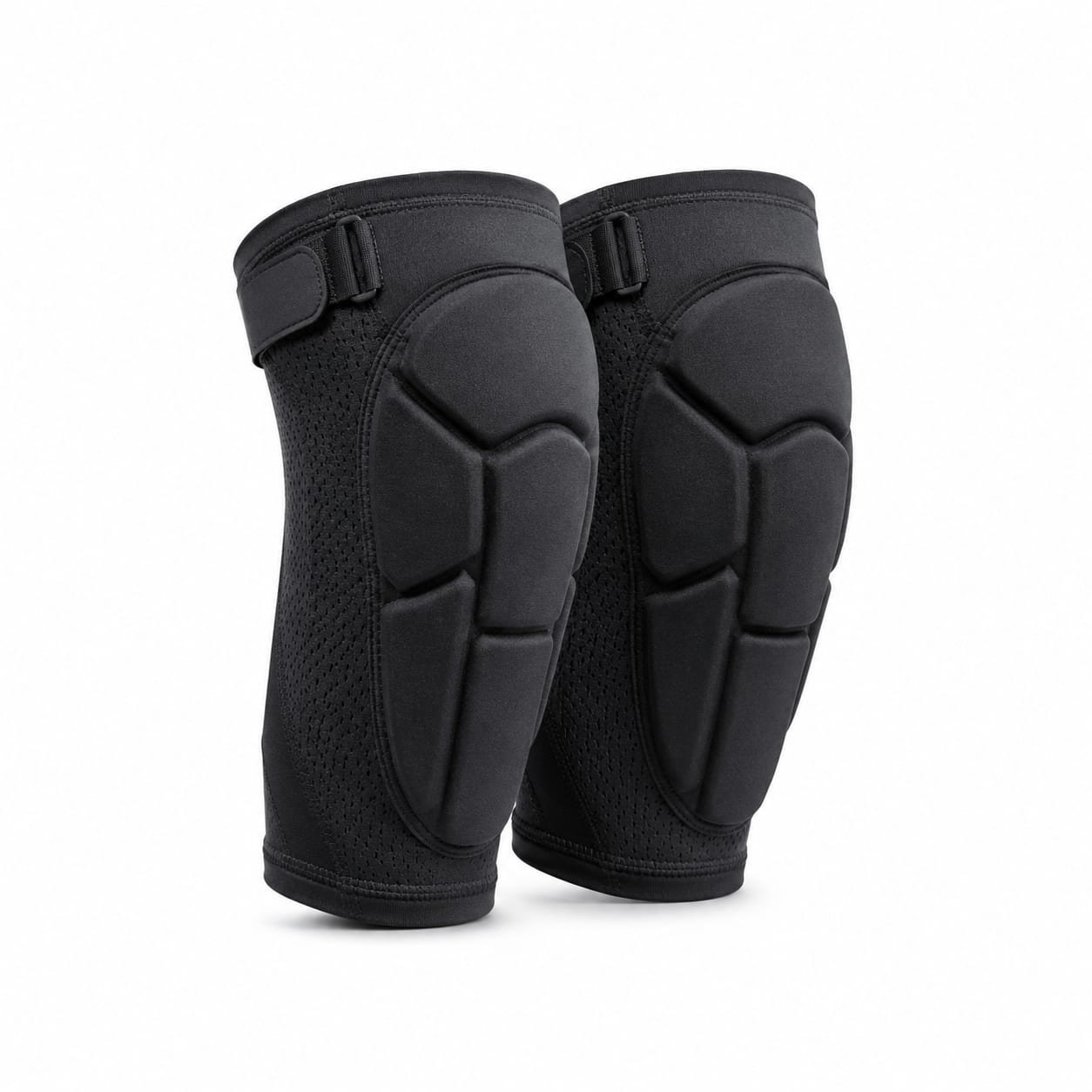
Hard Shell Impact Knee Pads

Dramatically better impact force distribution, CE certification availability, snow-sliding capability, and gate strike protection. Hard shells are the only option that provides verified armor-level protection.

Alternative

Soft Shell Knee Pads

Soft shells offer unrestricted mobility, superior breathability, lower weight, under-layer comfort, and are significantly less expensive. They are barely noticeable during all-day skiing.

Bottom line

Choose hard shell pads if you race, train in gates, ski aggressively at high speeds, or have knee injury concerns. Choose soft shell pads for recreational skiing, all-day comfort, and situations where mobility and low profile matter more than maximum impact protection.

This page

Hard Shell Impact Knee Pads

Full rigid shell provides better force distribution than semi-rigid or segmented hybrid designs. Hard shells slide better on snow and are more likely to achieve CE Level 2 certification. More consistent protection across the entire shell surface.

Alternative

Hybrid Knee Pads

Hybrid pads offer better mobility than full hard shells while providing more protection than soft shells. They are more versatile for all-mountain skiing and more comfortable for all-day wear. Many work well under ski pants.

Bottom line

Choose hard shell pads if you need maximum protection for racing or high-impact disciplines. Choose hybrid pads if you want meaningful protection with better mobility for aggressive all-mountain skiing where a full hard shell is overkill.

This page

Hard Shell Impact Knee Pads

Hard shell pads provide orders of magnitude better impact protection. Compression sleeves offer minimal padding for comfort and mild bruise prevention only—they cannot handle the high-energy impacts that hard shells are designed for.

Alternative

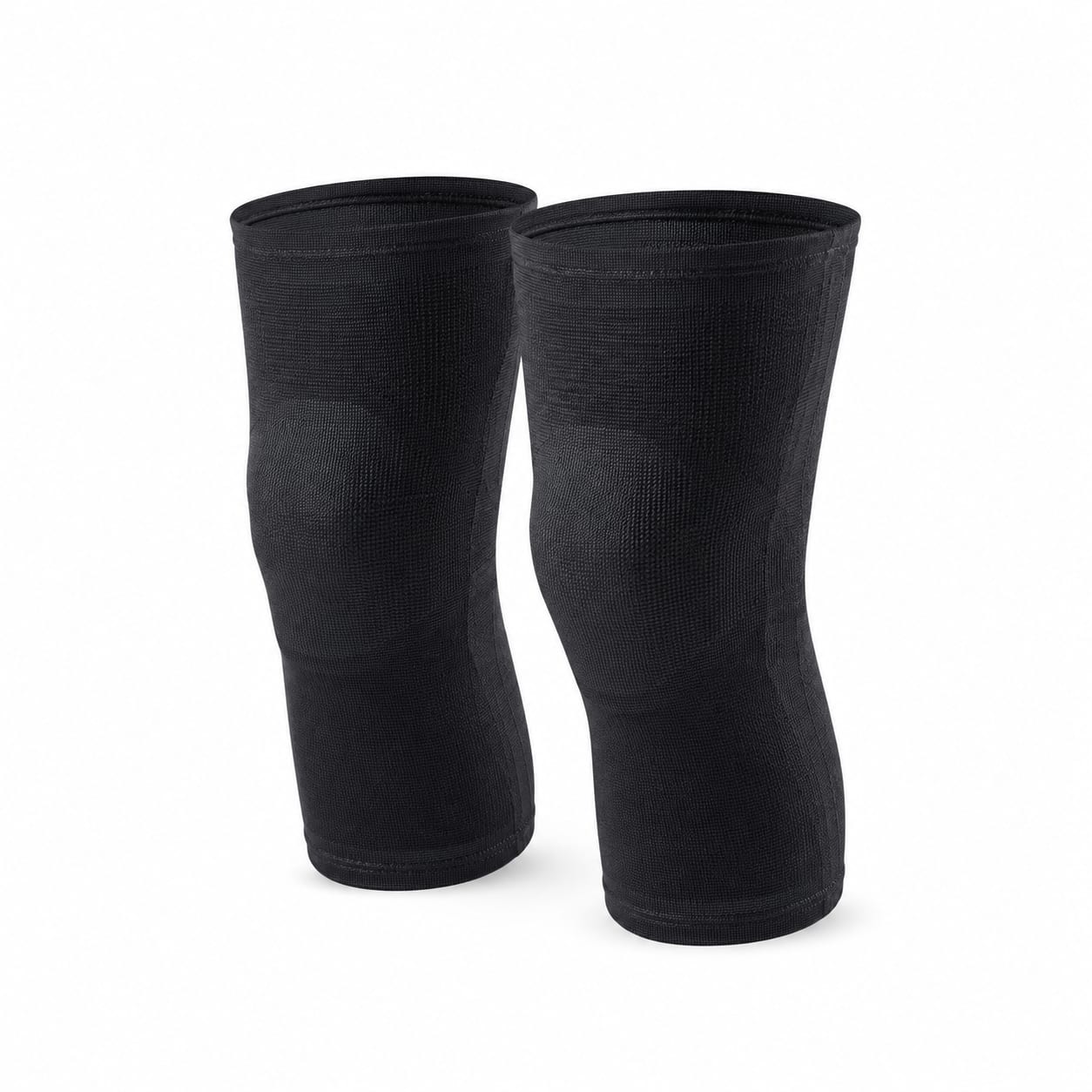
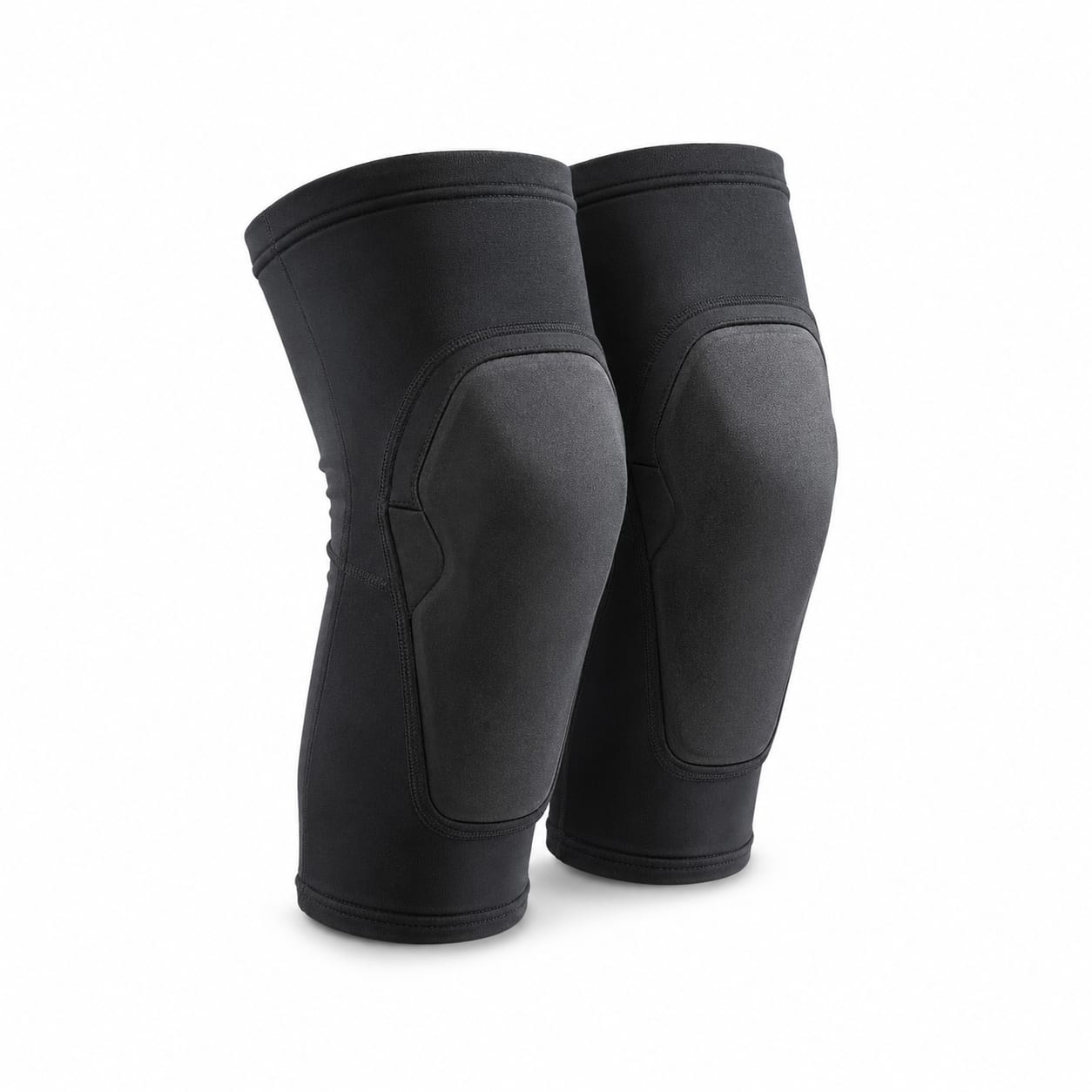
Compression Knee Sleeves

Compression sleeves are extremely lightweight, comfortable, breathable, and provide joint compression and warmth. They are ideal for skiers who want minimal knee support and comfort rather than serious impact protection.

Bottom line

Choose hard shell pads if you need real impact protection. Choose compression sleeves only if your primary concern is knee warmth, mild joint support, or comfort during kneeling, not impact absorption.

Shopping

Buying tips

  • 1

    Verify CE certification level before purchasing—Level 2 is required for FIS racing and recommended for maximum protection. Non-certified hard shell pads may not provide the protection their appearance suggests.

  • 2

    Prioritize articulation design: hinged models are worth the premium for racers, while pre-curved shells are the minimum acceptable for any performance skiing. Flat, unarticulated hard shell pads will bunch and restrict movement unacceptably.

  • 3

    Measure your knee circumference with your ski base layer on, not bare skin. Hard shell pads are less forgiving of sizing errors than soft shells, and you'll typically be wearing them over or with layers.

  • 4

    If you race, check your race organization's protection requirements before buying. Some require specific CE certification levels, and some require thigh coverage for gate strike protection.

  • 5

    Try the pads on with your actual ski pants and base layers before committing. The interaction between hard shell pads and your layering system is critical—what fits in the store may not work with your on-snow kit.

  • 6

    Consider buying pads with quick-release buckles if you race or train in gates. The ability to remove pads between runs keeps you comfortable on lift rides and during course inspection.

  • 7

    Look for models with replaceable shells if you race regularly. Gate strikes can scratch and eventually compromise shell integrity, and replacing just the shell is far cheaper than replacing the entire pad.

  • 8

    Don't assume the most expensive pad is the best for you. A CE Level 1 hinged pad at moderate price may serve you better than a Level 2 pad with poor articulation that you avoid wearing.

Care

Maintenance notes

  • Air dry pads thoroughly after each use. The low breathability of hard shell pads means significant moisture accumulates inside—leaving them in a bag promotes bacterial growth and odor.
  • Inspect the shell regularly for cracks, deep scratches, or deformation. A compromised shell may not distribute impact force as designed. Replace shells that show structural damage.
  • Clean the inner padding with mild soap and water as needed. Remove the shell if the design allows for separate cleaning of the padding and liner components.
  • Check buckle and strap function before each season. UV exposure and cold temperatures can degrade straps and buckles over time. Replace any components that show cracking or loss of elasticity.
  • Store pads with buckles loosened and straps relaxed to maintain elasticity. Avoid storing in compressed positions that can permanently deform the padding.
  • If your pads have removable inner liners, wash them regularly according to manufacturer instructions. This is especially important for hard shell pads where moisture and bacteria accumulate inside the shell.
  • Replace pads after any crash where the shell took a significant impact. Even if no visible damage is apparent, the shell or internal padding may have been compromised.

Progression

Skill development path

Hard shell knee pads are typically adopted when a skier's progression takes them into high-impact disciplines. Beginners and intermediates rarely need this level of protection, and the mobility restriction can actually hinder skill development by making proper technique harder to execute. As skiers advance to racing, steep terrain, moguls, or big mountain lines, the risk profile changes and hard shell protection becomes appropriate. The transition often coincides with joining a race program, moving to more challenging terrain, or recovering from a knee injury that makes maximum protection a priority. Even expert skiers who don't race may never need hard shell pads if their skiing style doesn't involve high-speed impacts or gate strikes. The key progression marker is when the consequences of a knee impact in your typical skiing exceed what soft or hybrid protection can adequately manage.

FAQ

Common questions

Each question has a dedicated page with a full answer and links to the buying guide.

Do I really need hard shell knee pads for recreational skiing?

Most recreational skiers do not need hard shell knee pads. If you primarily cruise groomers, ski moderate terrain, and don't race or train in gates, soft shell or hybrid pads provide sufficient protection with much better comfort and mobility. Hard shell pads are designed for high-energy impacts that recreational skiers rarely experience. The mobility restriction and discomfort are not worth the trade-off unless your skiing involves genuine high-impact risk.

What CE certification level do I need for race training?

EN 1621-1 Level 1 is the minimum acceptable for most race training programs and club requirements. Level 2 is preferred and may be required for FIS-sanctioned events. Level 2 transmits no more than 20 kN of force versus Level 1's 35 kN threshold—a significant difference in protection. Check with your specific race organization, as requirements vary. If you're training in gates at any serious level, invest in at least Level 1 certified pads.

Can I wear hard shell knee pads under my ski pants?

It depends on the specific pad and your ski pants. Most hard shell pads are designed to be worn over pants because their bulk and rigid shape don't fit well under clothing. Some lower-profile models with thinner shells can work under loose-fitting ski pants, but you'll likely need to size up your pants. If under-layer wear is important to you, look for hard shell pads specifically designed for both configurations, or consider hybrid pads that offer better under-layer compatibility.

Why do hard shell pads need to slide on snow? Isn't that dangerous?

Sliding on snow is actually a safety feature, not a danger. In a high-speed crash, a soft shell pad can catch on the snow surface, causing the pad to twist or the leg to torque, potentially creating ligament injuries from rotational forces. A hard shell slides cleanly, allowing the skier to decelerate naturally without sudden rotational forces on the knee joint. This is why hard shell pads are preferred for high-speed disciplines where crash dynamics matter.