
Sliding on snow is actually a safety feature, not a danger. In a high-speed crash, a soft shell pad can catch on the snow surface, causing the pad to twist or the leg to torque, potentially creating ligament injuries from rotational forces. A hard shell slides cleanly, allowing the skier to decelerate naturally without sudden rotational forces on the knee joint. This is why hard shell pads are preferred for high-speed disciplines where crash dynamics matter.
Ski Knee Pads · Hard Shell Impact Knee Pads
Why do hard shell pads need to slide on snow? Isn't that dangerous?
Related gear types
If this answer nudged you toward a different style, these guides compare specs and trade-offs.
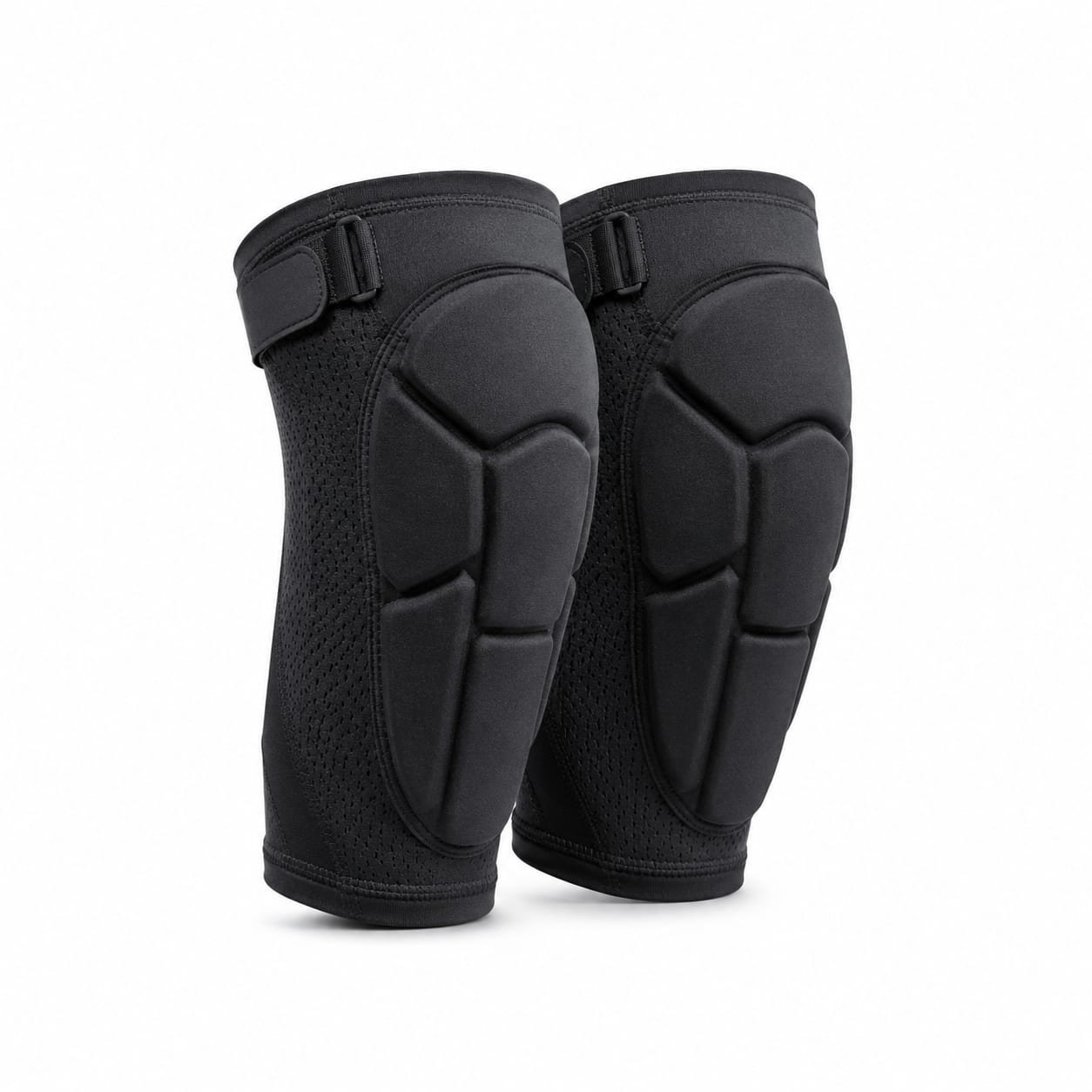
Soft Shell Impact Knee Pads
$30 – $100
Flexible knee pads using smart foam materials for comfortable impact protection.
smart foam padding (D3O, Poron XRD, SAS-TEC)flexible and low-profile designslip-on or strap closure
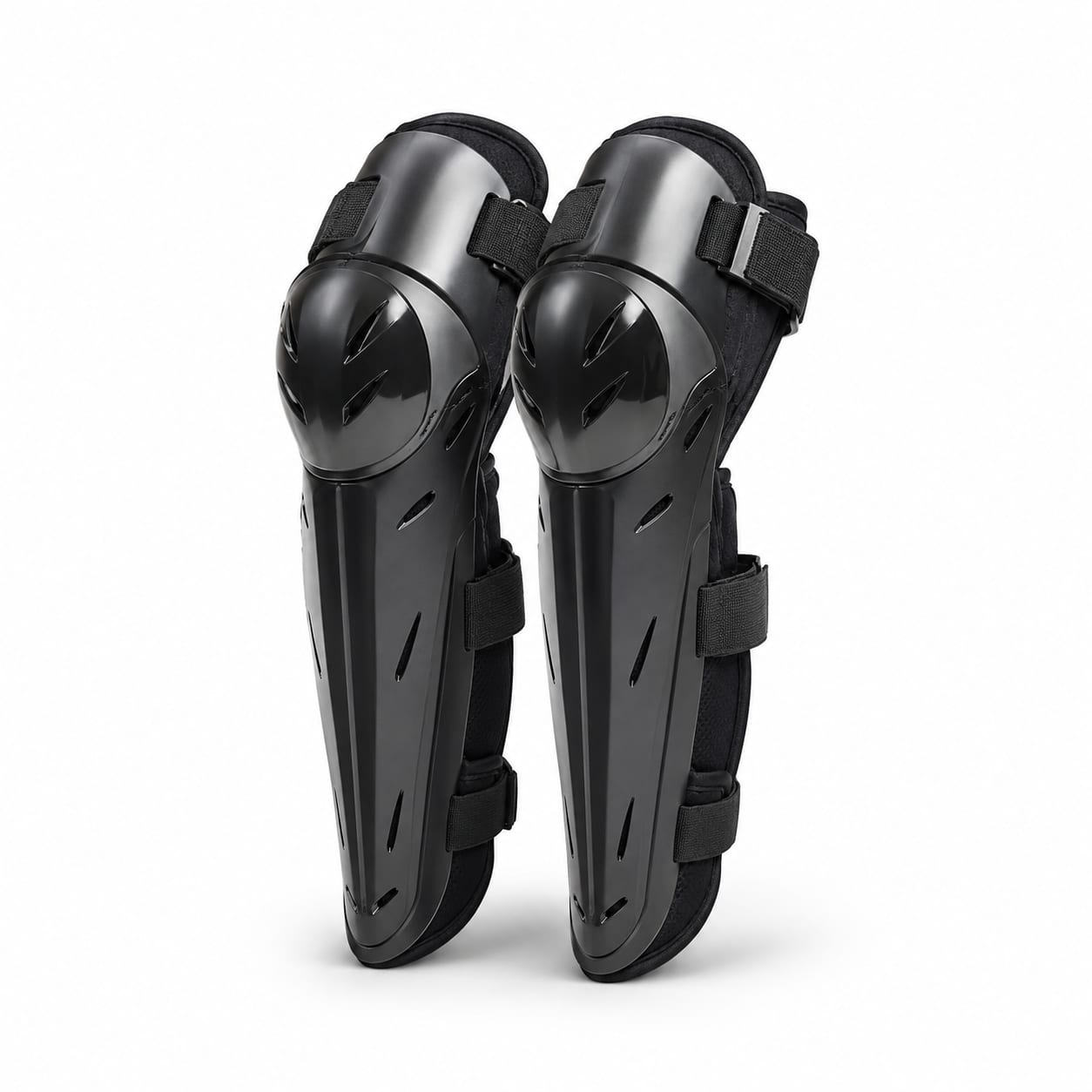
Ski Racing Knee Guards
$60 – $220
FIS-compliant knee and shin guards engineered for alpine ski racing gate impact.
hard plastic shell with aerodynamic shapingextended shin coverageFIS-compliant designs
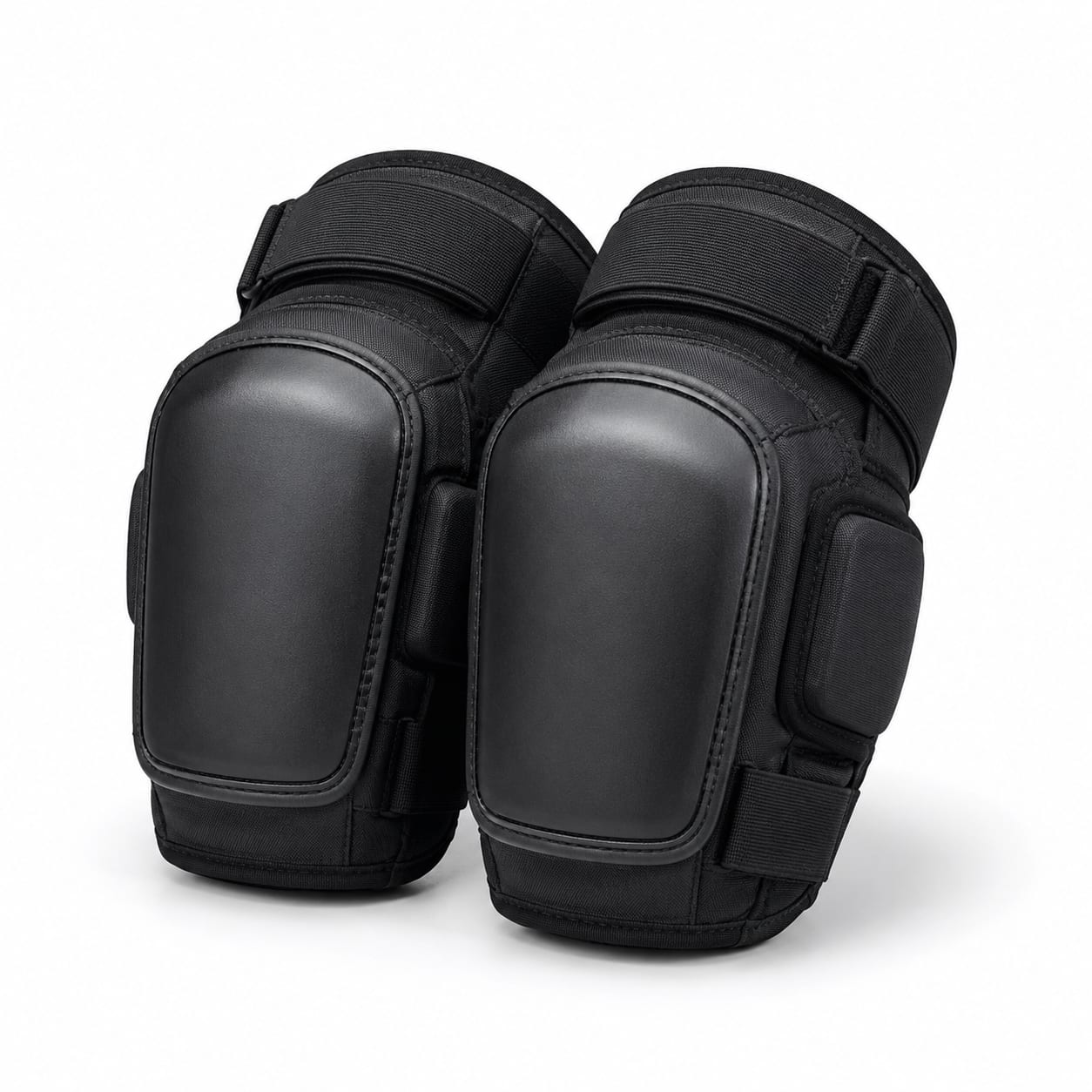
Freestyle/Park Knee Pads
$30 – $90
Knee pads designed for terrain park features, rail slides, and freestyle impact protection.
smooth sliding cap surface for railsreinforced constructionside impact padding
More questions
- Do I really need hard shell knee pads for recreational skiing?
- What CE certification level do I need for race training?
- Can I wear hard shell knee pads under my ski pants?
- How do I know if my hard shell knee pads fit correctly?