
Ski Poles · FAQ
Questions about Backcountry/Touring Poles
Straight answers on fit, specs, and when this type makes sense — each topic has its own page with links back to the buying guide.
Open Backcountry/Touring Poles guide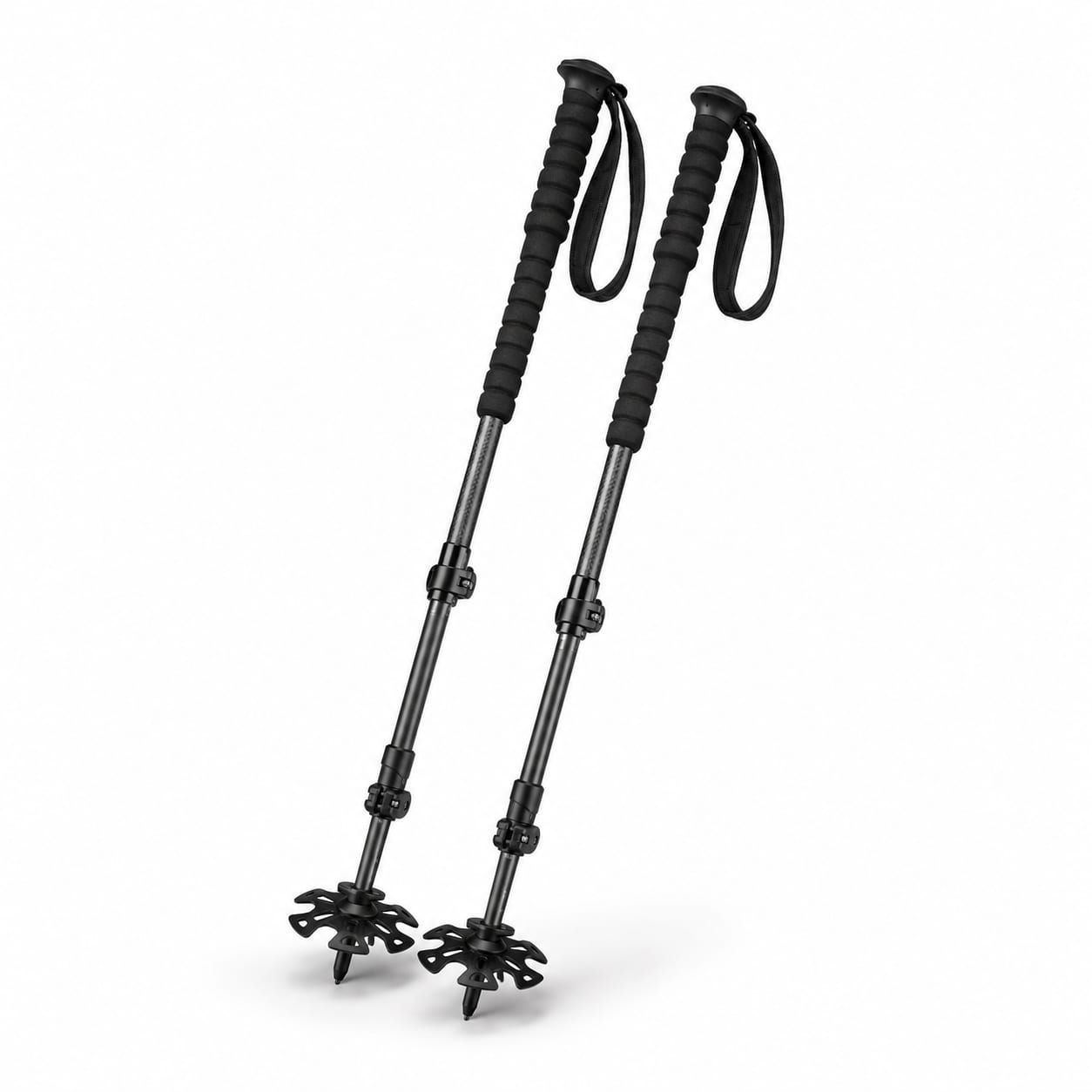
6 topics
Pick a question
Every answer links to the full subcategory guide and related gear types when it helps you decide.
Do I really need adjustable poles for backcountry skiing, or can I just use my resort poles?
Adjustable poles are strongly recommended for backcountry skiing. On the ascent, you need longer poles for efficient striding on skin tracks—typically 5-10 cm longer than your resort length. On the descent, you want your standard length or slightly shorter for maneuverability in variable terrain. Using fixed resort poles means compromising on one or both. Additionally, touring poles feature powder baskets, lighter weight, and often extended grips that resort poles lack. If you tour more than occasionally, proper touring poles are a worthwhile investment.
Read answer →02Should I choose telescopic or folding poles for ski touring?
It depends on your touring style. Telescopic poles offer infinite adjustment within their range and generally feel stiffer and more reliable on the descent—ideal for skiers who spend significant time skiing downhill in the backcountry. Folding poles pack down much smaller (35-45 cm vs. 55-70 cm), making them better for ski mountaineering where you frequently stow poles on your pack for technical climbing. If you primarily do up-and-down day tours without technical climbing, telescopic poles are usually the better choice. If you do technical mountaineering or want poles that fit inside your pack, go with folding.
Read answer →03Are carbon fiber touring poles worth the extra cost, or should I save money with aluminum?
Carbon fiber is worth it if you tour frequently or tackle long ascents. The weight savings of 50-100 g per pair compared to aluminum translates to noticeably less fatigue over thousands of pole plants on a big day. Carbon also provides better vibration dampening for comfort on the descent. However, carbon poles can snap under sharp impacts (like hitting a rock), while aluminum bends. If you ski rocky, variable terrain or are hard on equipment, aluminum-carbon hybrid poles offer a good compromise—durable aluminum near the grip where impacts occur and lightweight carbon in the lower sections where swing weight matters.
Read answer →04How do I properly adjust my pole length for uphill versus downhill touring?
For uphill skinning, extend your poles 5-10 cm longer than your standard resort length. This longer length enables a more efficient stride and reduces the need to reach, saving energy on long ascents. For downhill skiing, shorten poles to your standard resort length or 2-3 cm shorter for better maneuverability in tight terrain. On steep sidehill traverses, instead of adjusting length, use the extended grip section (if available) to choke down on the uphill pole. Always ensure locking mechanisms are fully engaged before weighting the poles—check both clamps before each run.
Read answer →05What should I do if my adjustable pole slips or collapses under load?
First, check that the clamp is fully tightened—external clamps sometimes need periodic tension adjustment via the small screw on the lever. Clean the shaft section where the clamp grips, as dirt, ice, or wear can reduce friction. If the pole continues to slip, the clamp may need replacement or the shaft may be worn. In the field, you can sometimes create a temporary fix by wrapping tape around the inner shaft to increase its diameter at the clamp point. To prevent slipping, always clean and dry pole sections after tours and maintain clamp tension. If slipping persists, it is time to replace the pole—collapsing poles on steep terrain is dangerous.
Read answer →06Can I use my backcountry touring poles for resort skiing too?
Yes, touring poles work fine for resort skiing—just set them to your preferred downhill length and ski normally. They may feel slightly heavier and less stiff than dedicated fixed-length alpine poles, but the difference is minimal for most recreational skiing. The powder baskets will be slightly more cumbersome on groomed runs but not problematic. Many skiers use one pair of adjustable touring poles for everything, which is practical and economical. However, if you race or ski very aggressively at the resort, you may prefer the stiffer, lighter feel of dedicated fixed-length poles for resort days.
Read answer →