
For uphill skinning, extend your poles 5-10 cm longer than your standard resort length. This longer length enables a more efficient stride and reduces the need to reach, saving energy on long ascents. For downhill skiing, shorten poles to your standard resort length or 2-3 cm shorter for better maneuverability in tight terrain. On steep sidehill traverses, instead of adjusting length, use the extended grip section (if available) to choke down on the uphill pole. Always ensure locking mechanisms are fully engaged before weighting the poles—check both clamps before each run.
Ski Poles · Backcountry/Touring Poles
How do I properly adjust my pole length for uphill versus downhill touring?
Related gear types
If this answer nudged you toward a different style, these guides compare specs and trade-offs.
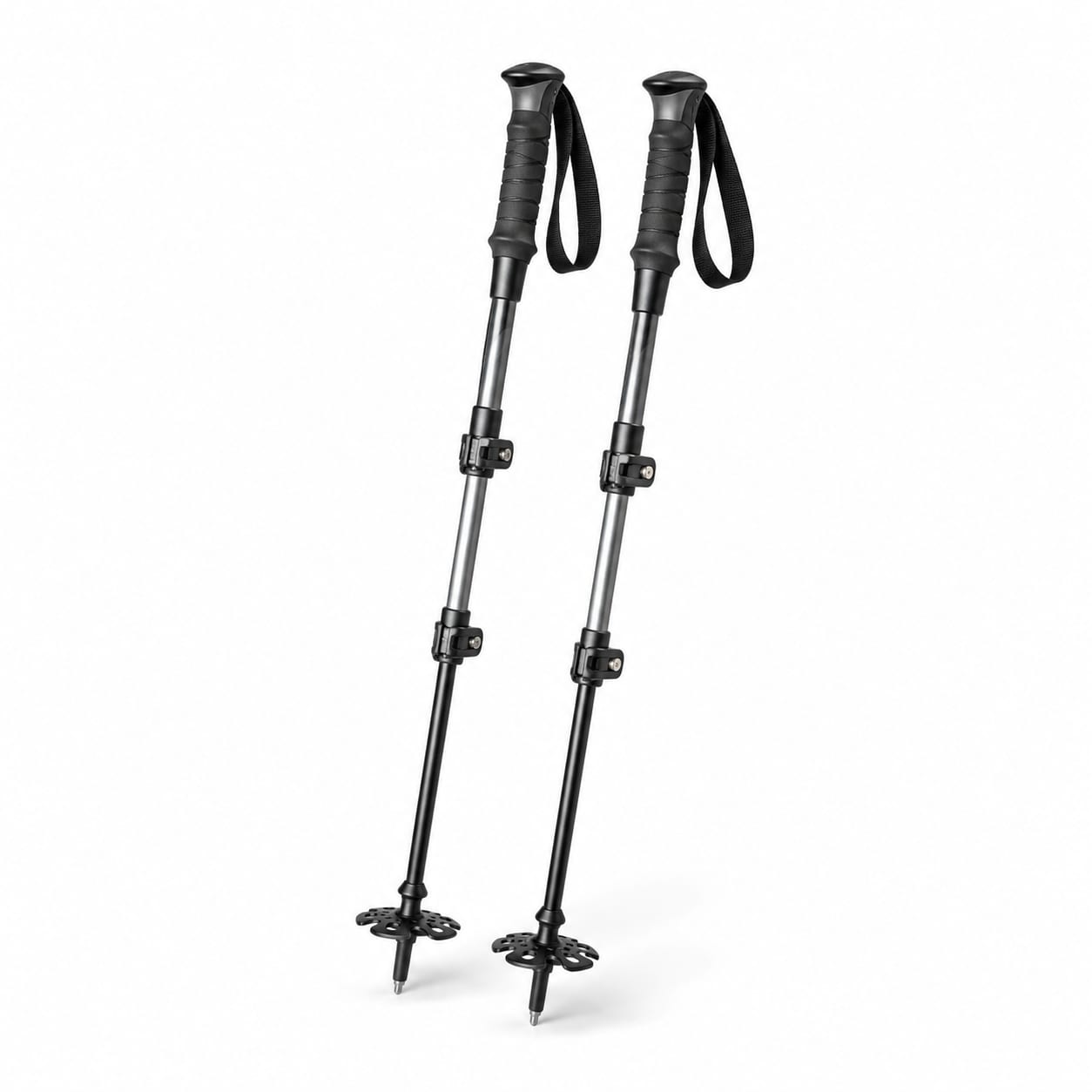
Adjustable/Telescoping Ski Poles
$40 – $220
Multi-length poles with telescoping sections for versatile use across varying terrain and conditions.
Telescoping sectionsQuick-adjust clampsVariable length range
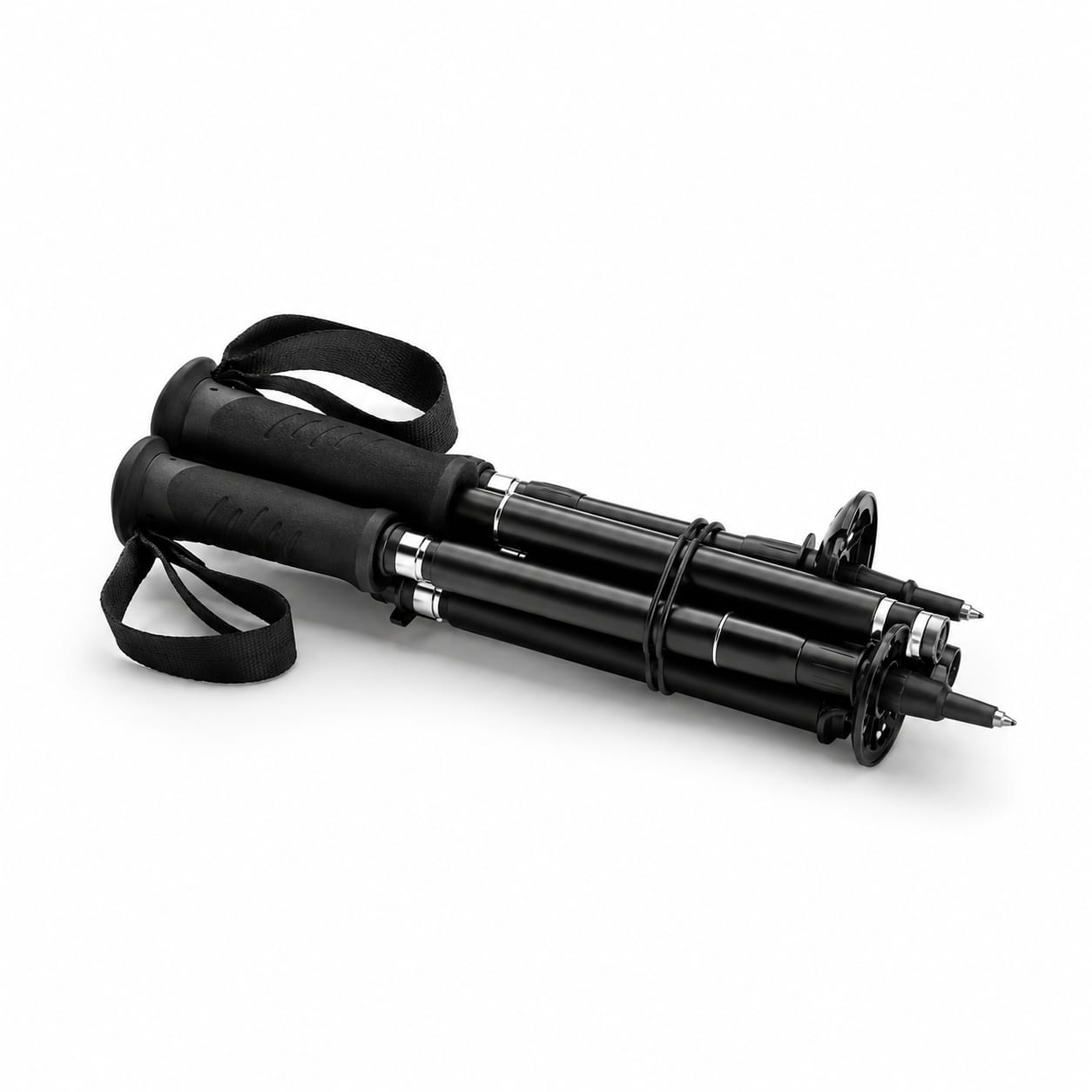
Folding Ski Poles
$80 – $300
Compact poles that fold into short sections for easy packing in ski mountaineering and travel.
Folding sections (3-5 pieces)Internal cord systemUltra-compact packed size
More questions
- Do I really need adjustable poles for backcountry skiing, or can I just use my resort poles?
- Should I choose telescopic or folding poles for ski touring?
- Are carbon fiber touring poles worth the extra cost, or should I save money with aluminum?
- What should I do if my adjustable pole slips or collapses under load?