
Carbon fiber is worth it if you tour frequently or tackle long ascents. The weight savings of 50-100 g per pair compared to aluminum translates to noticeably less fatigue over thousands of pole plants on a big day. Carbon also provides better vibration dampening for comfort on the descent. However, carbon poles can snap under sharp impacts (like hitting a rock), while aluminum bends. If you ski rocky, variable terrain or are hard on equipment, aluminum-carbon hybrid poles offer a good compromise—durable aluminum near the grip where impacts occur and lightweight carbon in the lower sections where swing weight matters.
Ski Poles · Backcountry/Touring Poles
Are carbon fiber touring poles worth the extra cost, or should I save money with aluminum?
Related gear types
If this answer nudged you toward a different style, these guides compare specs and trade-offs.
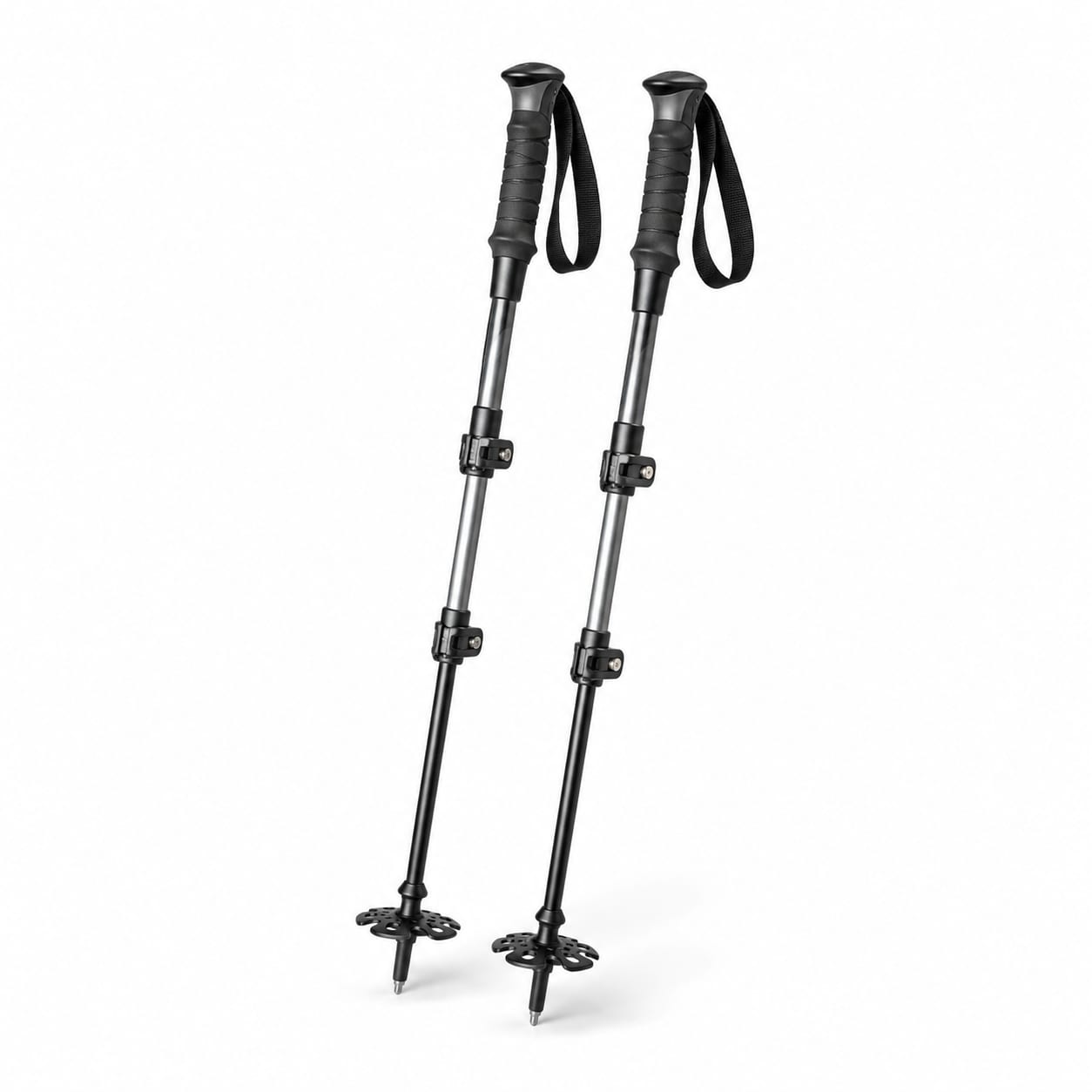
Adjustable/Telescoping Ski Poles
$40 – $220
Multi-length poles with telescoping sections for versatile use across varying terrain and conditions.
Telescoping sectionsQuick-adjust clampsVariable length range
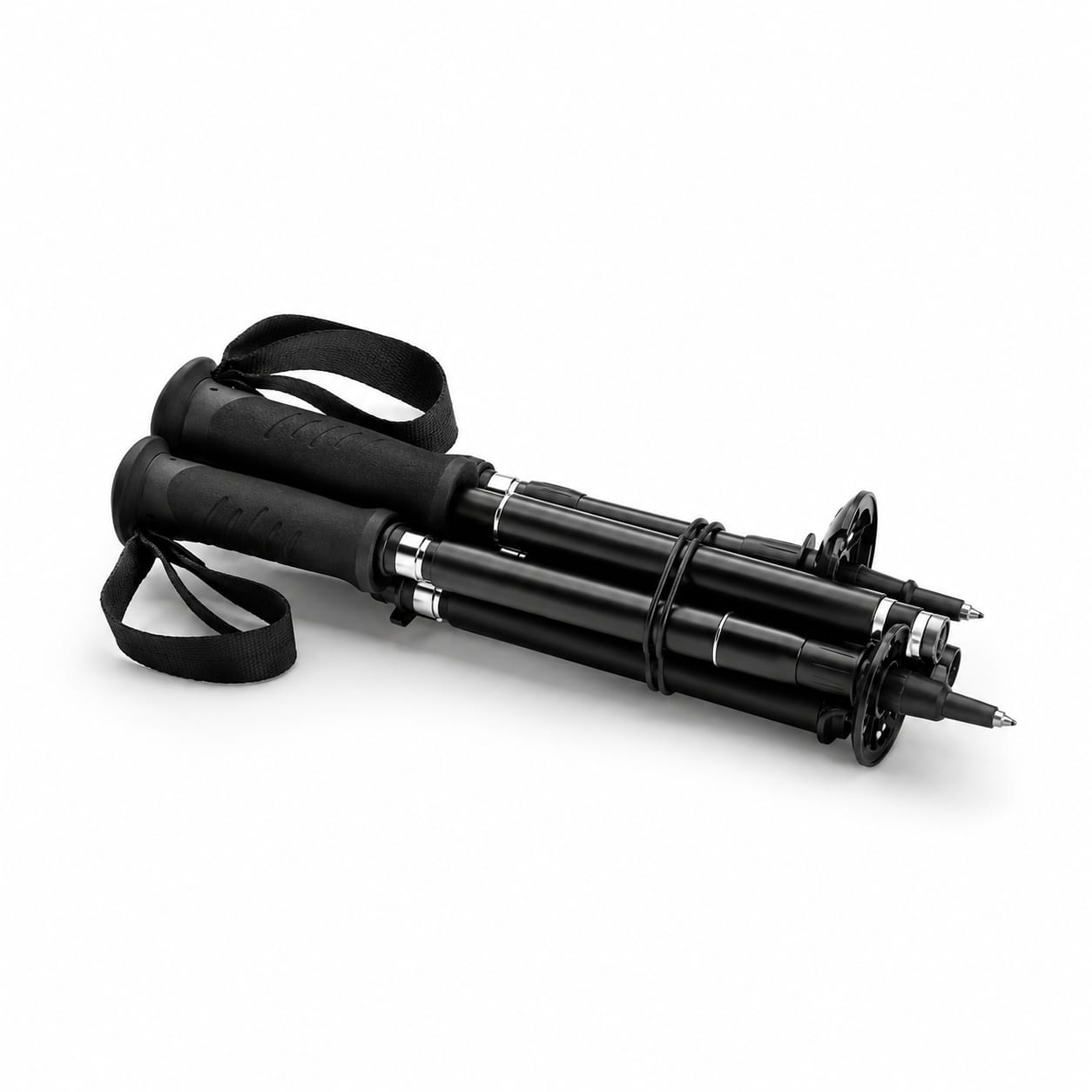
Folding Ski Poles
$80 – $300
Compact poles that fold into short sections for easy packing in ski mountaineering and travel.
Folding sections (3-5 pieces)Internal cord systemUltra-compact packed size
More questions
- Do I really need adjustable poles for backcountry skiing, or can I just use my resort poles?
- Should I choose telescopic or folding poles for ski touring?
- How do I properly adjust my pole length for uphill versus downhill touring?
- What should I do if my adjustable pole slips or collapses under load?