
Ski Underwear · FAQ
Questions about Lightweight Base Layers
Straight answers on fit, specs, and when this type makes sense — each topic has its own page with links back to the buying guide.
Open Lightweight Base Layers guide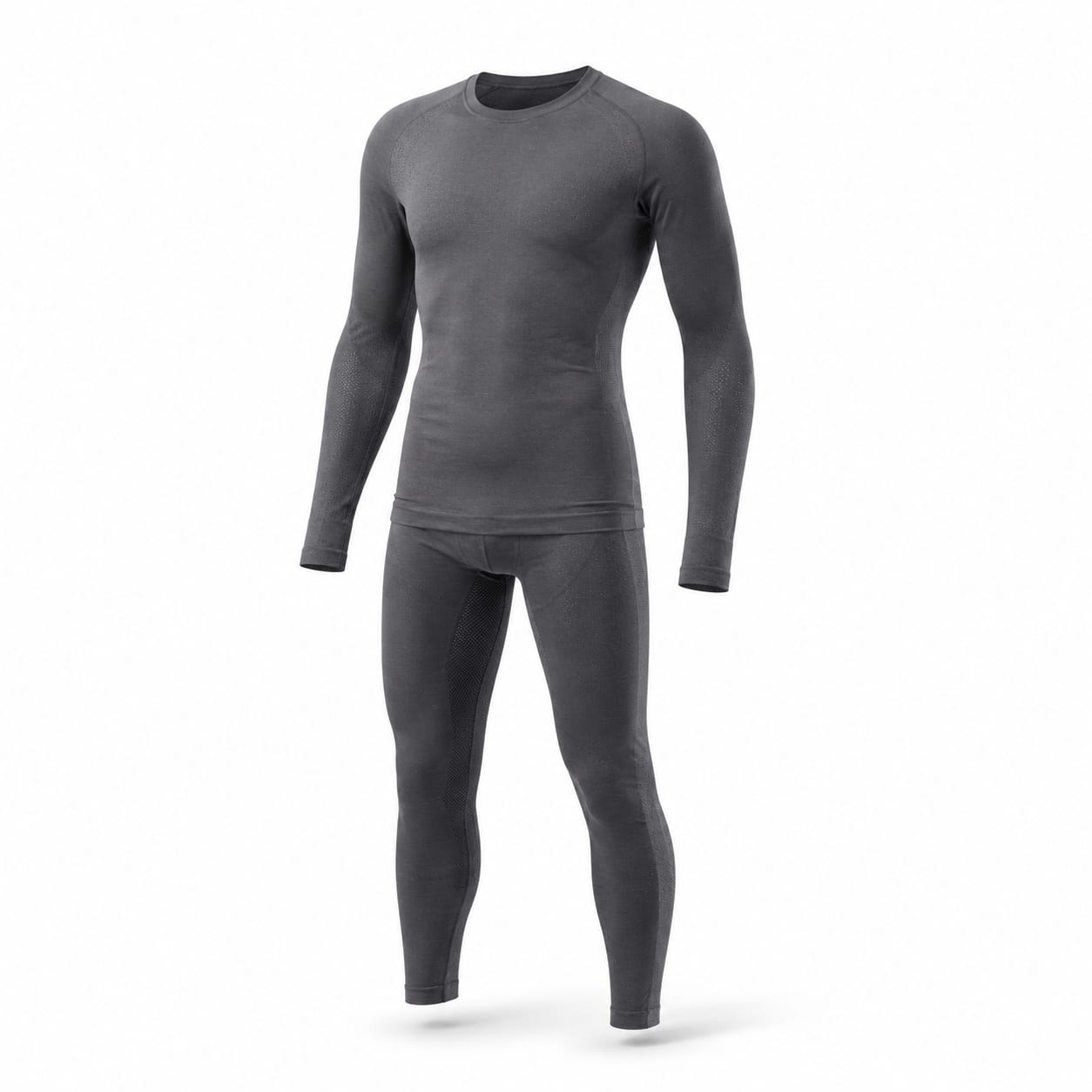
6 topics
Pick a question
Every answer links to the full subcategory guide and related gear types when it helps you decide.
Is a lightweight base layer warm enough for skiing?
Yes, for most skiing conditions and most skiers. Lightweight base layers (130–180 g/m²) provide enough insulation for typical winter temperatures from 15–35°F (-9–2°C) when paired with an appropriate mid-layer and jacket. They are designed primarily for moisture management, with warmth coming from your mid-layer. If you consistently ski in temperatures below 15°F or run very cold, consider a midweight base layer instead.
Read answer →02Should I choose merino wool or synthetic for a lightweight base layer?
It depends on your priorities. Merino wool offers natural odor resistance (wearable for 5+ days between washes), feels comfortable against the skin even when slightly damp, and provides better warmth-to-weight ratio. Synthetics dry faster, are more durable, cost less, and wick moisture slightly more efficiently. If you take multi-day trips or are sensitive to odor, choose merino. If you prioritize durability, budget, or maximum drying speed, choose synthetic. Wool-synthetic blends offer a practical middle ground.
Read answer →03How should a lightweight base layer fit?
A lightweight base layer should fit snugly against the skin like a second skin, with no air gaps or loose areas. This close contact is essential for efficient moisture wicking. If between sizes, size down rather than up. The garment should not restrict breathing or movement, but it should not have any excess fabric that could create air pockets. Look for slim or form-fitting cuts, and ensure the sleeves and legs are long enough to overlap with your mid-layer and socks.
Read answer →04Can I wear a lightweight base layer for backcountry touring?
Lightweight base layers are actually the preferred choice for backcountry touring because the high-output skin track generates significant body heat and sweat. The superior breathability and fast drying of lightweight options prevent the moisture accumulation that heavier base layers cause during climbing. Many tourers use a lightweight base layer on the ascent and add a mid-layer for the descent. A half-zip top is especially useful for touring because you can open it on the climb and close it for the descent.
Read answer →05Do I need thumbholes on my base layer top?
Thumbholes are a nice-to-have feature, not a necessity. They prevent sleeves from riding up when you pull on your jacket, which is convenient, and they add a small amount of wrist warmth for under-glove layering. If you have cold hands or find sleeve ride-up annoying, thumbholes are worth having. If those issues do not bother you, they are not essential. Some models feature hidden thumbholes that are unobtrusive when not in use.
Read answer →06Should I get 3/4 length or full-length bottoms?
3/4 length bottoms are increasingly recommended because they eliminate fabric bunching inside ski boots, which can cause pressure points, restrict circulation, and lead to cold feet. Your ski socks cover the gap between the 3/4 hem and the boot. Full-length bottoms with stirrups work fine if you have no boot fit issues and prefer maximum leg coverage. If you have any history of boot discomfort or cold feet, try 3/4 length.
Read answer →