Material Type
Material Type
What it means
The primary fabric composition of the base layer, which determines moisture management, odor resistance, warmth, durability, and care requirements.
Typical for this type
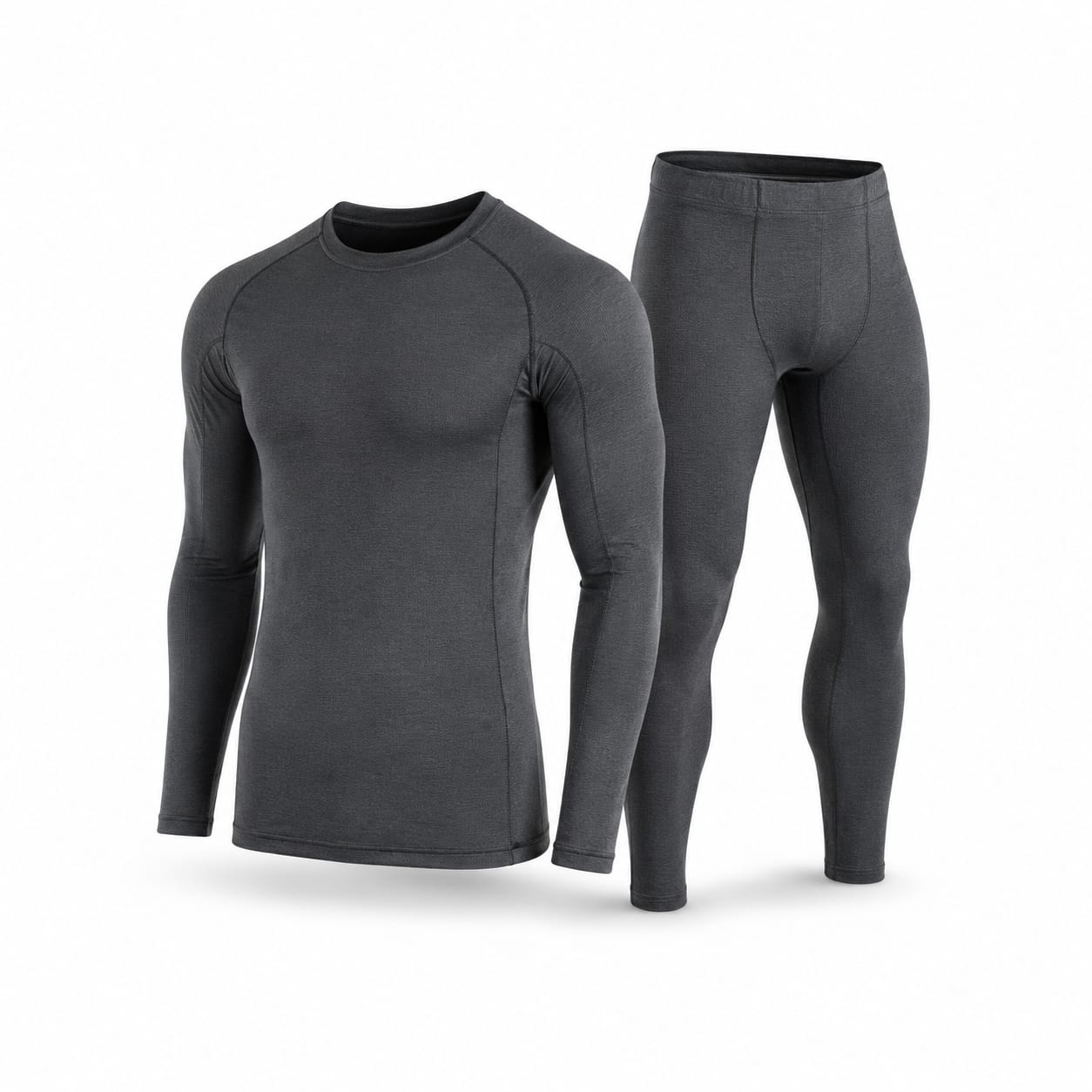
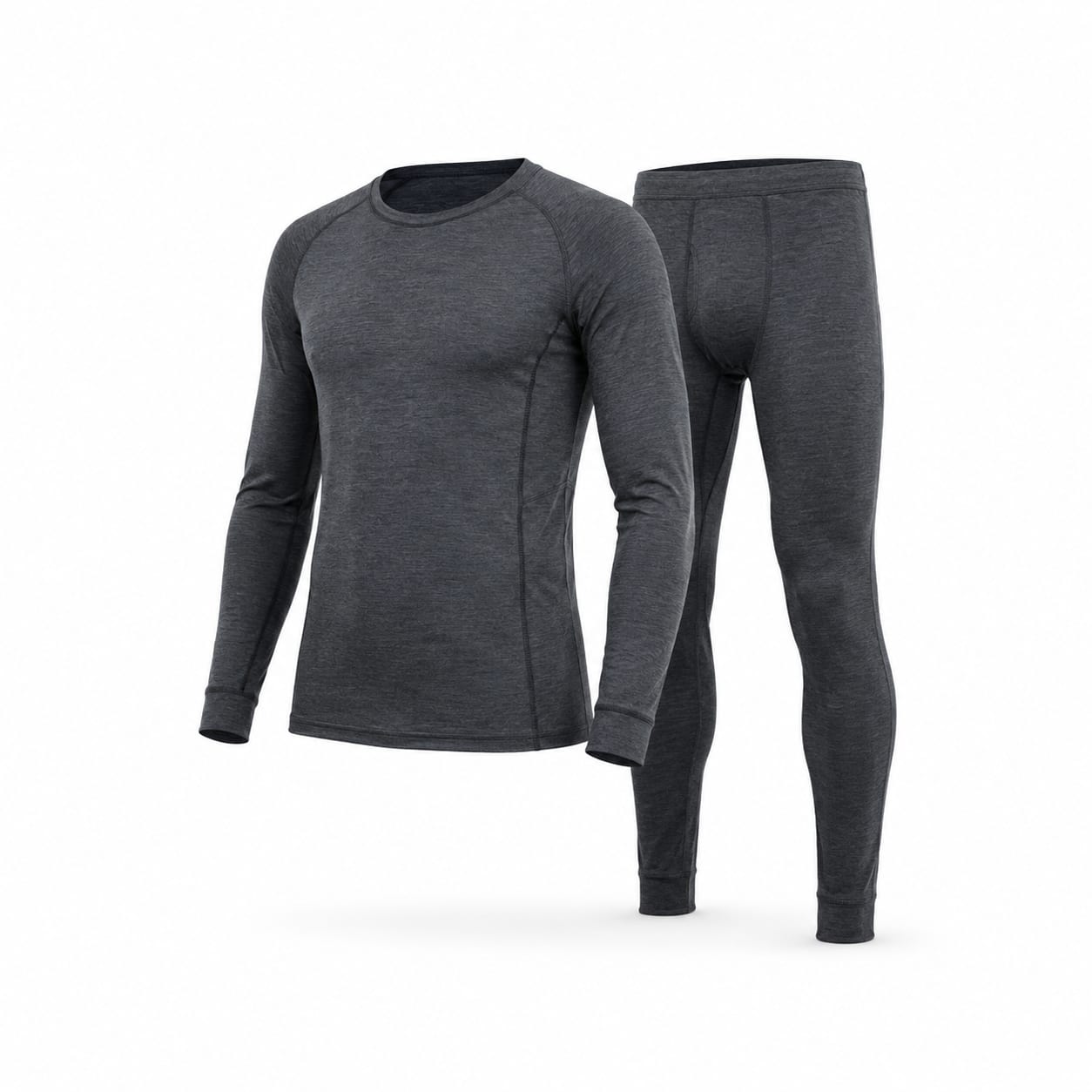
Merino Wool For Multi-Day Trips And Odor Sensitivity; Synthetic Polyester For High-Output Touring And Budget; Wool Blend For All-Around Use
Most common pick: Merino Wool Or Synthetic Polyester
In practice
Lightweight base layers are most commonly found in merino wool, synthetic polyester, or wool-synthetic blends. Merino dominates this category due to its comfort across a wide temperature range and natural odor resistance. Synthetics are popular for their faster drying and lower cost.
Compared to other types
Lightweight base layers favor merino wool more heavily than midweight or heavyweight options because the thin fabric amplifies merino's breathability advantage. Heavier categories more commonly use synthetics or blends where durability under tension matters more.
Why it matters: Material determines odor resistance, drying speed, durability, and next-to-skin comfort. In the lightweight category where insulation is minimal, material choice has an outsized impact on the overall experience because moisture management and feel become the primary differentiators.
What it means
The fabric weight category, which correlates with warmth, bulk, and intended temperature range. Measured in grams per square meter (g/m²) of fabric.
Typical for this type
130–150 g/m² for warm days and high-output use; 160–180 g/m² for typical winter skiing
Most common pick: lightweight (130–180 g/m²)
In practice
This is the defining dimension of the lightweight subcategory. Fabric weights between 130 and 180 g/m² provide light insulation with excellent breathability and moisture transport. The lower end of this range approaches ultralight territory for spring skiing, while the upper end offers noticeable warmth for typical winter days.
Compared to other types
Midweight base layers (180–260 g/m²) provide significantly more warmth but at the cost of breathability and drying speed. Ultralight options (<130 g/m²) breathe even better but offer negligible insulation. Lightweight hits the versatile middle ground that works for most skiers on most days.
Why it matters: Weight class directly determines the warmth-to-breathability ratio. In the lightweight range, you get maximum moisture management with enough insulation for comfort in moderate cold, making this the most versatile category for active skiing.
What it means
How closely the garment conforms to the body, affecting moisture wicking efficiency, layering compatibility, and freedom of movement.
Typical for this type
Slim For Most Skiers; Compression For Racing Or Performance Focus
In practice
Slim or form-fitting is the standard for lightweight base layers because efficient moisture wicking requires fabric-to-skin contact. The thin fabric of lightweight options makes a close fit especially important, as any air gaps undermine the wicking function that is the primary purpose of this category.
Compared to other types
Lightweight base layers are almost always slim or compression fit, whereas midweight and heavyweight options sometimes offer regular fits because their thicker fabric provides some insulation even with air gaps. The thinner the fabric, the more critical the fit becomes.
Why it matters: A proper slim fit ensures the fabric can pull moisture away from your skin efficiently. Loose-fitting lightweight base layers fail at their core function because the thin fabric cannot maintain enough contact with the skin surface to transport sweat effectively.
What it means
The neckline and design of the upper-body base layer, affecting ventilation, layering, and comfort.
Typical for this type
Half-Zip Mock Neck For Maximum Versatility; Crew Neck For Simplicity And Budget
Most common pick: Crew Neck Or Zip Neck Half
In practice
Crew necks and half-zip mock necks are the most common top styles for lightweight base layers. The half-zip is particularly popular in this category because lightweight base layers are often worn in variable conditions where adjustable ventilation is valuable. Crew necks are simpler and slightly cheaper.
Compared to other types
Lightweight base layers more commonly feature half-zip and quarter-zip options than heavier categories because their users tend to be more active and value ventilation. Heavyweight base layers favor crew necks or hooded styles where sealing in warmth takes priority over venting.
Why it matters: Neckline affects both temperature regulation and layering comfort. A half-zip lets you dump heat quickly during high-output moments without removing layers, which is especially useful with lightweight base layers that are often worn during active skiing and touring.
What it means
The length and design of the lower-body base layer, affecting coverage, layering, and boot compatibility.
Typical for this type
3/4 length for optimal boot fit; full length with stirrups for maximum warmth
Most common pick: Three Quarter Or Full Length
In practice
Both 3/4 and full-length bottoms are common in the lightweight category. 3/4 length is increasingly popular because it eliminates fabric bunching inside ski boots, which improves comfort and circulation. Full length with stirrups provides complete leg coverage and is the traditional choice.
Compared to other types
Lightweight base layers are available in both 3/4 and full-length options, while midweight and heavyweight categories lean more toward full length because the added warmth is a primary reason for choosing those weights. The 3/4 length is particularly popular in the lightweight category among performance-oriented skiers.
Why it matters: Bottom length affects both comfort inside ski boots and overall leg warmth. Bunched fabric inside a boot can create pressure points and restrict circulation, leading to cold feet. The 3/4 length solves this by ending above the boot line, with ski socks covering the gap.
Moisture Wicking
Moisture Wicking
What it means
The garment's ability to pull perspiration away from the skin and spread it across the fabric surface for evaporation. Critical for staying dry and warm during active skiing.
Typical for this type
Excellent For Active Skiing And Touring; Good Is Acceptable For Casual Resort Days
In practice
Lightweight base layers should offer excellent moisture wicking because this is their primary function. The thin fabric and close fit are designed specifically to pull sweat away from the skin and spread it for rapid evaporation. Synthetic polyester options generally wick fastest, while merino absorbs more moisture but feels less clammy against the skin.
Compared to other types
Lightweight base layers generally offer the best moisture wicking of any weight class because their thin fabric and tight knit are optimized for moisture transport rather than insulation. Midweight and heavyweight options sacrifice some wicking speed for warmth.
Why it matters: Moisture wicking is the single most important performance attribute of any base layer, and it is especially critical in the lightweight category where insulation is minimal. If a lightweight base layer cannot keep you dry, it provides almost no benefit over wearing nothing.
Odor Resistance
Odor Resistance
What it means
The garment's ability to resist bacterial growth and associated odors over multiple wears. Affects how many days you can wear the base layer between washes on multi-day trips.
Typical for this type
Excellent (Merino Wool) For Multi-Day Trips; Good (Wool Blend) For Weekend Trips; Moderate (Synthetic) For Day Trips Only
Most common pick: Good to Excellent (Varies By Material)
In practice
Odor resistance in lightweight base layers depends heavily on material choice. Merino wool options provide excellent odor resistance good for 5+ days of wear, wool blends offer good resistance for 3–4 days, and untreated synthetics may develop odor within a single day of active use. Silver-ion treatments on synthetics improve this but diminish with washing.
Compared to other types
Odor resistance is consistent across weight classes for the same material, but lightweight merino base layers are often chosen specifically for multi-day trips because their low bulk makes them easy to pack as backups. Heavier base layers take up more luggage space, making odor resistance even more important per garment.
Why it matters: Odor resistance determines how many days you can wear a base layer between washes, which matters for multi-day ski trips, hut trips, and travel. Lightweight merino base layers are popular for travel because you can pack fewer of them.
Seam Construction
Seam Construction
What it means
The type and placement of seams, which affect chafing potential, durability, and comfort under layers and gear.
Typical for this type
Flatlock Minimum; Seamless Or Bonded For Premium Comfort
In practice
Flatlock seams are the standard for lightweight base layers, providing a low-profile seam that layers well under mid-layers and reduces chafing. Seamless and bonded constructions are available in premium options and offer the smoothest feel against the skin, which is noticeable with thin lightweight fabrics.
Compared to other types
Lightweight base layers benefit more from seamless or bonded construction than heavier options because the thin fabric makes seam bulk more noticeable. Midweight and heavyweight base layers have enough fabric thickness that flatlock seams are less likely to cause discomfort.
Why it matters: With thin lightweight fabric, seam construction is more noticeable than with thicker base layers. Bulky seams can create pressure points under pack straps, harnesses, or tight-fitting outerwear. Flatlock is the minimum acceptable standard; seamless or bonded is a worthwhile upgrade for sensitive skin.
What it means
The garment's ability to stretch and recover, affecting freedom of movement and long-term fit retention.
Typical for this type
4-way stretch ideal; 2-way stretch acceptable for casual skiing
Most common pick: Four Way
In practice
Modern lightweight base layers increasingly feature 4-way stretch, usually from 2–5% elastane or spandex blended into the fabric. This is especially common in synthetic and wool-blend options. Pure merino wool without stretch tends to bag out over a day of skiing, which is why most quality merino base layers now include some elastane.
Compared to other types
Lightweight base layers benefit significantly from stretch because their thin fabric is more prone to bagging without recovery. Midweight and heavyweight options have more fabric structure that resists deformation, making stretch less critical though still desirable.
Why it matters: Stretch affects both freedom of movement and long-term fit retention. A lightweight base layer that bags out by midday loses skin contact and wicking efficiency. Even a small percentage of elastane prevents this and allows the garment to recover its shape between wears.
What it means
The intended gender fit of the garment, which affects cut, proportions, and anatomical features.
Typical for this type
Choose Gender-Specific For Optimal Fit; Unisex Only As A Last Resort
Most common pick: Mens And Womens Specific Cuts Widely Available
In practice
Lightweight base layers are available in men's and women's specific cuts from all major brands. Women's cuts feature narrower shoulders, shorter torso, wider hips, and contoured waist. Men's cuts have broader shoulders, longer torso, and a front fly on bottoms. Gender-specific fit matters more with lightweight base layers because the close fit required for wicking amplifies any proportional mismatch.
Compared to other types
Gender-specific fit is important across all weight classes but is especially critical for lightweight base layers where the slim fit leaves no room for proportional mismatch. Heavier base layers with more fabric can accommodate fit discrepancies more easily.
Why it matters: A lightweight base layer that does not fit your body proportions will have air gaps that reduce wicking efficiency or tight zones that restrict movement. Women wearing men's or unisex cuts often experience sagging at the waist and tightness at the shoulders, both of which undermine performance.
Warmth Rating
Warmth Rating
What it means
The perceived warmth level of the garment, combining material, weight, and construction into a single comparative metric.
Typical for this type
Light Warmth For Active Skiing And Warm Days; Moderate Warmth For Typical Winter Resort Days
Most common pick: Light to Moderate
In practice
Lightweight base layers provide light to moderate warmth, depending on where they fall within the 130–180 g/m² range. The lower end offers primarily moisture management with minimal insulation, while the upper end provides noticeable warmth suitable for typical winter skiing when paired with a mid-layer.
Compared to other types
Lightweight base layers offer less warmth than midweight (moderate to high) or heavyweight (high to extreme) options but provide better breathability and moisture management. The trade-off favors lightweight for active skiing and moderate conditions, while heavier options suit cold conditions and sedentary activities.
Why it matters: Warmth rating must be matched to your typical conditions, activity level, and personal thermostat. A lightweight base layer with light warmth will not keep you warm alone in cold conditions, but it will not cause you to overheat during aggressive skiing. This balance is why lightweight is the most versatile category.
What it means
Whether the top includes thumbholes at the cuff to keep sleeves in place and provide hand coverage during layering.
Typical for this type
Yes For Cold-Handed Riders And Under-Glove Layering; No Is Fine For Most Skiers
Most common pick: Varies By Model; Increasingly Common
In practice
Thumbholes are a popular feature on lightweight base layer tops, especially in women's models and premium options. They keep sleeves anchored when pulling on jackets and extend coverage to the hands, which is useful for under-glove layering in cold weather. Some models feature hidden thumbholes that are unobtrusive when not in use.
Compared to other types
Thumbholes are equally available across weight classes but are perhaps most useful on lightweight base layers because the thin fabric is more prone to riding up during layering. Heavier base layers have more structure that resists sleeve movement.
Why it matters: Thumbholes prevent sleeve ride-up during layering, which is a real annoyance when putting on a tight-fitting mid-layer or jacket over your base layer. They also add wrist warmth, which matters for riders with cold hands. However, they are a convenience feature, not a performance necessity.
Gusseted Crotch
Gusseted Crotch
What it means
Whether the bottom base layer includes a diamond or triangular fabric panel at the crotch for enhanced mobility and reduced seam stress.
Typical for this type
Yes For Snowboarders And Aggressive Skiers; No Is Acceptable For Casual Resort Skiing
Most common pick: Varies; More Common In Performance-Oriented Models
In practice
A gusseted crotch is a diamond-shaped fabric panel that replaces the 4-seam intersection point, providing greater freedom of movement and reducing seam stress. It is more common in performance-oriented lightweight base layers and is especially valuable for snowboarders who spend time in deep bends and sitting positions.
Compared to other types
Gusseted crotches are equally valuable across weight classes but are more commonly found in lightweight performance models where freedom of movement is prioritized. Heavier base layers sometimes skip this feature because their target users prioritize warmth over mobility.
Why it matters: The gusseted crotch eliminates the most common point of seam failure and reduces chafing during deep bends. For snowboarders and aggressive skiers who frequently flex at the hip, this feature adds real comfort over a full day on the mountain.
What it means
The type of front opening on men's base layer bottoms, affecting convenience and comfort.
Typical for this type
Horizontal Fly For Lower Profile Under Layers; Vertical Fly For Familiarity; Personal Preference
Most common pick: Vertical Fly Or Horizontal Fly On Men'S Models
In practice
Men's lightweight base layer bottoms typically feature either a vertical or horizontal fly. The horizontal fly is increasingly common in performance models because it lies flatter under layers and creates less bulk at the front. Women's models generally have no fly. This is a minor convenience feature with no performance impact beyond layering smoothness.
Compared to other types
Fly type is consistent across weight classes and is purely a personal preference issue. Lightweight base layers may benefit slightly more from a horizontal fly because their thin fabric makes any bulk more noticeable under layers.
Why it matters: Fly type affects convenience and the smoothness of the front panel under layers. A horizontal fly creates a lower profile that layers more smoothly under tight-fitting ski pants, while a vertical fly is more familiar and intuitive to use.
Body-Mapped Construction
Body-Mapped Construction
What it means
Whether the garment uses strategically placed fabric zones with different weights, textures, or knit structures to optimize warmth and breathability where needed.
Typical for this type
Yes For Serious Skiers And Variable-Output Days; No Is Fine For Casual Resort Skiing
Most common pick: Varies; Increasingly Common In Premium Models
In practice
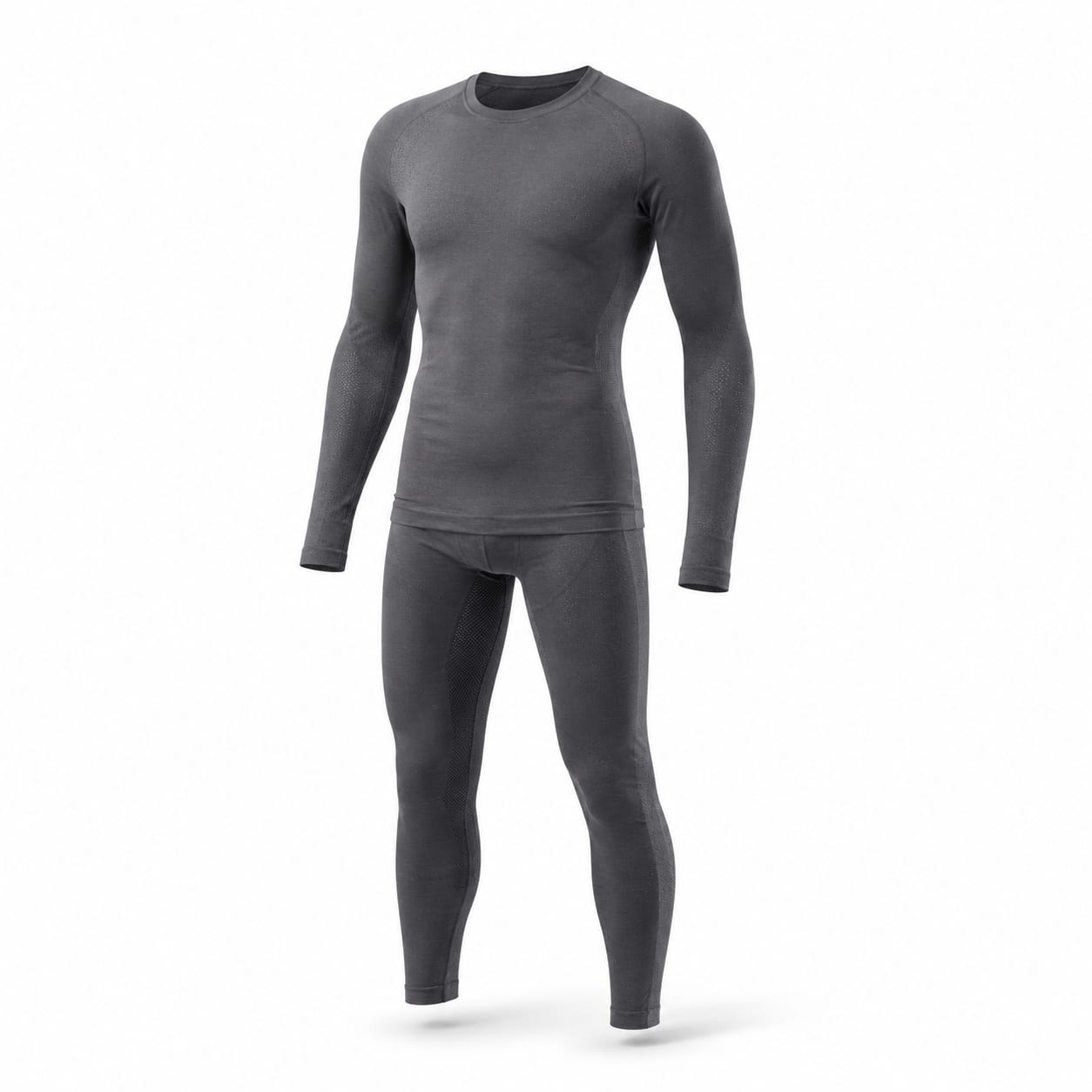
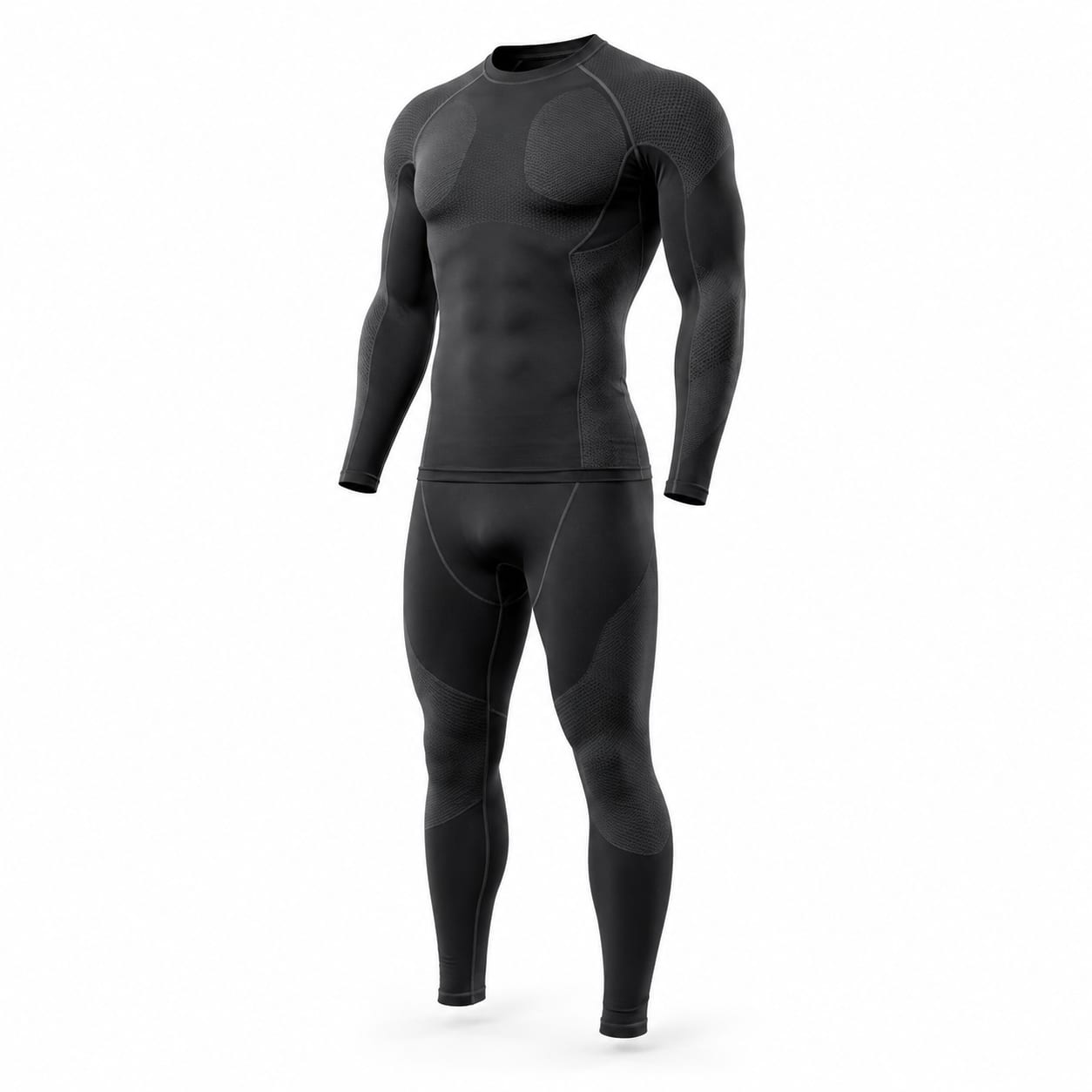
Body-mapped construction uses strategically placed fabric zones with different weights or knit structures to optimize warmth and breathability where needed. In lightweight base layers, this typically means mesh or thinner knit zones under the arms and across the upper back for ventilation, with slightly denser knit at the core and kidney areas for warmth.
Compared to other types
Body mapping provides the most benefit in lightweight base layers because the thin fabric makes every ventilation zone count. In heavier base layers, the overall fabric thickness provides enough insulation that zoned construction has less relative impact. Lightweight body-mapped garments from brands like Smartwool Intraknit and Craft Active Intensity are among the most technically advanced base layers available.
Why it matters: Body mapping is particularly effective in lightweight base layers because the thin fabric makes zoned ventilation more impactful. Underarm mesh zones can significantly improve breathability during high-output moments without sacrificing core warmth, which is exactly the balance that lightweight base layers are designed to achieve.
What it means
Ultraviolet Protection Factor rating indicating how effectively the fabric blocks UV radiation. Relevant for high-altitude spring skiing.
Typical for this type
UPF 30+ For High-Altitude Spring Skiing; Not Rated Is Fine For Mid-Winter
Most common pick: None Rated to Upf 30
In practice
Most lightweight base layers do not carry a specific UPF rating, though the fabric density typically provides some UV protection. Merino wool naturally offers better UV blocking than synthetics. UPF rating becomes relevant primarily during spring skiing at high altitude where UV radiation is intense and reflects off snow.
Compared to other types
UPF rating is equally relevant across weight classes but is more commonly specified on lightweight and ultralight base layers because these are the weights most likely to be worn during spring skiing conditions. Heavier base layers are typically used in deeper winter when UV exposure is less of a concern.
Why it matters: UV protection matters at altitude where radiation is stronger and reflects off snow. For mid-winter skiing when most skin is covered, UPF rating is a minor consideration. For spring skiing at high-altitude resorts, it becomes more relevant, especially for fair-skinned riders.
Waistband Type
Waistband Type
What it means
The style and construction of the waistband on bottom base layers, affecting comfort under layers and during movement.
Typical for this type
Wide Yoga-Style Band For Comfort Under Layers; Elastic For Simplicity; Drawcord For Adjustable Fit
Most common pick: Elastic Or Wide Yoga
In practice
Lightweight base layer bottoms feature various waistband types. Wide yoga-style bands are increasingly popular, especially in women's models, because they distribute pressure comfortably and lay flat under ski pants. Traditional elastic bands are secure and simple. Drawcord waistbands allow adjustable fit for riders between sizes.
Compared to other types
Waistband type is consistent across weight classes. Lightweight base layers may benefit slightly more from a low-profile waistband because their thinner fabric makes any bulk more noticeable under layers, but the difference is minimal.
Why it matters: The waistband sits under your ski pants waistband and possibly a belt, so comfort and low profile matter. A wide, flat waistband is less likely to dig in or create visible lines under fitted mid-layers. This is a comfort preference rather than a performance-critical feature.