
It depends on your priorities. Merino wool offers natural odor resistance (wearable for 5+ days between washes), feels comfortable against the skin even when slightly damp, and provides better warmth-to-weight ratio. Synthetics dry faster, are more durable, cost less, and wick moisture slightly more efficiently. If you take multi-day trips or are sensitive to odor, choose merino. If you prioritize durability, budget, or maximum drying speed, choose synthetic. Wool-synthetic blends offer a practical middle ground.
Ski Underwear · Lightweight Base Layers
Should I choose merino wool or synthetic for a lightweight base layer?
Related gear types
If this answer nudged you toward a different style, these guides compare specs and trade-offs.
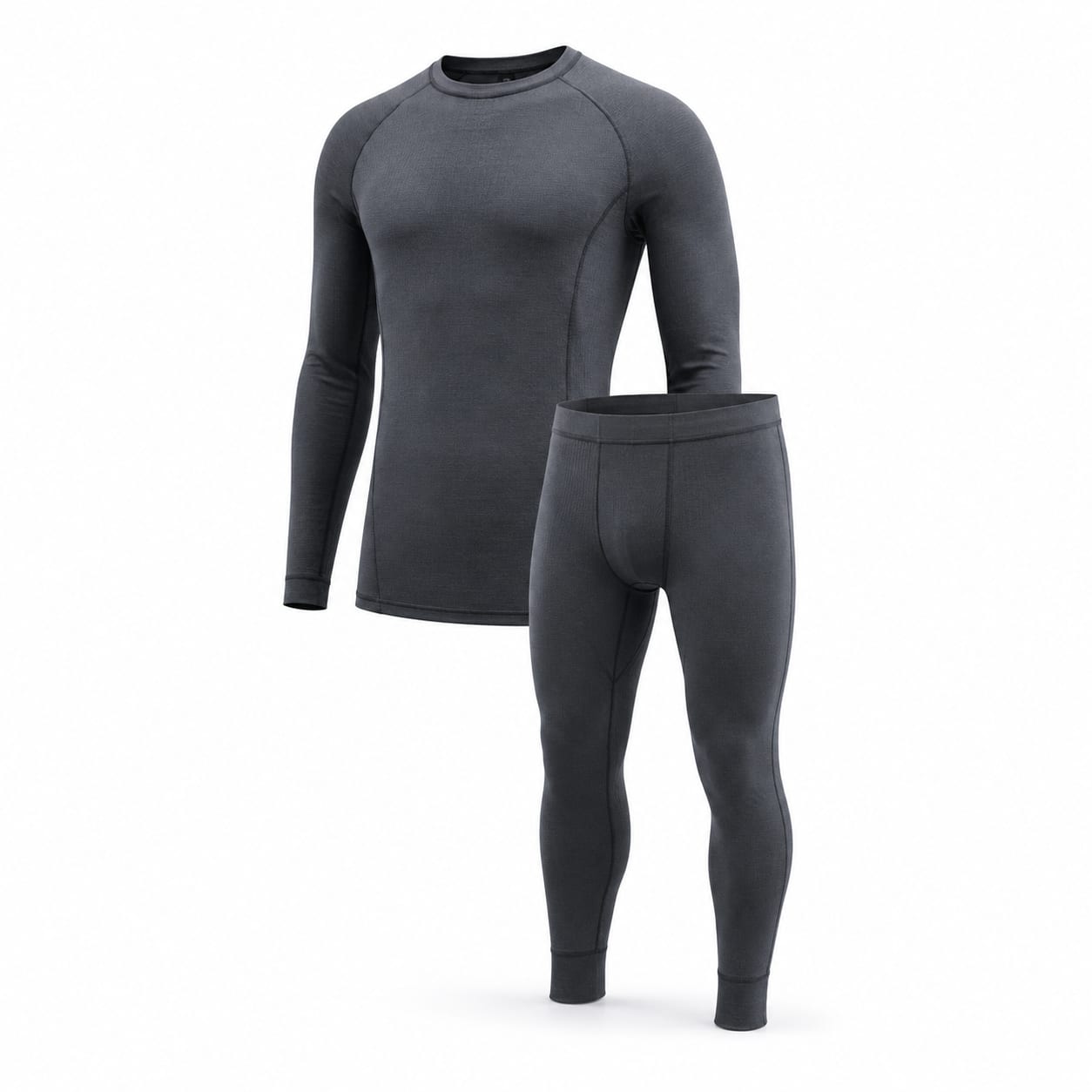
Midweight Base Layers
$35 – $130
Versatile, moderately insulated base layers that are the most popular choice for typical winter skiing conditions.
moderate insulationgood breathabilityeffective moisture wicking
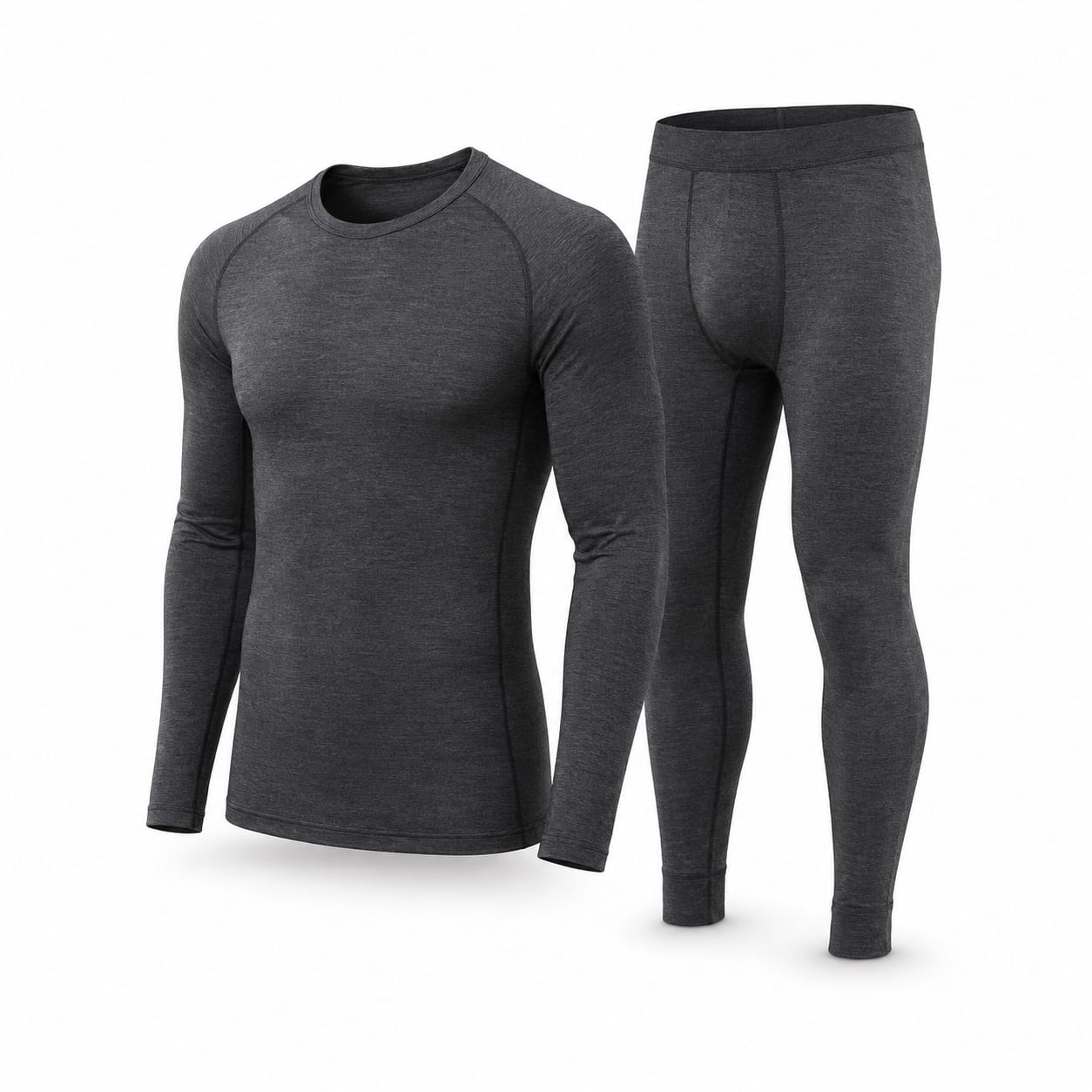
Merino Wool Base Layers
$50 – $200
Premium natural-fiber base layers prized for odor resistance, temperature regulation, and next-to-skin comfort.
natural odor resistanceexcellent thermoregulationsoft next-to-skin feel
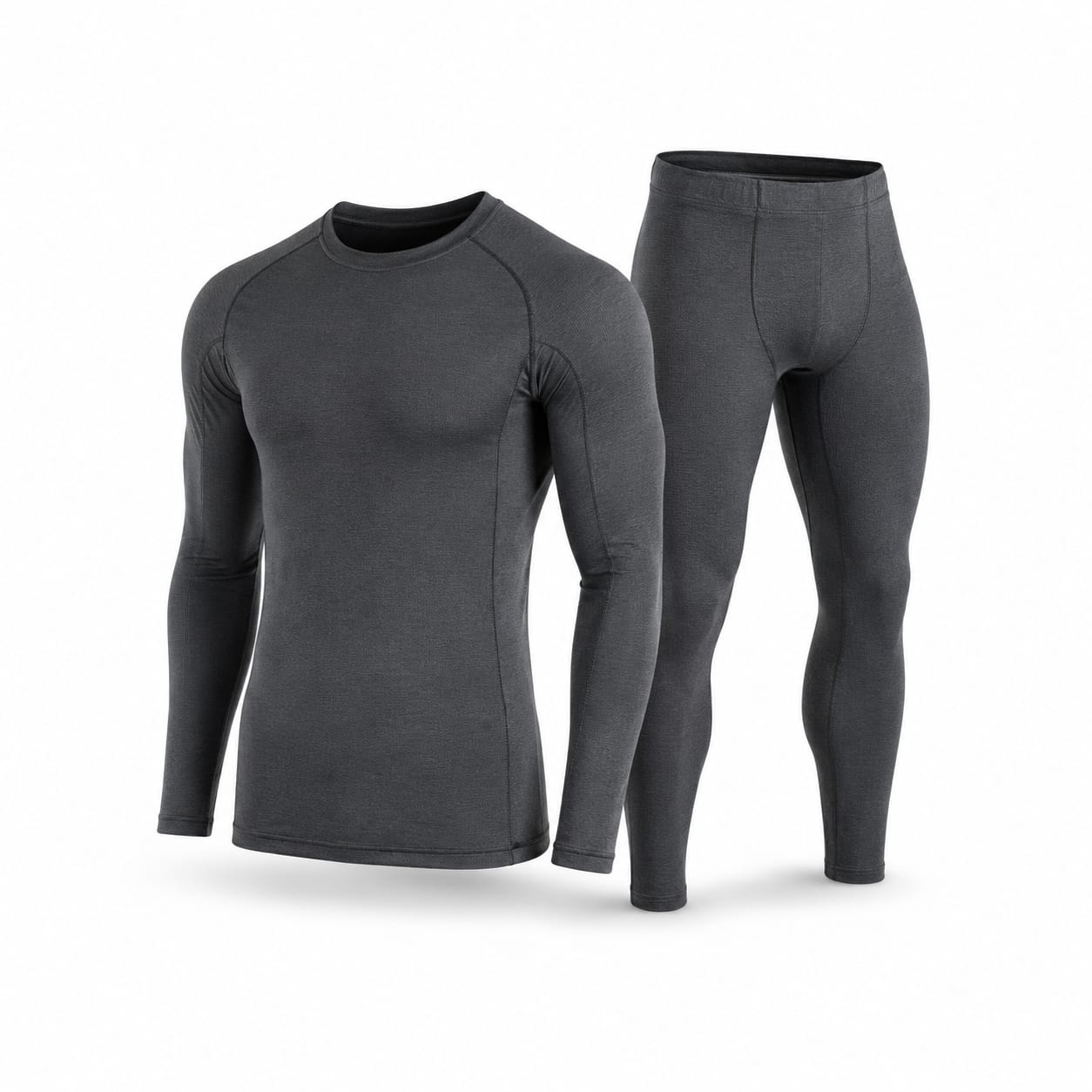
Synthetic Base Layers
$20 – $80
Budget-friendly, quick-drying base layers made from polyester or polypropylene for reliable moisture management.
rapid dryinghighly durableaffordable
More questions
- Is a lightweight base layer warm enough for skiing?
- How should a lightweight base layer fit?
- Can I wear a lightweight base layer for backcountry touring?
- Do I need thumbholes on my base layer top?