
A lightweight base layer should fit snugly against the skin like a second skin, with no air gaps or loose areas. This close contact is essential for efficient moisture wicking. If between sizes, size down rather than up. The garment should not restrict breathing or movement, but it should not have any excess fabric that could create air pockets. Look for slim or form-fitting cuts, and ensure the sleeves and legs are long enough to overlap with your mid-layer and socks.
Ski Underwear · Lightweight Base Layers
How should a lightweight base layer fit?
Related gear types
If this answer nudged you toward a different style, these guides compare specs and trade-offs.
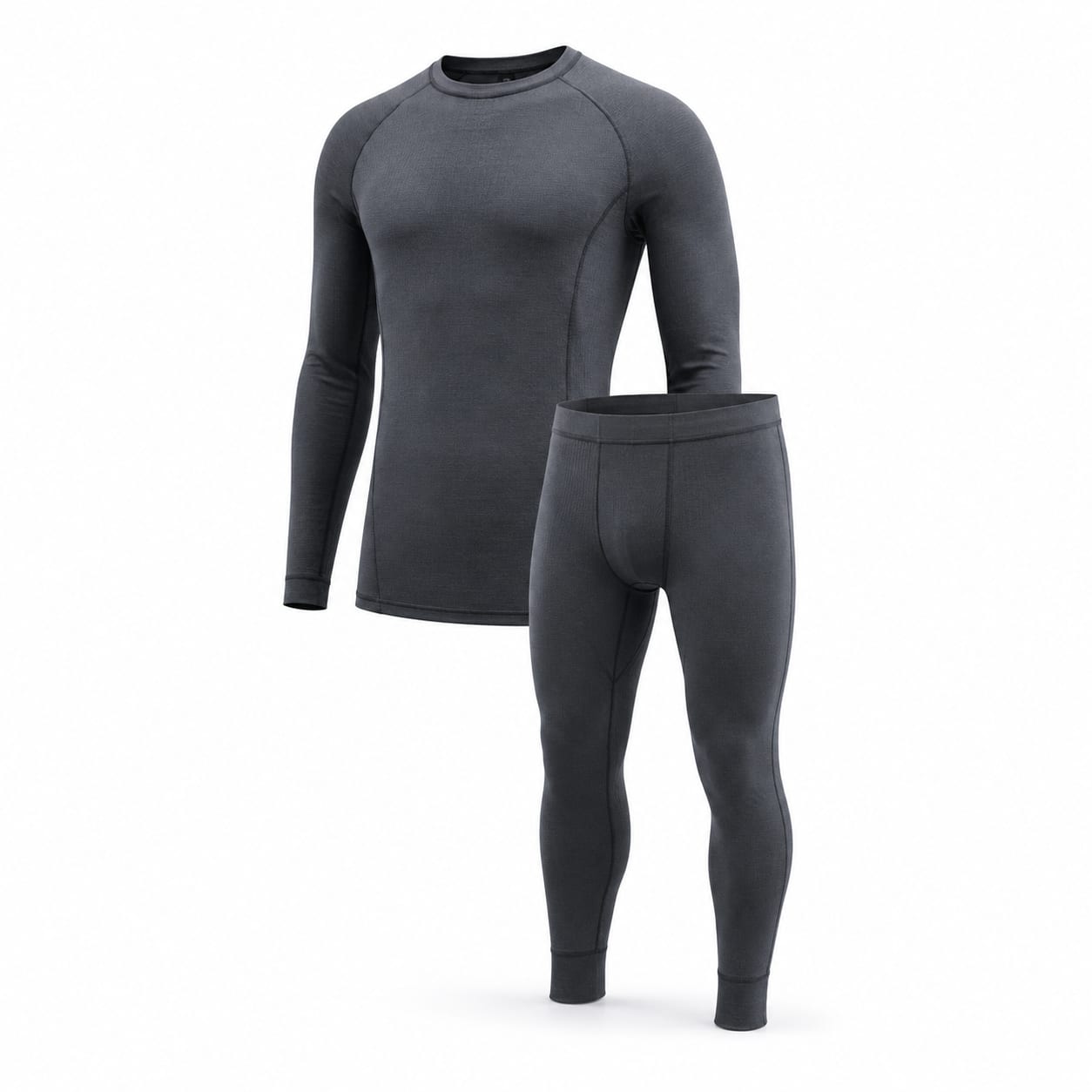
Midweight Base Layers
$35 – $130
Versatile, moderately insulated base layers that are the most popular choice for typical winter skiing conditions.
moderate insulationgood breathabilityeffective moisture wicking
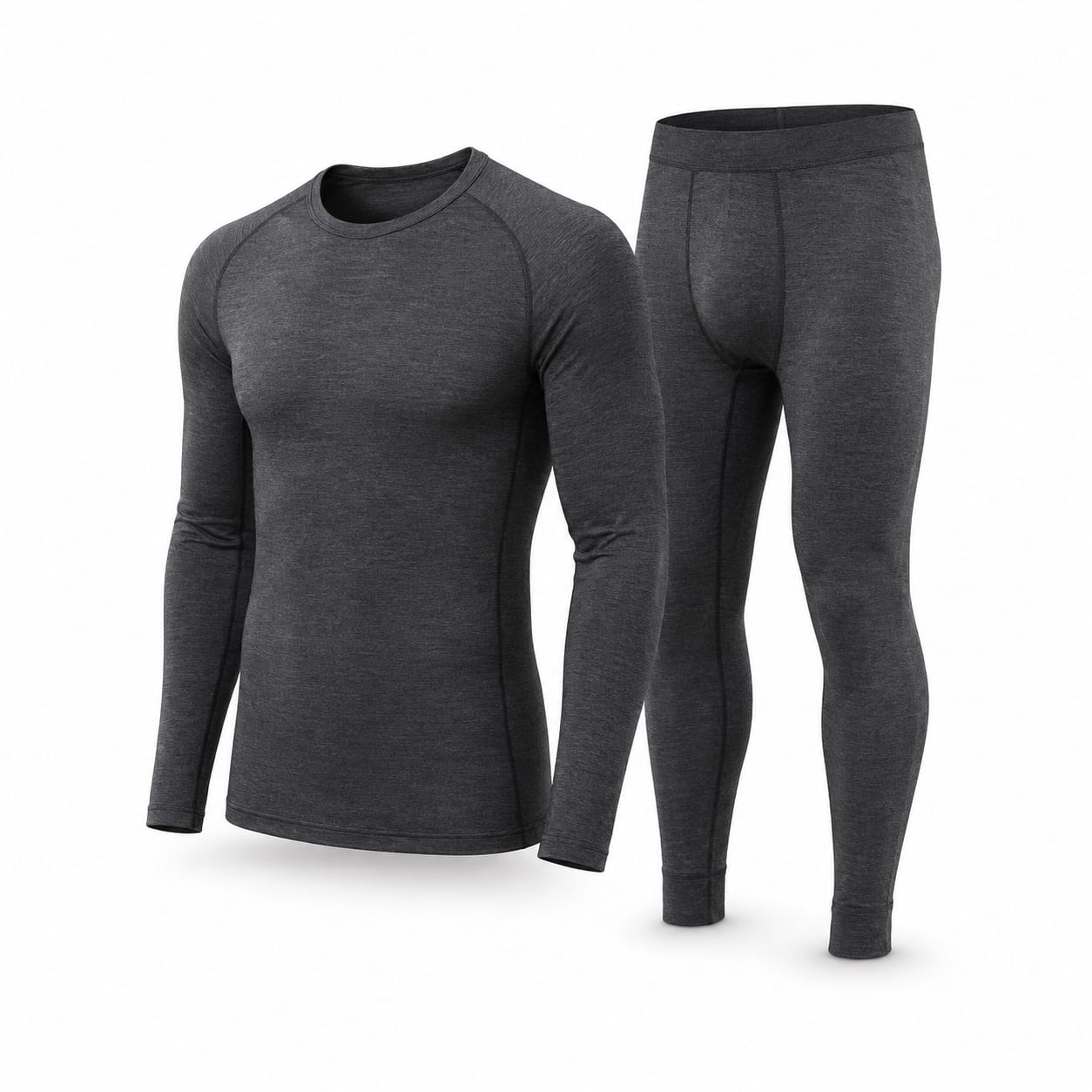
Merino Wool Base Layers
$50 – $200
Premium natural-fiber base layers prized for odor resistance, temperature regulation, and next-to-skin comfort.
natural odor resistanceexcellent thermoregulationsoft next-to-skin feel
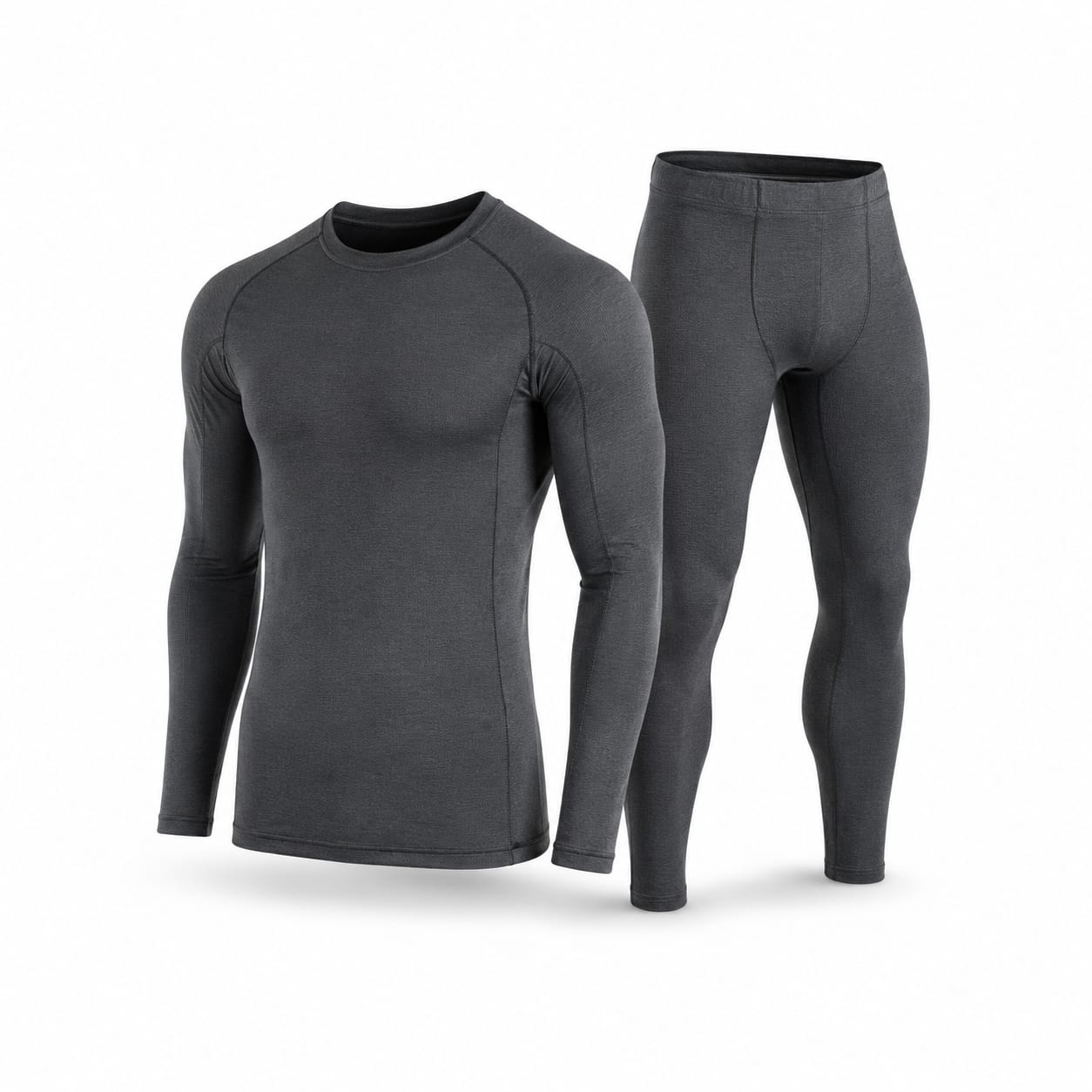
Synthetic Base Layers
$20 – $80
Budget-friendly, quick-drying base layers made from polyester or polypropylene for reliable moisture management.
rapid dryinghighly durableaffordable
More questions
- Is a lightweight base layer warm enough for skiing?
- Should I choose merino wool or synthetic for a lightweight base layer?
- Can I wear a lightweight base layer for backcountry touring?
- Do I need thumbholes on my base layer top?