
Symmetric park skis have identical tip and tail dimensions and sidecut, so the ski performs exactly the same riding forward or switch. This is ideal for pure park riding where switch performance is paramount. Asymmetric park skis have slightly different tip and tail shapes—often a slightly longer tip with more rise and a shorter, lower tail. This provides better forward performance and flotation while still allowing switch riding, making them more versatile for skiers who ride the whole mountain.
Skis · Freestyle / Park Skis
What's the difference between a symmetric and asymmetric park ski?
Related gear types
If this answer nudged you toward a different style, these guides compare specs and trade-offs.
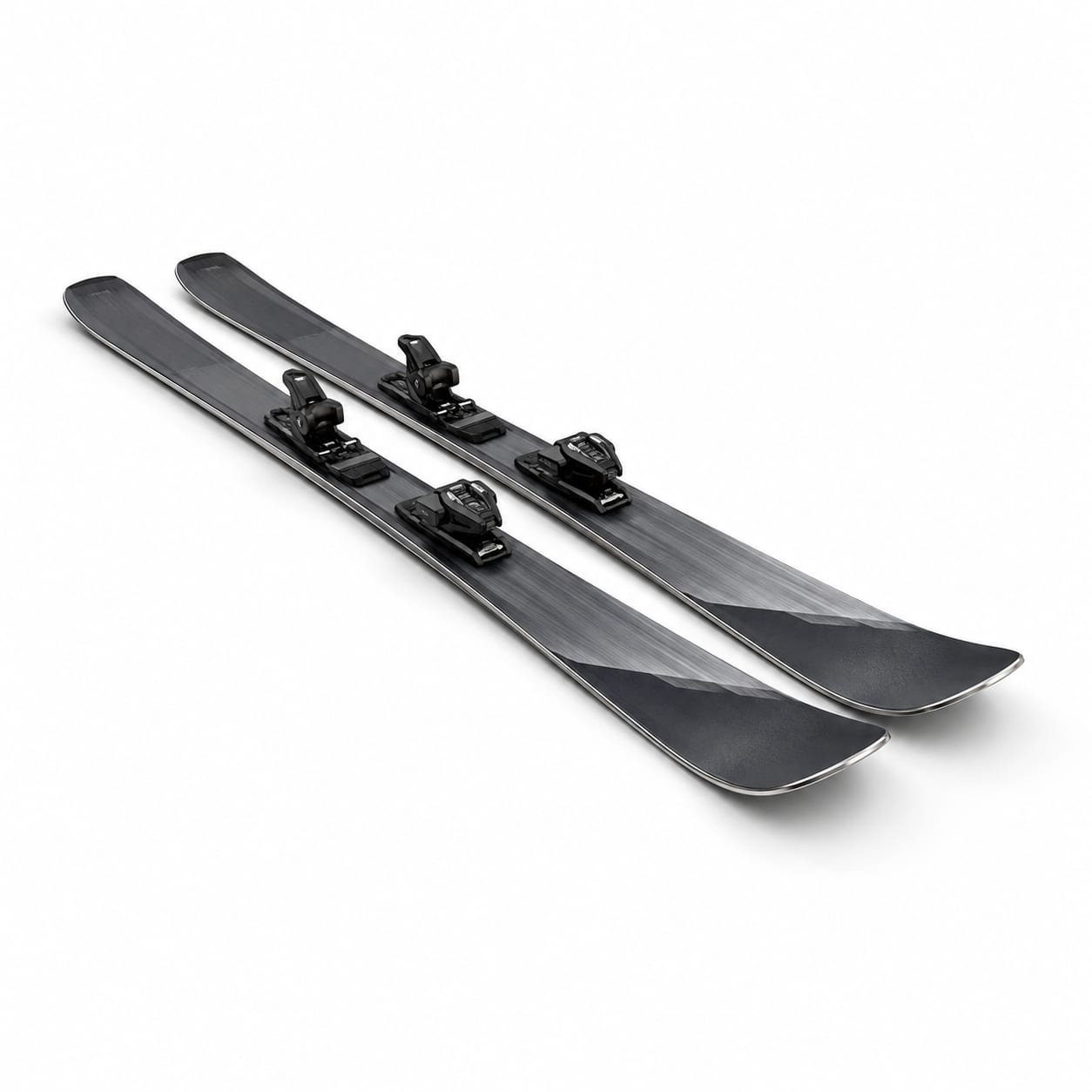
All-Mountain Skis
$350 – $950
Versatile skis designed to handle the widest range of resort conditions, from groomed runs to light powder.
Waist width 85–105mmRocker-camber-rocker or tip rocker profilesMedium turn radius (15–20m)
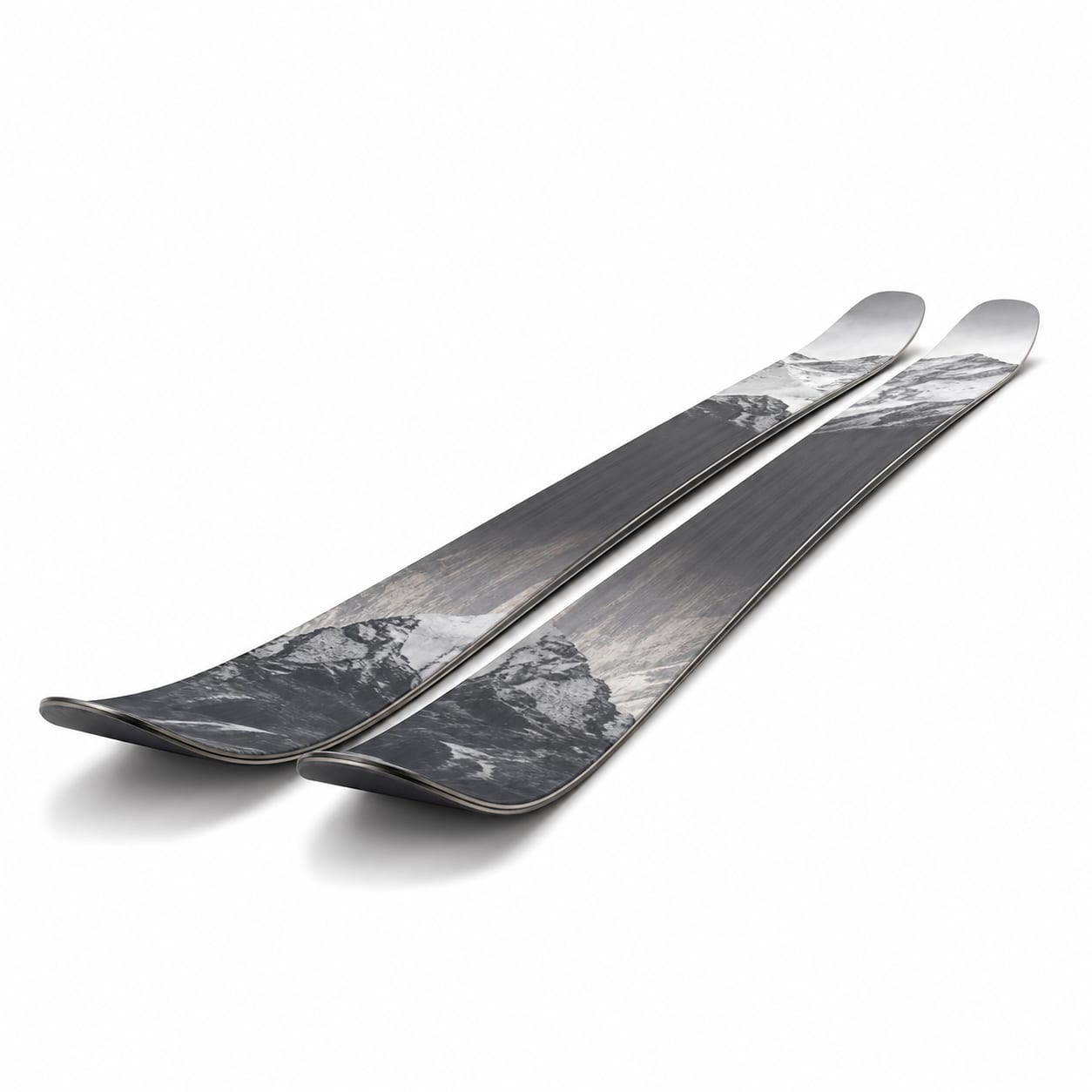
Freeride / Big Mountain Skis
$500 – $1200
Wide, stable skis built for charging steep, ungroomed terrain and variable off-piste snow conditions.
Waist width 100–115mmSignificant tip and tail rockerStiff flex for stability
More questions
- Should I mount my park skis at true center or at the recommended line?
- How long will park ski edges last with regular rail riding?
- Can I use park skis as my only ski for the whole mountain?
- Do I need a specific binding for park skis?