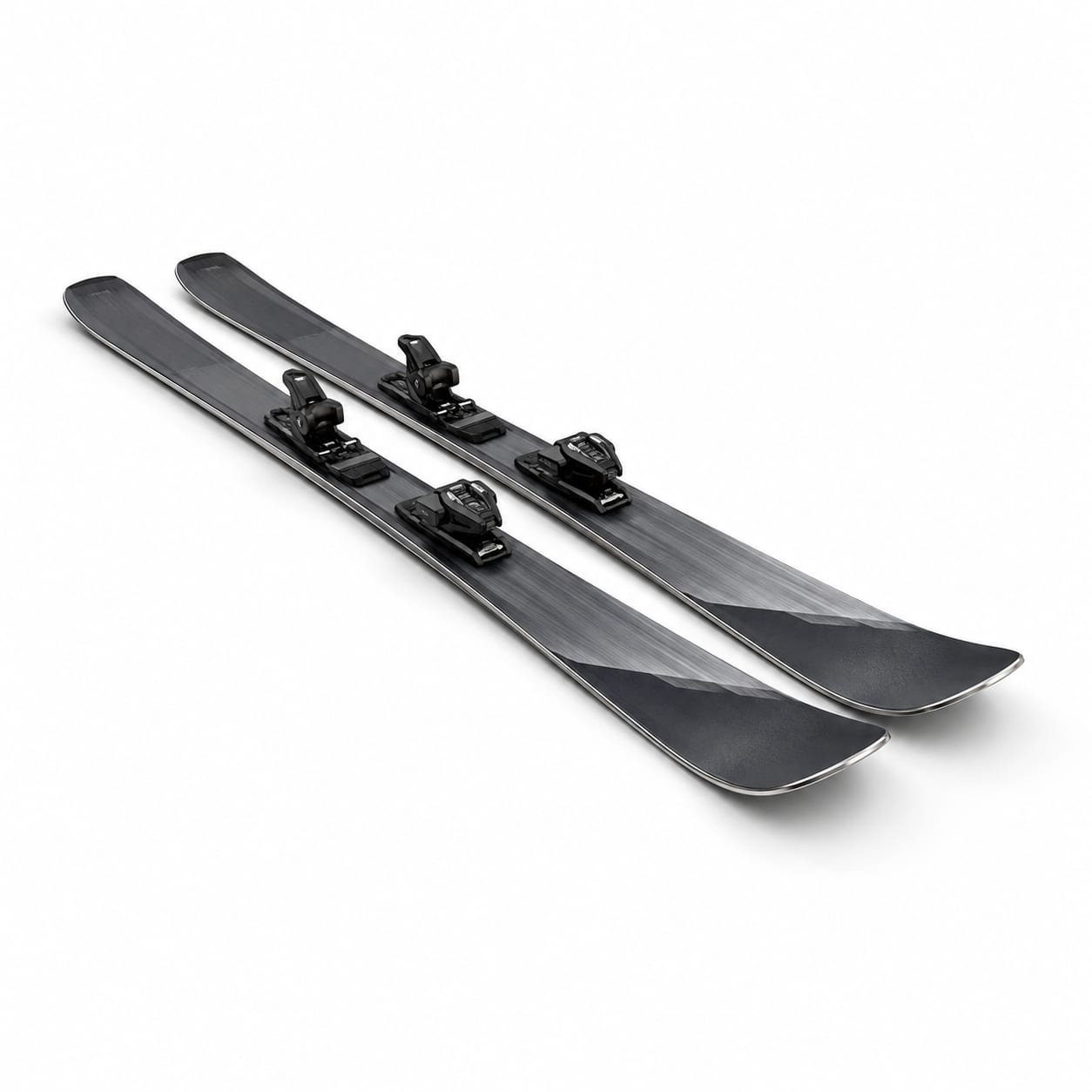
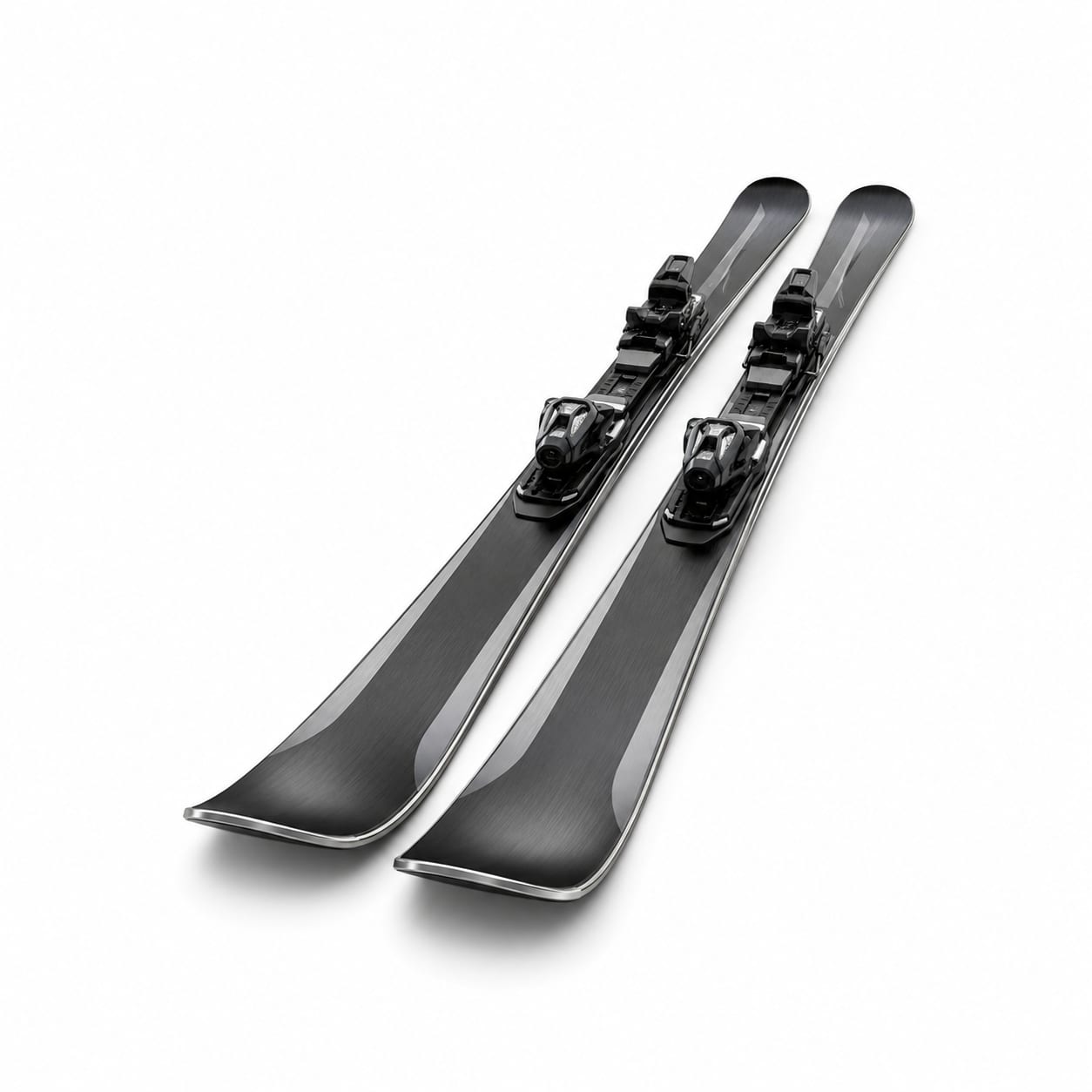
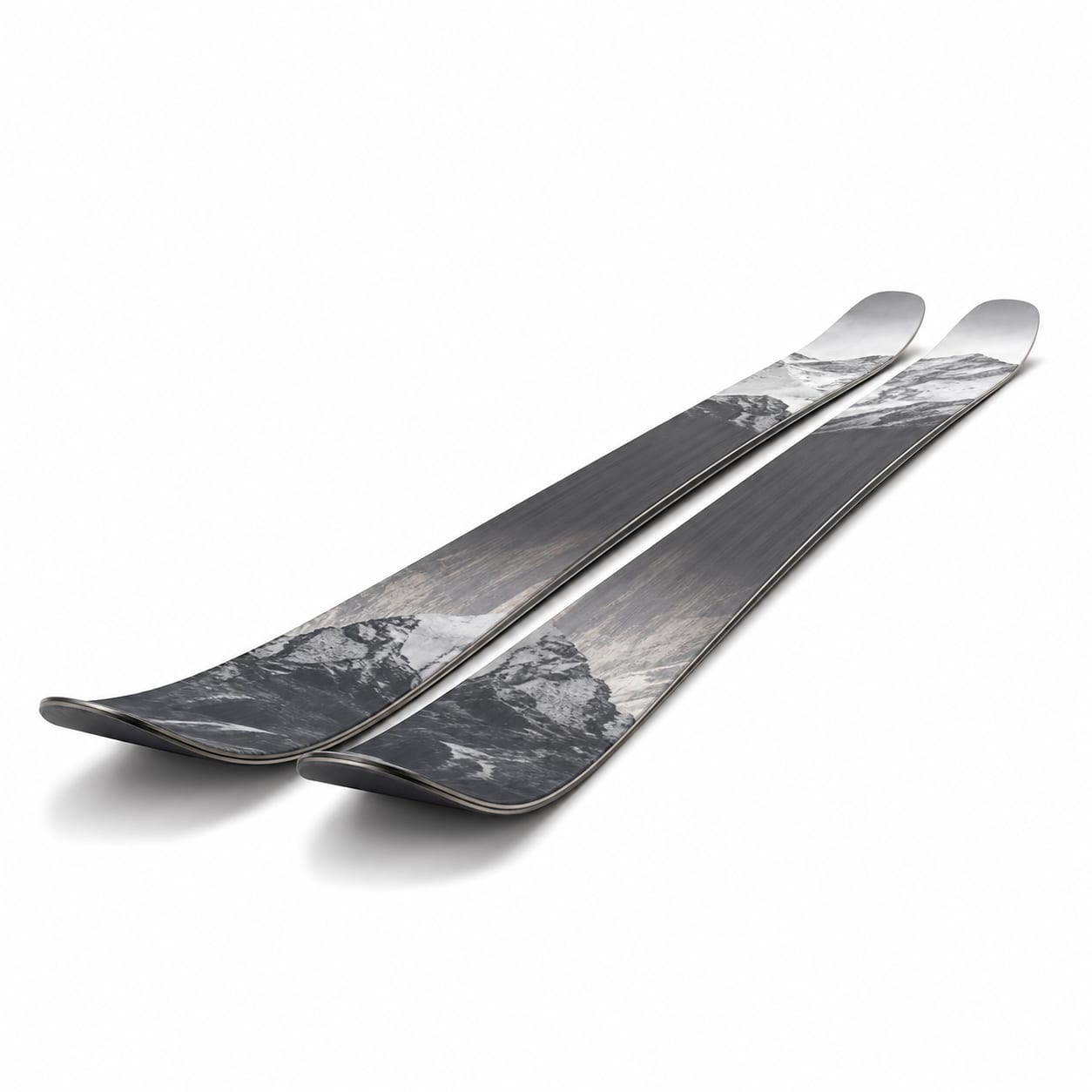
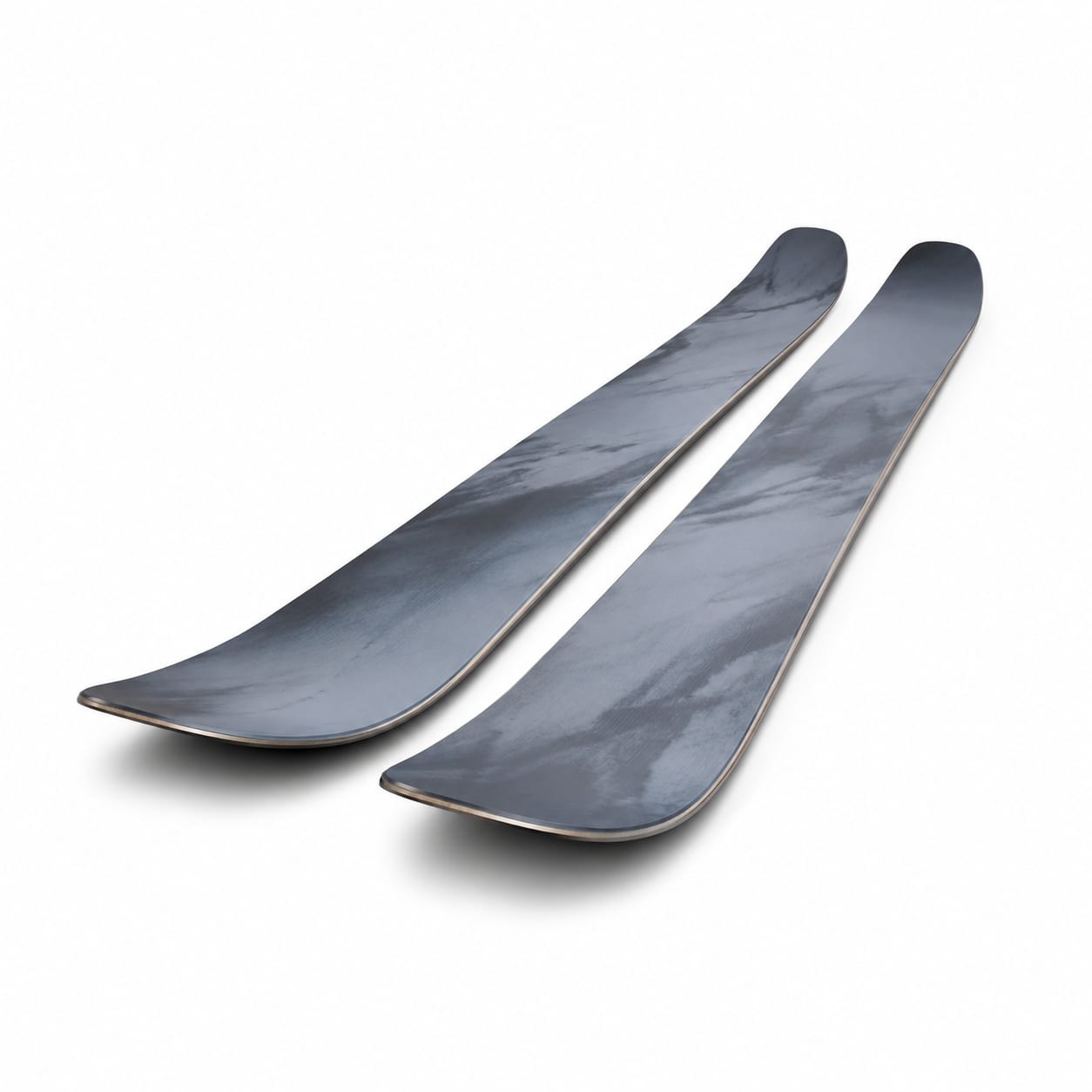
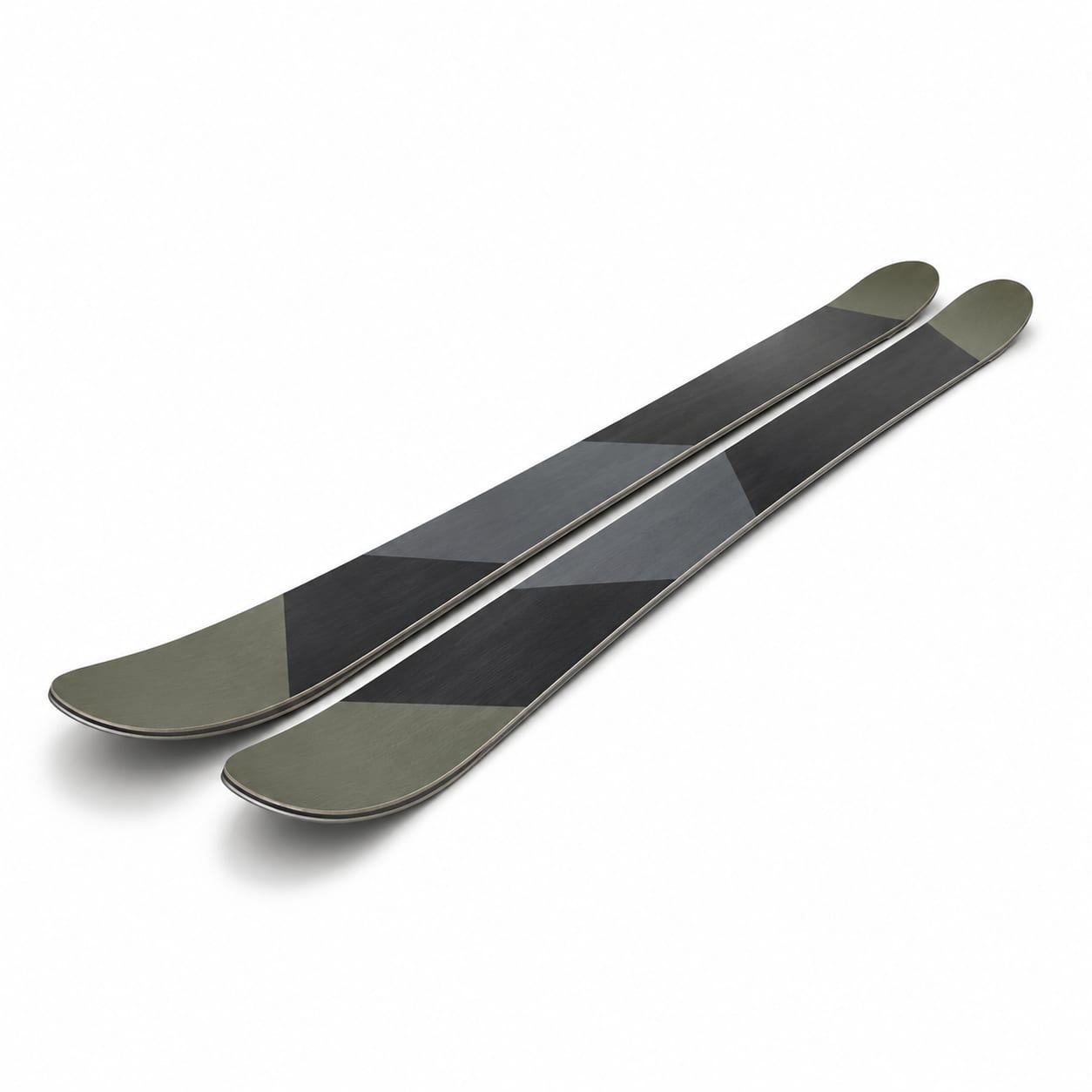
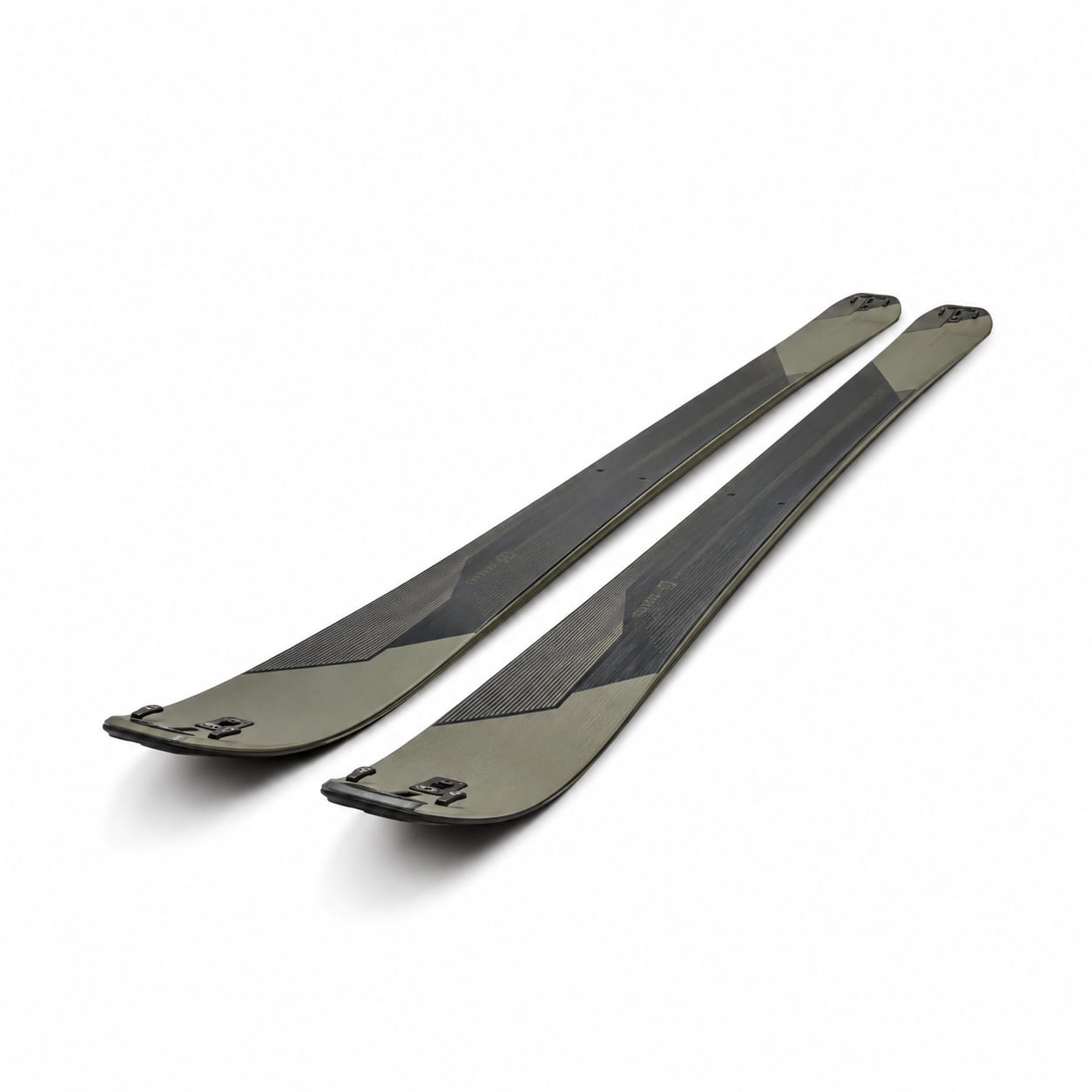
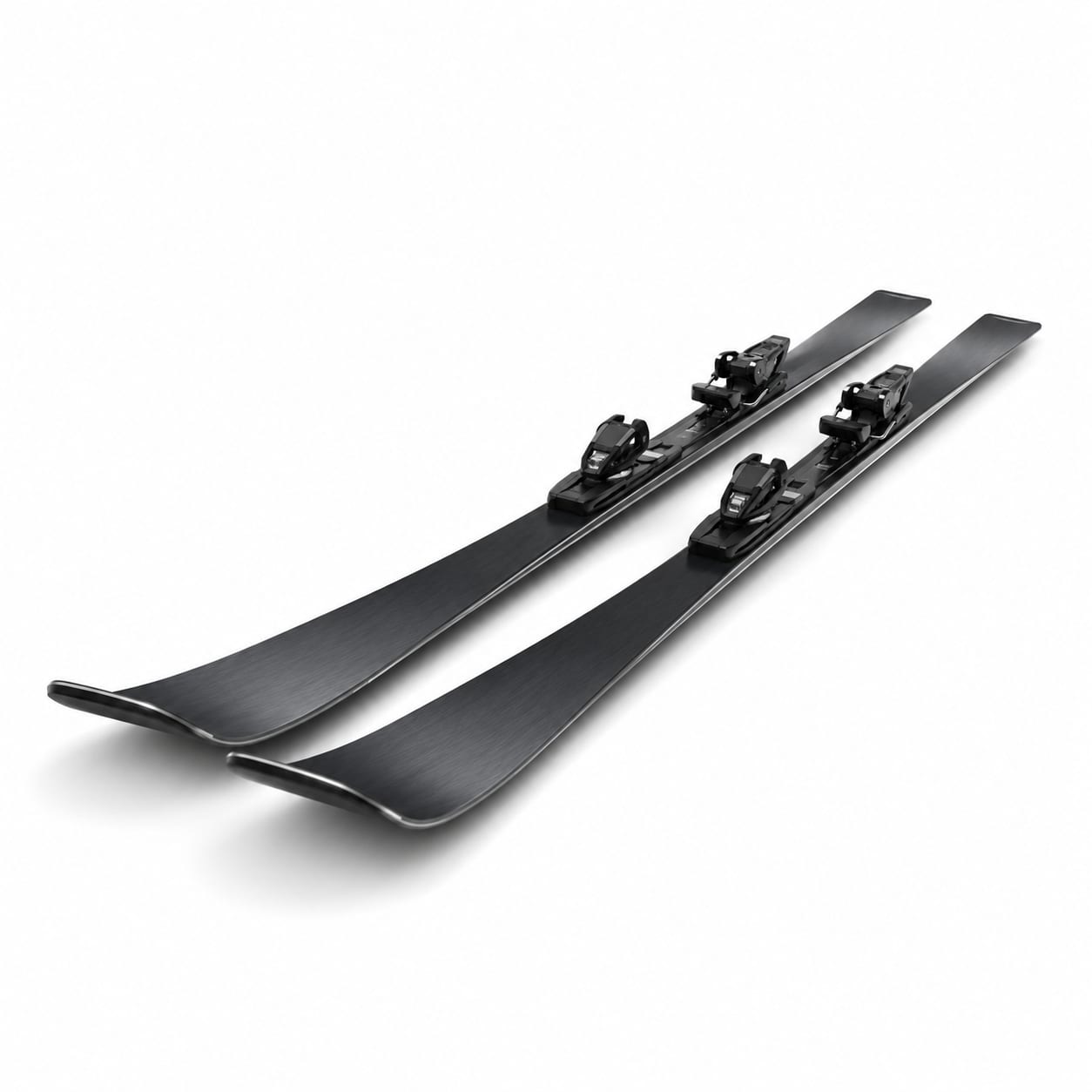
All-mountain skis are designed to be the most versatile category in skiing, capable of handling groomed runs, light powder, moguls, crud, and mixed variable conditions with competence. They occupy the middle ground between specialized carving skis and dedicated powder skis, making them the default recommendation for the majority of resort skiers. Typically featuring waist widths between 85-95mm, tip-rocker or tip-and-tail-rocker camber profiles, and moderate flex ratings, all-mountain skis prioritize adaptability over specialization. They carve well enough to satisfy frontside skiers, float adequately in moderate powder, and remain stable enough in chopped-up afternoon snow. While they won't match the edge hold of a dedicated carving ski on hardpack or the flotation of a wide freeride ski in deep powder, they eliminate the need to swap skis when conditions change throughout the day.
All-mountain skis represent the most popular and practical category in modern skiing, and for good reason. Most resort skiers encounter a wide range of conditions over the course of a single day—firm groomers in the morning, softening snow by midday, and chopped-up crud by afternoon. An all-mountain ski is designed to handle all of these conditions competently, making it the ideal one-ski quiver for the majority of skiers. The category has evolved significantly over the past two decades, with modern all-mountain skis offering far better soft-snow performance than their predecessors while maintaining respectable hardpack capabilities.
The defining characteristic of all-mountain skis is their waist width, typically ranging from 85-95mm. This places them between narrower frontside skis (under 80mm) and wider all-mountain-wide or freeride skis (over 100mm). At this width, they provide enough surface area for adequate flotation in moderate powder and soft snow, while remaining narrow enough to tilt onto edge and carve on firm snow without excessive effort. The most common camber profile is tip rocker with camber underfoot, which eases turn initiation, improves soft-snow performance, and maintains the edge hold needed for groomed-run skiing. Many models also feature slight tail rocker for a more playful, forgiving feel.
Within the all-mountain category, there is significant variation in design philosophy. Some models lean toward frontside performance with narrower waists (85-88mm), stiffer flex, and more camber—these are best for skiers who spend most of their time on groomers but want capability in softer snow. Others lean toward freeride performance with wider waists (92-95mm), more rocker, and softer flex—better for skiers who chase fresh snow but still need to ski groomers back to the lift. Understanding where a particular model falls on this spectrum is critical for choosing the right ski for your needs.
Construction quality in all-mountain skis ranges from entry-level cap construction with foam cores to premium sandwich/sidewall builds with wood cores and titanal reinforcement. Mid-range and upper models typically feature wood cores with composite reinforcement, hybrid cap/sidewall construction, and moderate dampening. The best all-mountain skis for aggressive skiers often incorporate a single titanal layer for enhanced edge hold and stability at speed, while lighter models forgo metal for a more nimble, forgiving feel. Weight per pair typically falls between 3400-4200g, with lighter models favoring maneuverability and heavier models favoring stability.
Choosing the right all-mountain ski requires honest assessment of where you actually spend your time on the mountain, your current skill level, and the typical snow conditions at your home mountain. Skiers in regions with frequent fresh snow should consider wider all-mountain models or all-mountain-wide skis. Those in areas with predominantly firm conditions should lean toward narrower, more camber-dominated models. Above all, resist the temptation to over-skill your ski—buying a stiff, metal-reinforced expert-level ski when you're an intermediate will lead to fatigue and frustration, not better performance.