Ski Type / Category
Ski Type
What it means
The primary intended use and design category of the ski, which dictates its overall geometry, flex, and feature set.
Typical for this type
Freeride
In practice
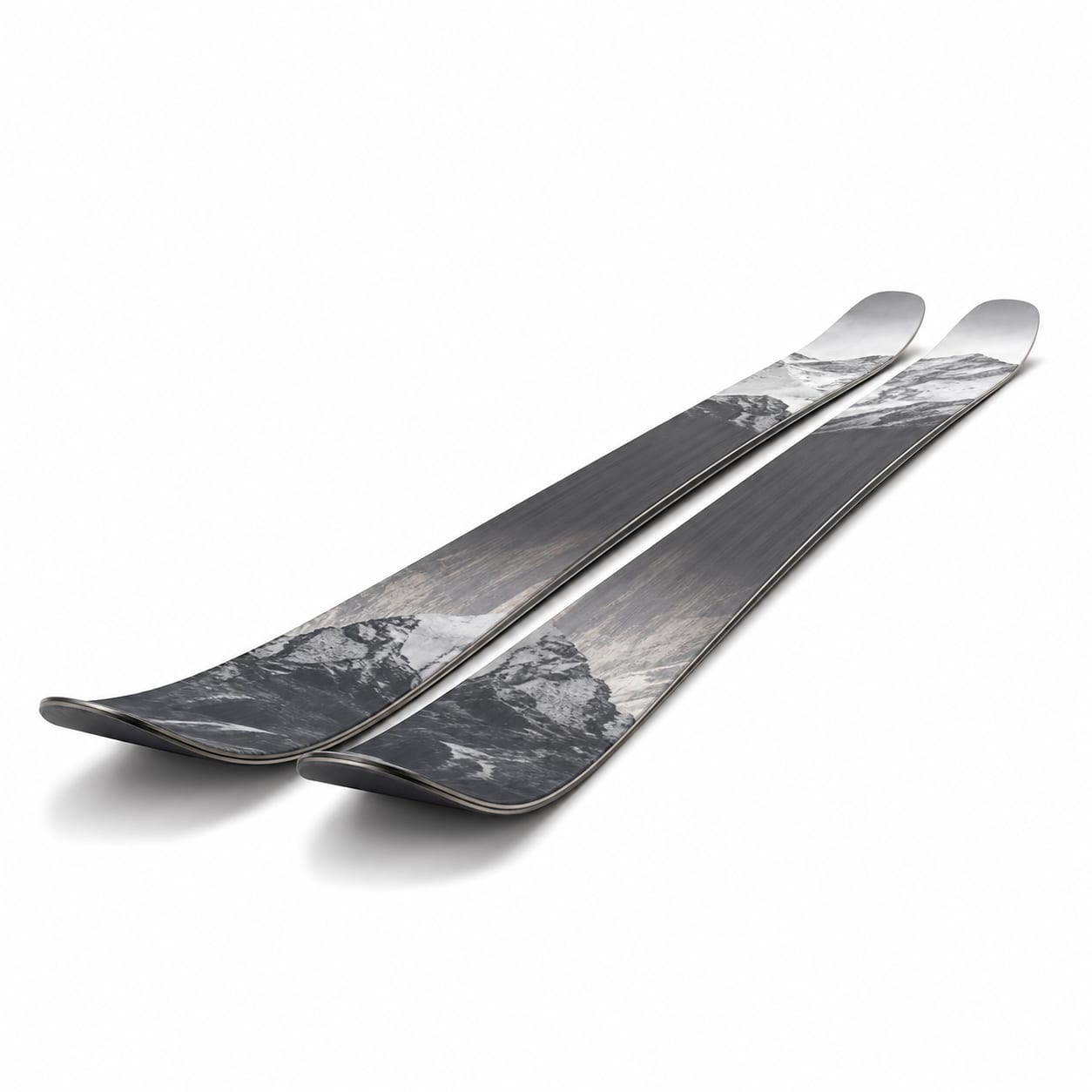
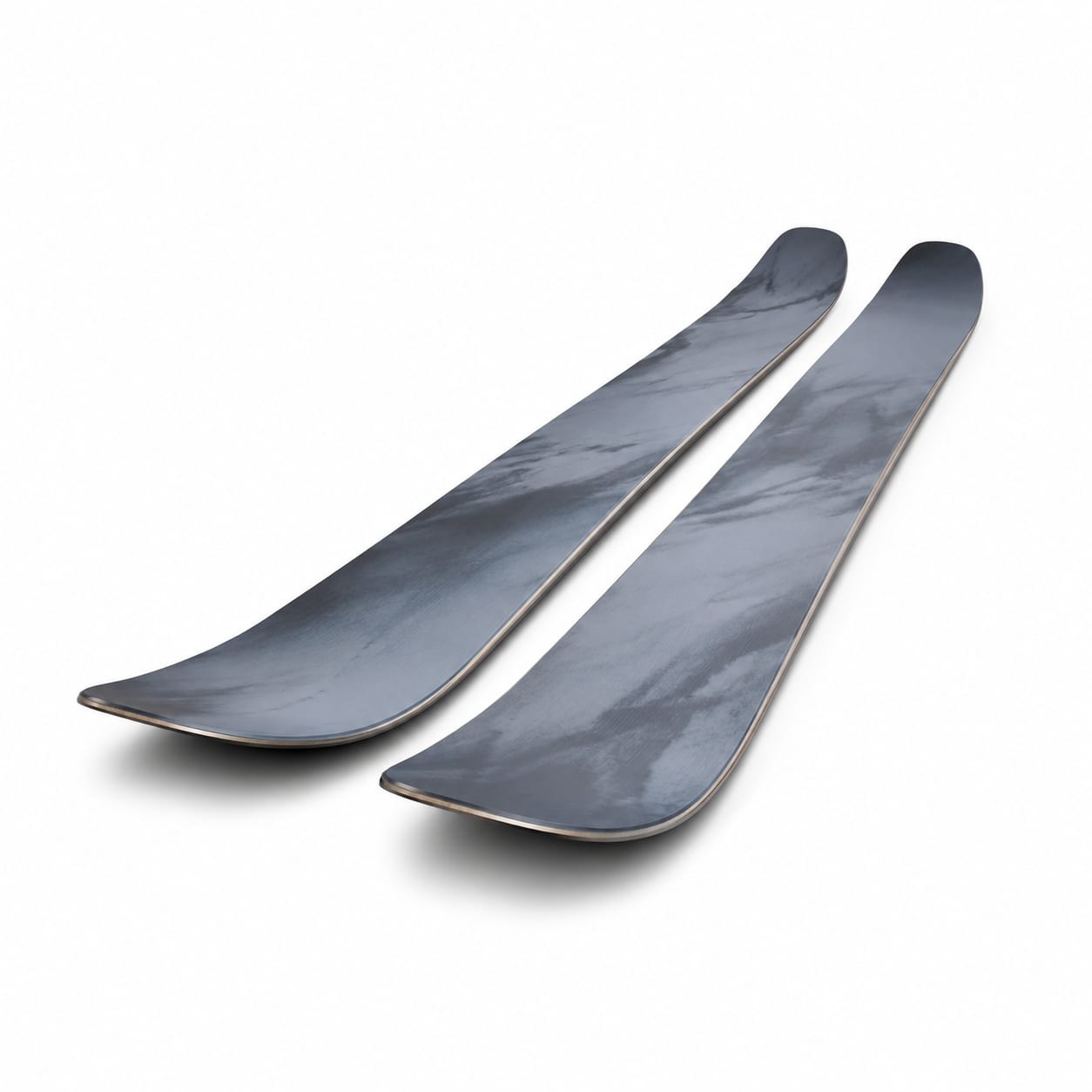
Freeride / Big Mountain is the ski type classification for this subcategory, defined by wide waists, significant rocker, and construction optimized for off-piste and deep snow performance.
Compared to other types
Unlike all-mountain skis that compromise for versatility, or frontside skis that optimize for groomers, freeride skis unapologetically prioritize off-piste performance. Compared to all-mountain wide skis, freeride models are wider, more rockered, stiffer, and more specialized for deep snow and aggressive terrain.
Why it matters: The ski type designation determines the entire design philosophy—geometry, flex, rocker profile, and construction all follow from this classification. A freeride designation means the ski is purpose-built for soft snow and steep terrain, not groomed runs.
What it means
The total length of the ski from tip to tail, measured in centimeters. Affects stability, turn radius, and maneuverability.
Typical for this type
175–195 cm
Most common pick: 180 cm
In practice
Freeride skis are typically sized at or slightly above the skier's height. The generous rocker reduces effective running length, so sizing up maintains stability and flotation without making the ski unmanageable.
Compared to other types
Freeride skis are typically sized 5–10cm longer than equivalent all-mountain skis for the same rider, because rocker reduces effective edge and the extra length aids flotation. Frontside skis are often sized shorter for quickness, while freeride skis prioritize the stability and float that length provides.
Why it matters: Longer skis provide more flotation surface area in deep snow and more stability at high speeds on steep, exposed terrain. The rocker profile means a 185cm freeride ski may have the effective edge of a 170cm cambered ski, so going longer does not feel as cumbersome as it would in other categories.
What it means
The width of the ski at its narrowest point (underfoot), measured in millimeters. The single most important geometry measurement that determines terrain suitability.
Typical for this type
105–120 mm
Most common pick: 110 mm
In practice
Waist widths in the 105–120mm range provide the flotation needed for deep powder while still being manageable in mixed conditions. Skis at the lower end (105–110mm) are more versatile; those at the upper end (112–120mm) are deeper powder specialists.
Compared to other types
Freeride skis are significantly wider than all-mountain (85–95mm), all-mountain wide (95–105mm), and frontside skis (under 80mm). Only dedicated powder skis (120mm+) are wider. The trade-off is reduced edge-to-edge quickness and more effort required to roll the ski onto edge on firm snow.
Why it matters: Waist width is the single most important dimension for freeride skis because it directly determines flotation. In deep snow, a narrow ski dives and requires constant fore-aft pressure management, while a properly wide ski planes naturally, conserving energy and allowing the skier to focus on line choice rather than survival.
What it means
The width of the ski at its widest point near the tip, measured in millimeters. Works with waist width to determine the ski's sidecut and floatation characteristics.
Typical for this type
130–150 mm
Most common pick: 140 mm
In practice
Wide tips (130–150mm) are essential for freeride skis to provide lift in deep snow and smooth turn initiation in soft conditions. The tip width works with rocker to determine how the ski enters a turn and planes in powder.
Compared to other types
Freeride ski tips are 20–40mm wider than all-mountain skis and 40–60mm wider than frontside skis. This extra width is a primary reason freeride skis float in powder while narrower skis dive. Some freeride models feature tapered tips (narrower at the widest point but with more rocker) for a looser, more slashy feel.
Why it matters: A wide, rockered tip is the primary flotation mechanism in deep snow. It keeps the ski from diving and allows the rider to initiate turns with minimal effort. The taper (difference between tip width and waist) affects how progressively the ski engages—less taper means more aggressive engagement, more taper means a smoother, more forgiving entry.
What it means
The width of the ski at its widest point near the tail, measured in millimeters. Affects turn completion, stability, and how the ski releases from turns.
Typical for this type
110–130 mm
Most common pick: 120 mm
In practice
Freeride ski tails vary from moderately wide and supportive (120–130mm) for charging to narrower and tapered (110–120mm) for a looser, more surfy feel. The tail width and taper determine how the ski finishes turns and releases from them.
Compared to other types
Freeride tails are wider than all categories except dedicated powder skis. Unlike freestyle skis with symmetric twin tips, freeride tails are often tapered and may have only a modest tail flip rather than a full twin. Compared to frontside skis with flat, wide tails for carving power, freeride tails prioritize release and smearability.
Why it matters: A wider, flatter tail provides power and support for finishing turns aggressively—essential for big mountain charging where you need to carry speed through the bottom of a turn. A narrower, more tapered tail (pin tail) allows the ski to release easily for smearing, slashing, and speed control in tight terrain like trees and couloirs.
What it means
The theoretical radius of the smallest turn the ski can make when tipped on edge, measured in meters. Derived from the sidecut dimensions. Determines the natural turn shape of the ski.
Typical for this type
18–30 m
Most common pick: 22 m
In practice
Freeride skis typically have longer turn radii (18–30m) reflecting their wider dimensions and design for high-speed, sweeping turns. Shorter radii within this range allow tighter turns in technical terrain; longer radii favor high-speed stability on open faces.
Compared to other types
Freeride skis have significantly longer turn radii than frontside (11–16m) and all-mountain (14–18m) skis. This is partly a function of their wider dimensions—the sidecut geometry of a wide ski naturally produces a longer radius. The trade-off is less quickness edge-to-edge but more stability at speed and in variable snow.
Why it matters: Turn radius determines the natural turn shape the ski wants to make. In big mountain terrain, longer radii suit open alpine faces where you carry speed and make large, confident arcs. Shorter radii are better for tighter terrain like trees, chutes, and couloirs where you need to scrub speed and change direction quickly. Many freeride skis use a tapered shape that creates a variable effective radius depending on how deeply the ski is engaged.
Rocker/Camber Profile
Rocker/Camber Profile
What it means
The longitudinal shape of the ski when unweighted—how it curves from tip to tail. The most influential design element for how a ski feels and performs.
Typical for this type
Tip Tail Rocker, Hybrid
In practice
Tip and tail rocker with camber underfoot is the most common profile for freeride skis, providing flotation and easy pivot in soft snow while retaining enough edge grip for firm conditions. Hybrid profiles with more complex multi-zone designs are also common in high-end models.
Compared to other types
Freeride skis use more rocker than any category except dedicated powder skis (which may be full rocker). All-mountain skis typically use tip rocker only, retaining more tail edge hold for groomer performance. Frontside skis use full camber. The generous rocker in freeride skis makes them feel shorter and looser than their measured length, which is why sizing up is common.
Why it matters: The rocker/camber profile is arguably the most influential design element for how a freeride ski performs. Tip rocker provides flotation and easy turn initiation in powder. Tail rocker allows the ski to release from turns and smear speed. Camber underfoot provides edge hold on firm snow and energy return. The balance of these elements determines whether a ski feels surfy and loose or powerful and locked-in.
Flex / Stiffness
Flex / Stiffness
What it means
How stiff or soft the ski is along its length, typically rated on a scale. Affects edge hold, stability, energy transfer, and forgiveness.
Typical for this type
7–9
Most common pick: 8
In practice
Freeride skis are typically stiff (7–9 on a 10-point scale) to provide stability at high speeds, edge hold on firm snow, and power through variable conditions. Softer freeride skis exist for a more playful feel but sacrifice some charging capability.
Compared to other types
Freeride skis are among the stiffest in any brand's lineup, comparable to racing skis and well above all-mountain (5–7) and freestyle (4–6) skis. The stiffness is necessary for the high-speed, high-consequence terrain these skis are designed for. Unlike racing skis which are stiff tip-to-tail, freeride skis often have a slightly softer tip for forgiveness in soft snow and a stiff tail for power.
Why it matters: Stiffness directly affects a freeride ski's ability to hold an edge on firm snow, maintain composure through chop and crud at speed, and deliver power to the ski's running surface. A ski that is too soft for the rider's weight and aggression will flap, chatter, and feel unstable in the exact conditions freeride skis are built for. However, overly stiff skis require significant strength and technique to bend and control.
Core Material
Core Material
What it means
The primary material used in the ski's core, which largely determines its weight, flex characteristics, dampening, and feel.
Typical for this type
Wood, Wood Composite
In practice
Wood cores with composite reinforcement (fiberglass, carbon, titanal) are standard in freeride skis. The wood provides liveliness and consistent flex; composites add torsional rigidity, dampening, and edge hold. Pure wood cores are found in lighter freeride models; wood-composite is the norm for charging-oriented skis.
Compared to other types
Freeride skis almost exclusively use wood or wood-composite cores, unlike entry-level skis which may use foam. Touring skis may use lightweight hybrid cores with balsa or paulownia for weight savings, but freeride skis prioritize performance over weight. The composite reinforcement in freeride cores is typically more substantial than in all-mountain skis.
Why it matters: The core material determines the ski's fundamental feel—its energy, dampening, weight, and durability. In freeride skis, the core must balance liveliness (for responsive, energetic turns) with dampening (for stability through rough snow) and durability (for the impacts and abuse that off-piste skiing delivers). Wood-composite constructions achieve this balance better than any single material.
Construction Type
Construction Type
What it means
The method used to build the ski's structure, affecting durability, edge hold, weight, and price.
Typical for this type
Sandwich
In practice
Sandwich/sidewall construction is the standard for freeride skis, providing the torsional rigidity, edge hold, and durability needed for aggressive off-piste skiing. This construction method layers materials with vertical sidewalls for maximum performance.
Compared to other types
Freeride skis almost universally use sandwich construction, while entry-level and recreational skis often use cap construction for cost and weight savings. Some all-mountain skis use hybrid cap/sidewall construction, but freeride models demand the full performance of sidewall construction. This is one reason freeride skis tend to be more expensive.
Why it matters: In freeride skiing, edge hold can be the difference between holding a line on a firm, exposed traverse and sliding sideways into hazardous terrain. Sandwich construction provides superior edge grip and power transmission compared to cap construction. The vertical sidewalls also improve durability—a critical factor for skis that regularly contact rocks, ice, and other hazards in off-piste environments.
Weight (Per Pair)
Weight Per Pair
What it means
The total weight of both skis, measured in grams. Affects swing weight, touring efficiency, and overall maneuverability.
Typical for this type
3800–5200 g
Most common pick: 4400 g
In practice
Freeride skis are among the heaviest in any lineup, typically weighing 3800–5200g per pair. The weight comes from robust construction, metal reinforcement, and wide dimensions—all of which contribute to the stability and dampening that define the category.
Compared to other types
Freeride skis are significantly heavier than all-mountain (3200–4000g), frontside (2800–3600g), and touring (2400–3200g) skis. Only some racing skis approach similar weights. The trade-off is clear: more weight equals more stability and dampening but less maneuverability and more fatigue, particularly on touring days.
Why it matters: Weight in freeride skis is a double-edged sword. On the downhill, mass provides momentum through variable snow, dampens vibration, and creates a planted, confident feel at speed. On the uphill (for touring applications), every gram matters, and heavy freeride skis become a significant liability. For pure resort-based freeride skiing, the downhill benefits of weight generally outweigh the costs.
Recommended Skill Level
Skill Level
What it means
The rider ability level the ski is designed for, which determines flex, forgiveness, and performance characteristics.
Typical for this type
Advanced, Expert
In practice
Freeride skis are designed for advanced and expert skiers who have the technique, strength, and judgment to handle wide, stiff, long skis in challenging off-piste terrain. These skis demand commitment and reward skill but punish hesitation and poor technique.
Compared to other types
Freeride skis target the highest skill levels alongside racing skis. All-mountain skis span intermediate to advanced. Frontside skis range from beginner to advanced. The skill requirement of freeride skis is driven by their specialized dimensions and the demanding terrain they are designed for.
Why it matters: A freeride ski in the hands of an intermediate skier is not just suboptimal—it can be dangerous. The width makes edge-to-edge transitions slow and requires significant effort. The stiffness means the ski will not perform unless properly loaded. The length and rocker create a ski that is hard to control in tight spaces. These skis are tools for experts, and using them before you are ready will limit your skiing rather than enhance it.
What it means
The primary terrain and snow conditions the ski is optimized for. Most skis handle multiple terrain types but excel in specific conditions.
Typical for this type
Powder, Backcountry, Mixed
In practice
Freeride skis are optimized for powder, backcountry/off-piste terrain, and mixed variable snow conditions. These are the primary terrain types where their width, rocker, and construction provide meaningful advantages over narrower, less specialized skis.
Compared to other types
Freeride skis excel in terrain where all-mountain and frontside skis struggle (deep powder, steep off-piste) but underperform on groomed runs and in moguls. They overlap with touring skis in backcountry terrain but are heavier and more performance-oriented on the descent. They are not designed for park/pipe terrain at all.
Why it matters: Terrain optimization is the entire point of freeride skis. They are built specifically for the conditions where standard skis struggle—deep snow, steep off-piste lines, and variable backcountry snow. Using them primarily on groomed runs wastes their strengths and exposes their weaknesses.
What it means
Whether the ski has an upward-curving tail matching the tip, allowing the skier to land and ski backwards (switch).
Typical for this type
False (With Partial Tail Rise Common)
In practice
Most freeride skis feature flat or slightly raised tails rather than full twin tips. A flat or partially raised tail provides better edge hold and power through turn completion—important for charging big lines. Some freeride models offer partial twin tips for a more playful feel.
Compared to other types
Unlike freestyle skis which are universally twin tip, freeride skis typically are not. All-mountain skis are split—some have twin tips for versatility, others do not. Frontside and racing skis are never twin tip. The partial tail rise found on many freeride skis is a compromise that allows some release without full twin-tip sacrifice.
Why it matters: The tail design reflects the freeride priority: powerful, confident turn completion over switch capability. A flat or slightly raised tail locks into the end of a turn and provides a stable platform, while a full twin tip sacrifices some of that power for the ability to land and ski switch. Most big mountain skiers rarely ride switch, making the trade-off clear.
Dampening / Vibration Control
Dampening
What it means
The ski's ability to absorb vibrations and chatter at speed, typically achieved through metal layers, rubber, or specialized technologies. Affects smoothness and edge contact.
Typical for this type
Moderate, High
In practice
High dampening is typical and desirable in freeride skis, achieved through metal layers, rubber inserts, and robust construction. This absorbs chatter and vibration at speed, keeping the ski smooth and planted through rough, variable snow.
Compared to other types
Freeride skis typically have higher dampening than all-mountain (moderate), freestyle (minimal to moderate), and touring (minimal) skis. Only racing skis match or exceed freeride dampening levels. The trade-off is weight and a less lively, playful feel at lower speeds, but for the terrain these skis are built for, smoothness trumps liveliness.
Why it matters: In big mountain terrain, you are often skiing fast through inconsistent snow—crust over powder, wind slab, sun cups, and refrozen debris. Without adequate dampening, the ski will chatter, bounce, and lose edge contact, making it unpredictable and potentially dangerous. High dampening keeps the ski tracking cleanly and the edge engaged, inspiring confidence at speed.
Metal Reinforcement
Metal Layers
What it means
Whether and how the ski incorporates metal (typically titanal/aluminum) layers in its construction for added torsional rigidity, edge hold, and dampening.
Typical for this type
Single, Double
In practice
Single metal layers (one sheet of titanal) are common in freeride skis, providing improved edge hold, torsional rigidity, and dampening without the full weight penalty of double metal. Double metal layers are found in the most aggressive, charging-oriented models.
Compared to other types
Freeride skis use metal more frequently than all-mountain, freestyle, and touring skis, which often have no metal for weight savings. Racing skis typically use double metal. The presence of metal in freeride skis reflects their need for edge hold and stability in variable conditions, even if it means accepting more weight.
Why it matters: Metal reinforcement is a key differentiator in freeride ski performance. A single titanal layer significantly improves edge hold on firm snow and adds dampening for high-speed stability—both critical for off-piste skiing where you encounter everything from bottomless powder to windboard. Double metal maximizes these benefits but adds substantial weight and requires more strength to drive effectively.
Binding Compatibility
Binding Compatibility
What it means
The type of binding mounting system the ski supports, which determines which bindings can be installed.
Typical for this type
Flat Alpine, Hybrid
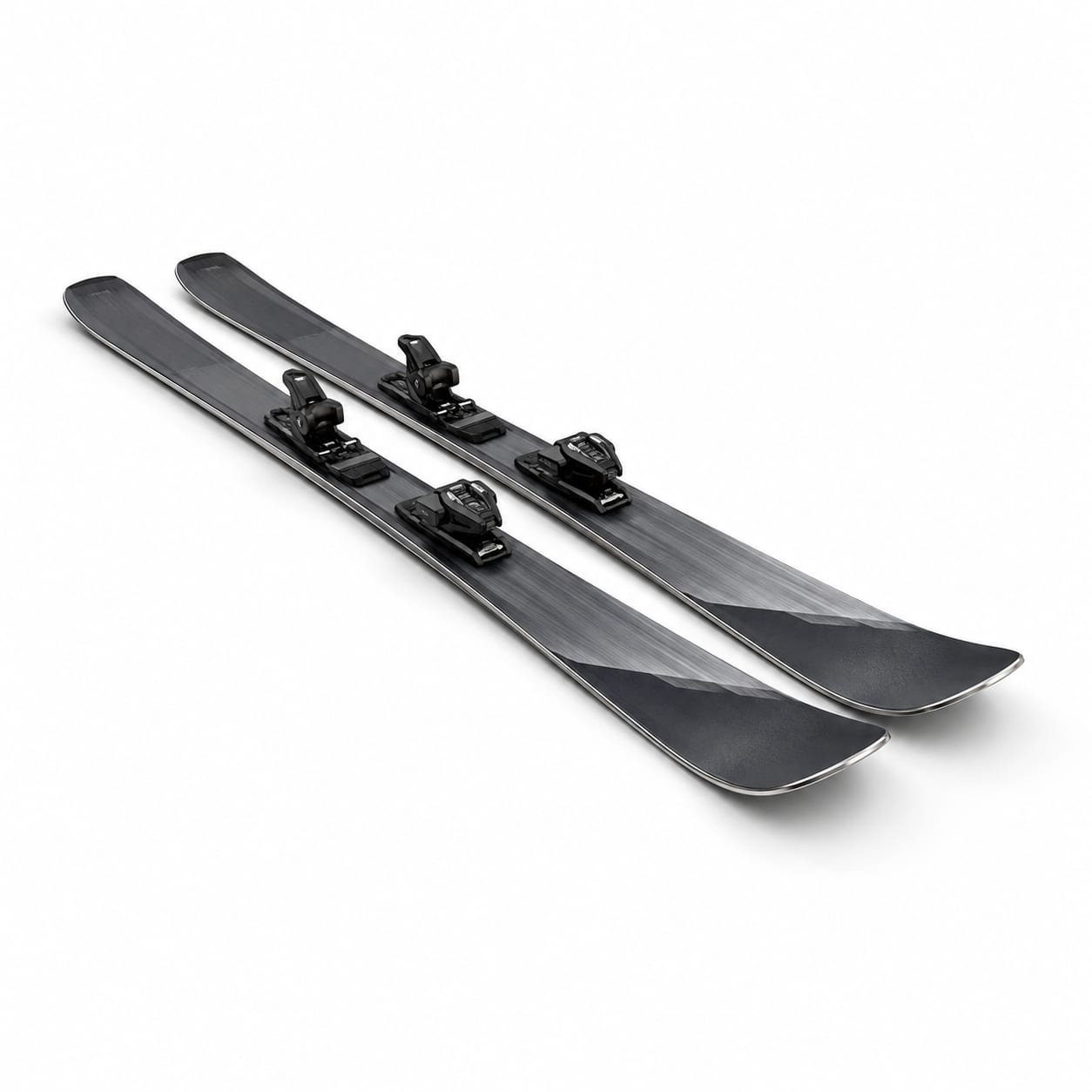
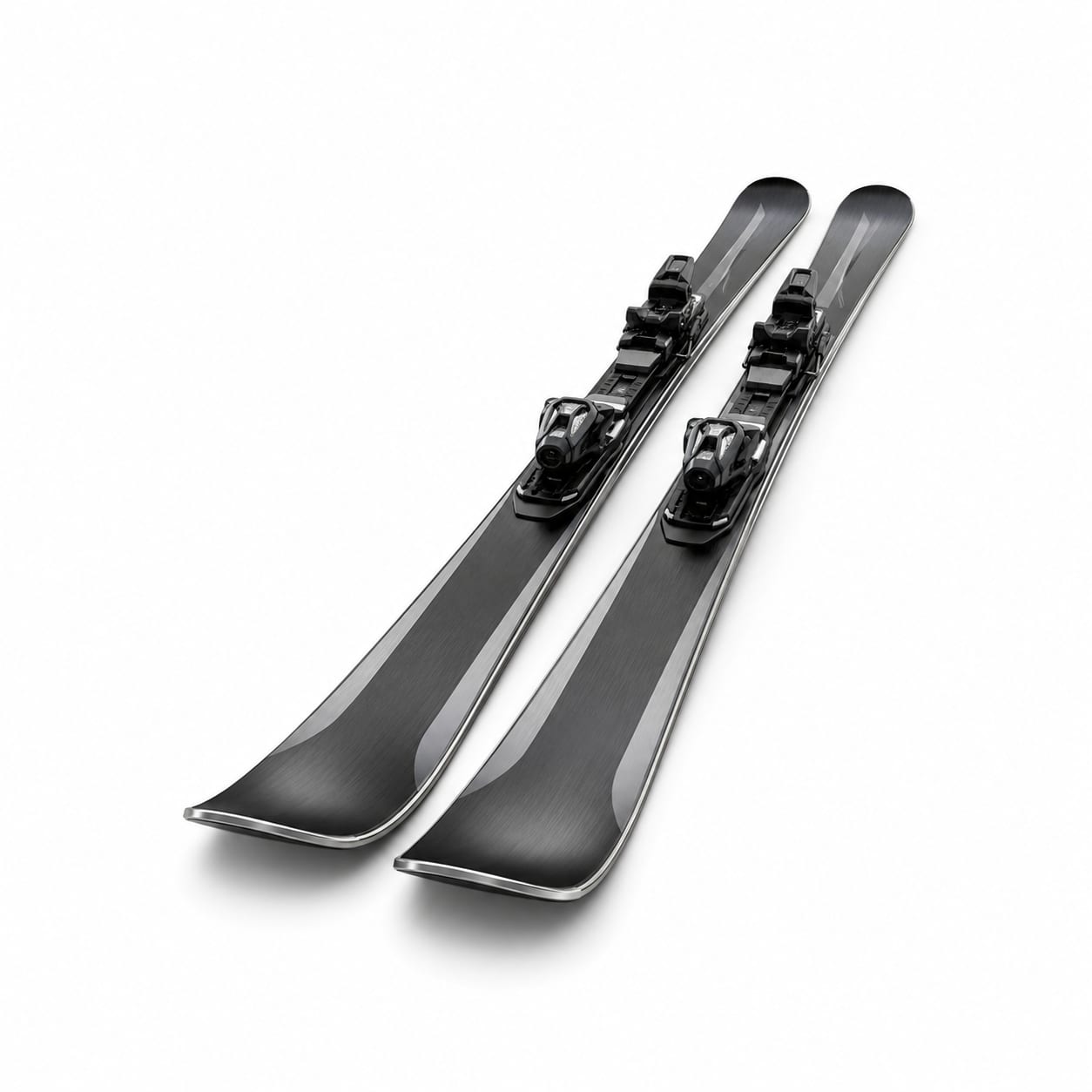
In practice
Flat alpine (drill mount) is the most common binding compatibility for freeride skis, providing the most direct power transfer and the widest binding choice. Hybrid compatibility (alpine + touring) is increasingly common for skiers who mix resort and backcountry days.
Compared to other types
Unlike frontside skis which often use integrated system bindings, freeride skis almost always use flat mounts for maximum performance and binding flexibility. Touring skis prioritize touring compatibility. The hybrid option is particularly relevant for freeride skis because many freeride skiers access terrain through a combination of lifts and skinning.
Why it matters: Freeride skis are often used in both resort and backcountry settings. Flat alpine mounting gives the best power transfer for aggressive downhill skiing and allows any alpine binding. Hybrid compatibility adds the option of touring bindings for uphill travel, making the ski more versatile for skiers who earn their turns. The choice of binding compatibility should match how you access the terrain you ski.