
AT frame bindings use a hinged frame that pivots at the toe for walking, with traditional straps for boot retention. Pin-style tech bindings use metal pins that engage fittings in specialized boots, with a heel lever that locks down for riding. Frame bindings offer better downhill performance and standard boot compatibility but are heavier. Tech bindings are lighter and more efficient for touring but require tech-compatible boots and have a less familiar ride feel.
Snowboard Bindings · Alpine Touring Frame Bindings
What's the difference between AT frame bindings and pin-style tech bindings for splitboards?
Related gear types
If this answer nudged you toward a different style, these guides compare specs and trade-offs.
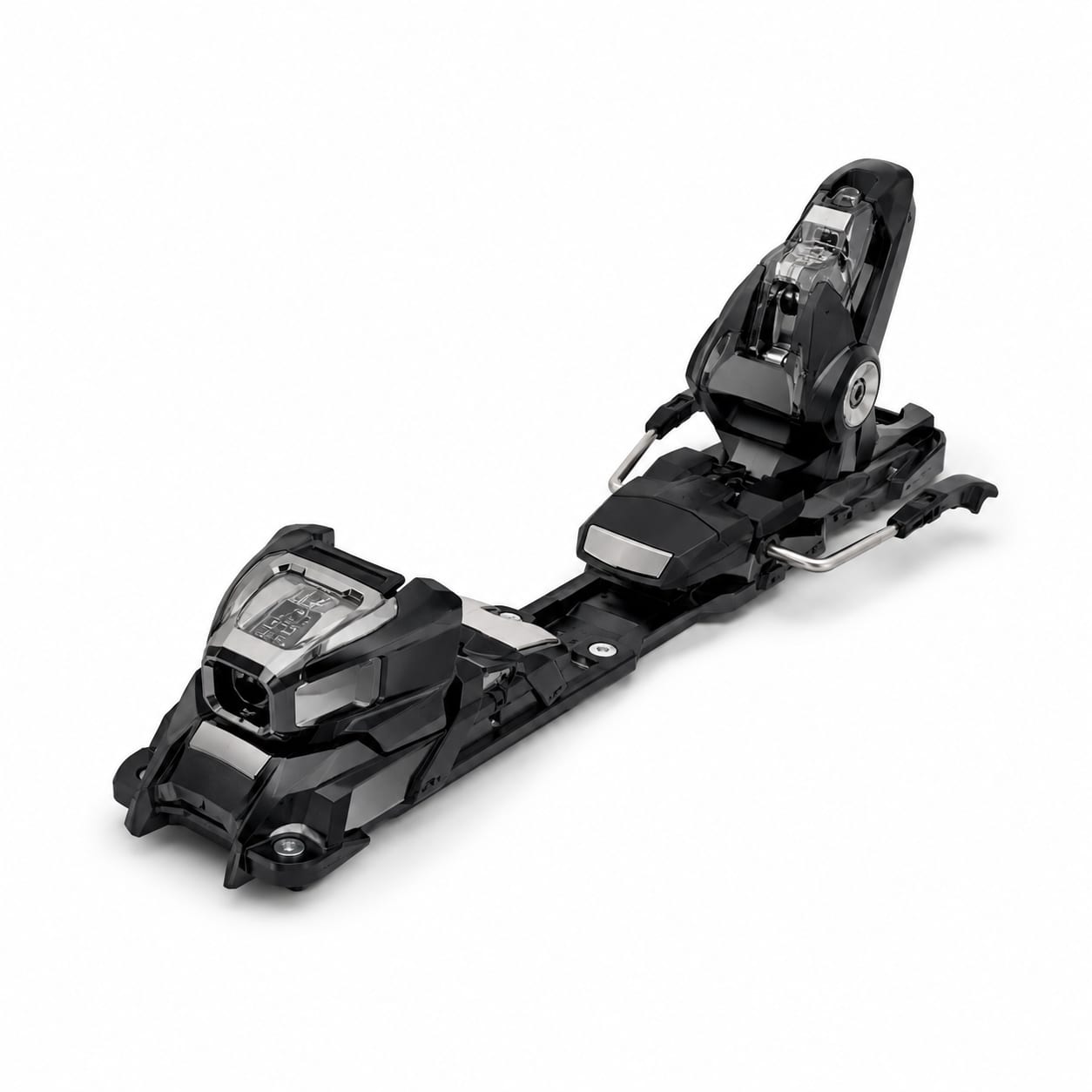
Alpine Ski Bindings
$80 – $500
Standard downhill ski bindings with DIN-certified release for resort skiing.
DIN-certified release mechanismToe and heel piece designAdjustable release values
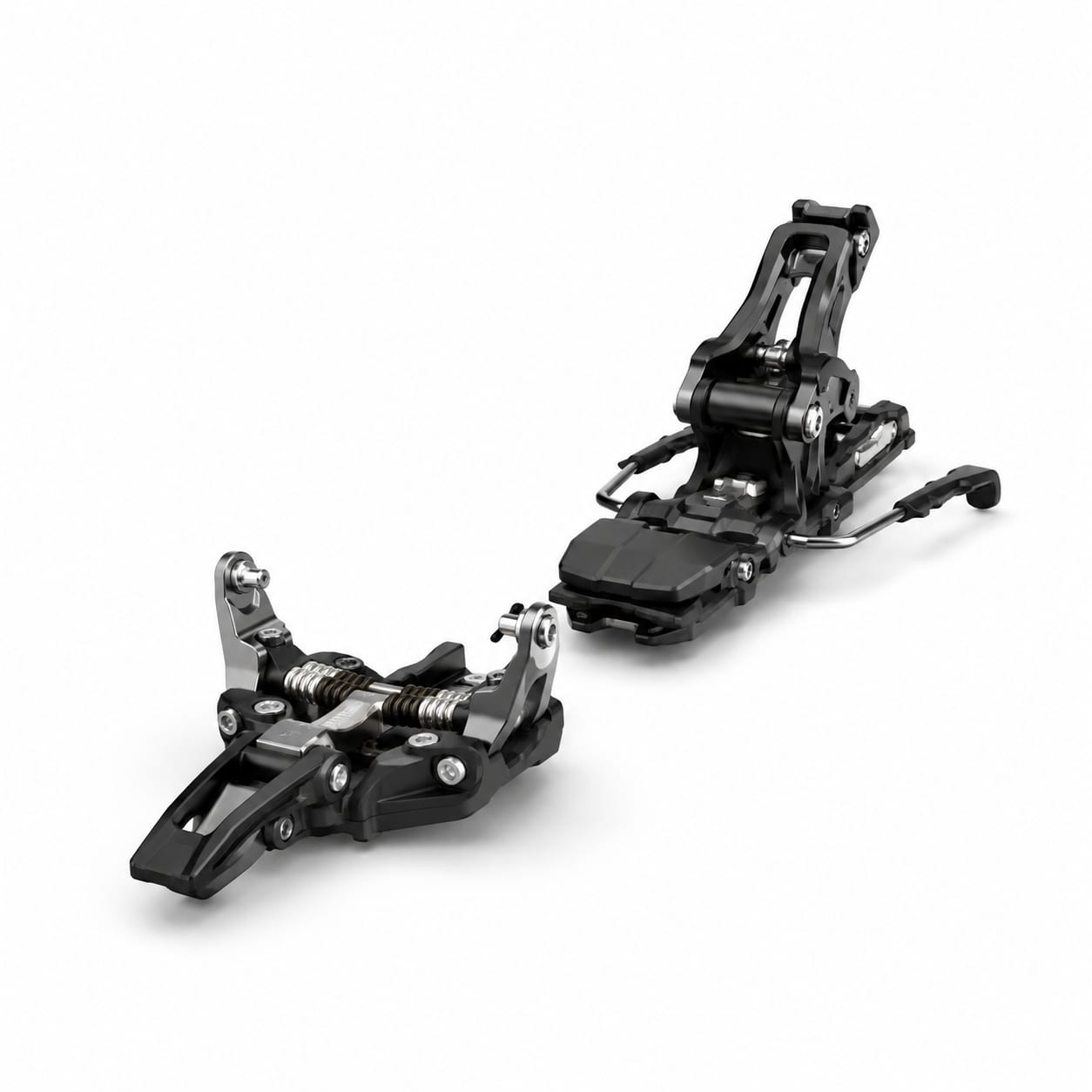
Tech/Pin Bindings
$300 – $900
Lightweight touring bindings using pin-clamping toe pieces for efficient uphill travel and backcountry skiing.
Pin-clamping toe pieceTech-compatible boot requiredRotating heel piece
More questions
- Do I need special boots for AT frame bindings?
- How long does it take to transition from walk mode to ride mode?
- Are AT frame bindings safe for steep, consequential terrain?
- Can I use AT frame bindings on a regular (non-split) snowboard?