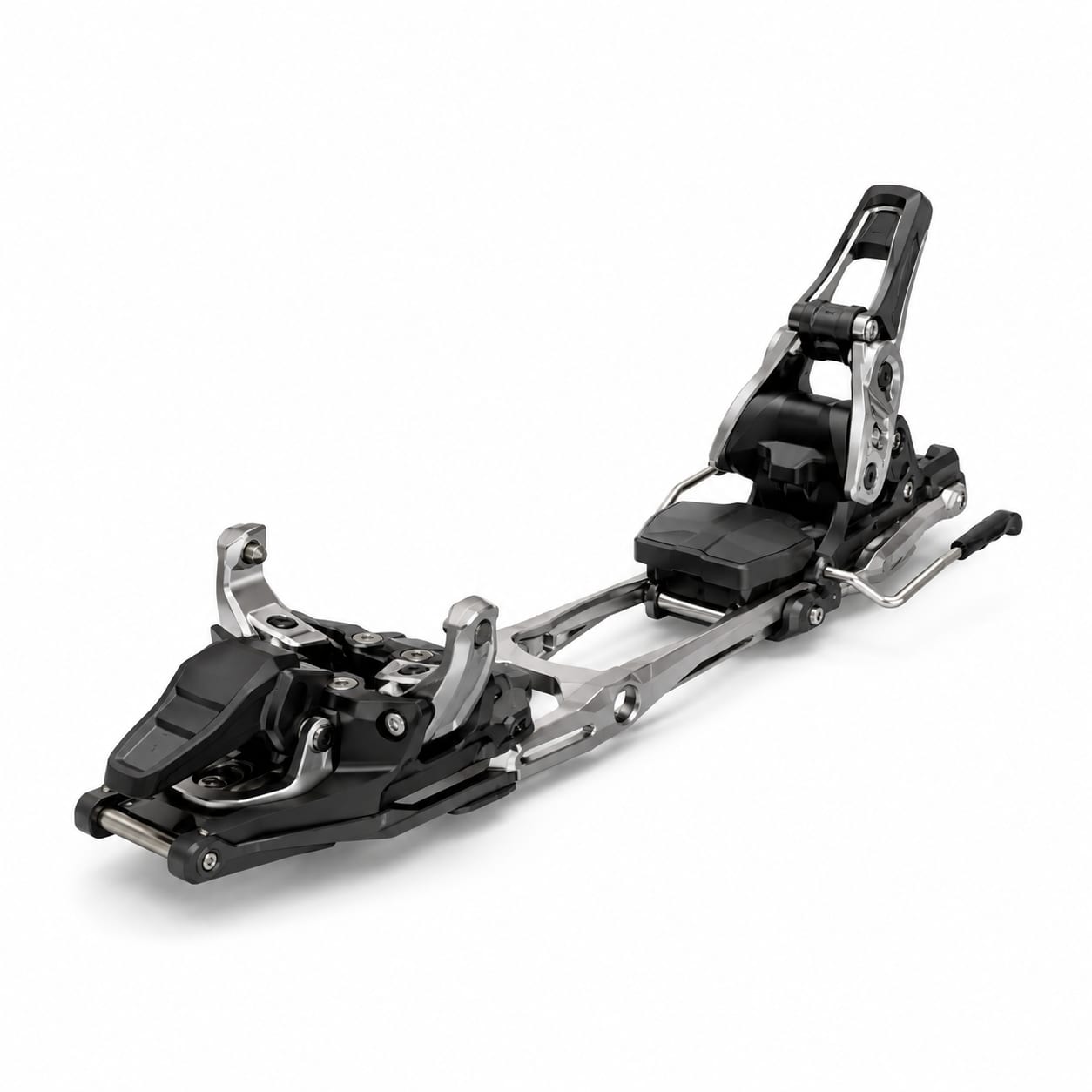
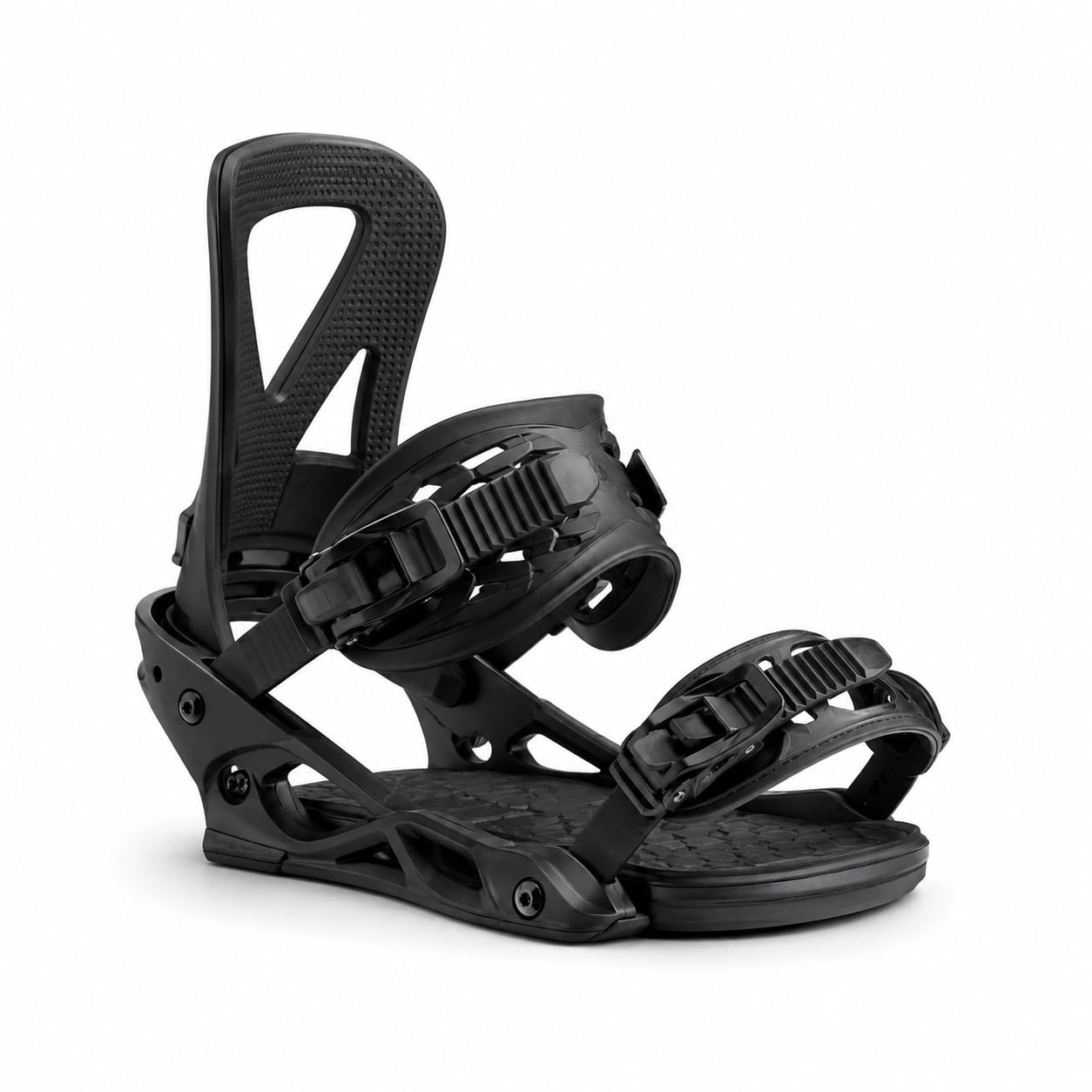
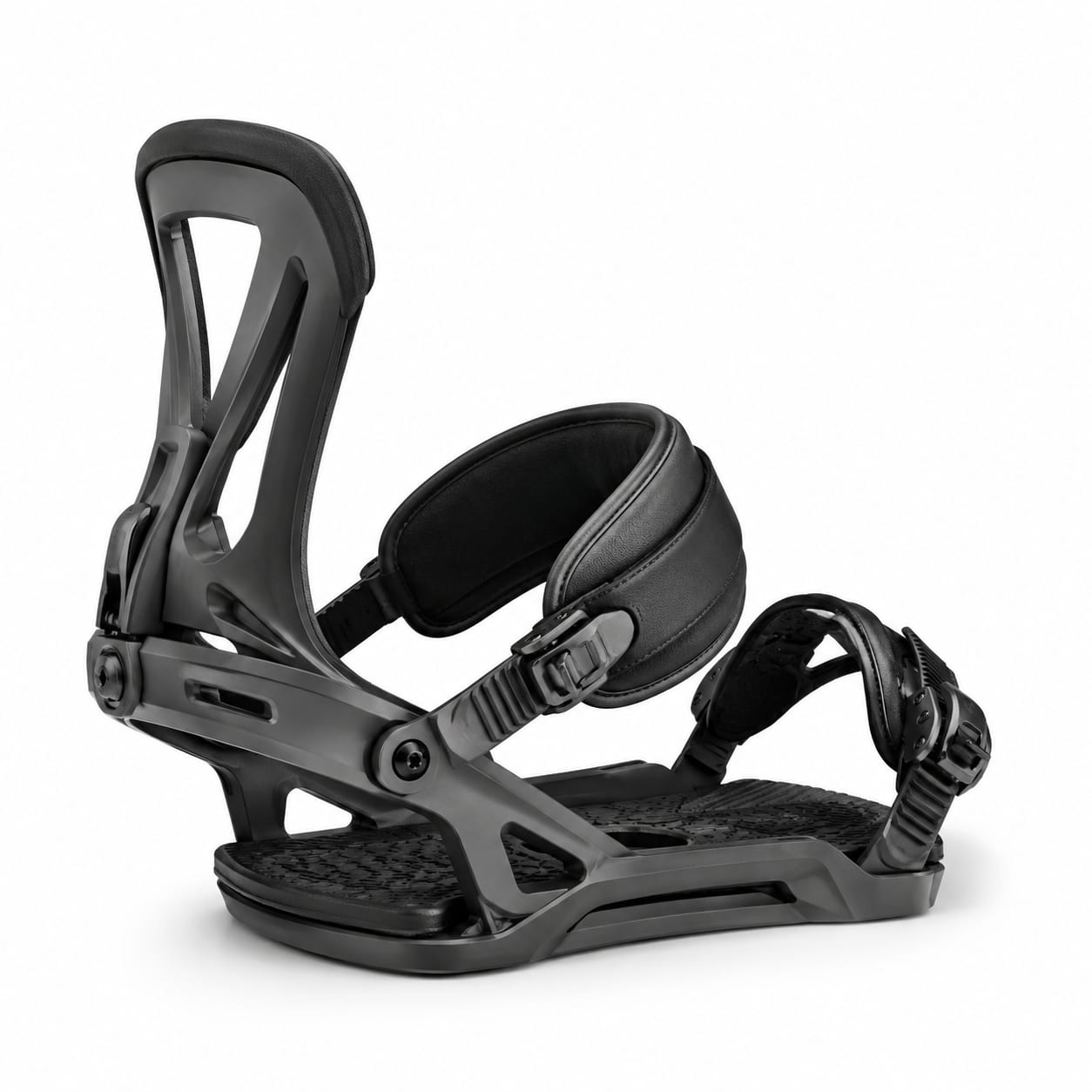
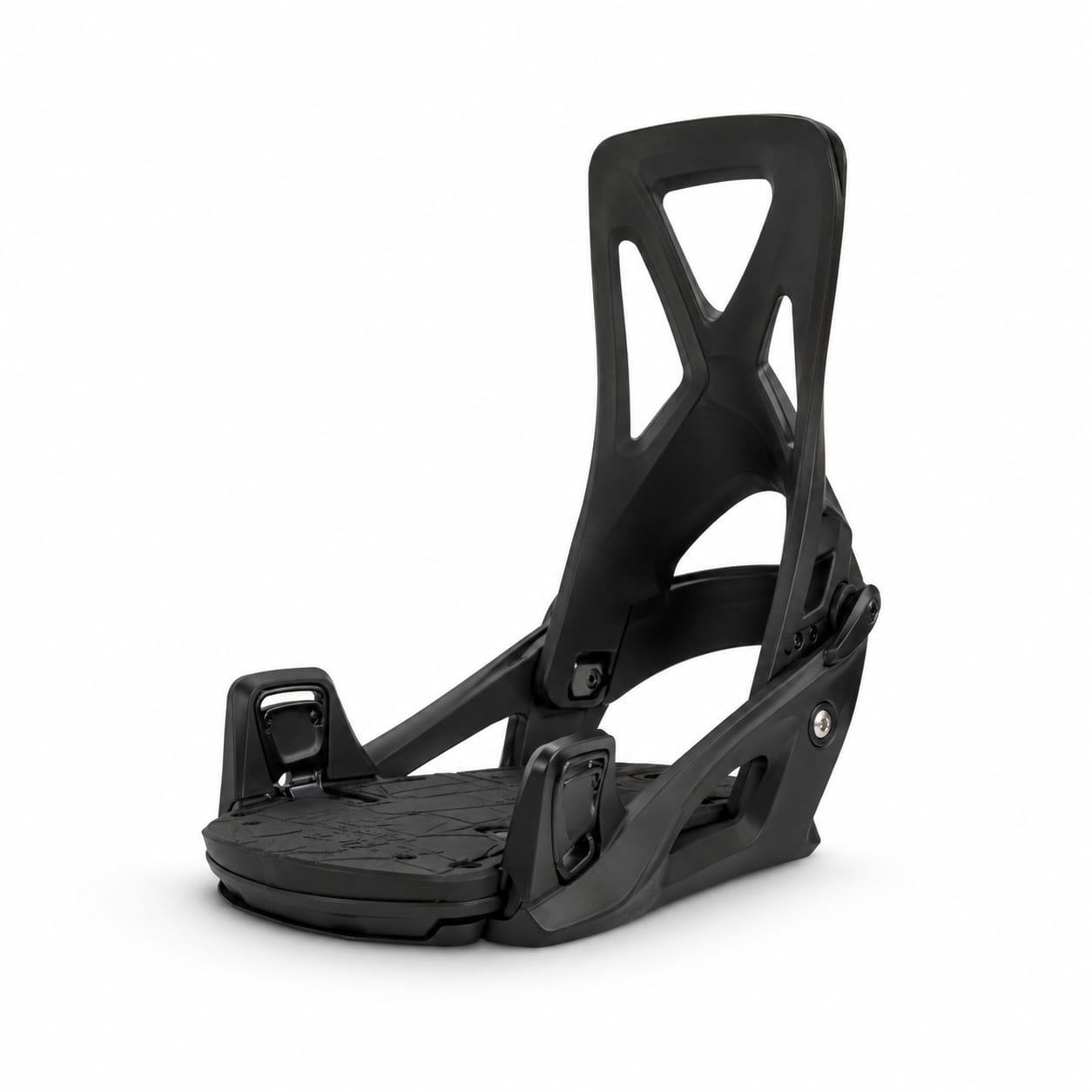
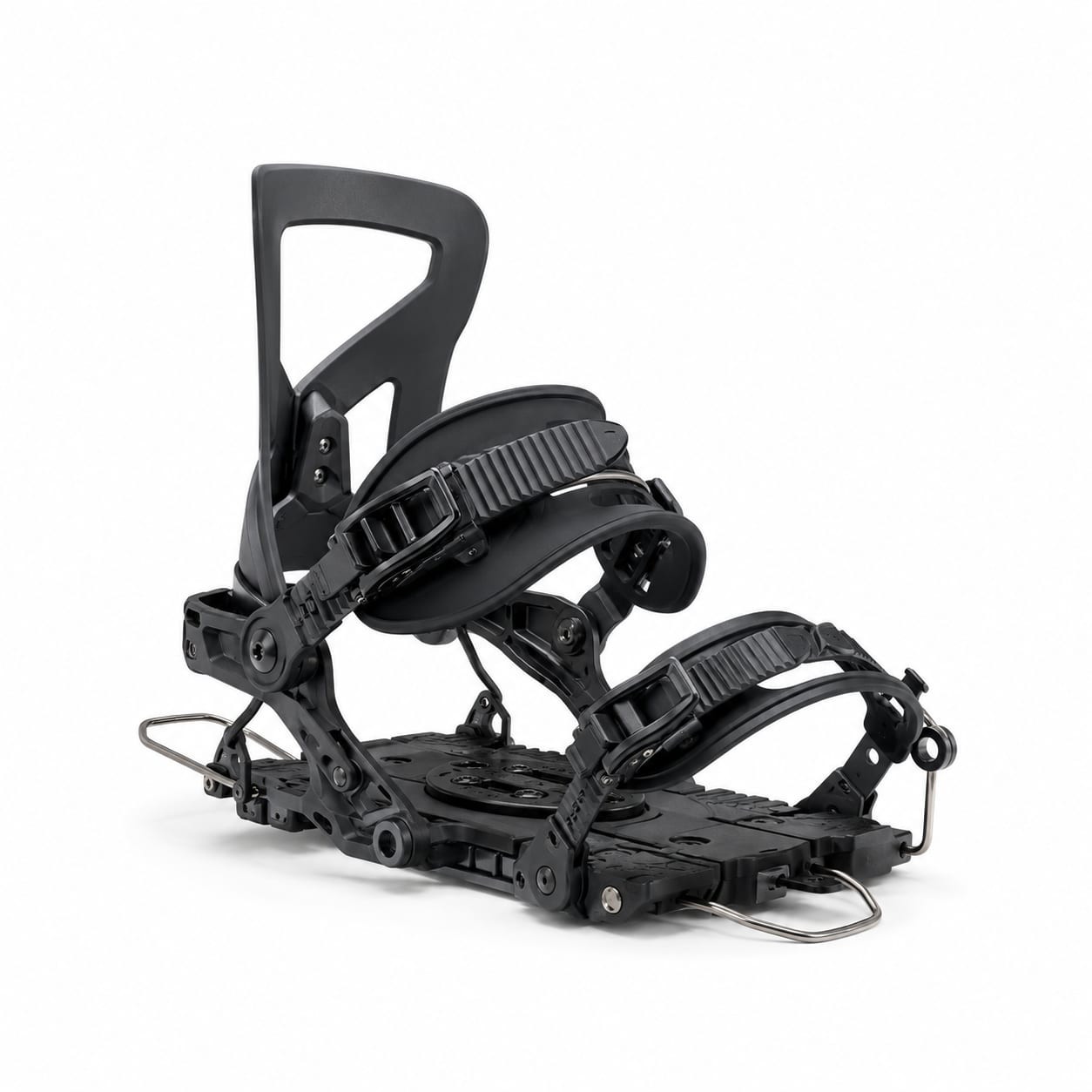
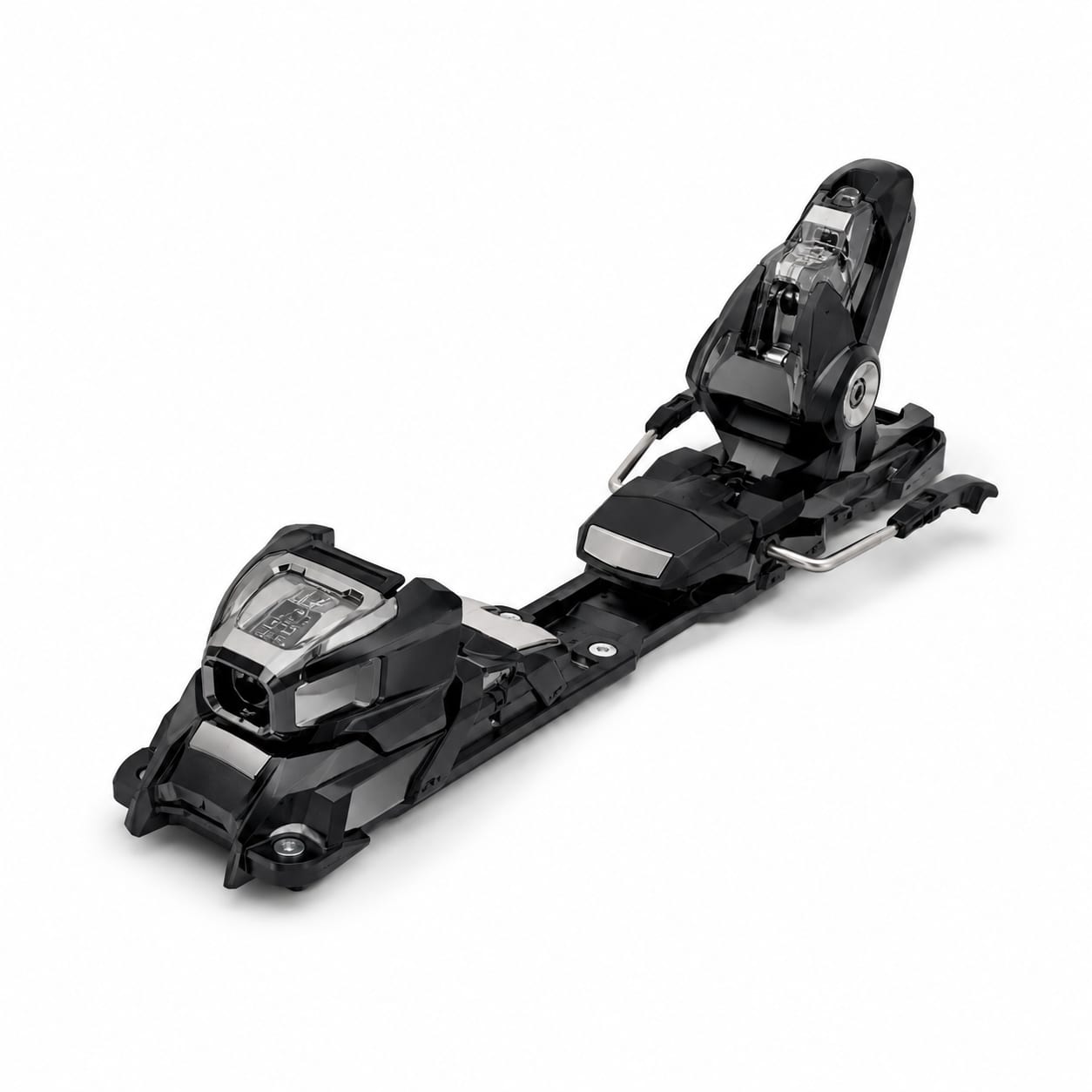
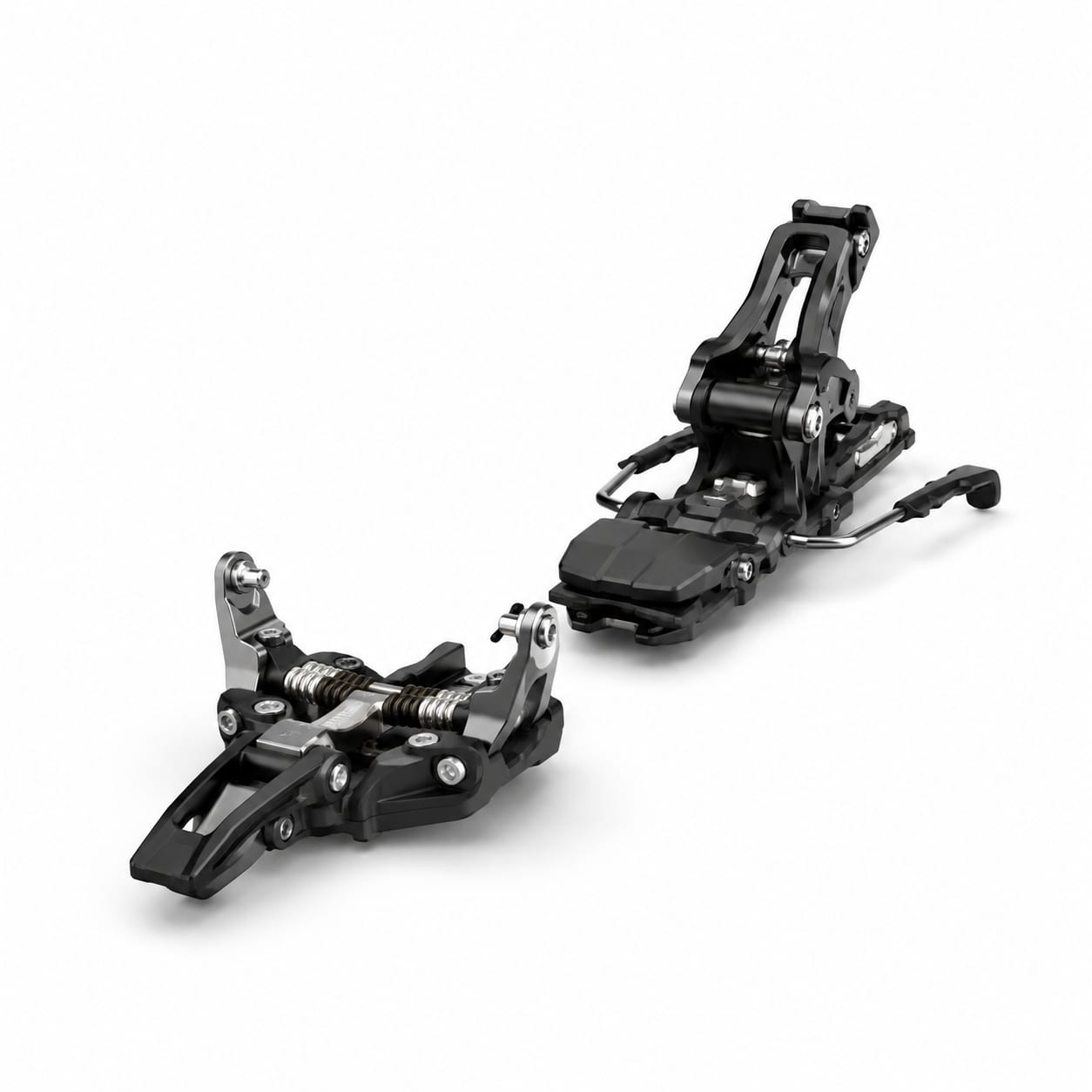
Alpine Touring Frame Bindings are purpose-built for splitboarding, featuring a mechanical frame that pivots at the toe piece to allow a natural walking stride during uphill travel, then locks rigidly into ride mode for the descent. Unlike pin-style tech bindings that prioritize ultralight weight, frame bindings maintain a traditional strap-based retention system and a solid baseplate-to-board connection, delivering downhill performance that closely mirrors resort bindings. This makes them the preferred choice for riders who prioritize confident, powerful riding in variable backcountry conditions over shaving grams on the ascent. The frame design incorporates heel risers (typically two heights) that flip up to reduce calf strain on steep skin tracks, and the entire system transitions between walk and ride modes using levers or locking mechanisms that can be operated with gloved hands. Most AT frame bindings mount to industry-standard splitboard pucks, ensuring broad compatibility across splitboard brands, though some models like Karakoram use proprietary mounting systems. They work with standard snowboard boots—no specialized tech-compatible soles required—which significantly lowers the barrier to entry for riders transitioning from resort to backcountry riding.
Alpine Touring Frame Bindings represent the most popular and versatile category in splitboard bindings, and for good reason. Their defining characteristic is the pivoting frame: in walk mode, the binding rotates freely around a toe pivot point, allowing your heel to lift naturally with each step as you skin uphill. This motion is essential for efficient touring and is what transforms a splitboard from a novel concept into a practical backcountry tool. When you reach the top and transition to ride mode, a locking mechanism—usually a lever or cam—secures the frame rigidly to the baseplate, creating a connection that feels remarkably similar to a traditional resort binding.
The downhill performance of frame bindings is where they truly differentiate themselves from pin-style tech bindings. Because they use conventional ankle and toe straps, a full baseplate, and a standard highback, power transfer from boot to board edge is direct and familiar. Riders coming from resort setups will feel immediately at home, which is a significant advantage when you're already managing the additional cognitive load of backcountry terrain assessment and route-finding. The trade-off is weight: frame bindings typically weigh 1,400–2,000g per pair, which is 300–600g more than comparable pin-style options. That extra weight is noticeable on long, steep ascents but pays dividends in confidence and control on the way down.
Heel risers are a critical feature unique to touring bindings, and frame bindings typically offer two heights (often called mid and high) that can be flipped up independently using your pole basket or a gloved hand. These risers reduce the angle your ankle must flex on steep skin tracks, dramatically decreasing calf fatigue on long climbs. The quality and ease of use of heel riser mechanisms varies significantly between brands and is worth evaluating carefully—frozen, difficult-to-operate risers can turn a pleasant tour into a frustrating slog.
Compatibility is a major advantage of the frame binding category. Most models mount to standard splitboard pucks (the 4x4 insert pattern used by Burton, Jones, Weston, and most other splitboard brands), meaning you can swap bindings between boards or upgrade without replacing your entire setup. Importantly, frame bindings work with any standard snowboard boot—you don't need boots with tech-compatible toe and heel fittings, which saves $300–$500 compared to the tech binding route. This makes frame bindings the natural starting point for riders entering the backcountry on a budget or those who use the same boots for resort and backcountry days.
The primary consideration when choosing AT frame bindings is honestly assessing your touring-to-riding ratio. If your backcountry days involve relatively short approaches (1–3 hours) and you prioritize confident, powerful riding in technical terrain, frame bindings are almost certainly the right choice. If you regularly undertake long, multi-hour approaches, are training for ski mountaineering objectives, or are counting every gram, pin-style tech bindings may be worth the investment and boot compromise. For the majority of splitboarders—especially those in North America where approaches tend to be moderate—frame bindings offer the best balance of touring capability and downhill performance.