
Snowboard Bindings · FAQ
Questions about Cross-Country Ski Bindings
Straight answers on fit, specs, and when this type makes sense — each topic has its own page with links back to the buying guide.
Open Cross-Country Ski Bindings guide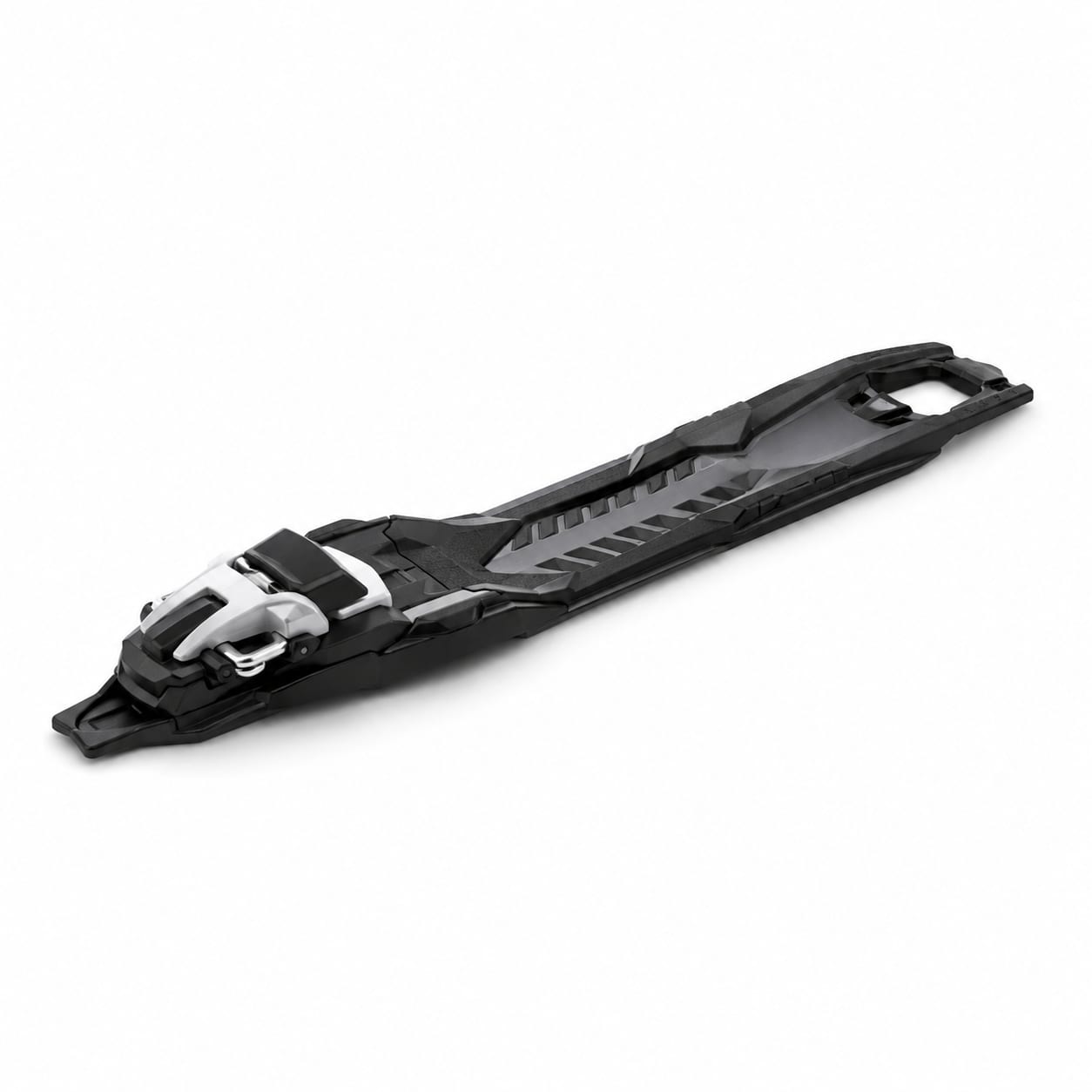
6 topics
Pick a question
Every answer links to the full subcategory guide and related gear types when it helps you decide.
Are NNN and Prolink bindings compatible with each other?
Yes, NNN and Prolink are mechanically compatible. You can use an NNN boot in a Prolink binding and vice versa. Both use the same two-ridge interface on the boot sole. However, SNS (Salomon Nordic System) is NOT compatible with either—SNS uses a completely different single-groove design. Always verify compatibility before purchasing.
Read answer →02Can I use the same bindings for classic and skate skiing?
Technically yes with 'combi' bindings that feature interchangeable flexors, but it's not ideal. Classic and skate bindings have fundamentally different flex characteristics—classic needs soft flex for smooth striding, while skate needs stiff flex for lateral stability. Combi bindings compromise both disciplines. If you ski both regularly, dedicated bindings for each discipline will perform significantly better.
Read answer →03What's the difference between manual and step-in XC bindings?
Manual bindings require you to open a lever, position your boot, and close the lever to secure it. Step-in bindings automatically lock when you step down into them—no bending required. Step-in bindings are more convenient, especially for skiers who frequently step in and out, but they're slightly heavier and more expensive. Both provide equally secure retention when properly engaged.
Read answer →04How do I know where to mount my XC bindings on the ski?
For skate skis, bindings are typically mounted at the ski's balance point (marked by the manufacturer). For classic skis, binding position is critical because it affects the kick zone—mount too far forward and you won't get grip; too far back and the ski will drag. Most skis have a recommended mounting mark. IFP/Turnamic systems allow adjustment after mounting, which is a major advantage for classic skis. When in doubt, have a professional mount your bindings.
Read answer →05Should I avoid SNS bindings since Salomon is discontinuing the system?
Yes, for new purchases, avoid SNS. Salomon has transitioned to Prolink, and SNS boot availability is shrinking. If you already own SNS boots and bindings, they'll continue to work fine, but when it's time to replace either, you'll need to switch to NNN/Prolink. Don't invest in a system with declining support and limited future boot options.
Read answer →06How long do XC bindings typically last?
With proper care, XC bindings can last 10-15+ seasons for recreational skiers. The toe clip mechanism is the primary wear point—if it develops excessive play or fails to hold the boot securely, it's time to replace. Race-weight bindings may wear faster due to thinner materials. Touring bindings exposed to rough conditions may need replacement sooner. The good news is that XC bindings are relatively inexpensive to replace compared to alpine bindings.
Read answer →