
Manual bindings require you to open a lever, position your boot, and close the lever to secure it. Step-in bindings automatically lock when you step down into them—no bending required. Step-in bindings are more convenient, especially for skiers who frequently step in and out, but they're slightly heavier and more expensive. Both provide equally secure retention when properly engaged.
Snowboard Bindings · Cross-Country Ski Bindings
What's the difference between manual and step-in XC bindings?
Related gear types
If this answer nudged you toward a different style, these guides compare specs and trade-offs.
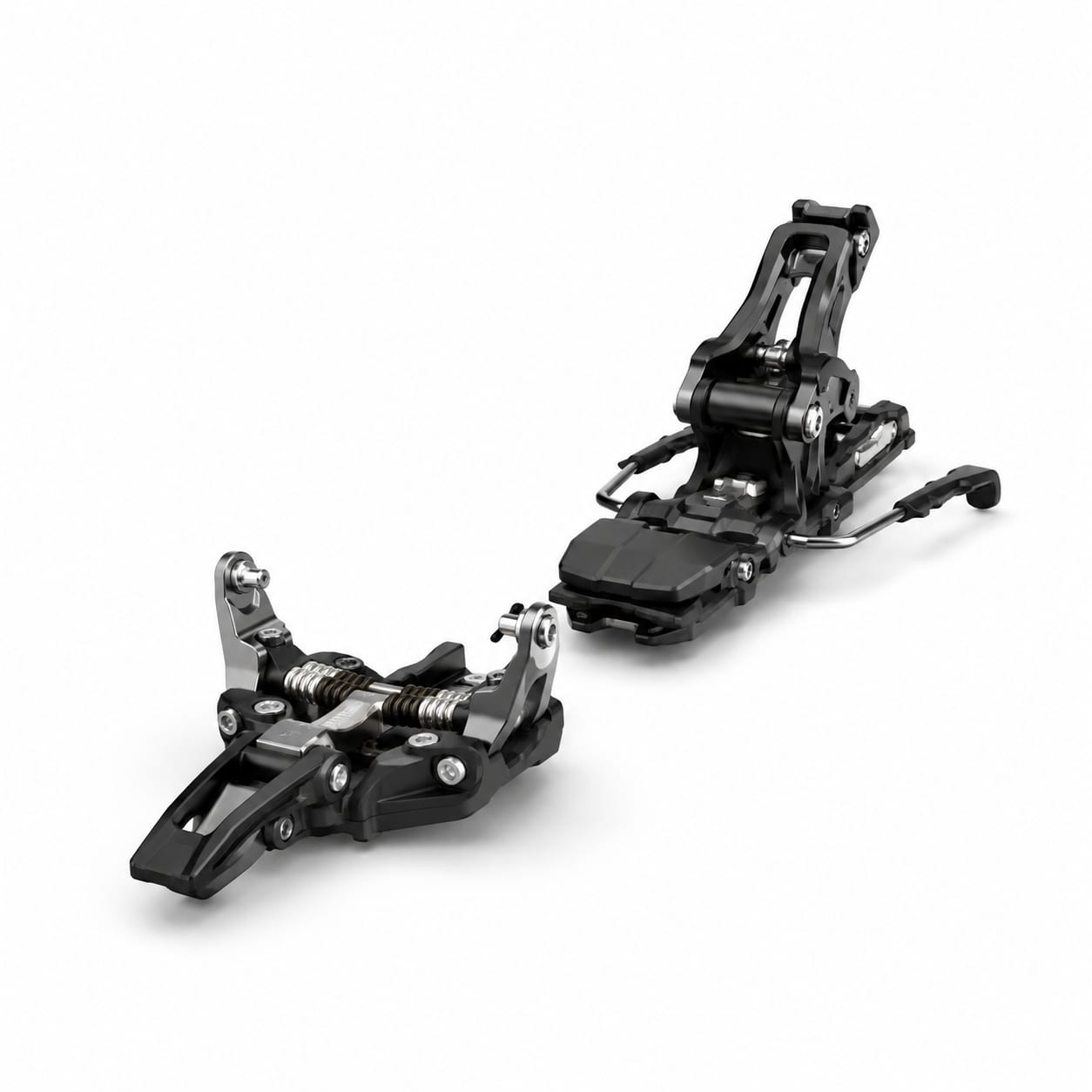
Tech/Pin Bindings
$300 – $900
Lightweight touring bindings using pin-clamping toe pieces for efficient uphill travel and backcountry skiing.
Pin-clamping toe pieceTech-compatible boot requiredRotating heel piece
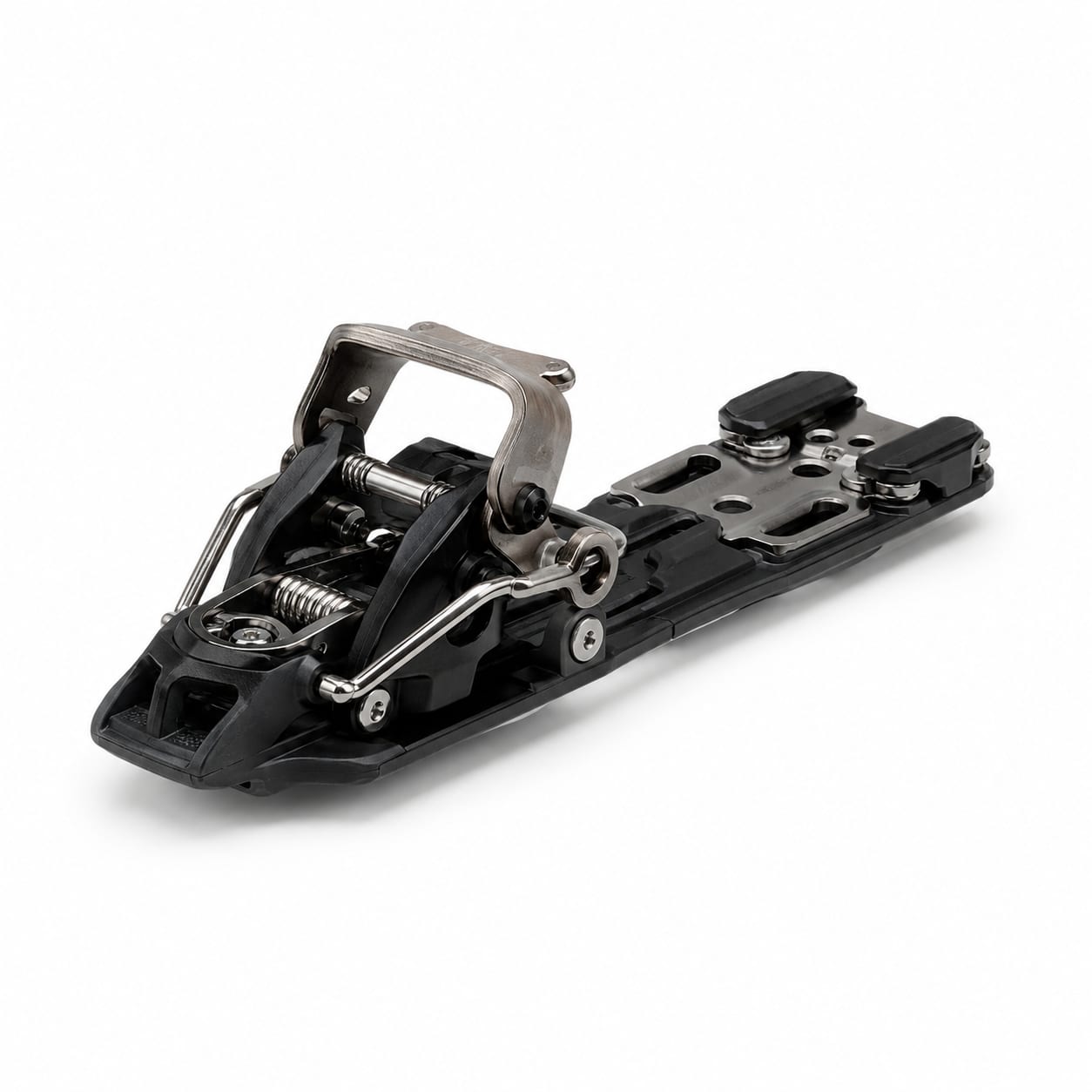
Telemark Bindings
$150 – $500
Free-heel ski bindings allowing telemark turns with a pivoting toe connection and no heel attachment.
Free-heel designToe-only attachmentPivoting toe mechanism
More questions
- Are NNN and Prolink bindings compatible with each other?
- Can I use the same bindings for classic and skate skiing?
- How do I know where to mount my XC bindings on the ski?
- Should I avoid SNS bindings since Salomon is discontinuing the system?