
For skate skis, bindings are typically mounted at the ski's balance point (marked by the manufacturer). For classic skis, binding position is critical because it affects the kick zone—mount too far forward and you won't get grip; too far back and the ski will drag. Most skis have a recommended mounting mark. IFP/Turnamic systems allow adjustment after mounting, which is a major advantage for classic skis. When in doubt, have a professional mount your bindings.
Snowboard Bindings · Cross-Country Ski Bindings
How do I know where to mount my XC bindings on the ski?
Related gear types
If this answer nudged you toward a different style, these guides compare specs and trade-offs.
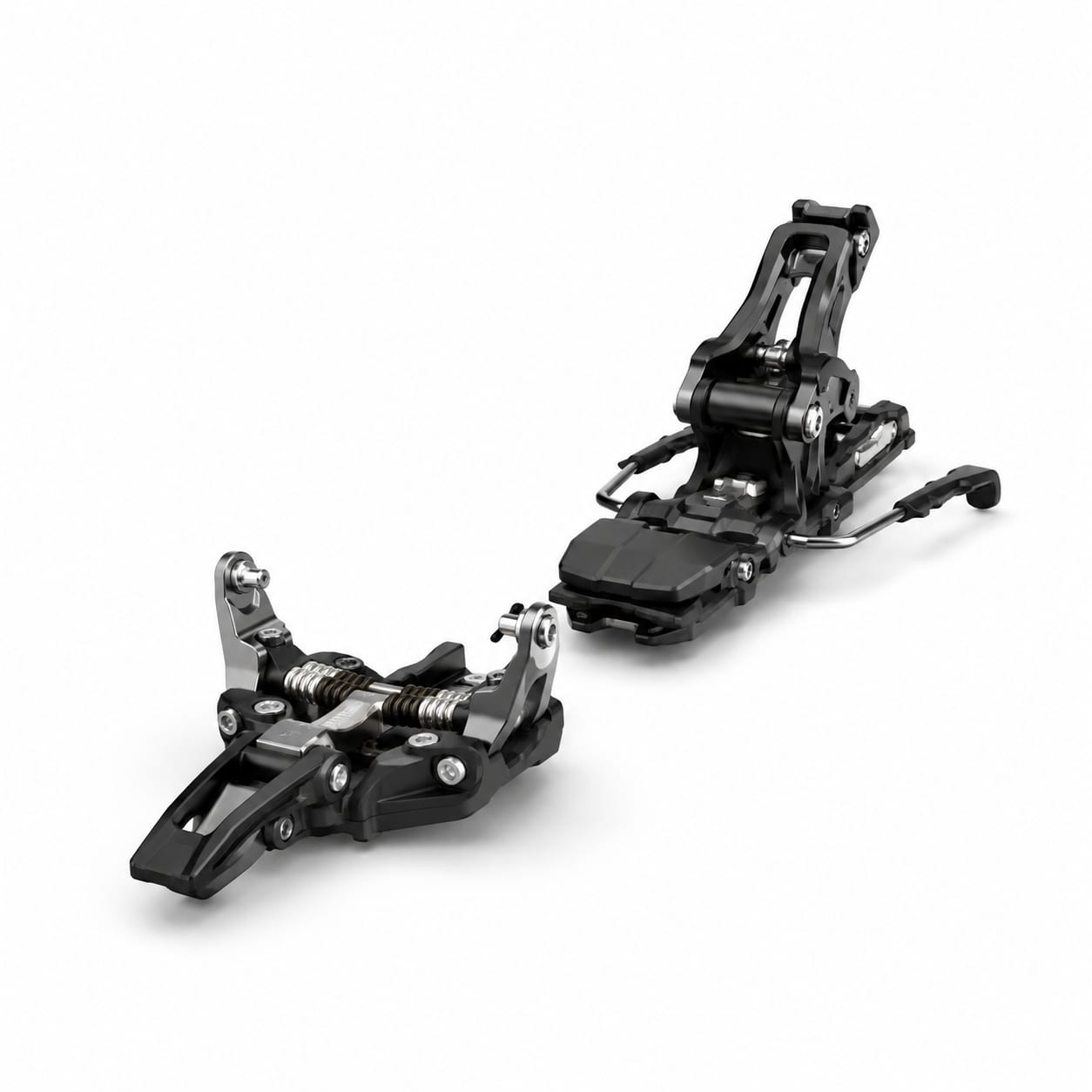
Tech/Pin Bindings
$300 – $900
Lightweight touring bindings using pin-clamping toe pieces for efficient uphill travel and backcountry skiing.
Pin-clamping toe pieceTech-compatible boot requiredRotating heel piece
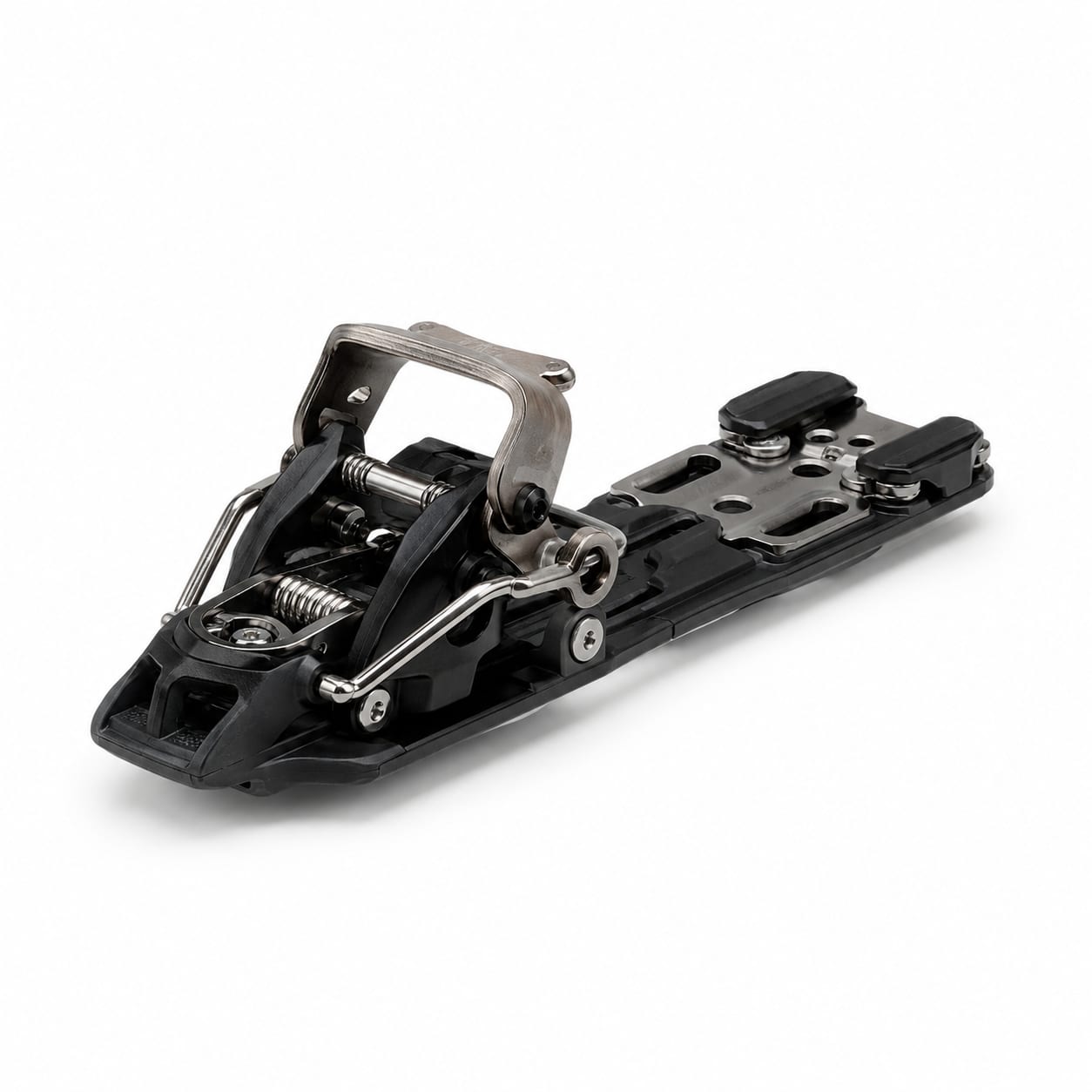
Telemark Bindings
$150 – $500
Free-heel ski bindings allowing telemark turns with a pivoting toe connection and no heel attachment.
Free-heel designToe-only attachmentPivoting toe mechanism
More questions
- Are NNN and Prolink bindings compatible with each other?
- Can I use the same bindings for classic and skate skiing?
- What's the difference between manual and step-in XC bindings?
- Should I avoid SNS bindings since Salomon is discontinuing the system?