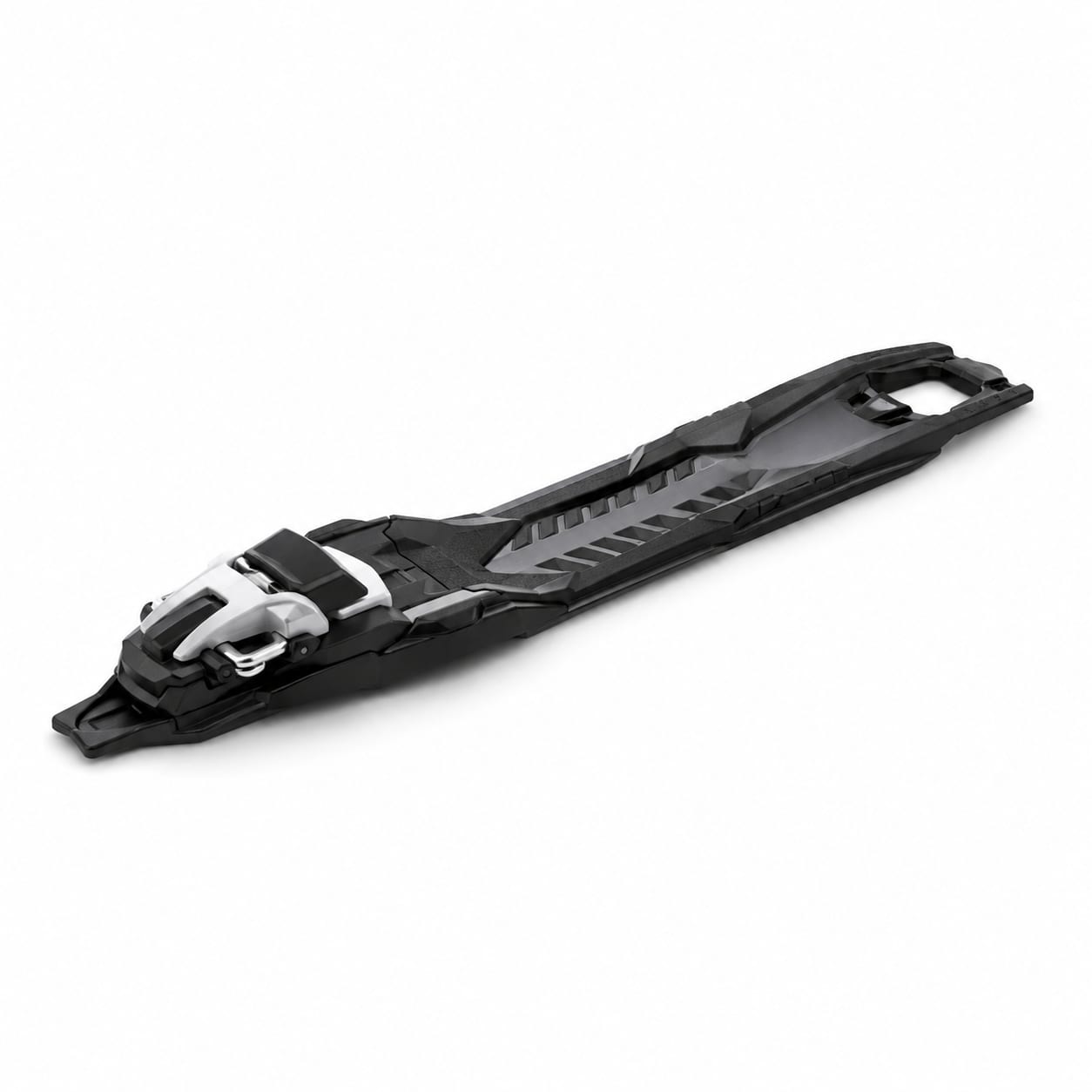
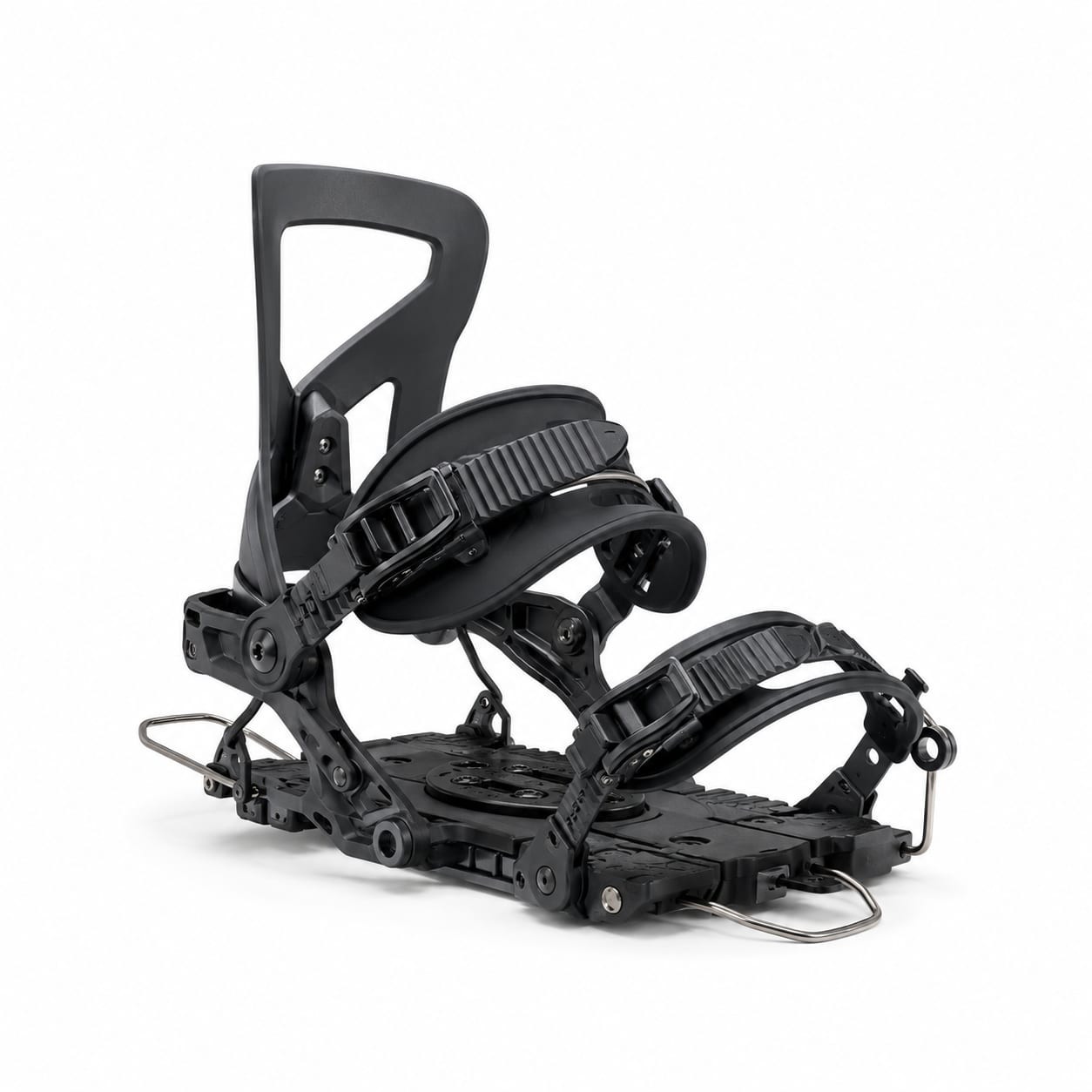
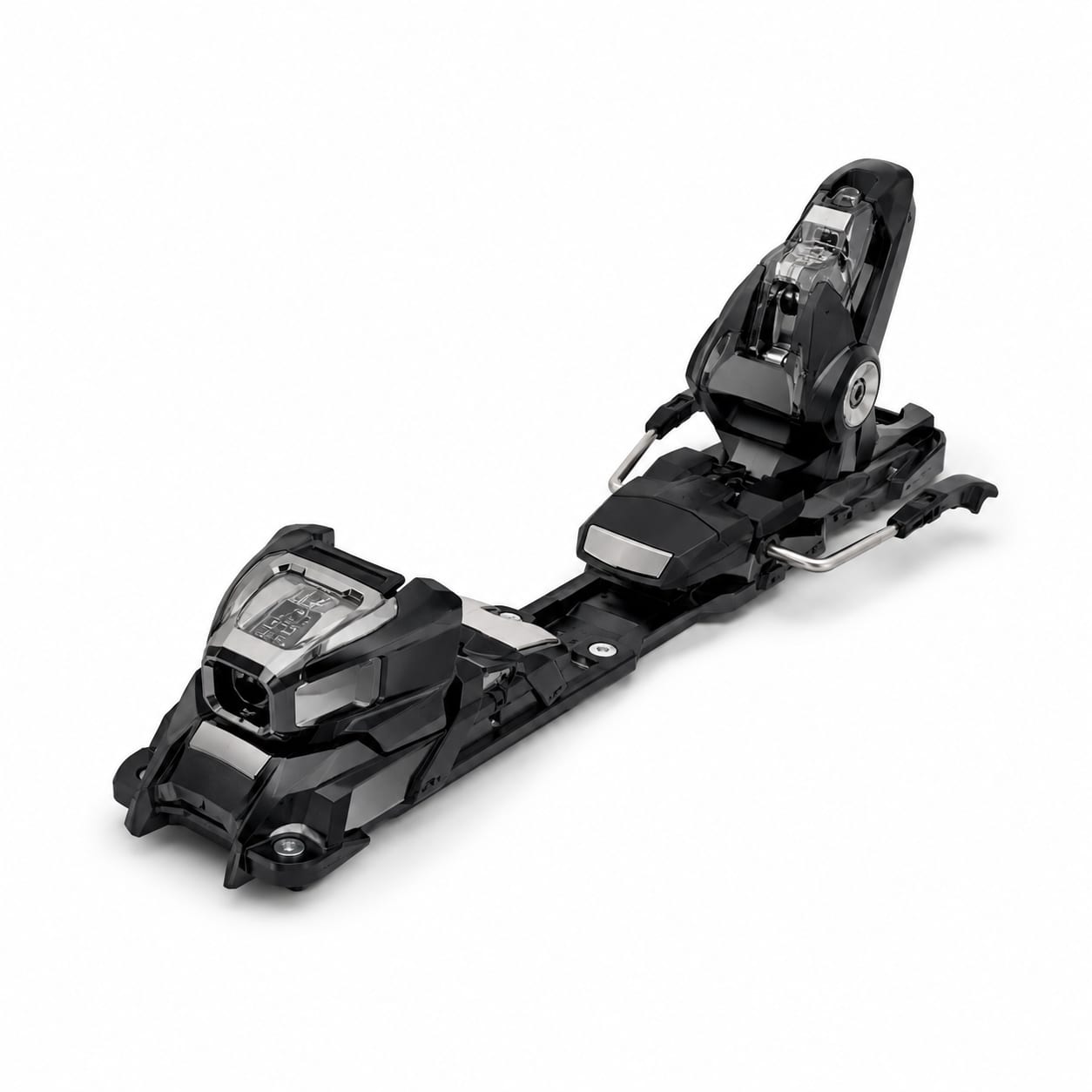
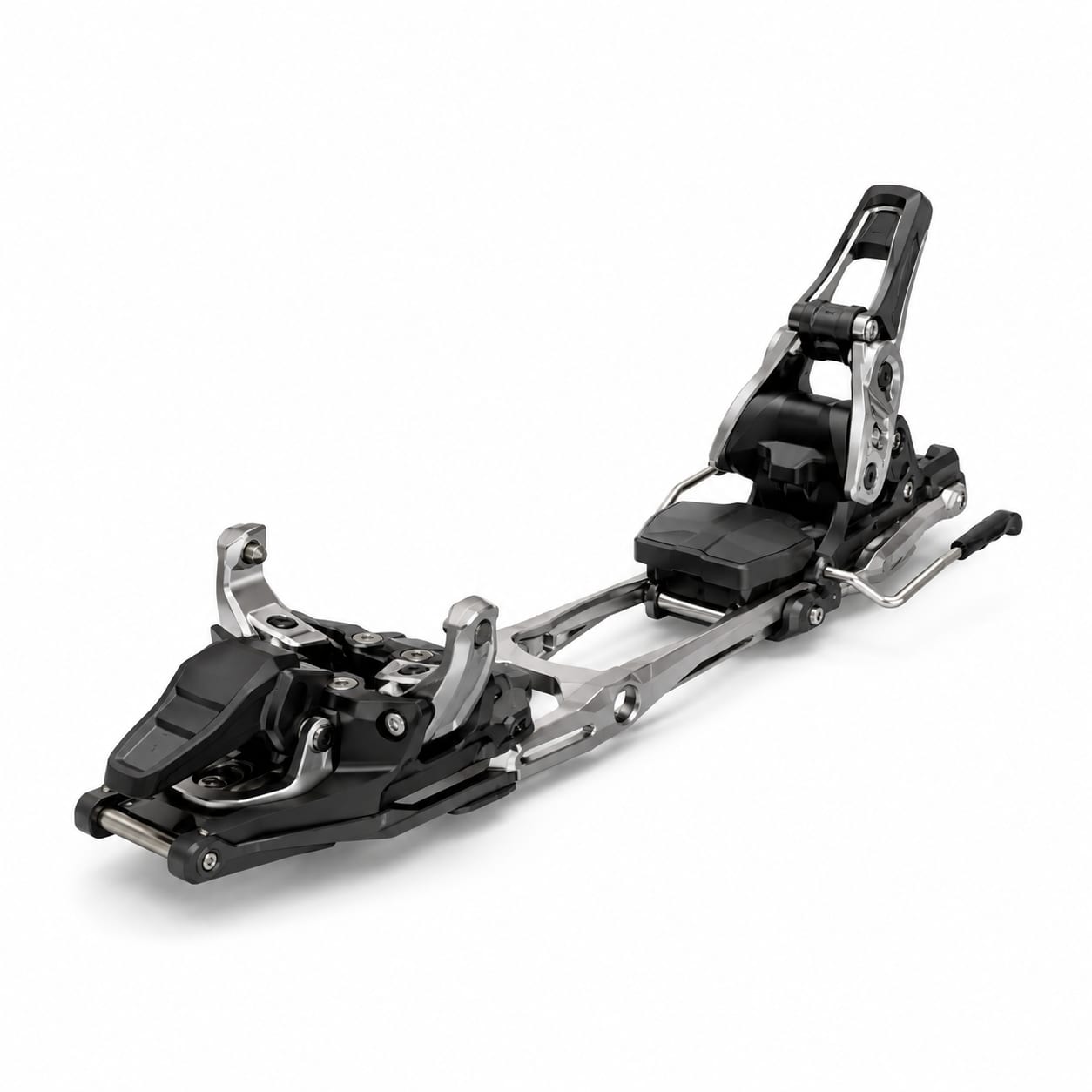
Cross-country ski bindings are the critical interface between boot and ski in Nordic skiing, securing only the toe of the boot while allowing the heel to lift freely. This design enables the walking, striding, and gliding motions that define cross-country skiing. Unlike alpine bindings that lock the entire foot down for downhill control, XC bindings prioritize rotational freedom and lightweight efficiency. The two dominant standards are NNN (New Nordic Norm, used by Rottefella and most brands) and Prolink (Salomon's compatible system), both of which use a two-pin toe interface. SNS (Salomon Nordic System) is an older single-groove standard being phased out. XC bindings are further differentiated by discipline: classic bindings feature a softer, more flexible boot-binding interface for smooth striding, while skate bindings use a stiffer connection for lateral power transfer during the V-skate motion. Touring bindings add features like wider platforms and sometimes metal reinforcements for off-trail durability.
Cross-country ski bindings represent one of the most refined and purpose-driven pieces of equipment in all of winter sports. Every gram matters when you're propelling yourself across kilometers of snow under your own power, and XC bindings reflect this reality with their stripped-down, minimalist designs. The fundamental principle is simple: secure the toe firmly enough for power transfer while allowing the heel to lift freely for natural striding. Achieving this balance with minimal weight, reliable retention, and efficient energy transfer has driven decades of engineering refinement.
The modern XC binding landscape is dominated by two primary interface standards. NNN (New Nordic Norm), developed by Rottefella, uses two parallel ridges on the boot sole that interface with corresponding channels in the binding, secured by a toe clip mechanism. Prolink, introduced by Salomon, is mechanically compatible with NNN—boots and bindings across both systems can be mixed and matched. This interoperability is a major benefit for consumers, though it's still wise to verify compatibility before purchasing. The older SNS (Salomon Nordic System) uses a single wide groove and is being discontinued, so new buyers should avoid SNS unless they already own SNS boots.
Discipline-specific design is where XC bindings truly differentiate themselves. Classic bindings prioritize a smooth, flexible feel at the toe pivot to allow the foot to roll naturally through the stride cycle. The flexor (a rubber or elastomer insert in many bindings) controls the forward flex resistance and return, with softer flexors for classic and stiffer ones for skate. Skate bindings feature a stiffer, more laterally rigid connection to prevent the foot from rolling inward during the powerful V-skate push-off. This stiffness translates directly to better edge control and more efficient power transfer. Touring and backcountry XC bindings often feature wider platforms, metal reinforcement plates, and sometimes adjustable heel pieces for descents.
Weight is arguably the most obsessively tracked metric in XC bindings. Race bindings can weigh as little as 65-85 grams per binding (130-170g per pair), while touring models may reach 200-300g per pair. This weight difference matters enormously over long distances—every gram saved reduces fatigue over a 50km race or full-day tour. However, the lightest bindings sacrifice some durability and features, so recreational skiers should balance weight against longevity and convenience features like step-in/step-out mechanisms. Most modern XC bindings feature easy manual lever closures, and some premium models offer hands-free step-in convenience.