Kitvore.com

Kitvore.com

Specs that matter. Gear that fits.

Snowboard · Subcategory

Freestyle Snowboard

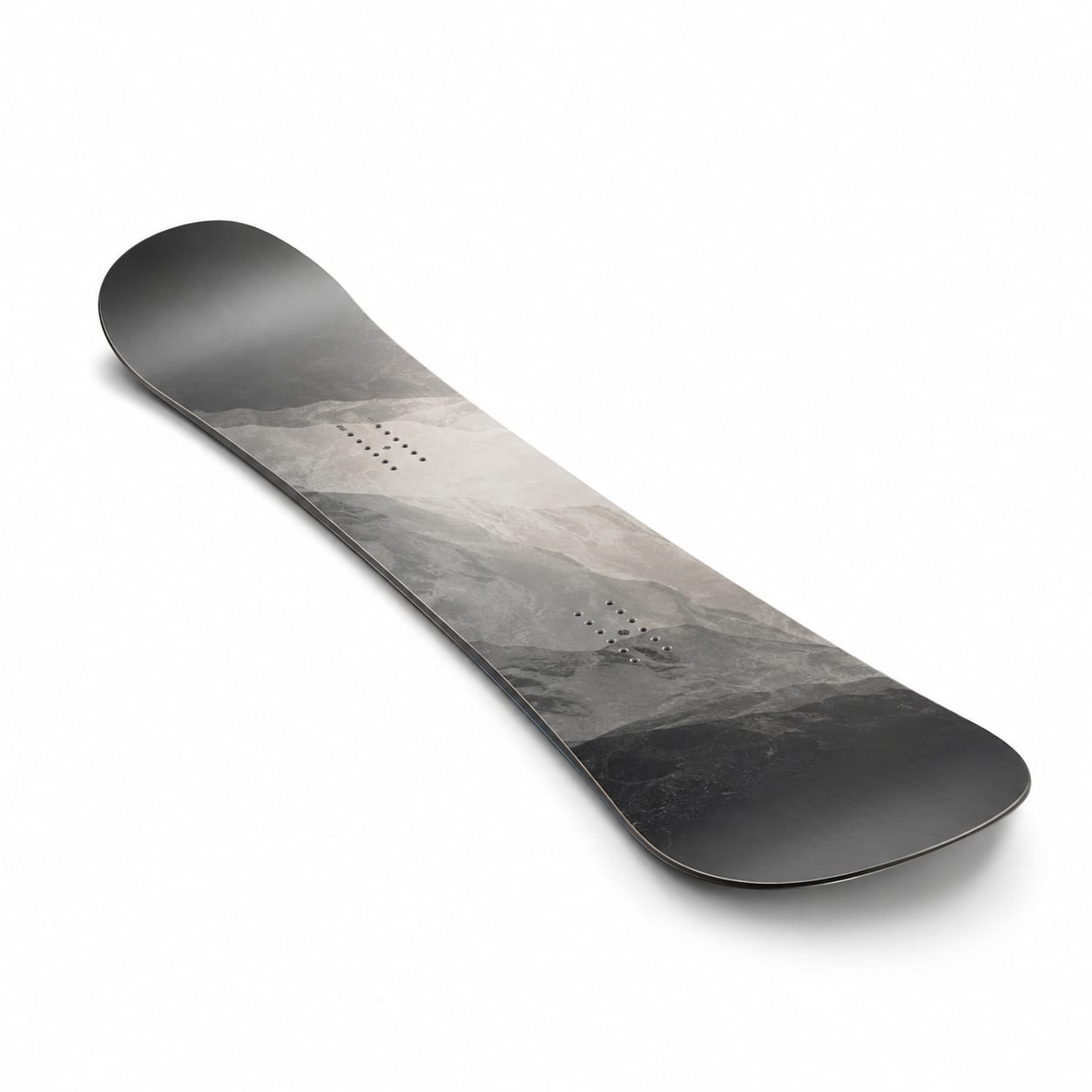
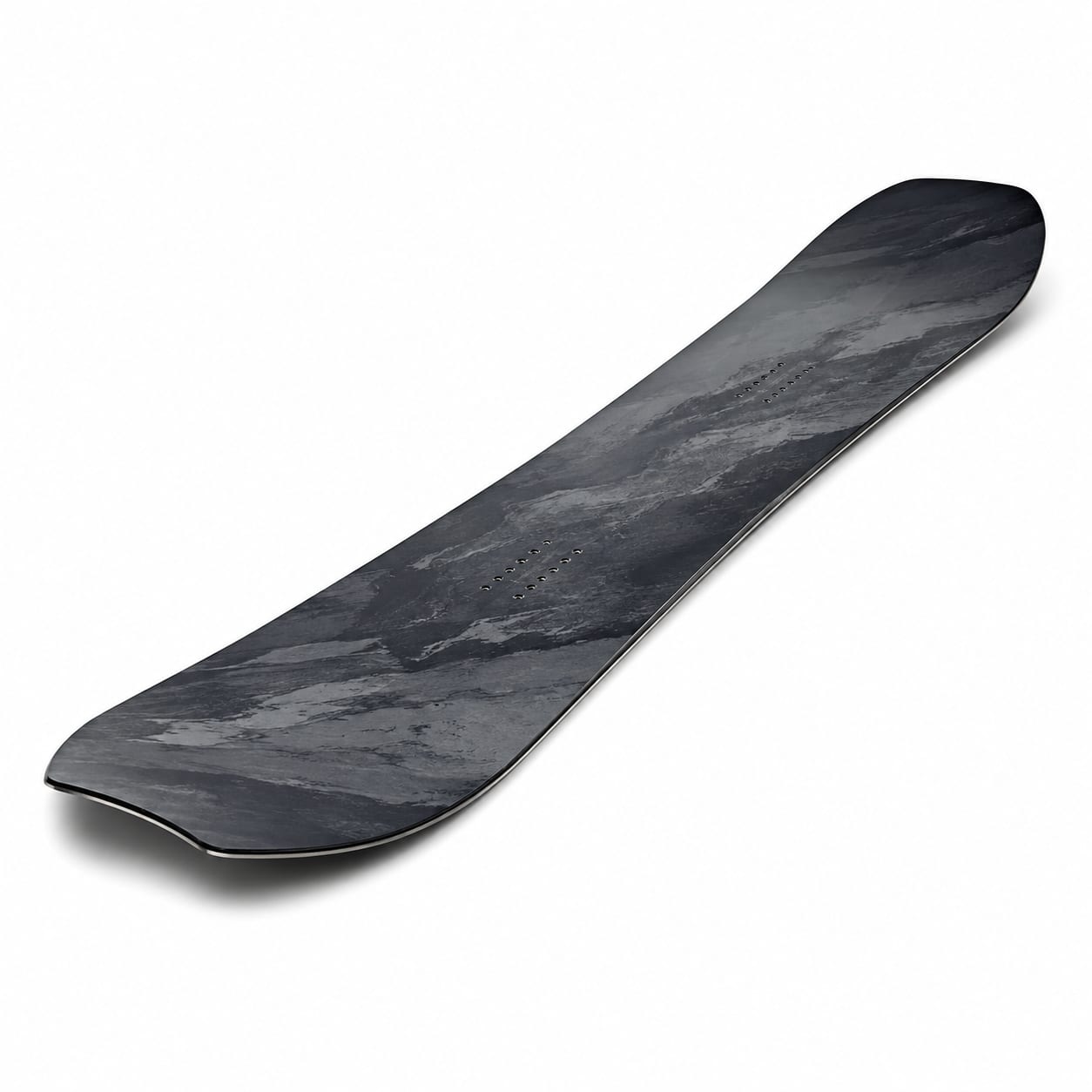
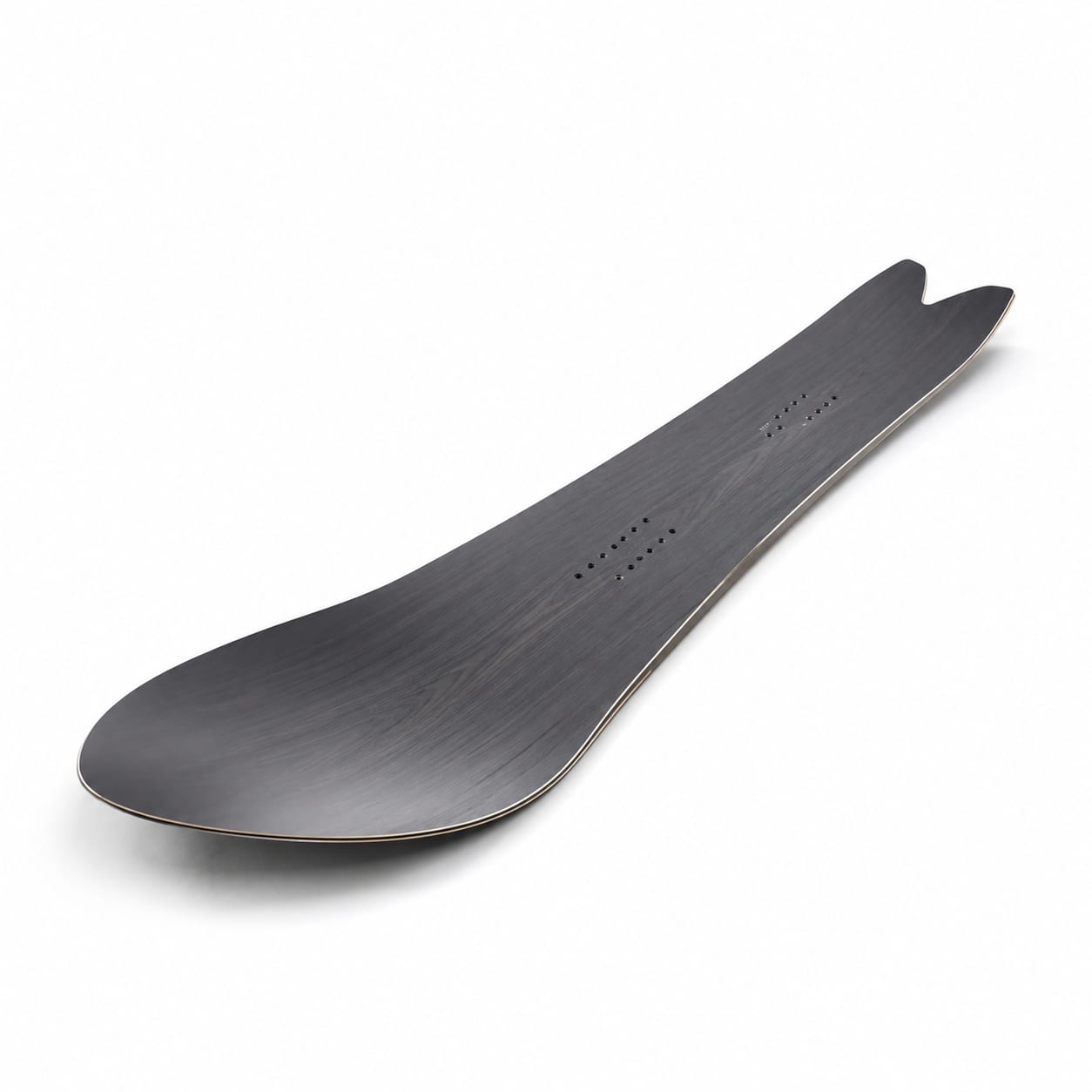
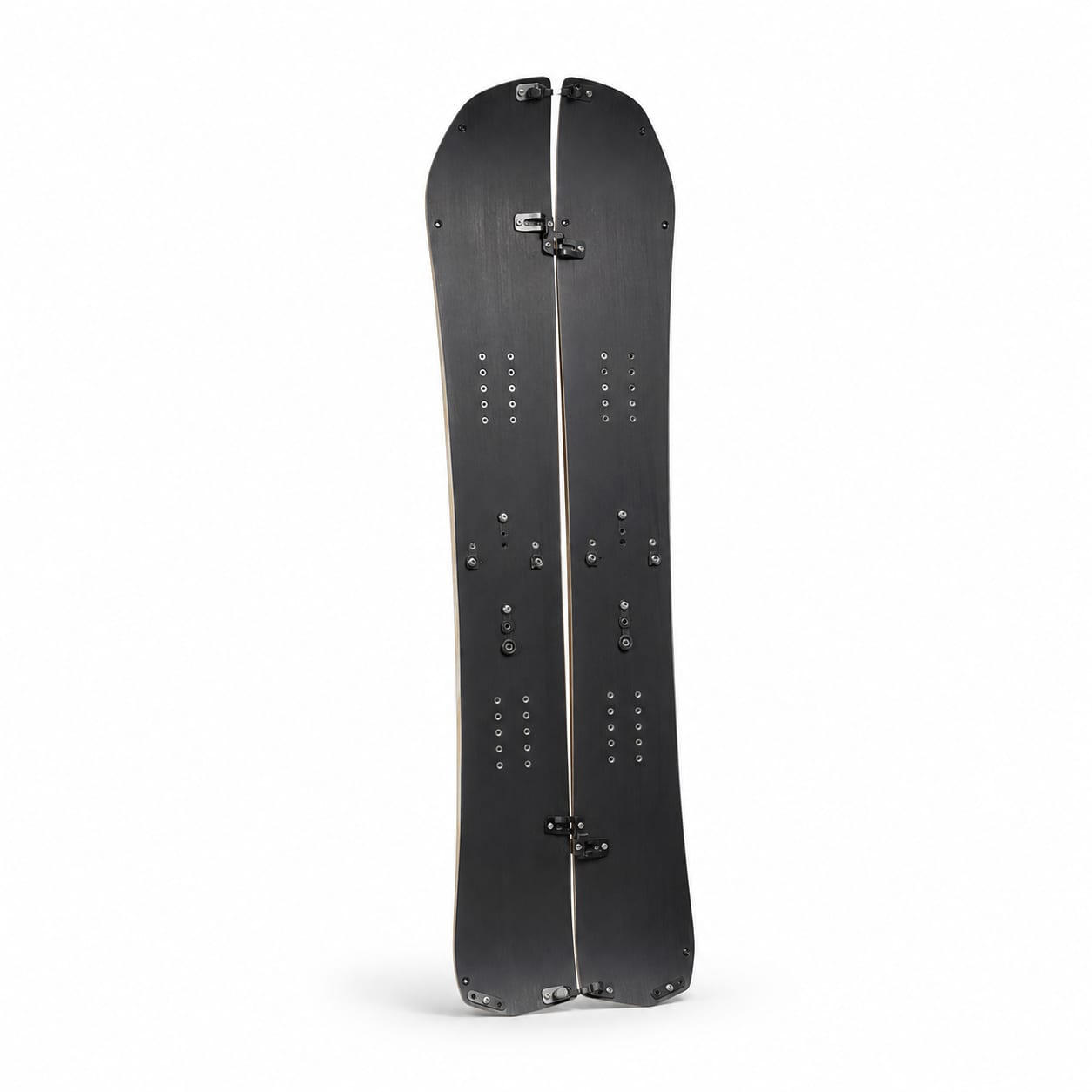
A twin-shaped, soft-to-medium flex snowboard engineered for terrain parks, halfpipes, rails, and freestyle tricks.

Freestyle snowboards are purpose-built for hitting jumps, jibbing rails, riding switch, and spinning in the terrain park. Featuring true twin shapes, centered stances, and playful flex patterns, these boards prioritize pop, maneuverability, and forgiveness over raw speed or powder float. Whether you're learning your first 360 or dialing in cab double corks, a freestyle board is your park lap companion.

$300 – $700mid tierintermediateadvancedexpert

Best known for

Twin shape for equal switch and regular ridingSoft to medium flex for presses, butters, and forgiveness on landingsCentered stance for balanced spin takeoffs and landingsEnhanced pop for ollies, nollies, and jump takeoffsDurable construction built to withstand rail and box impacts
Freestyle Snowboard

Guide

Detailed overview

Freestyle snowboards are the playground athletes of the snowboard world, designed specifically for terrain parks, halfpipes, street features, and freestyle trick riding. Their defining characteristic is the true twin shape—fully symmetrical tip and tail with a centered stance—which ensures identical performance whether riding regular or switch. This symmetry is essential for spins, landings, and the constant direction changes inherent in park riding. Flex patterns typically range from soft (2–3) for jib-focused boards to medium (4–6) for jump and pipe-oriented models, prioritizing playfulness, press-ability, and forgiveness over the edge hold and stability demanded by freeride designs. Camber profiles vary within the category: traditional camber delivers maximum pop for big jumps and halfpipe walls, hybrid camber blends pop with forgiveness for all-around park performance, and flat or rocker profiles excel on rails and boxes where edge catches are the enemy. Freestyle boards also feature reinforced edges and bases to withstand the abuse of rail slides, box hits, and repeated impacts. The trade-off for this specialization is reduced performance outside the park: less float in powder, lower stability at high speeds, and compromised edge hold on icy groomers compared to all-mountain or freeride boards.

Freestyle snowboarding has evolved from a niche counter-culture movement into one of the sport's most visible and progressive disciplines, and freestyle snowboards have evolved alongside it. Modern park boards are sophisticated instruments that balance seemingly contradictory demands: they must be soft enough to press and butter yet poppy enough to boost off 80-foot kickers; forgiving enough to save sketchy landings yet responsive enough to carve clean halfpipe transitions; durable enough to survive repeated rail impacts yet light enough to spin with ease. Manufacturers address these challenges through targeted construction techniques—reinforced sidewalls and edges in contact zones, dual-density cores with stiffer stringers under the inserts for pop, and sintered bases on higher-end models for the speed needed to clear large jumps.

The heart of a freestyle board is its true twin shape and centered stance. Unlike directional boards that favor forward riding, a true twin treats nose and tail identically, which is non-negotiable for riders who spend as much time riding switch as regular. The centered stance ensures that spin takeoffs and landings feel the same in either direction, and that presses balance naturally on either end. Zero taper and zero setback keep the board symmetrical in every dimension. This design philosophy sacrifices the float and directional power that freeride boards offer, but for park riders, that trade is entirely worthwhile.

Camber profile selection within the freestyle category depends heavily on your park specialty. Riders focused on big jumps and halfpipe gravitate toward traditional camber or hybrid camber profiles, which store and release energy for maximum ollie power and provide the edge hold needed to carve speed into large features. Jib specialists—those who spend most of their time on rails, boxes, and street features—often prefer flat or rocker profiles that virtually eliminate edge catches on features and make pressing effortless. The most versatile park riders, those who lap the whole park from the rail line to the jump line, typically choose hybrid camber or hybrid rocker profiles that offer a middle ground: enough pop and edge hold for jumps with enough forgiveness for rails.

Sizing a freestyle board is notably different from sizing an all-mountain or freeride board. Park riders typically choose boards 3–5 cm shorter than their all-mountain length, prioritizing reduced swing weight for spins and maneuverability for butters and presses. Weight-based sizing remains critical—a board that's too long and stiff won't flex properly for presses, while one that's too short and soft will lack the stability to land big jumps cleanly. The ideal freestyle board lives in that sweet spot where it's short enough to spin easily but long enough to provide a stable landing platform.

Durability is a key differentiator for freestyle boards compared to other categories. Repeated rail impacts, box slides, and hard landings take a toll that other boards never experience. Quality freestyle boards address this with thicker edges (sometimes with reinforced steel in impact zones), more robust sidewalls, and extruded or sintered bases chosen for repairability as much as speed. Many park riders actually prefer extruded bases for their easy repair and low maintenance—when you're hitting rails daily, base damage is a matter of when, not if. Understanding these trade-offs and choosing a board that matches your specific park discipline is the key to getting the most from your freestyle setup.

Quick facts

Primary purpose
Terrain park riding, tricks, jumps, and switch riding
Popular brands
BurtonCapitaRideLobsterSalomonGNU
Typical terrain
Terrain parksHalfpipesStreet featuresResort laps

What makes it different

True twin symmetry and softer flex prioritize switch riding and trick performance over high-speed stability

Recommended ranges

How this type usually specs out

Each spec is explained in plain language, then we show what buyers usually look for on this type.

Length

Board Length

What it means

The total length of the snowboard measured in centimeters from tip to tail. The primary sizing dimension affecting stability, float, and maneuverability.

Typical for this type

140–162 cm

Most common pick: 148–158 cm

In practice

Freestyle boards run shorter than all-mountain equivalents to reduce swing weight for spins and increase maneuverability for butters and presses. Most park riders size down 3–5 cm from their standard all-mountain length.

Compared to other types

Freestyle boards are typically 3–8 cm shorter than all-mountain boards and 5–10 cm shorter than freeride boards of the same rider weight, reflecting the priority on maneuverability over stability and float.

Why it matters: Shorter length makes spinning easier, reduces swing weight, and allows quicker initiation of presses and butters. However, going too short sacrifices landing stability on larger jumps.

Waist Width

Waist Width

What it means

The narrowest point of the snowboard's running surface, measured in millimeters. Determines boot-to-edge leverage and toe drag risk.

Typical for this type

245–265 mm

Most common pick: 246–258 mm

In practice

Standard waist widths work for most freestyle riders. Wide versions exist for riders with US size 11+ boots, but unnecessary width adds swing weight and slows edge-to-edge transitions in the park.

Compared to other types

Similar to all-mountain boards but narrower than powder boards. Freestyle riders are less likely to need wide models since park riding involves less deep-snow carving where drag becomes an issue.

Why it matters: Proper width prevents toe and heel drag during carves into jumps and on pipe walls, while minimizing unnecessary width keeps the board quick edge-to-edge and reduces rotational inertia for spins.

Profile

Camber Profile

What it means

The longitudinal curvature of the snowboard when laid flat. The single most influential design element on how a board feels and performs.

Typical for this type

Camber, Hybrid Camber, Hybrid Rocker, Flat

In practice

Hybrid camber is the most versatile freestyle profile, offering camber's pop between the feet with rockered tips for forgiveness on rails and float in soft landings. Pure camber remains the choice for jump and pipe specialists who need maximum pop and edge hold. Flat and rocker profiles suit jib-focused riders who prioritize rail performance above all else.

Compared to other types

Freestyle boards use a wider range of camber profiles than any other subcategory. While freeride boards lean toward camber and directional camber, and powder boards favor rocker, freestyle riders choose profiles based on their specific park discipline rather than defaulting to one type.

Why it matters: Camber profile directly determines how much pop the board generates, how forgiving it is on rails and sketchy landings, and how well it holds an edge when carving speed into features. It is arguably the most important design choice for a freestyle board.

Shape

Shape

What it means

The outline symmetry of the snowboard. Determines stance positioning, switch capability, and intended riding direction.

Typical for this type

True Twin, Directional Twin

In practice

True twin is the standard for freestyle boards, providing fully symmetrical performance in both directions for switch riding, spins, and landings. Directional twins appear in some all-mountain freestyle hybrids that lean toward park but still need some versatility outside the park.

Compared to other types

Freestyle is the only subcategory where true twin is the dominant shape. All-mountain boards favor directional twins, freeride boards use directional shapes, and powder boards use tapered directional shapes—all of which compromise switch performance.

Why it matters: A true twin shape ensures that switch riding feels identical to regular, that spins take off and land the same way in either direction, and that presses balance naturally on both the nose and tail. This symmetry is fundamental to freestyle riding.

Flex

Flex Rating

What it means

The stiffness of the snowboard, typically rated on a 1–10 scale. Affects responsiveness, stability, and ease of turning.

Typical for this type

2–6

Most common pick: 4

In practice

Freestyle flex ranges from soft (2–3) for jib and rail boards that need to press easily, to medium (4–5) for versatile park boards that handle jumps and rails, to medium-stiff (5–6) for jump and pipe boards that need stability at speed and on large landings. Most all-around park boards sit at 3–5.

Compared to other types

Freestyle boards are significantly softer than freeride (7–9) and all-mountain (5–7) boards, prioritizing playfulness and press-ability over stability and edge hold. Only beginner boards match freestyle flex softness, but for different reasons.

Why it matters: Flex determines how easily the board presses, how much pop it generates, how stable it feels on jump landings, and how forgiving it is on rail features. Too soft and big jumps feel unstable; too stiff and rails become punishing and presses require excessive effort.

Sidecut Radius

Sidecut Radius

What it means

The radius of the imaginary circle formed by the board's edge curve. Determines the natural turning radius of the board.

Typical for this type

6.0–8.5 m

Most common pick: 7.0–8.0 m

In practice

Freestyle boards typically feature medium-to-tight sidecut radii that allow quick turn initiation for setting up tricks and carving into jump takeoffs. Multi-radius sidecuts are common, providing tight turns at low speed for park navigation with stable arcs at higher speeds for pipe transitions.

Compared to other types

Freestyle sidecuts are tighter than freeride boards (8–10m) which prioritize sweeping high-speed turns, but similar to all-mountain boards. Pipe-specific boards sometimes feature slightly larger radii to match the arc of halfpipe walls.

Why it matters: A tighter sidecut helps riders make quick adjustments when setting up for features and carving speed into jump takeoffs. However, too tight a sidecut can feel hooky on landings and unstable at the speeds needed for large jumps.

Effective Edge

Effective Edge Length

What it means

The length of the edge that actually contacts the snow during a turn, measured in centimeters. Excludes the tip and tail kick areas.

Typical for this type

105–125 cm

Most common pick: 110–120 cm

In practice

Freestyle boards have shorter effective edges relative to their total length compared to other categories, largely because their twin tips and often rockered profiles reduce the contact length. This is acceptable because park riding demands less edge hold than freeriding.

Compared to other types

Freestyle boards have the shortest effective edges relative to total length of any subcategory. A 155cm freestyle board might have the same effective edge as a 152cm all-mountain board due to its more pronounced tip and tail kick.

Why it matters: Shorter effective edge makes the board easier to spin and maneuver, but reduces edge hold on hardpack and ice. For park riders, this trade-off is worthwhile since most park features don't require extended edge engagement.

Stance Setback

Stance Setback

What it means

How far back from the board's center the reference stance position is placed, measured in millimeters. Affects float and directional performance.

Typical for this type

0 mm

In practice

Freestyle boards feature a centered stance (0mm setback) as standard. This is non-negotiable for true freestyle performance, ensuring equal nose and tail length for balanced spins, landings, and switch riding.

Compared to other types

Freestyle is the only subcategory where 0mm setback is the universal standard. All-mountain boards typically have 10–20mm setback, freeride boards 25–40mm, and powder boards 40mm+, all of which would hinder park performance.

Why it matters: A centered stance ensures that the rider's weight is positioned directly over the board's midpoint, making spins balanced, landings equal in either direction, and switch riding feel identical to regular. Any setback would compromise these fundamental freestyle requirements.

Rider Weight Range

Recommended Rider Weight Range

What it means

The manufacturer's recommended rider weight range for optimal board performance. The most important sizing factor beyond board length.

Typical for this type

45–100 kg

Most common pick: 55–85 kg

In practice

Weight ranges for freestyle boards correspond to their shorter lengths. A typical 155cm freestyle board might support 60–80 kg, whereas a 155cm all-mountain board might support 65–85 kg. Always check the specific manufacturer's recommendation for each size.

Compared to other types

Freestyle boards tend to have slightly lower weight ranges per given length compared to stiffer all-mountain and freeride boards, reflecting their softer flex patterns that are designed to engage with less force.

Why it matters: Matching rider weight to the board's flex is especially critical for freestyle. A rider too heavy for the board will overpower it on jumps and bottom out on landings; a rider too light won't be able to flex the board into presses or generate proper pop.

Terrain / Riding Style

Terrain Type

What it means

The primary terrain and riding style the board is designed for. The most fundamental categorization used by brands and retailers.

Typical for this type

Freestyle / Park

In practice

Freestyle boards are categorized under the freestyle/park terrain type by definition. Some models blur the line with all-mountain, but a true freestyle board is optimized first and foremost for terrain park features including jumps, rails, boxes, and halfpipes.

Compared to other types

Freestyle is the most specialized terrain category after carving/alpine. While all-mountain boards attempt to handle everything, freestyle boards unapologetically optimize for park performance at the expense of versatility elsewhere.

Why it matters: The terrain type designation reflects the board's design priorities: pop, maneuverability, switch capability, and durability over float, stability at speed, and edge hold. Understanding this helps set realistic expectations for performance outside the park.

Ability Level

Ability Level

What it means

The rider skill level the board is designed and optimized for.

Typical for this type

Beginner to Advanced

Most common pick: Intermediate to Advanced

In practice

Freestyle boards span a wide ability range. Soft, rockered park boards are accessible to motivated beginners who want to progress in the park from day one. Mid-flex hybrid camber boards suit intermediates developing their trick repertoire. Stiffer cambered jump and pipe boards serve advanced riders pushing their limits on large features.

Compared to other types

Freestyle boards cover a broader ability range than freeride boards (which skew advanced/expert) and are more accessible than carving boards. Their soft flex makes them approachable, but the park environment itself demands progression.

Why it matters: Matching ability to board flex and profile is crucial for park riding specifically. A beginner on a stiff camber board will struggle with edge catches on rails and difficulty pressing; an advanced rider on a soft rocker board will lack the pop and stability needed for large jumps.

Core Material

Core Material

What it means

The primary wood or composite material forming the board's internal structure. Affects weight, flex, pop, and dampening.

Typical for this type

Poplar, Bamboo, Aspen / Enhanced Wood

In practice

Poplar is the most common core material in freestyle boards, offering a proven balance of pop, durability, and weight. Bamboo is popular in higher-end freestyle models for its excellent snap and lively feel. Aspen with dense wood stringers under the inserts appears in premium park boards for targeted pop zones.

Compared to other types

Freestyle boards prioritize pop and weight over the dampening that freeride boards seek. Paulownia, common in splitboards for its light weight, is less common in freestyle boards because it lacks the impact resistance needed for park riding.

Why it matters: Core material affects the board's pop (critical for ollies and jump takeoffs), weight (important for spin ease), and durability (essential for withstanding repeated hard landings). Freestyle boards benefit from cores that deliver snappy, responsive flex patterns.

Base Material

Base Material

What it means

The material on the board's running surface that contacts the snow. Affects speed, durability, and maintenance requirements.

Typical for this type

Extruded, Sintered

In practice

Extruded bases are common on jib boards and budget freestyle models because they're easy to repair and low maintenance—key when you're damaging your base on rails regularly. Sintered bases appear on mid-to-high-end freestyle boards, especially jump and pipe models where speed is needed to clear large features and maintain momentum through pipe transitions.

Compared to other types

Freestyle is the only subcategory where extruded bases are commonly chosen by experienced riders intentionally (for jib boards). Freeride and all-mountain boards almost universally use sintered bases for speed, while freestyle riders sometimes prioritize repairability.

Why it matters: Base material choice in freestyle is a trade-off between speed and repairability. Park riders damage bases more than any other rider type, so the ease and cost of repairs matters. But insufficient speed on jump lines and pipe walls is dangerous—clearing the knuckle is non-negotiable.

Nose/Tail Shape

Nose and Tail Shape

What it means

The geometric shape of the board's tip and tail, affecting float, plow-through, and swing weight.

Typical for this type

Blunt, Pointed

In practice

Blunt nose and tail shapes are extremely popular in freestyle boards because they reduce swing weight for easier spinning and increase durability for rail impacts. Traditional pointed shapes appear on some freestyle boards, especially those that bridge into all-mountain riding, offering slightly better float in soft snow.

Compared to other types

Freestyle is the only subcategory where blunt shapes are the preferred choice. All other categories favor pointed shapes for better snow displacement and float. Swallow tail and forked shapes are virtually never seen on freestyle boards.

Why it matters: Blunt shapes reduce rotational inertia, making 360s, 540s, and beyond noticeably easier to initiate and complete. They also provide a larger surface area for nose and tail presses on rails and boxes.

Taper

Taper

What it means

The difference between the nose width and tail width of the board, measured in millimeters. Greater taper enhances powder float.

Typical for this type

0 mm

In practice

True freestyle boards have zero taper—the nose and tail are identical widths. This is essential for maintaining symmetrical performance in both directions. Any taper would make the board ride differently switch versus regular, undermining a core freestyle requirement.

Compared to other types

Freestyle boards are the only subcategory where zero taper is universal. All-mountain boards may have 1–5mm, freeride boards 6–15mm, and powder boards 16mm+. Taper is the enemy of switch performance and symmetrical riding.

Why it matters: Zero taper ensures that the board's float, turn initiation, and landing characteristics are identical whether riding regular or switch. Even 1–2mm of taper would create a perceptible difference in how the board performs in each direction.

Insert Pattern

Insert Pattern

What it means

The bolt hole pattern on the board for mounting bindings. Determines binding compatibility and stance adjustability.

Typical for this type

2x4, 4x4, Channel

In practice

2x4 insert patterns are increasingly common on freestyle boards, offering fine 2cm stance width adjustment that helps riders dial in their exact preferred stance. 4x4 patterns remain standard on many models. Burton's Channel system provides infinite micro-adjustment, which some park riders love for precise stance tuning.

Compared to other types

Freestyle riders benefit more from fine stance adjustment than other riders because their centered stance must be precisely positioned for balanced spins. The Channel system's infinite adjustability is especially valued in freestyle for this reason.

Why it matters: Stance positioning is particularly important for freestyle riders who need their stance perfectly centered and at the exact width for their body and trick preferences. Finer adjustment increments help achieve this precision.

Evaluation

Strengths and trade-offs

Pros

What this type does best

Exceptional Spin Performance

Critical

True twin shape, centered stance, and reduced swing weight from shorter lengths and blunt tips make freestyle boards spin more easily than any other subcategory. Riders notice the difference from the first 360 to double corks.

Equal Switch and Regular Riding

Critical

The symmetrical twin shape and zero setback/taper mean riding switch feels identical to riding regular. This is essential for park riding where switch takeoffs, landings, and riding are constant.

Superior Pop and Playfulness

High

Freestyle boards are engineered to generate maximum ollie and nollie power through camber profiles and pop-enhancing core materials. The softer flex also makes butters, presses, and surface tricks accessible and fun.

Forgiving on Rails and Landings

High

Softer flex and rockered tip zones (on hybrid profiles) reduce the consequence of slight errors on rail approaches and landings. The board is less likely to hook an edge or punish imperfect technique.

Durable Construction for Park Abuse

High

Quality freestyle boards feature reinforced edges, robust sidewalls, and impact-resistant base materials designed to withstand the repeated abuse of rail hits, box slides, and hard landings that would destroy other boards.

Accessible Learning Platform

Medium

The soft flex and forgiving profiles of many freestyle boards make them approachable for riders who are just beginning to explore park terrain, allowing progression without the harsh feedback of stiffer boards.

Lightweight for Reduced Fatigue

Medium

Freestyle boards tend to be lighter than all-mountain and freeride equivalents, reducing fatigue during long park sessions and making hike-to features less taxing.

Cons

Trade-offs to be aware of

Poor Powder Performance

Significant

Zero taper, centered stance, and twin shape mean freestyle boards have minimal float in deep snow. The nose dives instead of planing, making powder days exhausting rather than enjoyable without significant rider effort.

Limited High-Speed Stability

Significant

Shorter length, softer flex, and reduced effective edge cause freestyle boards to chatter and feel unstable at the speeds that all-mountain and freeride boards handle confidently. Straight-lining is not their strength.

Compromised Edge Hold on Hardpack and Ice

Moderate

Shorter effective edge and softer flex reduce the board's ability to hold an edge on firm snow. Carving on icy groomers requires more effort and yields less confidence than on stiffer, longer boards with more edge contact.

Not Ideal as a One-Board Quiver

Moderate

A freestyle board's specialization means it struggles as a daily driver for riders who encounter varied terrain and conditions. If you ride powder, steep terrain, or long groomers regularly, a freestyle board will hold you back outside the park.

Can Be Overpowered by Heavy or Aggressive Riders

Minor

The soft flex that makes freestyle boards playful and pressable also means that heavier or very aggressive riders may overpower the board, causing it to wash out on carves and feel unstable on larger jump landings.

Best for

Terrain

Terrain parksHalfpipesUrban and street featuresResort groomers for warm-up lapsSmall natural features and side hits

Snow conditions

Groomed park featuresSoft spring snow in the parkMaintained halfpipe wallsPacked groomers for park access

Skill level

Motivated beginners focused on park progressionIntermediate park riders developing trick repertoireAdvanced park riders hitting large featuresProfessional freestyle competitors

Riding style

Park freestyleJibbingHalfpipe ridingStreet and urban snowboardingSlopestyle competition

Rider profile

Dedicated park rats who lap the terrain park all dayFreestyle competitors training for slopestyle or pipe eventsProgressive riders focused on learning tricks and spinningJib-focused riders who prioritize rails and boxes over jumpsRiders who spend 70%+ of their time in the park

Not ideal for

Reasons

Zero taper and centered stance provide no powder floatSoft flex chatters at high speeds and on steep terrainShort effective edge cannot hold on icy surfacesTwin shape and soft flex waste energy on long traversesDurability features add weight unnecessary for non-park riding

Terrain

Deep powderSteep backcountry chutesLong, fast groomer runsTree runs in deep snowWindblown and icy conditions

Skill level

Complete beginners with no interest in park ridingRiders who never ride switch or attempt tricks

Riding style

Freeride and big mountain chargingPowder surfing and slashingHigh-speed carvingBackcountry touring and ridingCasual cruising with no park interest

Compare

How it stacks up

This page

Freestyle Snowboard

Superior spin performance, switch riding capability, pop for tricks, and forgiveness on rails. The true twin shape and centered stance make park riding significantly more natural and balanced.

Alternative

All-Mountain Snowboard

All-mountain boards handle the entire mountain competently—groomers, trees, powder, and even some park. They offer better edge hold, stability at speed, and powder float, making them far more versatile as a one-board solution.

Bottom line

Choose freestyle if you spend more than 60% of your time in the park. Choose all-mountain if you ride the whole mountain and only occasionally hit park features. Many riders own one of each.

This page

Freestyle Snowboard

Freestyle boards are far more playful, spin easily, ride switch naturally, and are forgiving on rails and park features. They're also typically lighter and more maneuverable at low speeds.

Alternative

Freeride Snowboard

Freeride boards offer dramatically better powder float, stability at speed, edge hold on steep terrain, and confidence in challenging conditions. They are built for charging, not playing.

Bottom line

These are opposite ends of the snowboard spectrum. Choose freestyle for park and tricks; choose freeride for off-piste and big mountain. If you want both, consider a freeride board for deep days and a freestyle board for park days.

This page

Freestyle Snowboard

Freestyle boards can actually ride switch, spin, and perform in the park—things powder boards cannot do. They're also more fun on groomed terrain and far more versatile at the resort.

Alternative

Powder Snowboard

Powder boards float effortlessly in deep snow where freestyle boards would sink and struggle. The tapered shapes, rockered noses, and setback stances create a surfy, effortless experience in powder that a twin board cannot replicate.

Bottom line

Choose freestyle for park-focused riding with occasional soft days. Choose a powder board if you live in a region with consistent deep snow and prioritize untracked turns above all else. They serve completely different purposes.

This page

Freestyle Snowboard

True freestyle boards are more specialized for park performance with softer flex, true twin shape, and more pronounced pop characteristics. They feel more at home on rails, jumps, and pipe walls than the hybrid all-mountain freestyle category.

Alternative

Freestyle Snowboard

All-mountain freestyle boards handle non-park terrain better with slightly stiffer flex, directional twin shapes, and sometimes slight setback. They're the better choice if you want strong park performance but still need to handle the whole mountain reasonably.

Bottom line

Choose pure freestyle if you're a dedicated park rider who rarely ventures outside the park. Choose all-mountain freestyle if you want park capability but also ride groomers, trees, and soft powder regularly.

Shopping

Buying tips

  • 1

    Size down 3–5 cm from your all-mountain board length for better spin performance and maneuverability. A 155cm freestyle board is plenty for a rider who rides a 160cm all-mountain board.

  • 2

    Match your flex to your park specialty: soft (2–3) for jib and rail focus, medium (4–5) for all-around park, medium-stiff (5–6) for jump line and halfpipe focus.

  • 3

    Choose camber profile based on your primary park discipline: camber for big jumps and pipe, hybrid camber for all-around park, flat or rocker for rails and jibbing.

  • 4

    Prioritize weight-based sizing over height. Being in the middle of the manufacturer's recommended weight range gives the best balance of pop and control for park riding.

  • 5

    Consider an extruded base if you primarily hit rails and boxes—it's easier and cheaper to repair, and you won't notice the speed difference on park features. Choose sintered if you ride large jumps or pipe where speed matters.

  • 6

    Don't over-invest in your first freestyle board. A mid-range model with hybrid camber and medium flex will serve you well while you discover your park preferences. Upgrade to a specialized board once you know whether you prefer rails, jumps, or pipe.

  • 7

    Check insert pattern compatibility with your bindings before purchasing, especially if you own Burton bindings and are considering a non-Channel board, or vice versa.

  • 8

    If you have large feet (US men's 11+), look for wide freestyle models. Toe drag on carves into jump takeoffs is both performance-killing and dangerous.

Care

Maintenance notes

  • Inspect edges regularly for cracks and burrs from rail impacts. File down burrs promptly to prevent them from propagating into larger cracks that require professional repair.
  • Fill base gouges from rail hits as soon as possible to prevent water intrusion into the core, which can cause delamination. P-Tex candles work for minor damage; professional repair for deep gouges.
  • If your board has a sintered base, wax it every 3–5 full days of riding to maintain speed on jump approaches. Extruded bases need less frequent waxing but still benefit from occasional hot wax.
  • Check binding screws before every session. The vibration from hard landings and rail impacts loosens mounting hardware faster than other riding styles. Carry a snowboard tool in your pocket.
  • Dry your board after each day of riding, especially around the edges and binding inserts, to prevent rust and corrosion. This is particularly important for boards with rail-damaged edges where water can penetrate.
  • Consider de-tuning the contact points near the widest points of the nose and tail to reduce edge catches on rails and boxes. Many freestyle riders do this intentionally, but be aware it reduces edge hold on groomers.
  • Store your board with a thick coat of wax during the off-season to protect the base from drying out. Do not remove the storage wax until the start of the next season.

Progression

Skill development path

Freestyle snowboarding follows a natural progression from basic park navigation to advanced trick combinations. Beginners should start on small features—ride-on boxes and small jumps—focusing on straight airs, basic grabs, and 180s while developing switch riding comfort on groomers. Intermediate riders progress to 360s, frontside and backside boardslides, and small to medium jump lines, while refining switch riding on all terrain. Advanced riders tackle 540s and beyond, technical rail tricks like 270-ons and pretzels, and large jump lines with grabbed spins. Expert freestyle riders combine multiple rotations with grabs, spin onto and off rails, and may compete in slopestyle or halfpipe events. The key to progression is mastering each trick on smaller features before moving to larger ones, and maintaining a strong foundation of switch riding ability throughout. A freestyle board's soft flex and twin shape support this progression by making tricks more accessible at each stage, but riders must also develop the edge control and air awareness that come only from consistent, focused practice.

FAQ

Common questions

Each question has a dedicated page with a full answer and links to the buying guide.

Can I ride a freestyle snowboard outside the park?

Yes, but with limitations. A freestyle board will handle groomers for warm-up laps and moderate all-mountain riding, but you'll notice reduced edge hold on ice, less stability at speed, and poor float in powder. If you ride the whole mountain regularly, consider an all-mountain freestyle board instead, which offers better versatility while retaining solid park performance.

Should I get a camber or rocker freestyle board?

It depends on your park focus. Camber provides maximum pop for jumps and pipe with the best edge hold, but catches edges more easily on rails. Rocker is extremely forgiving on rails and makes pressing effortless, but offers less pop and edge hold. Hybrid camber is the most popular choice because it delivers camber's pop between the feet with rockered tips for forgiveness—a great all-around park option.

How short should my freestyle board be compared to my all-mountain board?

Most park riders size down 3–5 cm from their all-mountain length. This reduces swing weight for easier spinning and makes the board more maneuverable for butters and presses. However, don't go so short that you lose landing stability on larger jumps. If you primarily hit small features and rails, you can size down further; if you ride large jump lines, stay closer to your standard length.

Do I need a true twin or is a directional twin okay for park?

A true twin is ideal if you spend most of your time in the park, ride switch frequently, and want perfectly symmetrical performance for spins and landings. A directional twin can work if you ride the whole mountain but spend significant time in the park—the slight setback helps in soft snow while still allowing switch riding. If you're primarily a park rider, go true twin.