
Yes, most riders go 2–5 cm longer than their standard all-mountain board to gain additional surface area for float. However, don't go overboard—too much length makes the board cumbersome in tight terrain like trees and glades. Prioritize the manufacturer's weight range over any length rule of thumb. If you're at the upper end of the weight range for a given size, that's often the right choice for a powder board. Width and taper matter as much as length for float.
Snowboard · Powder Snowboard
Should I size up on a powder board?
Related gear types
If this answer nudged you toward a different style, these guides compare specs and trade-offs.
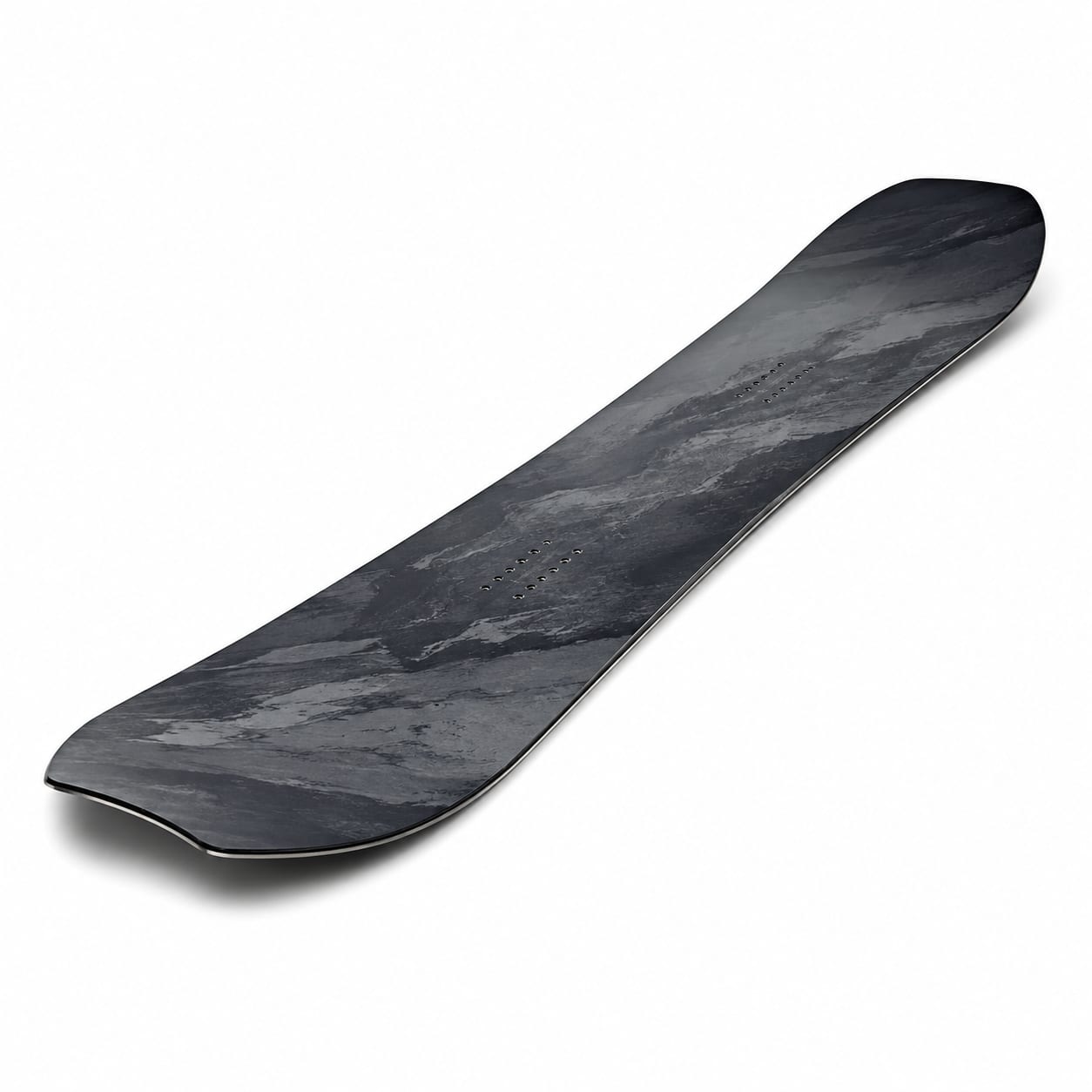
Freeride Snowboard
$400 – $900
Directional snowboard built for aggressive riding in off-piste and variable backcountry terrain.
Directional shapeStiff flexSet-back stance
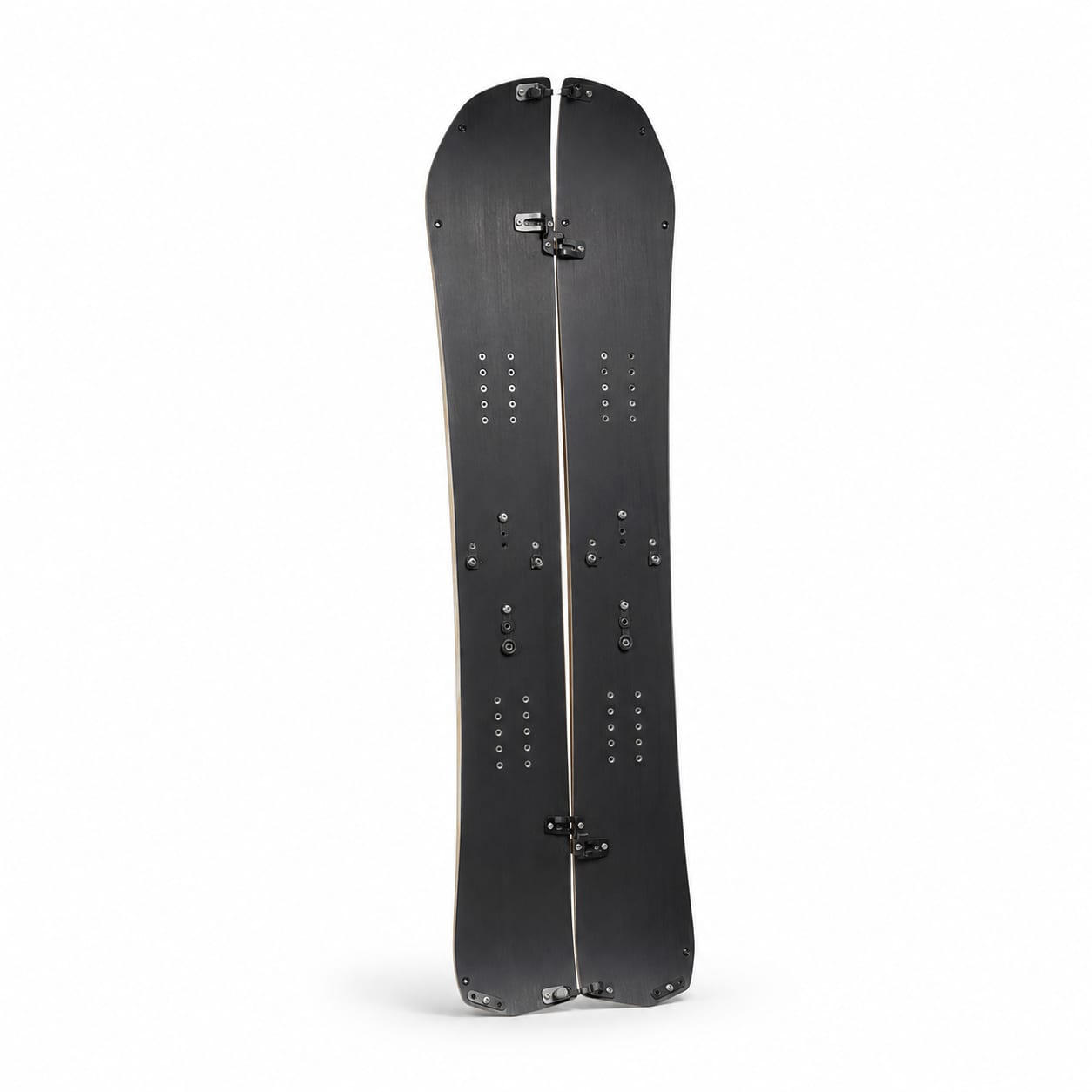
Splitboard
$600 – $1300
Snowboard that splits into two skis for uphill touring and reconnects for downhill riding.
Split-lengthwise constructionTouring hardware compatibilityHeavier than solid boards
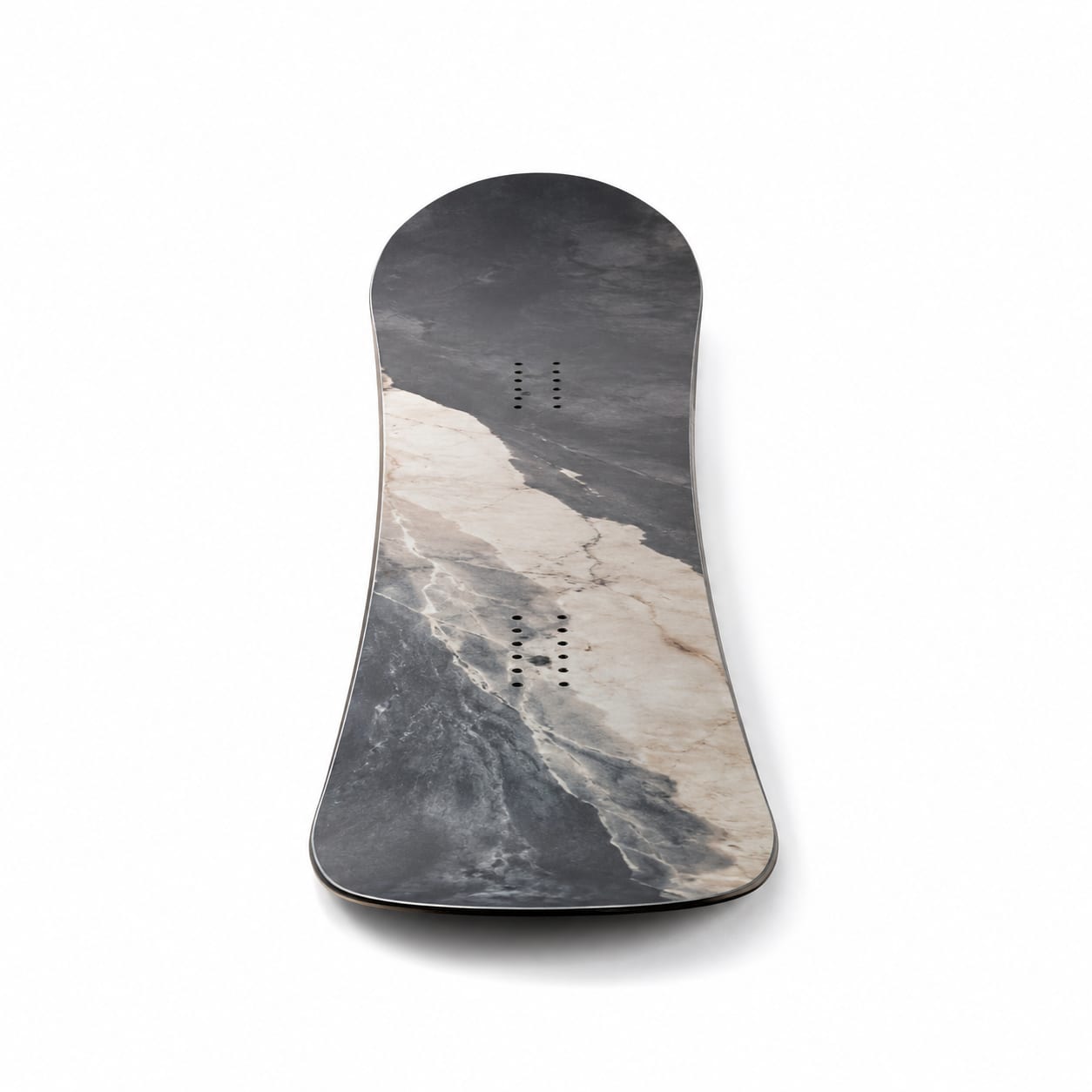
Volume-Shifted Snowboard
$350 – $750
Shorter, wider snowboard that redistributes volume for float and maneuverability in a compact package.
Shorter lengthWider waist widthMaintained surface area
More questions
- Do I really need a powder board, or can I just use my all-mountain board on deep days?
- How much taper do I actually need?
- Can I ride switch on a powder board?
- Is a swallow tail worth it?