
Splitboards are noticeably slower on the uphill compared to touring skis. The narrower touring halves provide less float on the skin track (especially in deep snow), transitions take 3–5 minutes versus 30–60 seconds for skiers, and the setup is typically heavier. On moderate terrain, a splitboarder might be 15–25% slower than a comparable skier on the same skin track. However, the descent experience as a snowboarder is the payoff that makes the uphill effort worthwhile for most splitboarders.
Snowboard · Splitboard
How much slower is a splitboard on the uphill compared to touring skis?
Related gear types
If this answer nudged you toward a different style, these guides compare specs and trade-offs.
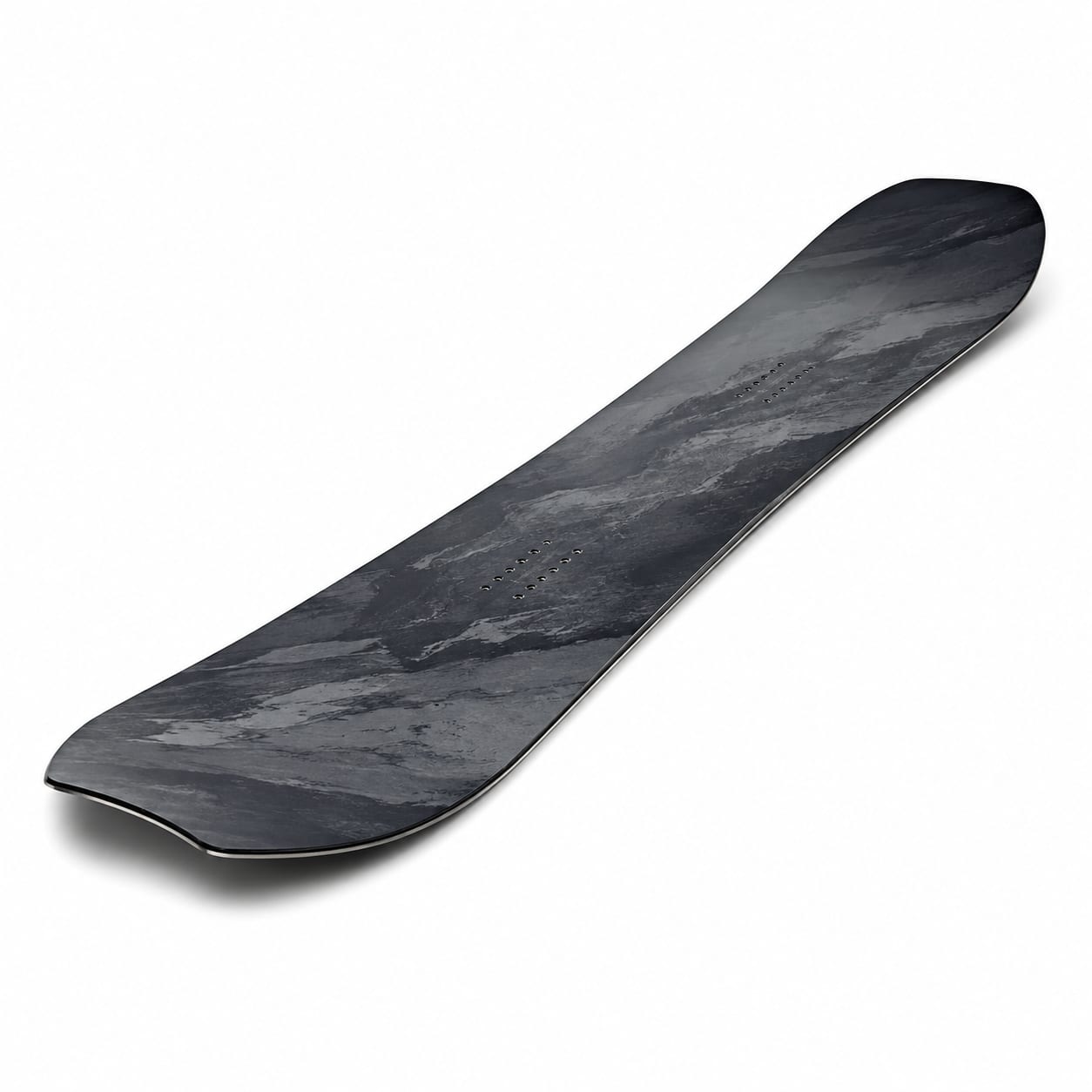
Freeride Snowboard
$400 – $900
Directional snowboard built for aggressive riding in off-piste and variable backcountry terrain.
Directional shapeStiff flexSet-back stance
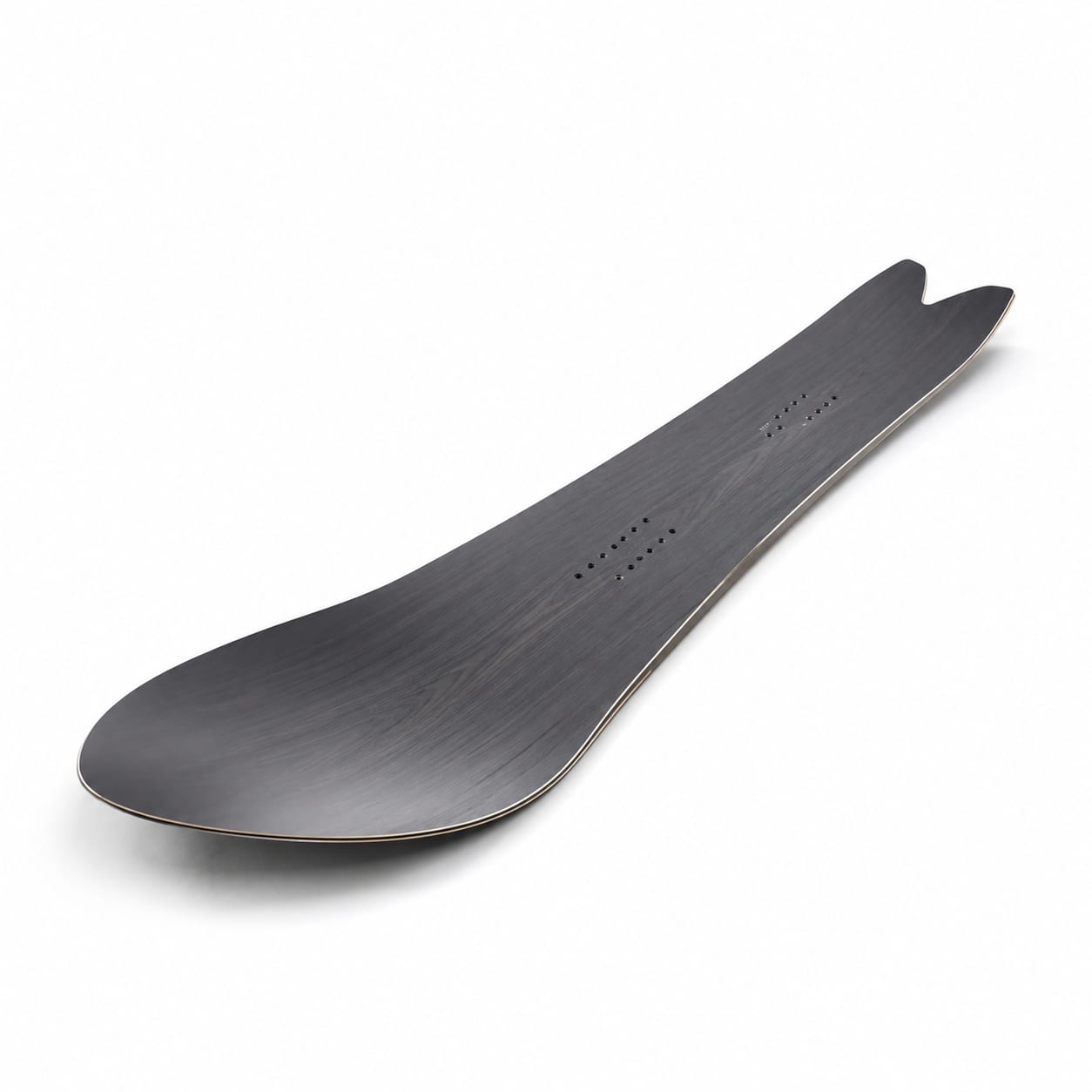
Powder Snowboard
$400 – $900
Specialized snowboard with maximum float and surfy feel for deep powder conditions.
Dramatic setback stanceWide rockered noseTapered tail
More questions
- Can I use my regular snowboard bindings on a splitboard?
- Do I really need avalanche safety gear and training for splitboarding?
- How do I choose the right size splitboard?
- Is a splitboard worth it if I only tour a few times a season?