
Cycling Helmet · FAQ
Questions about Mountain Bike Helmet (XC/Trail)
Straight answers on fit, specs, and when this type makes sense — each topic has its own page with links back to the buying guide.
Open Mountain Bike Helmet (XC/Trail) guide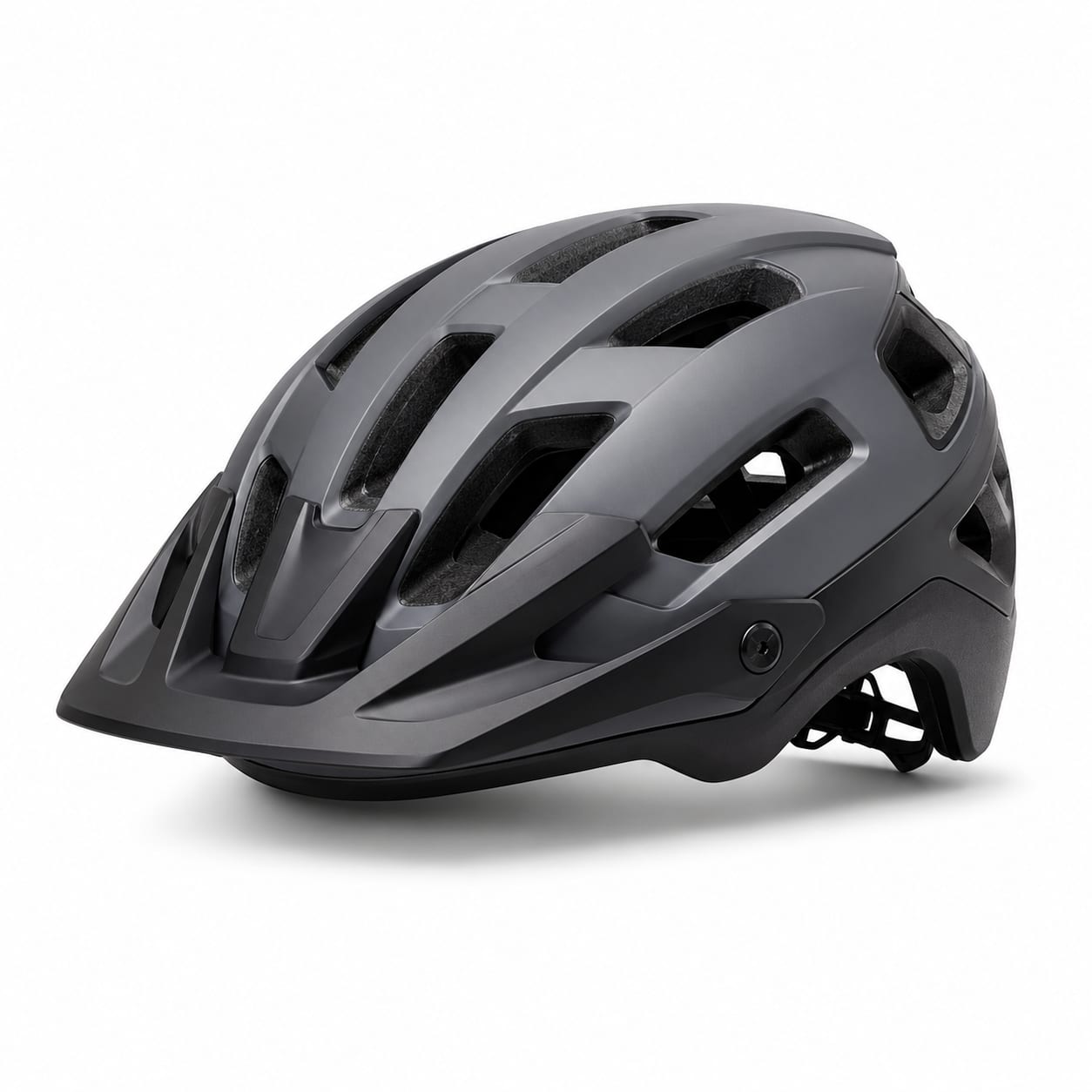
6 topics
Pick a question
Every answer links to the full subcategory guide and related gear types when it helps you decide.
Do I really need a mountain bike helmet, or can I use my road helmet for trail riding?
A mountain bike helmet is strongly recommended for trail riding. The extended rear and temple coverage protects impact zones that are disproportionately common in off-road crashes where riders fall backward or sideways. The visor deflects branches, debris, and sun. While a road helmet meets the same baseline safety certifications, it lacks the coverage that makes a meaningful difference in typical mountain bike crash scenarios. The weight and ventilation penalty of an MTB helmet is minimal compared to the safety benefit.
Read answer →02Is MIPS worth the extra cost?
Yes. MIPS and equivalent rotational protection systems address oblique impacts—the most common type of cycling crash—by reducing rotational forces transmitted to the brain. Research shows these systems reduce rotational acceleration by 10-35% in oblique impacts, which can meaningfully reduce concussion risk. MIPS-equipped helmets are now available from $80, making the technology accessible at most price points. Given that brain injury is the most serious potential consequence of a cycling crash, the modest additional cost is well justified.
Read answer →03How do I know if my mountain bike helmet fits correctly?
A properly fitted helmet sits level on your head, covering your forehead with about one to two finger-widths of space above your eyebrows. When the retention system is adjusted, the helmet should not shift more than an inch in any direction. The chin strap should form a V below your earlobes and allow one to two fingers between the strap and your chin. There should be no pressure points or gaps between the pads and your head. If the helmet rocks forward over your eyes or backward off your forehead when unstrapped, it's the wrong size or shape for your head.
Read answer →04When should I replace my mountain bike helmet?
Replace your helmet immediately after any crash where your head hits the ground or an object, even if no damage is visible—EPS foam compresses permanently during impact. Replace every 3-5 years even without crashes, as EPS foam gradually degrades, UV exposure weakens the shell, and retention system components wear out. Replace if you notice cracks, delamination, loose components, or if the retention system no longer holds adjustment. When in doubt, replace—a helmet is far less expensive than a head injury.
Read answer →05Can I use my mountain bike helmet for road riding?
Yes, you can safely use an MTB helmet for road riding. The extended coverage provides more protection than a road helmet, and the safety certifications are the same. The main trade-offs are slightly higher weight, more aerodynamic drag from the visor and extended profile, and a less streamlined appearance. For casual road riding, these differences are negligible. For road racing or fast group rides where aerodynamics matter, you may prefer a dedicated road helmet. Many riders who split time between road and trail simply remove the visor for road rides.
Read answer →06What's the difference between XC and trail helmets within this category?
XC-oriented helmets prioritize minimal weight and maximum ventilation for racing, with slightly less rear extension and a trimmer profile. Trail-oriented helmets offer fuller coverage extending lower on the temples and nape, often with hybrid in-mold construction for durability and more robust visors. The distinction is a spectrum rather than a hard line—most modern helmets blend both philosophies. Choose based on your riding: XC racers benefit from lighter, cooler helmets; trail riders benefit from more coverage and durability for the rougher, more aggressive riding they do.
Read answer →