
A mountain bike helmet is strongly recommended for trail riding. The extended rear and temple coverage protects impact zones that are disproportionately common in off-road crashes where riders fall backward or sideways. The visor deflects branches, debris, and sun. While a road helmet meets the same baseline safety certifications, it lacks the coverage that makes a meaningful difference in typical mountain bike crash scenarios. The weight and ventilation penalty of an MTB helmet is minimal compared to the safety benefit.
Cycling Helmet · Mountain Bike Helmet (XC/Trail)
Do I really need a mountain bike helmet, or can I use my road helmet for trail riding?
Related gear types
If this answer nudged you toward a different style, these guides compare specs and trade-offs.
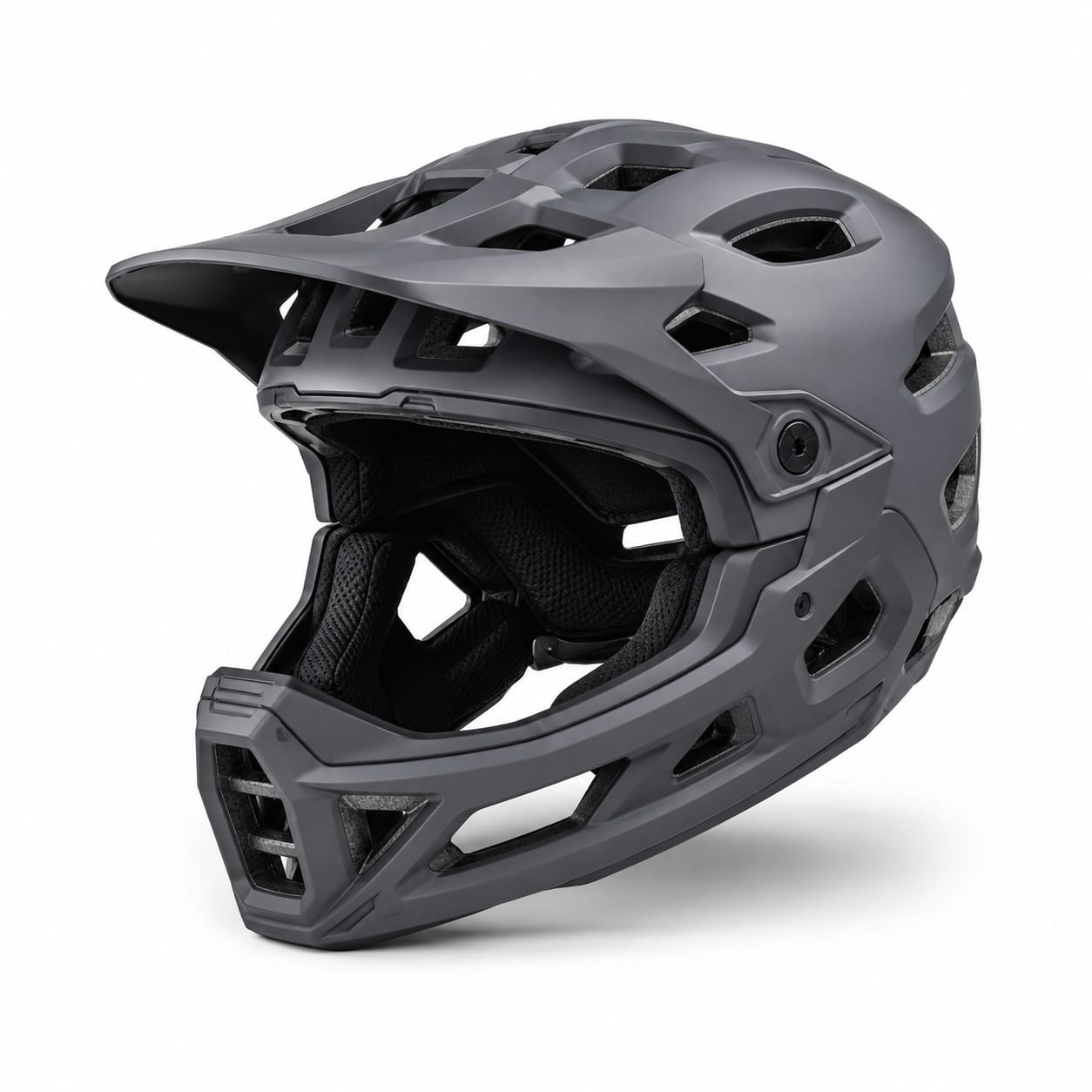
Enduro / All-Mountain Helmet
$80 – $350
Enhanced-coverage half-shell helmets bridging the gap between trail and full-face protection for aggressive riding.
maximum half-shell coverageremovable chin bar on some modelsaggressive ventilation
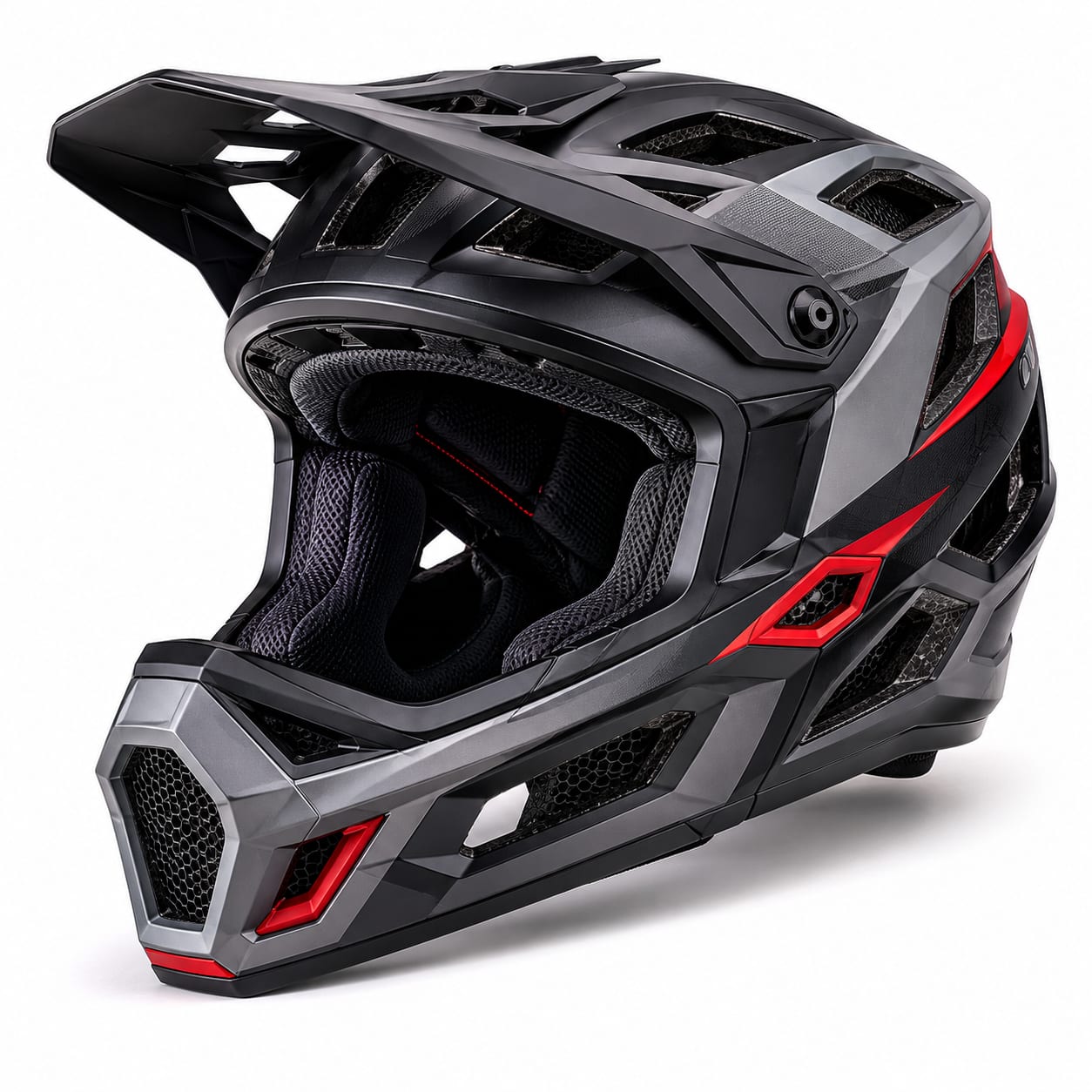
Full Face Mountain Bike Helmet
$80 – $600
Complete head and face protection helmets for downhill mountain biking and extreme off-road disciplines.
full chin barextensive vent systemreinforced shell
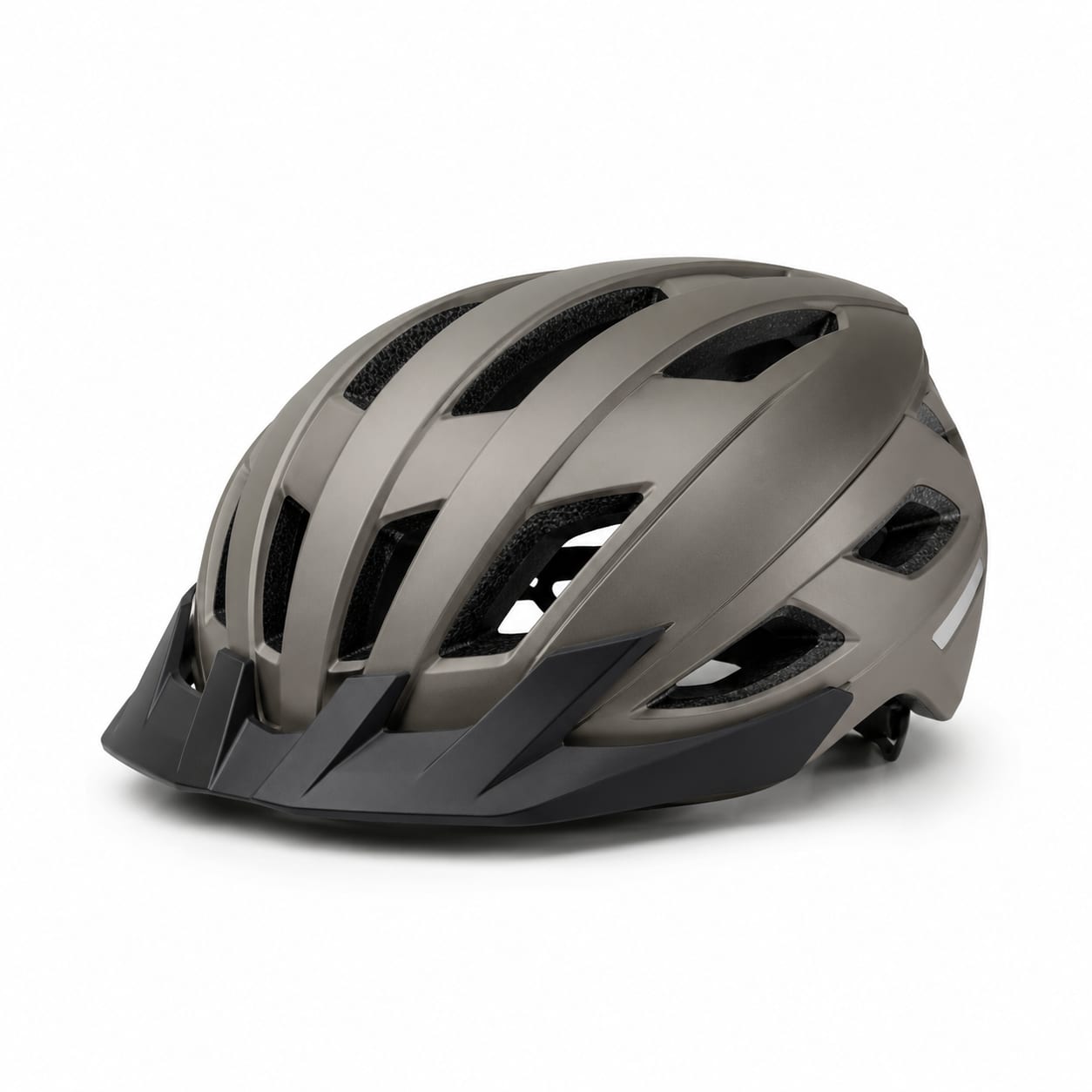
Gravel / Adventure Helmet
$60 – $300
Versatile helmets blending road ventilation with mountain bike coverage for mixed-surface riding.
road-like ventilationslight rear coverage extensionremovable visor
More questions
- Is MIPS worth the extra cost?
- How do I know if my mountain bike helmet fits correctly?
- When should I replace my mountain bike helmet?
- Can I use my mountain bike helmet for road riding?