
XC-oriented helmets prioritize minimal weight and maximum ventilation for racing, with slightly less rear extension and a trimmer profile. Trail-oriented helmets offer fuller coverage extending lower on the temples and nape, often with hybrid in-mold construction for durability and more robust visors. The distinction is a spectrum rather than a hard line—most modern helmets blend both philosophies. Choose based on your riding: XC racers benefit from lighter, cooler helmets; trail riders benefit from more coverage and durability for the rougher, more aggressive riding they do.
Cycling Helmet · Mountain Bike Helmet (XC/Trail)
What's the difference between XC and trail helmets within this category?
Related gear types
If this answer nudged you toward a different style, these guides compare specs and trade-offs.
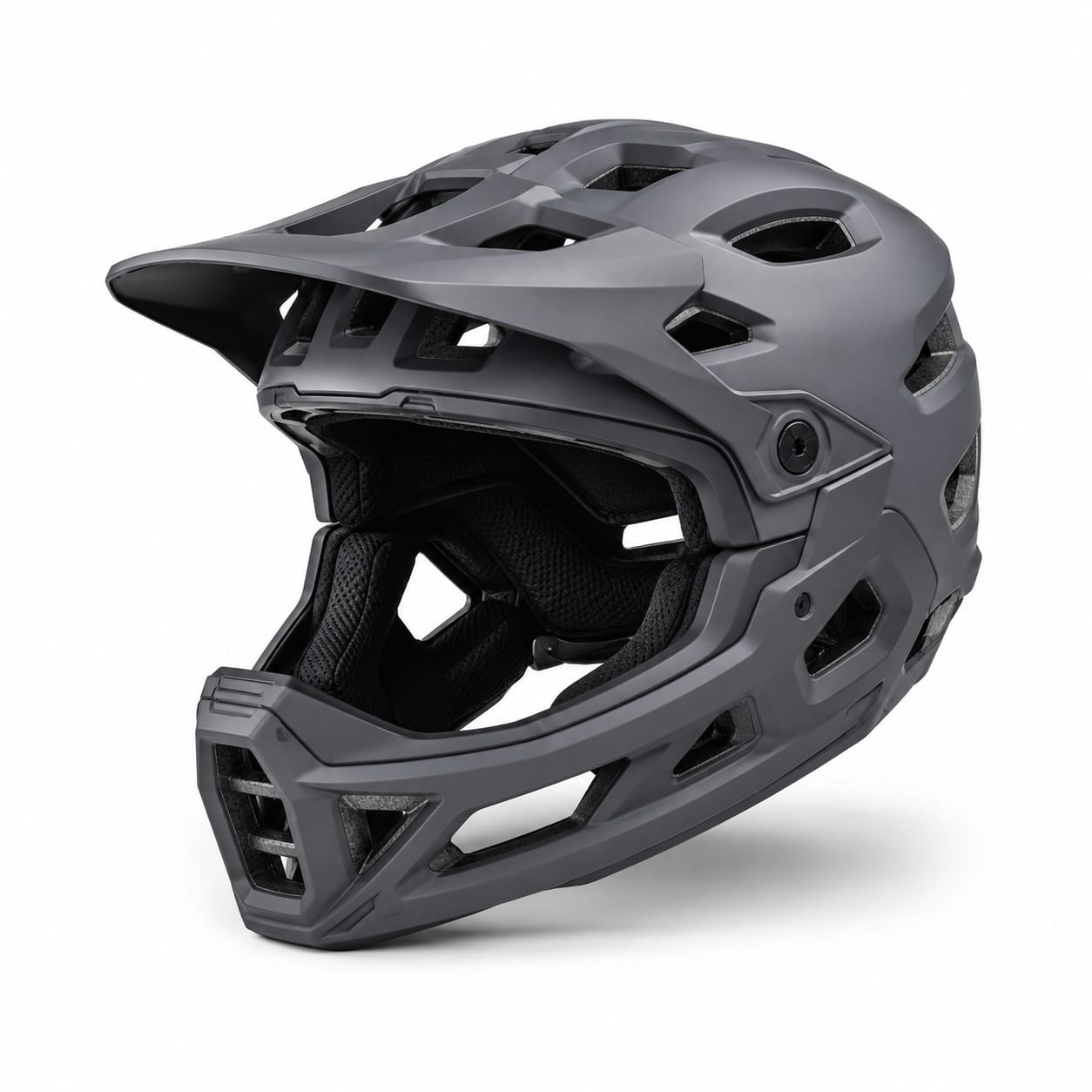
Enduro / All-Mountain Helmet
$80 – $350
Enhanced-coverage half-shell helmets bridging the gap between trail and full-face protection for aggressive riding.
maximum half-shell coverageremovable chin bar on some modelsaggressive ventilation
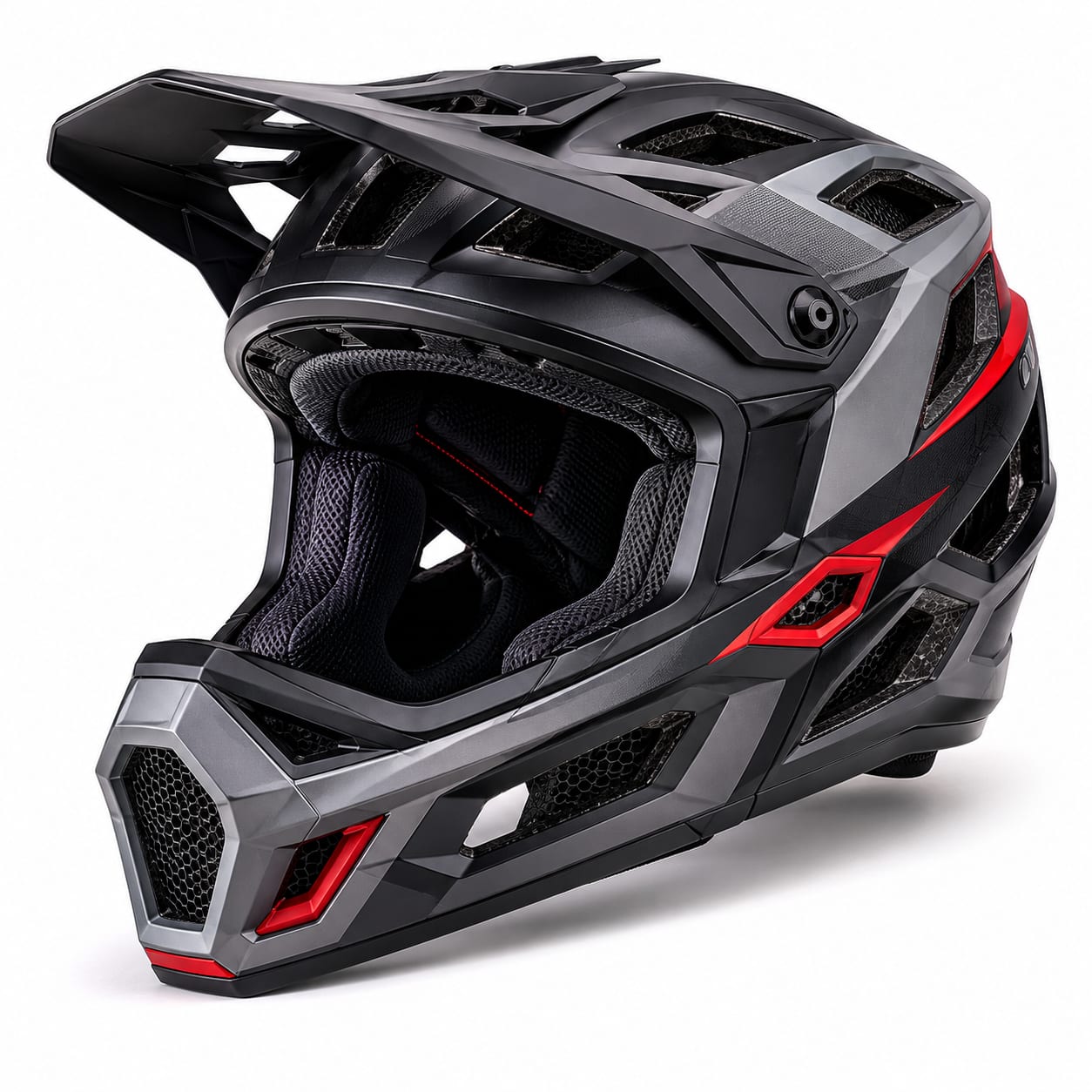
Full Face Mountain Bike Helmet
$80 – $600
Complete head and face protection helmets for downhill mountain biking and extreme off-road disciplines.
full chin barextensive vent systemreinforced shell
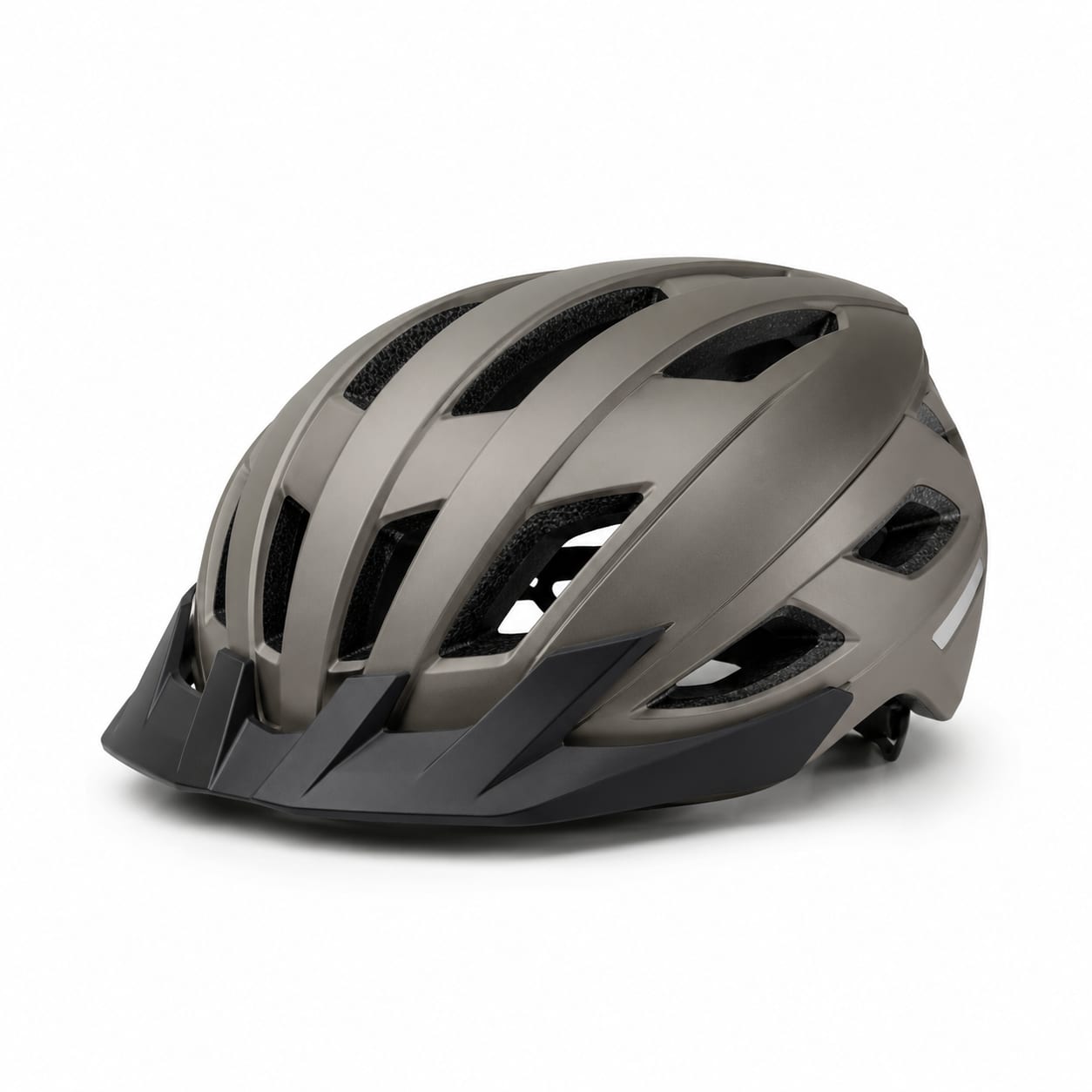
Gravel / Adventure Helmet
$60 – $300
Versatile helmets blending road ventilation with mountain bike coverage for mixed-surface riding.
road-like ventilationslight rear coverage extensionremovable visor
More questions
- Do I really need a mountain bike helmet, or can I use my road helmet for trail riding?
- Is MIPS worth the extra cost?
- How do I know if my mountain bike helmet fits correctly?
- When should I replace my mountain bike helmet?