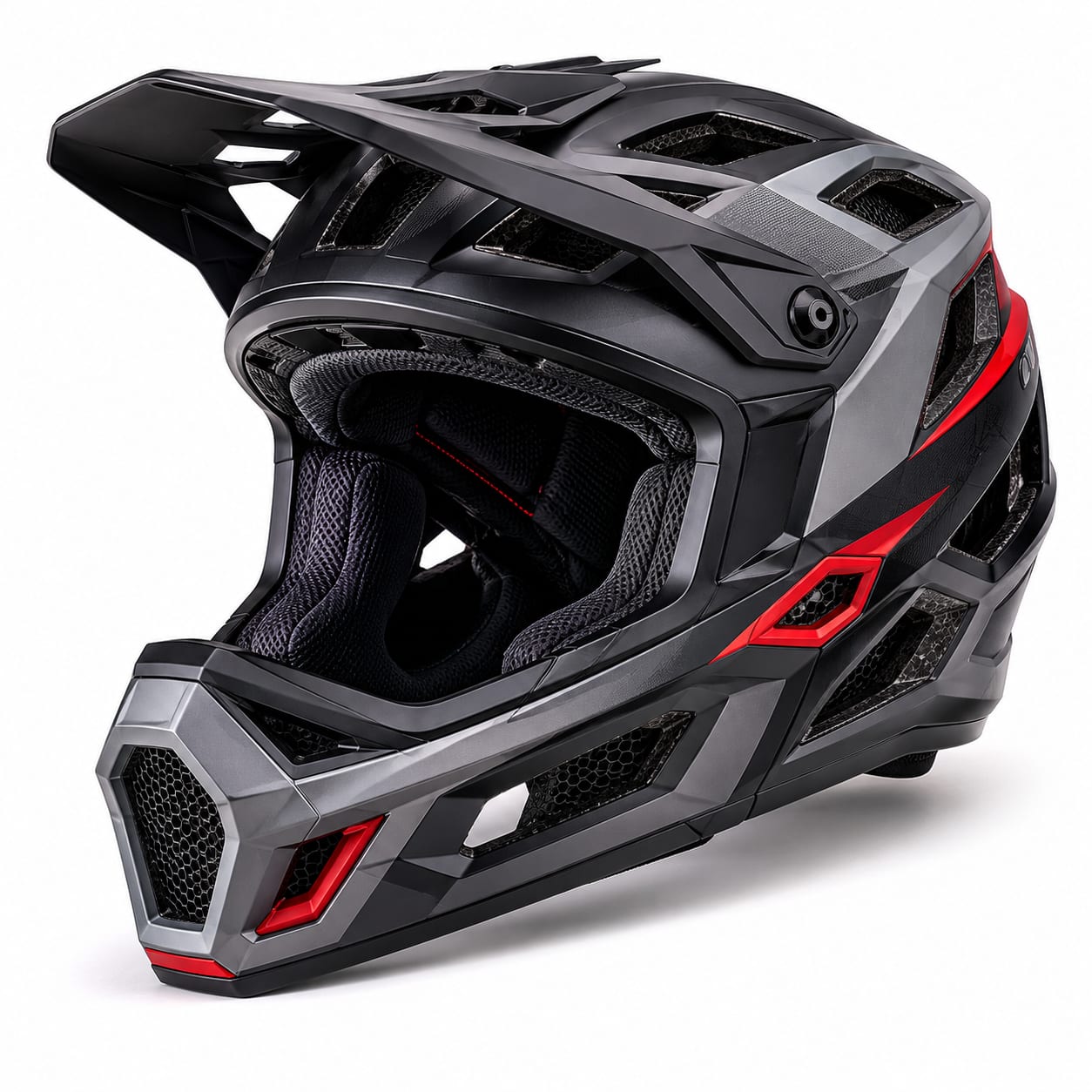
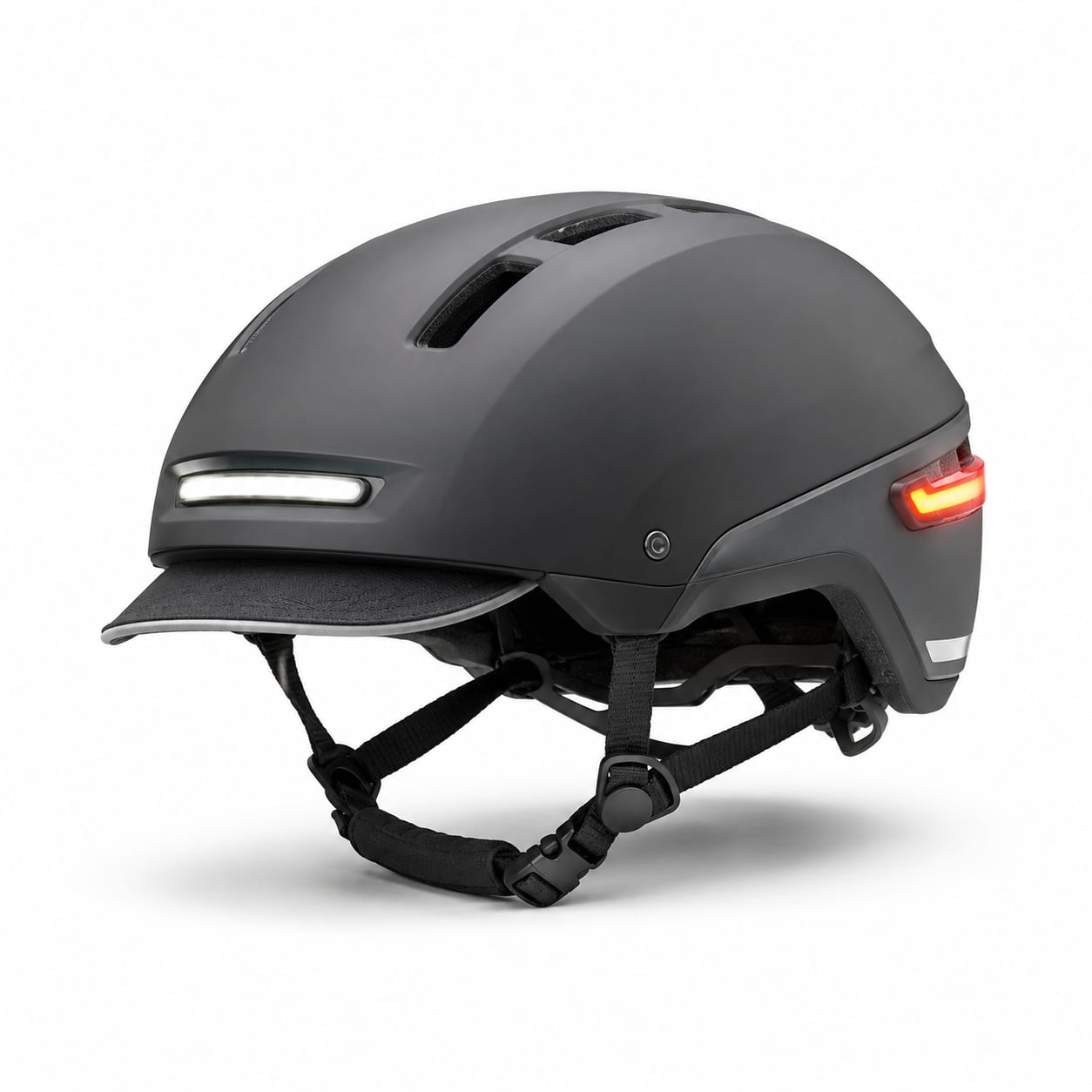
Kitvore.com

Kitvore.com

Specs that matter. Gear that fits.

Cycling Helmet · Subcategory

Mountain Bike Helmet (XC/Trail)

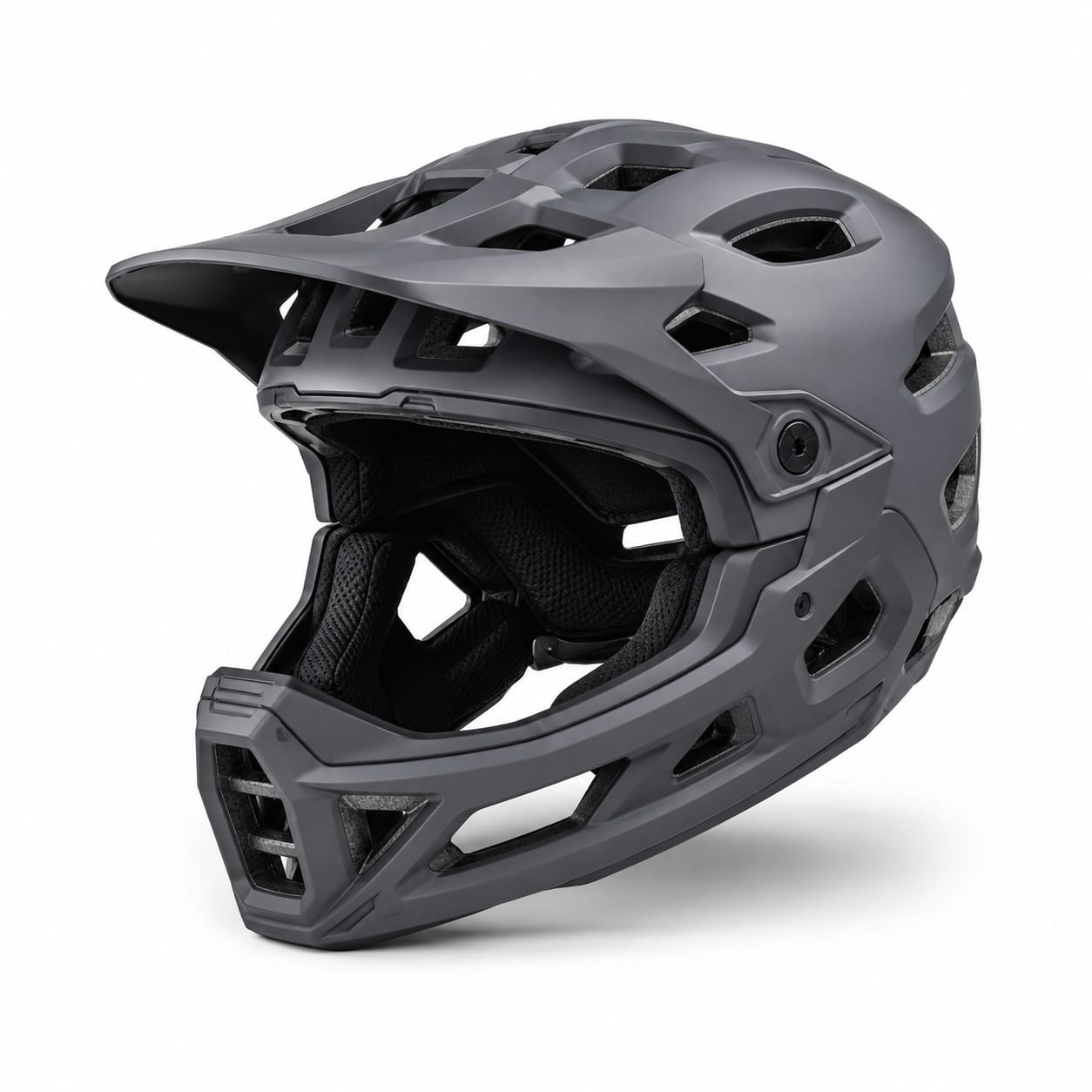
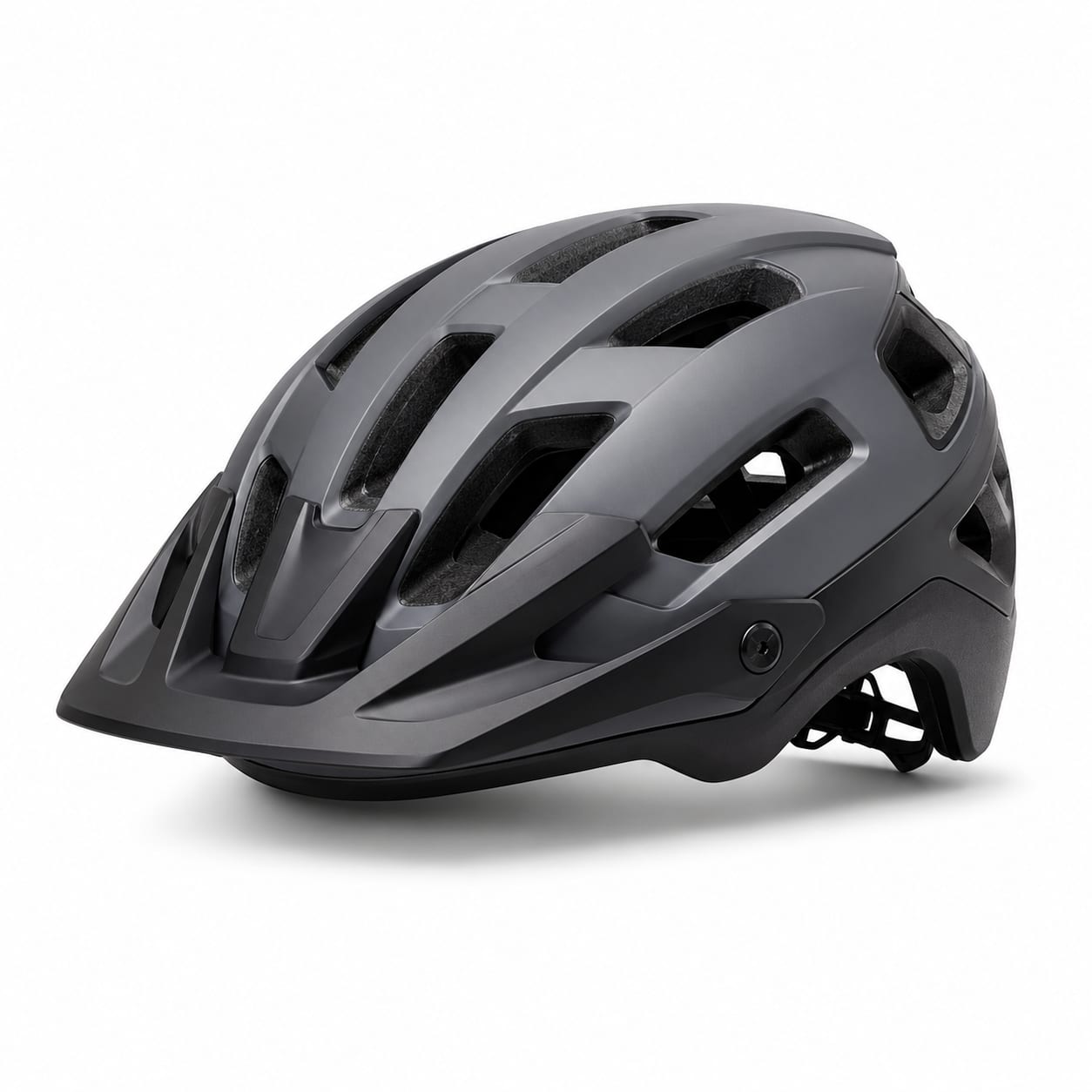
Extended-coverage helmet with visor designed for cross-country and trail mountain biking, balancing protection, ventilation, and weight.

The mountain bike helmet (XC/Trail) is the most versatile off-road helmet, offering deeper rear and temple coverage than road helmets, a removable visor for sun and debris protection, and generous ventilation for sustained climbing efforts. It sits between road helmets and full-face enduro helmets in the protection spectrum, making it the go-to choice for the majority of mountain bikers who ride cross-country, trail, and light all-mountain terrain.

$50 – $300mid tierbeginnerintermediateadvanced

Best known for

Extended rear and temple coverage beyond road helmetsRemovable adjustable visor for sun and debris protectionStrong ventilation for sustained climbing in off-road conditionsVersatility across XC, trail, and gravel riding disciplines
Mountain Bike Helmet (XC/Trail)

Guide

Detailed overview

Mountain bike helmets designed for cross-country and trail riding represent the most popular and versatile category of off-road head protection. They are characterized by their extended coverage at the rear and temples compared to road helmets, providing crucial protection for the occipital bone and upper neck area—impact zones that are statistically more common in off-road crashes. The inclusion of a visor, typically removable and adjustable, shields riders from low-angle sun, rain, and trail debris like branches and roost. Ventilation is a priority, with most models featuring 14 to 20 vents with internal channeling to maintain airflow during sustained climbing efforts where speeds are low and heat buildup is high. Weight typically ranges from 280 to 360 grams, light enough for all-day riding but with enough structural material to provide meaningful impact protection. Modern XC/Trail helmets almost universally feature rotational protection systems (primarily MIPS), dial-based retention systems for on-the-fly adjustment, and in-mold or hybrid shell construction for an optimal balance of weight and durability.

Mountain bike helmets for XC and trail riding have evolved significantly over the past decade, driven by advances in protective technology and a growing understanding of real-world crash mechanics. The most important evolution has been the near-universal adoption of rotational protection systems, with MIPS becoming the industry standard. These systems address oblique impacts—the most common type of mountain bike crash—where rotational forces transmitted to the brain can cause serious injury even when linear impact forces are within survivable limits. Today, a quality XC/Trail helmet without rotational protection is the exception rather than the rule, and riders should consider this feature essential rather than optional.

Coverage is the defining characteristic that separates mountain bike helmets from their road counterparts. The extended rear coverage protecting the occipital bone is not merely a stylistic choice—studies of mountain bike crash patterns show that rear and side impacts are disproportionately common in off-road falls, where riders often fall backward or sideways off the bike. The deeper profile also provides a more secure feel on rough terrain, as the helmet sits lower on the head and is less likely to shift during violent impacts or rough descents. This coverage does come with trade-offs: slightly higher weight and marginally reduced airflow at the rear compared to road helmets, though modern internal channeling designs have minimized the ventilation penalty.

The visor is a functional necessity for mountain biking that serves multiple purposes beyond simple sun shading. On singletrack, the visor deflects low-hanging branches and trail debris that would otherwise strike the face or eyes. In wet conditions, it channels rain away from the face and goggles. For riders who use goggles—increasingly common even among trail riders—the visor can be adjusted upward to accommodate goggle storage on the helmet during climbs. The best visors offer tool-free angle adjustment and can be completely removed for riders who prefer a cleaner profile or occasionally use the helmet on road rides.

Fit and retention systems in modern XC/Trail helmets have reached a high level of sophistication. Dial-based retention systems, typically located at the rear of the helmet, allow riders to make micro-adjustments on the fly—tightening for descents and loosening for climbs. Premium models feature yoke-style systems that wrap around the occipital bone for enhanced stability on rough terrain. The chin strap and buckle, while often overlooked in purchase decisions, significantly affect daily usability. Standard side-release buckles are reliable and proven, while magnetic Fidlock buckles offer convenient one-handed operation that is particularly appreciated when wearing full-finger gloves.

When selecting an XC/Trail helmet, riders should prioritize fit above all else. A helmet that doesn't fit properly won't protect as intended, regardless of its safety features or price point. Try on multiple brands, as head shape varies significantly between manufacturers—some favor rounder profiles while others suit more oval shapes. The helmet should sit level on the head, covering the forehead with approximately one to two finger-widths of space above the eyebrows, and should not shift more than an inch in any direction when the retention system is properly adjusted. Replace any helmet after a significant impact, as EPS foam is designed to compress permanently and will not provide the same protection in a subsequent crash.

Quick facts

Primary purpose
Extended-coverage head protection for off-road mountain biking with trail-specific features
Popular brands
FoxBellGiroPOCTroy Lee DesignsSmith
Typical terrain
singletrackforest trailsrocky terrainmountain bike parks

What makes it different

Visor for sun and branch protection; deeper rear and side coverage than road helmets; goggle grip on rear retention; often slightly heavier than road helmets at 280-350g

Recommended ranges

How this type usually specs out

Each spec is explained in plain language, then we show what buyers usually look for on this type.

Helmet Type

Helmet Type

What it means

The discipline-specific category of the helmet, which determines its shape, coverage, ventilation pattern, and intended use scenario.

Typical for this type

Mountain Bike

In practice

XC/Trail helmets are classified as mountain_bike type, featuring extended coverage, visor, and ventilation patterns optimized for off-road riding.

Compared to other types

Unlike road helmets which minimize coverage for weight and aero, MTB helmets extend lower at the rear and temples. Unlike enduro/full-face helmets, XC/Trail helmets lack a chin bar and offer better ventilation for climbing.

Why it matters: The helmet type determines the fundamental design priorities—coverage, visor inclusion, and ventilation placement—that directly affect protection and comfort on trail terrain.

Certification Standard

Certification Standard

What it means

Safety certification standards the helmet meets, indicating the impact testing protocols and minimum protection levels verified by independent testing bodies.

Typical for this type

CPSC + EN 1078 Minimum; ASTM F1952 For Aggressive Trail

Most common pick: CPSC, EN 1078

In practice

Virtually all XC/Trail helmets sold internationally carry both CPSC and EN 1078 certifications, which are the baseline mandatory standards in the US and EU respectively. Some premium models targeting aggressive trail riding also pursue ASTM F1952.

Compared to other types

XC/Trail helmets carry the same baseline certifications as road helmets. Enduro/full-face helmets more commonly add ASTM F1952 for higher-impact certification. Commuter helmets may include NTA 8776 for e-bike speeds.

Why it matters: Certification ensures the helmet has passed standardized impact testing. Dual certification (CPSC + EN 1078) means the helmet meets requirements for both major markets, providing confidence in baseline protection.

Rotational Protection System

Rotational Protection System

What it means

Technology designed to reduce rotational forces transmitted to the brain during oblique impacts, which are the most common type of cycling crash impact.

Typical for this type

MIPS Minimum; MIPS Spherical Or WaveCel For Premium Protection

In practice

MIPS is the most widely available rotational protection system in XC/Trail helmets, found in models from $80 upward. Premium models may feature MIPS Spherical (dual-density foam with ball-and-socket interface) or brand-specific alternatives like WaveCel (Trek/Bontrager) or Koroyd (Smith).

Compared to other types

MIPS adoption is nearly universal in mid-range and premium MTB helmets, more so than in road or aero helmets where integration can be challenging. Budget road helmets are more likely to lack rotational protection than budget MTB helmets.

Why it matters: Oblique impacts are the most common crash type in mountain biking. Rotational protection systems reduce rotational acceleration transmitted to the brain by 10-35%, significantly reducing concussion risk in real-world crash scenarios.

Weight

Weight

What it means

The total mass of the helmet including all padding, retention system, and visor (if included), measured in grams.

Typical for this type

280-360g

Most common pick: 310g

In practice

Typical XC/Trail helmets weigh between 280 and 360 grams including visor. Lightweight race-oriented models approach 280g, while more coverage-heavy trail models reach 360g. The visor adds 20-40g compared to a visorless road helmet of similar construction.

Compared to other types

MTB helmets are 30-80g heavier than comparable road helmets due to extended coverage and visor. They are 300-600g lighter than enduro/full-face helmets, making them far more comfortable for climbing and all-day riding.

Why it matters: Weight affects comfort on long rides and during sustained climbing. However, differences under 30g are barely perceptible while riding. Prioritize fit and coverage over marginal weight savings.

Number of Vents

Number of Vents

What it means

The total number of intake and exhaust vents designed to channel airflow through the helmet for cooling.

Typical for this type

14-20 vents

Most common pick: 16

In practice

XC/Trail helmets typically feature 14 to 20 vents with internal channeling designed to move air from front to rear. Race-oriented XC models tend toward higher vent counts (18-20), while trail-oriented models with more coverage may have fewer (14-16) but larger vents.

Compared to other types

MTB helmets have fewer vents than road helmets (18-28) due to the structural requirements of extended coverage, but more than aero road helmets (4-12) and far more than full-face helmets which have very limited ventilation.

Why it matters: Mountain biking involves sustained low-speed climbing where natural airflow is minimal, making effective ventilation critical for thermoregulation. Internal channeling design matters as much as vent count—well-designed 14-vent helmets can outcool poorly designed 20-vent models.

Head Circumference Range

Head Circumference Range

What it means

The range of head circumferences the helmet is designed to fit, typically adjustable via the retention system within a specific size bracket.

Typical for this type

Ensure Your Measured Head Circumference Falls Within The Helmet'S Size Range

Most common pick: 51-63cm across S/M/L sizes

In practice

Most XC/Trail helmets come in 2-3 size brackets: S (51-55cm), M (55-59cm), L (59-63cm). Some brands offer XS or XL. A few models use a single adjustable size covering 54-61cm. Measure at the widest point above the eyebrows.

Compared to other types

Size ranges are similar across all helmet types. However, MTB helmets' deeper profile means fit at the rear and temples is especially critical—these are the areas where extended coverage matters most.

Why it matters: Proper fit is the single most important factor in helmet effectiveness. A helmet that's too large can shift during impact, exposing areas meant to be covered. One that's too small creates pressure points leading to discomfort and headaches on long rides.

Retention System

Retention System

What it means

The adjustable mechanism at the rear of the helmet that secures it to the head and allows on-the-fly adjustment for a stable, comfortable fit.

Typical for this type

Dial/Ratchet Minimum; Rear Dial With Yoke For Aggressive Trail

In practice

Dial/ratchet systems are standard on mid-range and premium XC/Trail helmets, offering one-handed micro-adjustment. Premium models often feature rear dial with yoke systems that wrap around the occipital bone for enhanced stability on rough terrain. Budget models may use sliding buckle systems.

Compared to other types

MTB helmets benefit more from yoke-style retention systems than road helmets due to the rougher riding environment. The need for on-the-fly adjustment is greater in MTB where terrain varies dramatically between climbs and descents.

Why it matters: On trail terrain, the retention system keeps the helmet stable during rough descents and allows quick adjustment—tightening for descents, loosening for climbs. Yoke systems provide the most secure fit for aggressive riding where helmet shift could compromise vision or protection.

Shell Construction

Shell Construction

What it means

The manufacturing method used to join the outer polycarbonate shell to the inner EPS foam liner, affecting durability, weight, and safety.

Typical for this type

In-Mold For XC/Race; Hybrid In-Mold For Trail Durability

In practice

In-mold construction is standard for most XC/Trail helmets, bonding the polycarbonate shell directly to EPS foam for light weight and good impact energy transfer. Hybrid in-mold construction, adding a hardshell lower ring, is increasingly common on trail-oriented models for improved durability against everyday dings and crashes.

Compared to other types

MTB helmets more commonly use hybrid in-mold construction than road helmets because off-road riding involves more helmet contact with the ground, trees, and bike components during crashes. The durable lower ring protects the vulnerable edge where in-mold shells can delaminate.

Why it matters: In-mold construction provides the best weight-to-protection ratio for performance riding. Hybrid construction adds durability at the lower edge—the area most prone to damage from drops, transport, and low-speed falls—without significant weight penalty.

Coverage Level

Coverage Level

What it means

The extent of head coverage provided by the helmet, particularly at the temples, rear, and base of the skull, beyond the minimum certification requirement.

Typical for this type

Extended Rear For XC; Full Coverage MTB For Aggressive Trail

Most common pick: Extended Rear Coverage

In practice

Most XC/Trail helmets feature extended rear coverage that protects the occipital bone and upper neck area beyond road helmet minimums. Trail-oriented models increasingly offer full coverage MTB levels that extend lower on temples and the nape of the neck. XC race models may have slightly less rear extension for weight savings.

Compared to other types

MTB helmets offer significantly more coverage than road helmets (minimal to standard road coverage) but less than enduro/full-face helmets which add chin bar protection. The coverage difference between XC and trail models within this subcategory can be meaningful for aggressive riders.

Why it matters: Extended coverage is the primary safety advantage of MTB helmets over road helmets. Rear and side impacts are disproportionately common in off-road crashes. The deeper profile also provides a more secure feel and prevents the helmet from shifting on rough terrain.

Visor Type

Visor Type

What it means

The type of visor or brim attached to the helmet for sun, rain, and debris protection, and whether it's removable or adjustable.

Typical for this type

Removable/Adjustable Visor Is Essential For MTB

In practice

XC/Trail helmets universally feature removable and adjustable visors, typically attached via snap-fit or screw mechanisms. The visor can be angled for sun protection, raised for goggle storage, or removed entirely for road use. Tool-free adjustment is increasingly common on premium models.

Compared to other types

The removable/adjustable visor is a defining feature of MTB helmets, absent on road and aero helmets. Commuter helmets may have fixed short visors. Enduro/full-face helmets also feature adjustable visors, often with wider brims for greater debris deflection at higher speeds.

Why it matters: The visor shields from low-angle sun, deflects branches and trail debris, channels rain away from the face, and accommodates goggles. Adjustability is critical for adapting to changing trail conditions and goggle compatibility.

Padding System

Padding System

What it means

The type, material, and configuration of interior padding that contacts the head, affecting comfort, moisture management, and fit customization.

Typical for this type

Removable/Washable Minimum; Anti-Microbial Or Premium For Frequent Riders

Most common pick: Removable/Washable Pads

In practice

Most mid-range XC/Trail helmets feature removable/washable pads with Velcro attachment. Premium models upgrade to anti-microbial treated pads or multi-density zone pads with sweat-channeling brow pads. Basic foam pads are found only on budget models under $60.

Compared to other types

MTB helmets benefit more from effective padding systems than road helmets due to the stop-start nature of riding (climbing in heat, then descending). Sweat management is particularly important for goggle wearers, where sweat dripping into goggles is a significant annoyance.

Why it matters: Mountain biking generates significant sweat, especially during climbing. Removable pads allow regular washing to prevent odor and skin irritation. Anti-microbial treatment extends freshness between washes. Premium brow pads with sweat channels prevent dripping into eyes during intense efforts.

Chin Buckle Type

Chin Buckle Type

What it means

The type of buckle used on the chin strap, affecting ease of use, reliability, and safety.

Typical for this type

Standard Side-Release Is Reliable; Magnetic (Fidlock) Is A Worthwhile Upgrade

In practice

Standard side-release buckles are the most common on XC/Trail helmets across all price points. Magnetic Fidlock buckles are increasingly available on premium models, offering convenient one-handed operation that is especially appreciated with full-finger gloves. Double D-ring buckles are rare in this category, reserved for full-face helmets.

Compared to other types

MTB helmets use the same buckle types as road helmets. Fidlock buckles are more valuable for MTB riders who wear full-finger gloves year-round compared to road riders who often use fingerless gloves in warm weather.

Why it matters: Buckle type affects daily usability more than safety. Fidlock buckles make it easy to open and close the helmet with gloves on, which is convenient for rest stops and adjusting ventilation on climbs. Standard buckles are proven reliable and inexpensive to replace if damaged.

Reflective Elements

Reflective Elements

What it means

Presence and extent of reflective materials on the helmet for enhanced visibility in low-light conditions.

Typical for this type

Minimal Decal Acceptable For Daytime Trail Riding; Strategic Placement For Any Low-Light Use

Most common pick: Minimal Decal/Sticker

In practice

Most XC/Trail helmets include small reflective decals or logos, primarily on the rear. This provides minimal passive visibility and is styling-driven rather than safety-focused. Helmets with strategic reflective placement are available but less common in this category.

Compared to other types

MTB helmets have fewer reflective elements than commuter helmets, which prioritize low-light visibility with strategic or full wrap reflective designs. Road helmets similarly tend toward minimal reflectivity. Riders who frequently ride in low light should supplement with active lights regardless of helmet reflectivity.

Why it matters: Reflective elements provide passive visibility that works without batteries. While most MTB riding occurs in daylight, riders who access trails via road segments, ride in early morning or evening, or commute to trailheads benefit from enhanced reflectivity.

Integrated Light Mount

Integrated Light Mount

What it means

Built-in mount or attachment point for rear lights, either as a dedicated clip, magnetic mount, or integrated light.

Typical for this type

None Is Typical; Clip Mount Is A Bonus For Road-To-Trail Riders

In practice

The vast majority of XC/Trail helmets do not include dedicated light mounts. Riders who need rear lights for road segments or low-light riding typically attach lights via strap to vents or use helmet-mounted action camera mounts. A few models include clip mounts at the rear.

Compared to other types

Commuter helmets commonly feature clip, magnetic, or integrated light mounts. Road and MTB helmets typically omit them to maintain clean profiles and reduce weight. Riders who need lights should ensure their attachment method doesn't compromise the helmet shell.

Why it matters: For pure trail riding, integrated light mounts are unnecessary. For riders who access trails via road or ride in low light, a dedicated mount provides more secure attachment than strapping lights to vents, which can damage thin in-mold shells.

Aerodynamic Optimization

Aerodynamic Optimization

What it means

The degree to which the helmet is designed to reduce aerodynamic drag, from no consideration to purpose-built time trial aerodynamics.

Typical for this type

Aero-Informed Design Is The Sweet Spot For XC/Trail

In practice

Most modern XC/Trail helmets feature aero-informed design, where vent shapes and surface contours are shaped with aerodynamic principles but not at the expense of ventilation or coverage. Full aero road optimization is rare in this category as the speed benefits are minimal at typical off-road speeds.

Compared to other types

MTB helmets are less aero-optimized than road and aero road helmets, where drag reduction at speeds above 35 km/h provides measurable watt savings. The visor and extended coverage inherently create more drag, but this is an acceptable trade-off for the protection benefits in off-road riding.

Why it matters: At typical mountain bike speeds (15-30 km/h on trails), aerodynamic drag from the helmet is a minor factor compared to body position and clothing. Aero-informed design provides a slight benefit on road segments and fast fireroad descents without sacrificing the ventilation critical for climbing.

Strap Adjustment System

Strap Adjustment System

What it means

The system used to adjust and lock the chin strap length and position, affecting ease of fitting and strap stability during use.

Typical for this type

Standard Sliding Is Adequate; Adjustable Splitters With Locking For Premium Fit

In practice

Standard sliding tri-glide buckles are the most common strap adjustment system on XC/Trail helmets. Premium models may feature adjustable splitters with locking mechanisms that prevent strap creep and maintain fit over time. Fixed position splitters are occasionally found on models prioritizing clean aesthetics.

Compared to other types

Strap adjustment systems are similar across helmet categories. However, the constant vibration of off-road riding makes strap creep more noticeable on MTB helmets, making locking splitters more valuable than on road helmets where vibration is minimal.

Why it matters: Strap adjustment affects long-term fit stability. Standard sliding systems can loosen over time with vibration, requiring periodic readjustment. Locking splitters maintain position, which is particularly beneficial on rough terrain where vibration is constant.

Evaluation

Strengths and trade-offs

Pros

What this type does best

Extended rear and temple coverage

Critical

Provides significantly more protection than road helmets for the occipital bone and upper neck area—impact zones that are disproportionately common in off-road crashes where riders fall backward or sideways.

Versatile visor for sun, rain, and debris protection

High

The removable adjustable visor shields from low-angle sun, deflects branches and trail debris, channels rain away from the face, and accommodates goggles. It can be removed for road use, making the helmet adaptable to mixed-terrain riding.

Excellent ventilation for climbing

High

With 14-20 vents and internal channeling, XC/Trail helmets maintain airflow during sustained low-speed climbing where natural wind cooling is minimal. This is critical for thermoregulation during the stop-start nature of mountain biking.

Lightweight enough for all-day riding

High

At 280-360g, XC/Trail helmets are light enough for multi-hour rides without neck fatigue, yet provide meaningful coverage. They strike an optimal balance between protection and weight for the majority of mountain bikers.

Widely available with rotational protection

Critical

MIPS and other rotational protection systems are nearly universal in mid-range and premium XC/Trail helmets, making this important safety technology accessible at price points from $80 upward.

Compatible with goggles and sunglasses

Medium

The adjustable visor and secure retention system accommodate goggles for dusty or wet conditions, while the vent design works well with most cycling sunglasses. This versatility is essential for adapting to changing trail conditions.

Dial retention systems for on-the-fly adjustment

Medium

Dial-based retention systems allow riders to tighten for descents and loosen for climbs without stopping, adapting to changing terrain and effort levels throughout a ride.

Cons

Trade-offs to be aware of

No chin bar for facial protection

Significant

Unlike enduro/full-face helmets, XC/Trail helmets provide no protection for the jaw, chin, or face. Riders who frequent steep, technical terrain or bike parks may be under-protected in crashes involving facial impact.

Heavier and less aerodynamic than road helmets

Minor

The extended coverage and visor add 30-80g compared to road helmets and create more aerodynamic drag. This is noticeable on road segments and fireroad climbs where aero efficiency matters.

Visor can obstruct vision on steep climbs

Minor

On very steep climbs where the rider's head is tilted upward, the visor can block the trail ahead. Some riders remove the visor for climbing-heavy courses, which negates its benefits on descents.

Limited reflective elements for low-light visibility

Moderate

Most XC/Trail helmets have only minimal reflective decals, providing inadequate passive visibility for road riding in low light. Riders who commute to trailheads or ride in dim conditions need supplemental lights and reflective clothing.

Not suitable for aggressive downhill or bike park use

Significant

For high-speed downhill riding, jump lines, and bike park features, the coverage and impact protection of an XC/Trail helmet is insufficient. Riders progressing to aggressive terrain need a full-face or convertible helmet.

Best for

Surfaces & terrain

SingletrackDoubletrackFireroadsGravel roadsFlow trailsTechnical cross-country courses

Riding conditions

Daylight trail ridingHot weather climbingMixed sun and shadeWet conditions with gogglesVariable terrain with road connectors

Skill level

BeginnerIntermediateAdvanced

Riding discipline

Cross-country racingTrail ridingMarathon MTBGravel ridingBikepackingRecreational off-road

Rider profile

Cross-country racers prioritizing weight and ventilationTrail riders seeking versatile protection for all-day adventuresGravel riders wanting more coverage than road helmets provideBikepackers needing lightweight protection for multi-day off-road tripsRecreational mountain bikers riding moderate terrain

Not ideal for

Reasons

No chin bar leaves face and jaw unprotected in high-speed crashesImpact protection standards may be insufficient for high-energy downhill crashesCoverage level is inadequate for the most aggressive trail featuresRiders progressing to jump lines and bike parks need full-face protection

Surfaces & terrain

Bike parks with jump lines and featuresSteep technical downhill tracksHigh-speed enduro stages with large drops and gaps

Skill level

Expert downhill riders

Riding discipline

Downhill racingEnduro racing on aggressive stagesFreeride and slopestyleBMX and dirt jumping

Compare

How it stacks up

This page

Mountain Bike Helmet (XC/Trail)

Significantly more rear and temple coverage for off-road crash patterns; visor provides sun, rain, and debris protection; more secure fit on rough terrain with deeper profile.

Alternative

Aero Road Helmet

Lighter weight (200-280g vs 280-360g); better aerodynamic efficiency at road speeds; no visor obstruction; slightly better ventilation on some models.

Bottom line

Choose an XC/Trail helmet for any off-road riding. The coverage difference is a genuine safety advantage, not just a style choice. Use a road helmet only if you ride exclusively on paved surfaces.

This page

Mountain Bike Helmet (XC/Trail)

Much lighter (280-360g vs 600-1000g); far better ventilation for climbing; no chin bar means unrestricted breathing and communication; more comfortable for all-day riding.

Alternative

Enduro/Full-Face Helmet

Full facial protection including jaw and chin; higher impact certification (ASTM F1952); maximum coverage for aggressive terrain; some models have removable chin bars for climb-descend versatility.

Bottom line

Choose an XC/Trail helmet unless you regularly ride steep, technical terrain with high-consequence features. If you ride bike parks or aggressive enduro stages more than twice a month, invest in a full-face or convertible helmet.

This page

Mountain Bike Helmet (XC/Trail)

Far superior ventilation for climbing; extended coverage for off-road crash protection; visor for debris and sun; more versatile across mixed terrain.

Alternative

Aero Road Helmet

Significantly lower aerodynamic drag (5-15 watts savings at 40 km/h); smoother profile for road racing; lighter on some models.

Bottom line

Aero road helmets are inappropriate for mountain biking due to minimal coverage and no visor. Choose an XC/Trail helmet for off-road use. If you split time between road and trail, the XC/Trail helmet is the more versatile single-helmet choice.

This page

Mountain Bike Helmet (XC/Trail)

Better ventilation for sustained effort; lighter weight; more secure retention for sport riding; visor for trail conditions; performance-oriented fit.

Alternative

Commuter / Urban Helmet

Better low-light visibility with reflective elements and light mounts; more durable construction for daily use; often includes integrated lights; more casual aesthetic for urban environments.

Bottom line

Choose an XC/Trail helmet for sport riding and trail use. Choose a commuter helmet if your primary riding is urban transportation at moderate speeds where visibility and durability matter more than ventilation and weight.

Shopping

Buying tips

  • 1

    Try on multiple brands before purchasing—head shape varies significantly between manufacturers. Some brands favor rounder profiles (Bell, Giro) while others suit more oval shapes (POC, Smith). A helmet that doesn't fit properly won't protect as intended regardless of its features.

  • 2

    Prioritize fit and coverage over weight savings. A 30g weight difference is imperceptible while riding, but a helmet that shifts on rough terrain or doesn't cover your occipital bone is a real safety compromise.

  • 3

    Look for MIPS or equivalent rotational protection as a minimum requirement. At this point, there's no good reason to buy a new XC/Trail helmet without rotational protection—MIPS-equipped models are available from $80.

  • 4

    If you ride with goggles, bring them when trying on helmets. Not all helmet-visor combinations accommodate goggles well. The visor should adjust high enough to store goggles on the helmet during climbs.

  • 5

    Consider hybrid in-mold construction if you're hard on gear. The hardshell lower ring protects the vulnerable edge from everyday dings, transport damage, and low-speed falls that can delaminate standard in-mold shells.

  • 6

    Don't size down expecting the helmet to break in—it won't. EPS foam doesn't compress over time. If you're between sizes, size up and use thicker pads for a custom fit.

  • 7

    Check replacement pad availability before purchasing. Pads degrade faster than the helmet shell, and being able to refresh the interior extends the helmet's usable life and comfort significantly.

  • 8

    If you frequently ride in low light or commute to trailheads, look for models with strategic reflective placement or plan to add a helmet-mounted rear light with a secure attachment method.

Care

Maintenance notes

  • Replace the helmet after any significant impact, even if no damage is visible. EPS foam compresses permanently during impact and will not provide the same protection in a subsequent crash.
  • Hand-wash removable pads with mild soap and air dry. Machine washing can damage the foam and anti-microbial treatments. Wash pads every 10-15 rides or when odor becomes noticeable.
  • Inspect the shell regularly for cracks, delamination, or loose components. Pay particular attention to the lower edge where in-mold shells can separate from the foam, and around vent openings where cracks can propagate.
  • Store the helmet in a cool, dry place away from direct sunlight. UV exposure degrades the polycarbonate shell over time, and extreme heat (like a car trunk in summer) can warp EPS foam and compromise impact protection.
  • Replace the helmet every 3-5 years even without crashes. EPS foam gradually degrades, UV exposure weakens the shell, and retention system components wear out. Most manufacturers recommend replacement at the 3-year mark for frequent riders.
  • Avoid hanging the helmet by the chin strap or visor, which can deform the retention system or crack the visor mounts. Store on a flat surface or dedicated helmet stand.
  • Clean the helmet exterior with mild soap and water only. Solvents, degreasers, and harsh chemicals can degrade the polycarbonate shell and compromise structural integrity.

Progression

Skill development path

Beginner mountain bikers should start with a well-fitting XC/Trail helmet featuring MIPS and extended rear coverage—this provides appropriate protection for learning fundamentals on green and blue trails. As riders progress to steeper terrain, technical descents, and faster speeds (intermediate to advanced), they should consider trail-oriented models with fuller coverage and more robust construction. Riders advancing to jump lines, bike parks, or aggressive enduro terrain should transition to a full-face or convertible helmet with ASTM F1952 certification. The XC/Trail helmet remains appropriate for the vast majority of mountain bikers who ride cross-country and trail terrain without large drops or high-consequence features.

FAQ

Common questions

Each question has a dedicated page with a full answer and links to the buying guide.

Do I really need a mountain bike helmet, or can I use my road helmet for trail riding?

A mountain bike helmet is strongly recommended for trail riding. The extended rear and temple coverage protects impact zones that are disproportionately common in off-road crashes where riders fall backward or sideways. The visor deflects branches, debris, and sun. While a road helmet meets the same baseline safety certifications, it lacks the coverage that makes a meaningful difference in typical mountain bike crash scenarios. The weight and ventilation penalty of an MTB helmet is minimal compared to the safety benefit.

Is MIPS worth the extra cost?

Yes. MIPS and equivalent rotational protection systems address oblique impacts—the most common type of cycling crash—by reducing rotational forces transmitted to the brain. Research shows these systems reduce rotational acceleration by 10-35% in oblique impacts, which can meaningfully reduce concussion risk. MIPS-equipped helmets are now available from $80, making the technology accessible at most price points. Given that brain injury is the most serious potential consequence of a cycling crash, the modest additional cost is well justified.

How do I know if my mountain bike helmet fits correctly?

A properly fitted helmet sits level on your head, covering your forehead with about one to two finger-widths of space above your eyebrows. When the retention system is adjusted, the helmet should not shift more than an inch in any direction. The chin strap should form a V below your earlobes and allow one to two fingers between the strap and your chin. There should be no pressure points or gaps between the pads and your head. If the helmet rocks forward over your eyes or backward off your forehead when unstrapped, it's the wrong size or shape for your head.

When should I replace my mountain bike helmet?

Replace your helmet immediately after any crash where your head hits the ground or an object, even if no damage is visible—EPS foam compresses permanently during impact. Replace every 3-5 years even without crashes, as EPS foam gradually degrades, UV exposure weakens the shell, and retention system components wear out. Replace if you notice cracks, delamination, loose components, or if the retention system no longer holds adjustment. When in doubt, replace—a helmet is far less expensive than a head injury.