
A properly fitted helmet sits level on your head, covering your forehead with about one to two finger-widths of space above your eyebrows. When the retention system is adjusted, the helmet should not shift more than an inch in any direction. The chin strap should form a V below your earlobes and allow one to two fingers between the strap and your chin. There should be no pressure points or gaps between the pads and your head. If the helmet rocks forward over your eyes or backward off your forehead when unstrapped, it's the wrong size or shape for your head.
Cycling Helmet · Mountain Bike Helmet (XC/Trail)
How do I know if my mountain bike helmet fits correctly?
Related gear types
If this answer nudged you toward a different style, these guides compare specs and trade-offs.
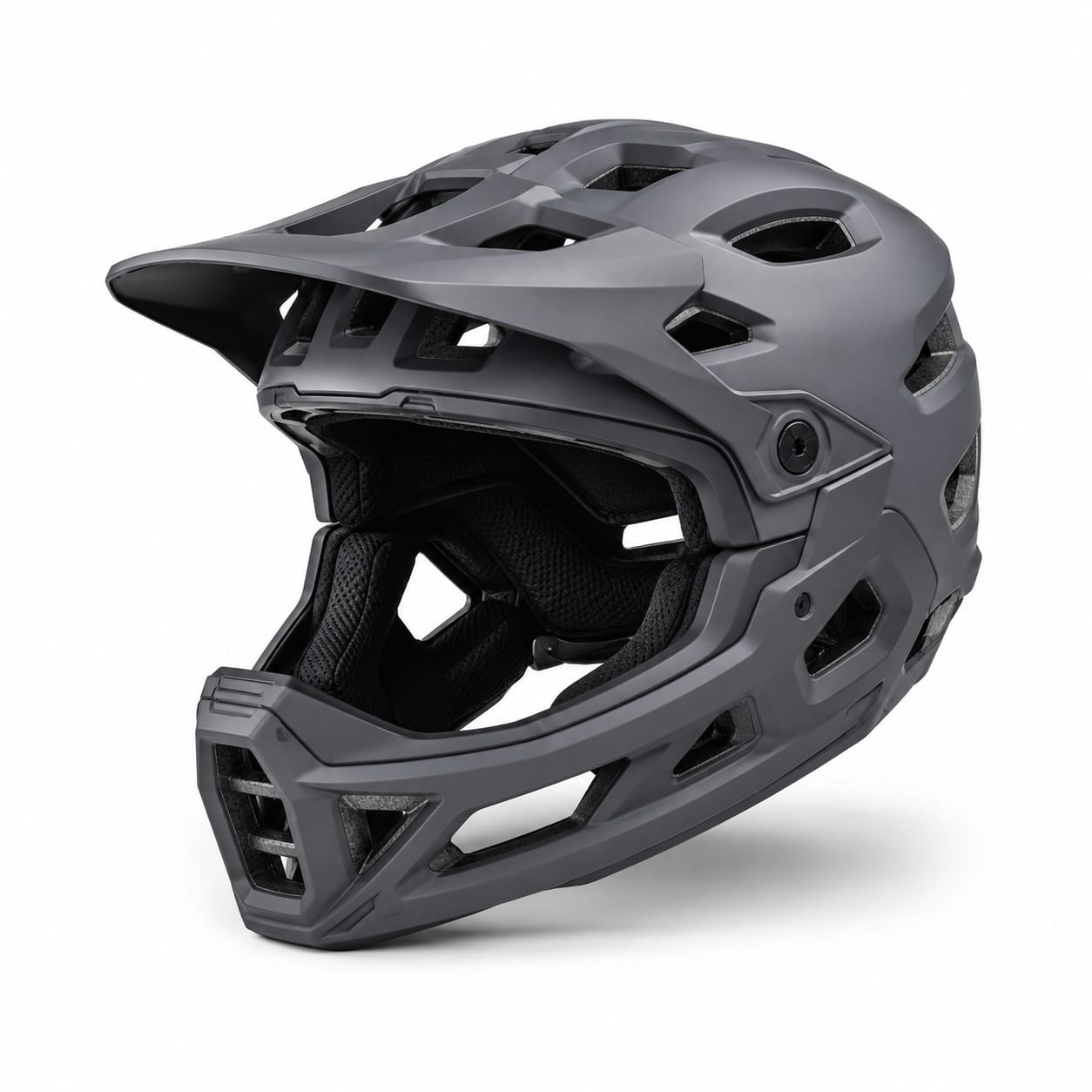
Enduro / All-Mountain Helmet
$80 – $350
Enhanced-coverage half-shell helmets bridging the gap between trail and full-face protection for aggressive riding.
maximum half-shell coverageremovable chin bar on some modelsaggressive ventilation
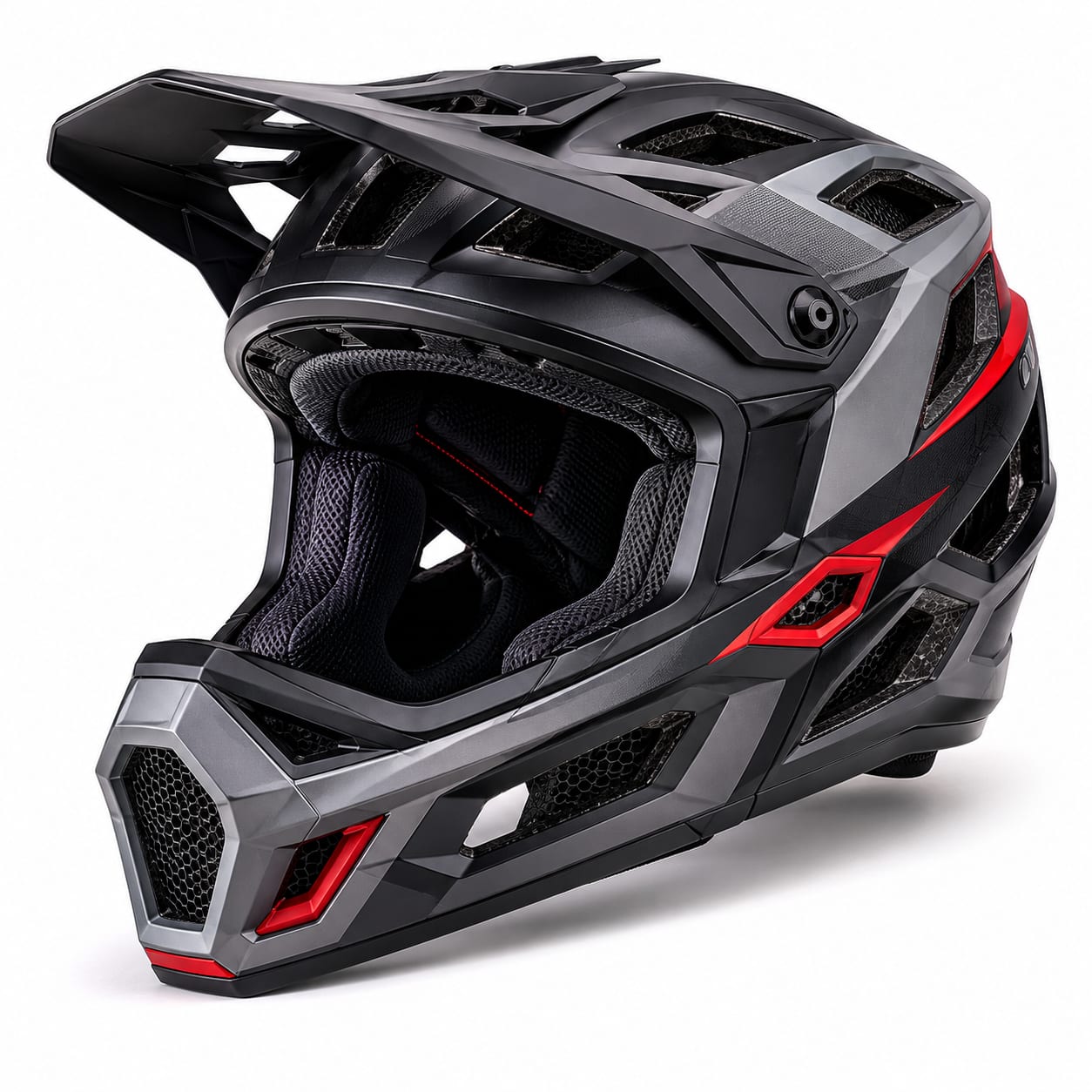
Full Face Mountain Bike Helmet
$80 – $600
Complete head and face protection helmets for downhill mountain biking and extreme off-road disciplines.
full chin barextensive vent systemreinforced shell
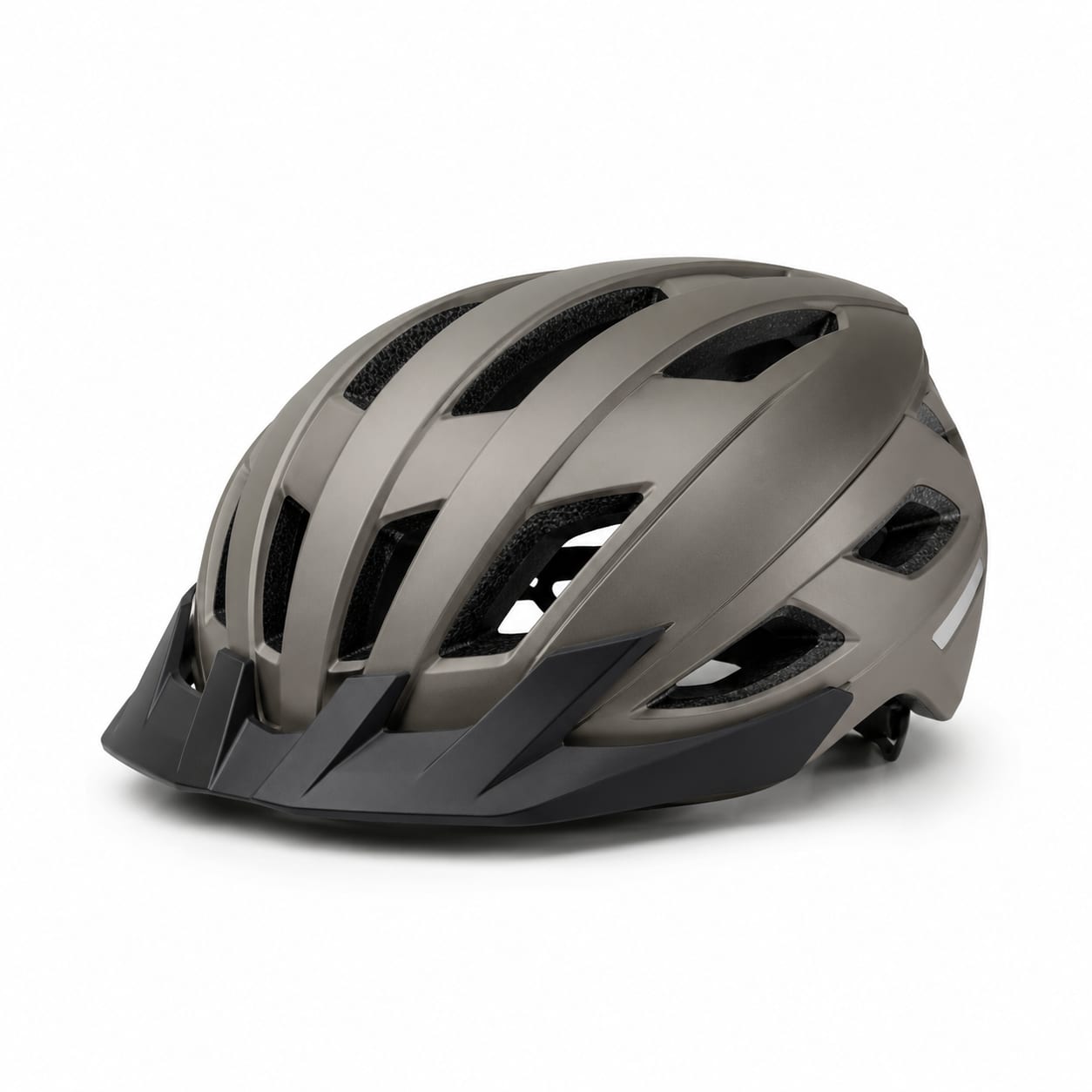
Gravel / Adventure Helmet
$60 – $300
Versatile helmets blending road ventilation with mountain bike coverage for mixed-surface riding.
road-like ventilationslight rear coverage extensionremovable visor
More questions
- Do I really need a mountain bike helmet, or can I use my road helmet for trail riding?
- Is MIPS worth the extra cost?
- When should I replace my mountain bike helmet?
- Can I use my mountain bike helmet for road riding?