What it means
The fundamental construction style of the cycling pants, determining overall design, intended use, and how the garment stays in position while riding.
Typical for this type
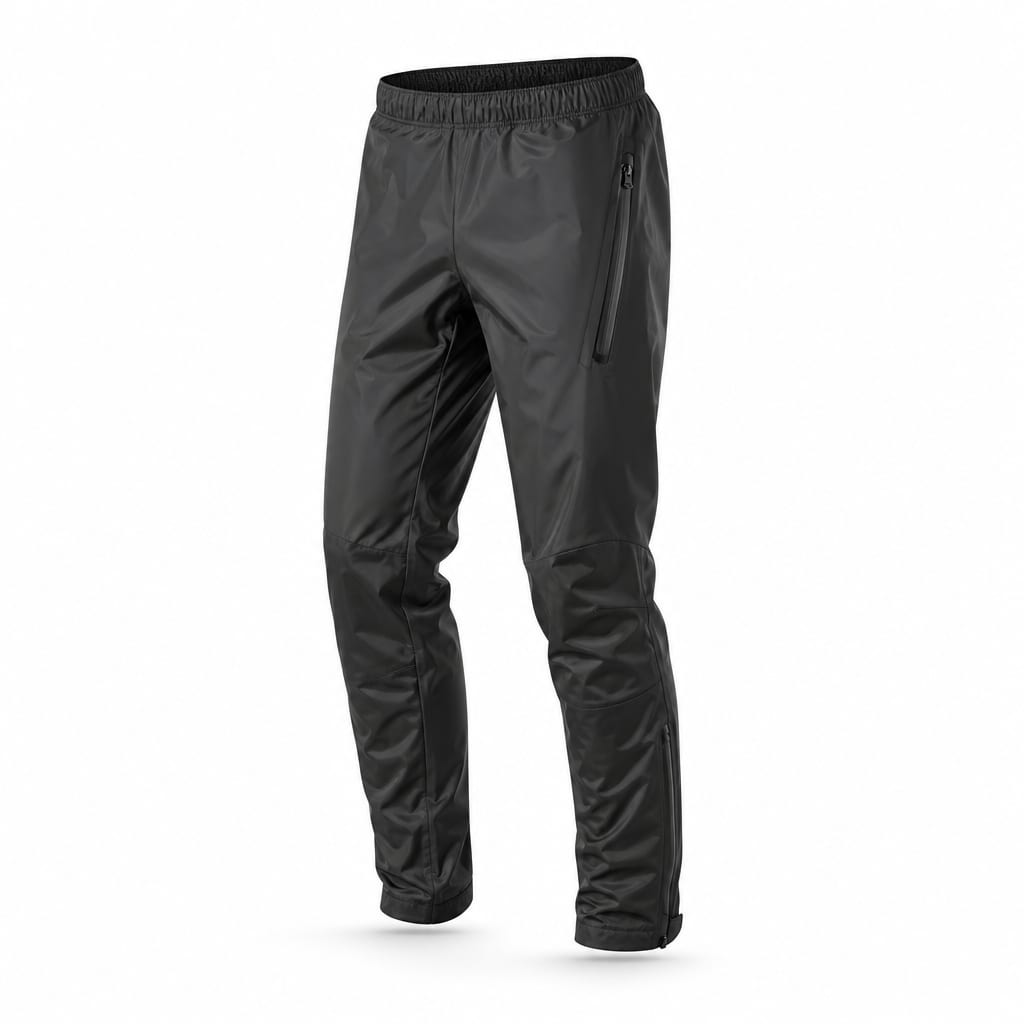
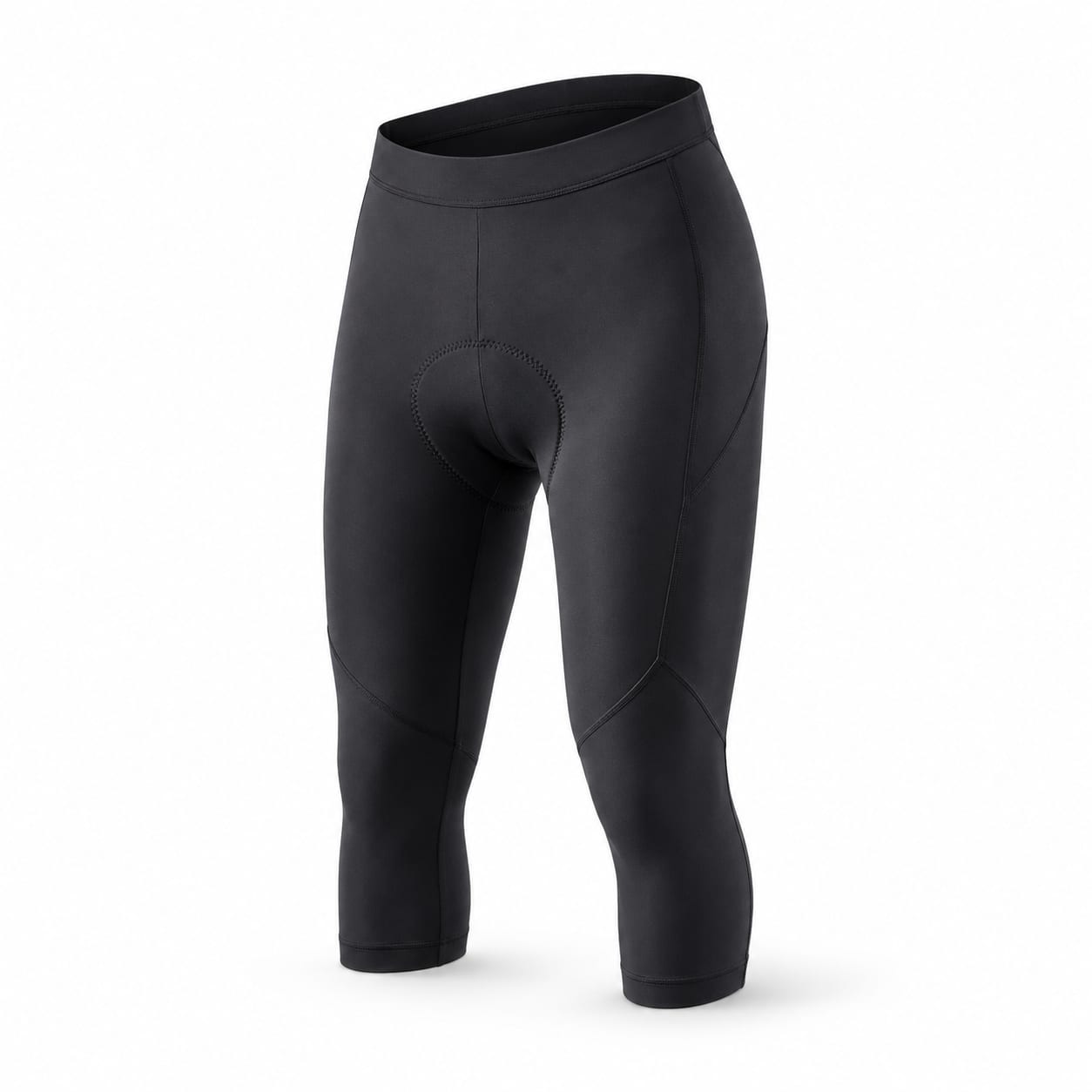
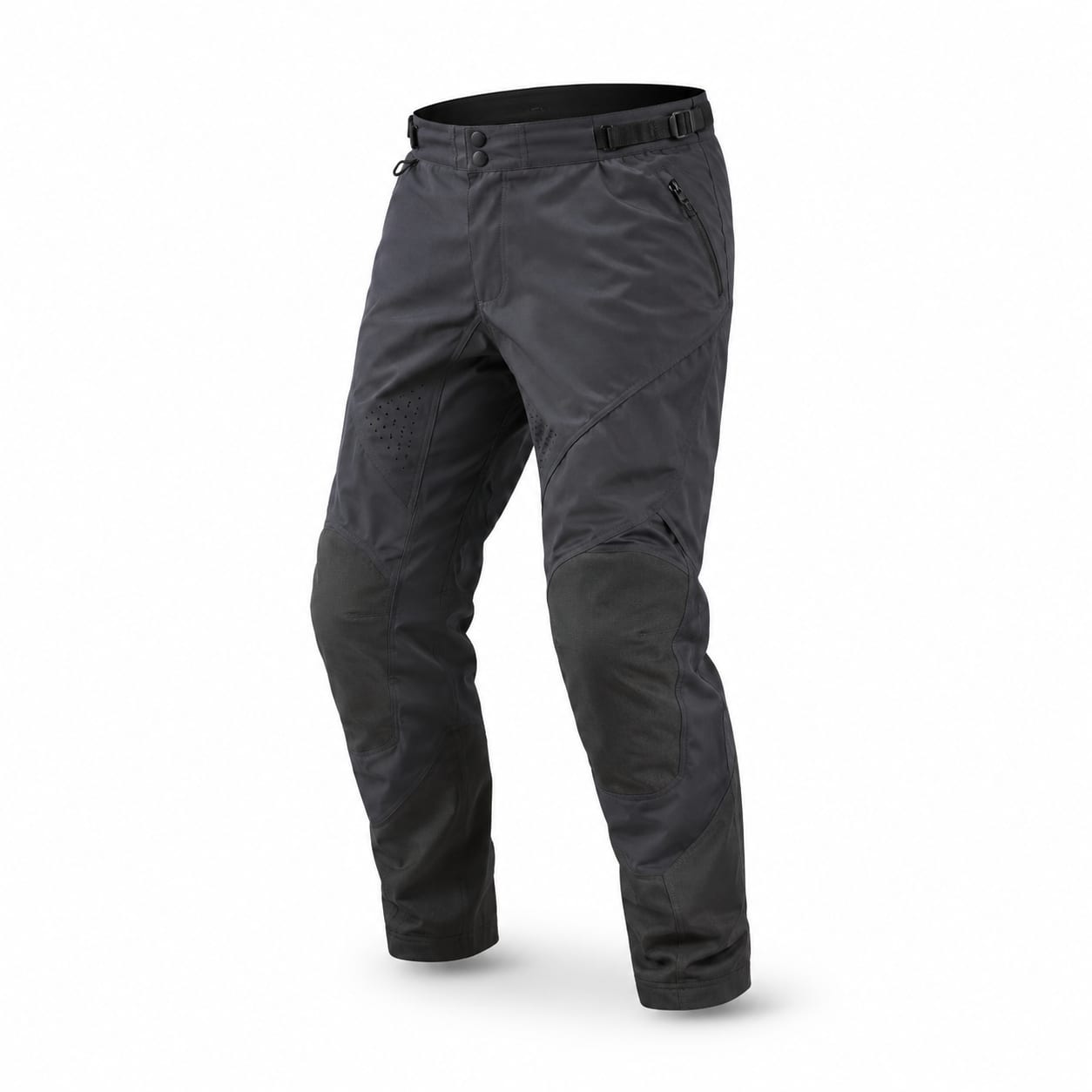
Waist Short, Baggy Short, Rain Pant
Most common pick: Waist Short Or Baggy Short
In practice
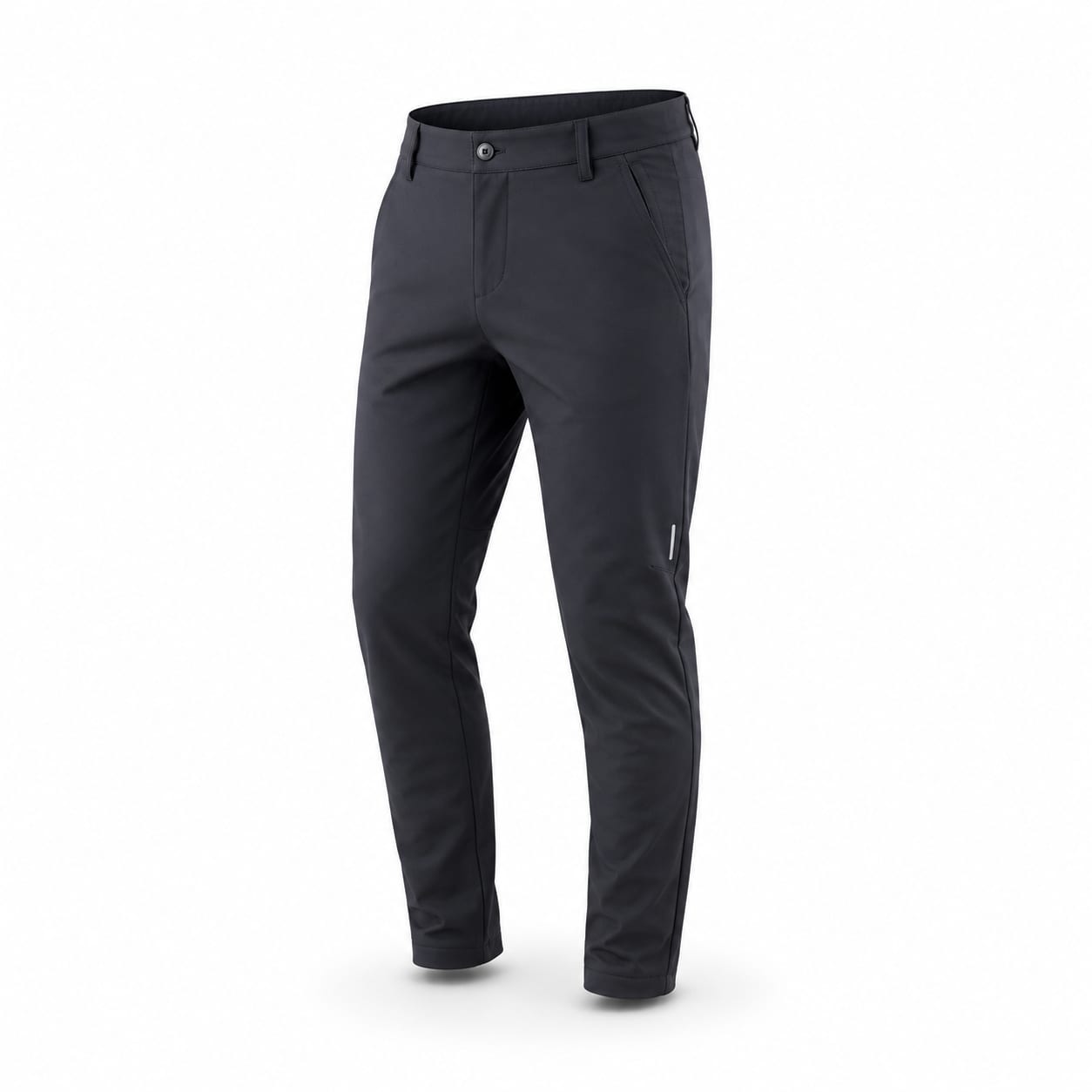
Commuter pants are predominantly waist-style shorts or full-length trousers with a casual cut, or rain over-pants for wet weather. Bib styles are rare since commuters prioritize easy on/off and bathroom convenience.
Compared to other types
Unlike road cycling shorts (predominantly bib_short) or mountain bike shorts (baggy_short with liner), commuter pants favor waist-style construction for convenience and off-bike appearance.
Why it matters: The pant type determines whether you can quickly change, how the garment interacts with your work clothes, and whether you need a separate layer for weather protection.
What it means
The design, construction, and technology of the padded insert sewn into the crotch area of cycling pants, which is the primary determinant of saddle comfort.
Typical for this type
None, Single Density Foam, Multi Density Foam
Most common pick: None Or Single Density Foam
In practice
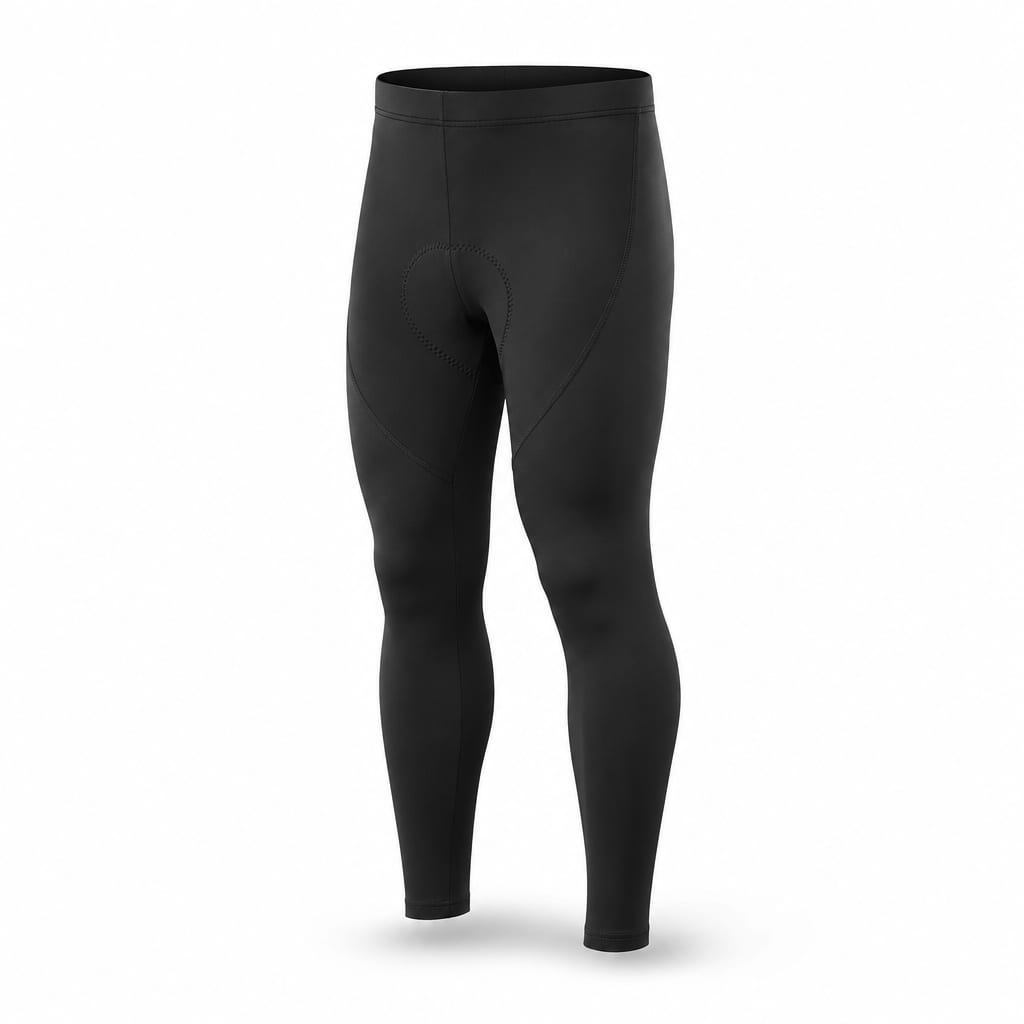
Many commuter pants have no chamois, designed to be worn over separate padded underwear or liner shorts. Those with integrated pads typically use a thin, discreet single-density or multi-density foam that doesn't create visible bulk or an awkward silhouette when standing.
Compared to other types
Road and performance shorts use thick multi-density or anatomical 3D chamois. Commuter pants either omit the pad entirely or use minimal padding that's invisible under casual styling.
Why it matters: The chamois choice determines whether you need a separate liner, how the pants look off the bike, and comfort level for your commute distance.
Pad Thickness
Chamois Thickness
What it means
The maximum thickness of the chamois padding, typically measured at the densest point under the sit bones, affecting cushioning level and feel on the saddle.
Typical for this type
0-10 mm
Most common pick: 0 mm (no chamois) or 6-9 mm
In practice
When present, commuter pant chamois pads are thin (6-9mm) to maintain a normal appearance and avoid the diaper look. Many commuter pants have no chamois at all, relying on a separate padded liner worn underneath.
Compared to other types
Road shorts typically use 10-14mm pads. Commuter pants use thinner pads or none, prioritizing appearance over maximum cushioning.
Why it matters: Thicker pads provide more comfort but create visible bulk that looks unnatural in casual pants. Thinner or no chamois maintains off-bike appearance at the cost of some saddle comfort.
What it means
The length of the leg portion of the cycling pants, measured from the crotch seam to the leg opening, determining coverage and muscle compression area.
Typical for this type
Long, Full Length
Most common pick: Full Length Or Long
In practice
Commuter pants are most commonly full-length trousers (to ankle) or occasionally 3/4 length for warmer weather. Full-length provides maximum coverage, chain protection, and a professional appearance at work.
Compared to other types
Road shorts are typically standard or long inseam above the knee. Commuter pants are almost always full-length to ankle, functioning as actual trousers.
Why it matters: Full-length legs protect from chain grease, road spray, and cold, while also meeting most workplace dress codes. Shorter lengths sacrifice professionalism for cooling.
What it means
How closely the cycling pants conform to the body, affecting aerodynamics, compression, comfort, and freedom of movement.
Typical for this type
Relaxed, Loose
In practice
Commuter pants use a relaxed or loose fit that allows full pedaling motion while maintaining a normal trouser silhouette. The cut is trimmer than mountain bike baggies but not form-fitting like road shorts.
Compared to other types
Road shorts use race or club fit. Mountain bike shorts use loose fit. Commuter pants sit in the relaxed-to-loose range, prioritizing off-bike appearance and on-bike comfort.
Why it matters: A relaxed fit allows comfortable pedaling without restricting hip movement, while still looking like normal pants when you arrive at your destination.
Material
Fabric Composition
What it means
The primary materials used in the cycling pants construction, affecting stretch, moisture management, durability, compression, and comfort.
Typical for this type
Nylon Spandex, Polyester Spandex, Recycled Blend, Softshell
In practice
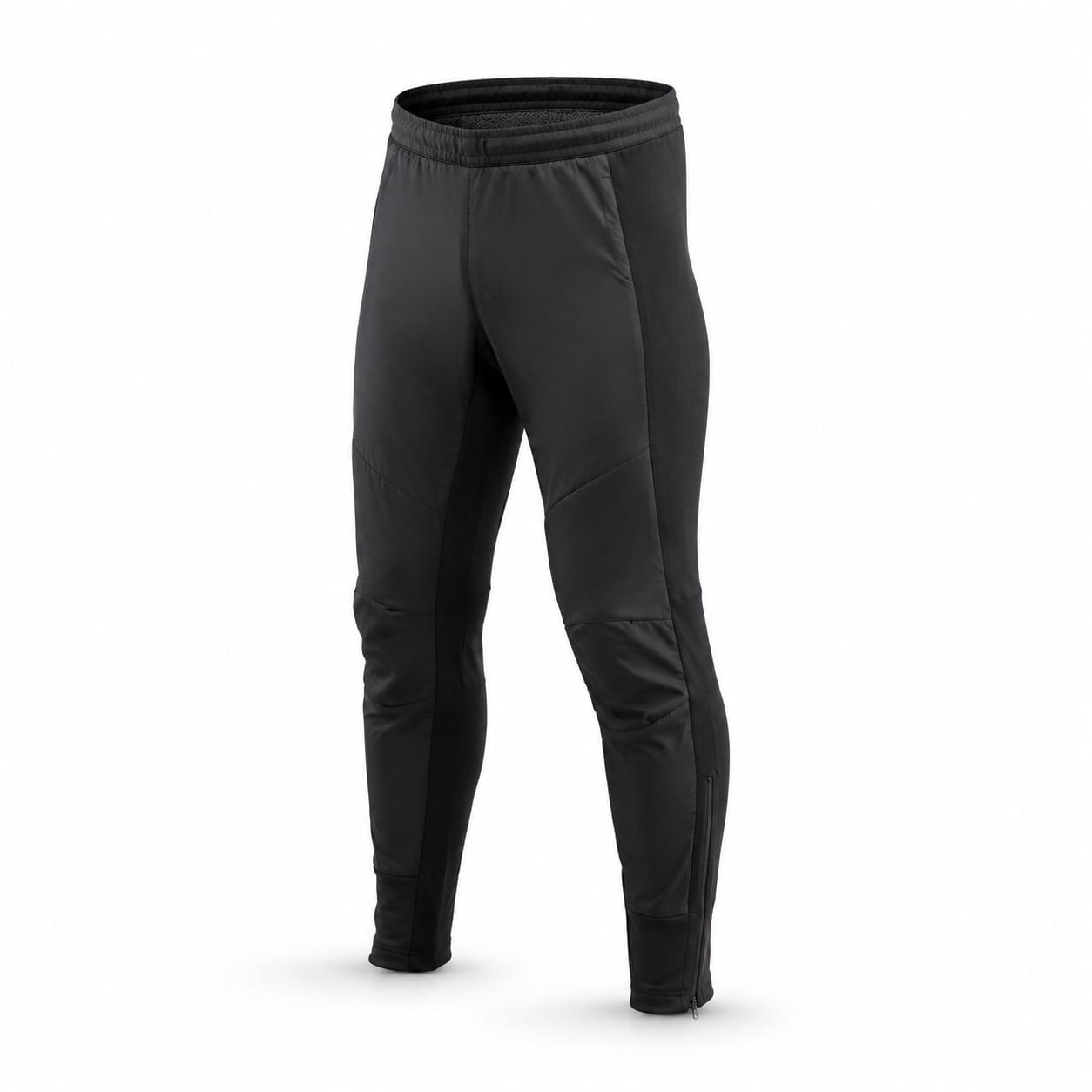
Nylon-spandex blends dominate commuter pants for their durability, abrasion resistance, and ability to look like cotton twill while stretching. Polyester-spandex is used for lighter-weight summer models. Softshell variants add wind and water protection for cold-weather commuting.
Compared to other types
Road shorts favor polyester-spandex for moisture wicking. Commuter pants favor nylon-spandex for durability and appearance, since they're worn all day, not just for rides.
Why it matters: Nylon-spandex provides the best balance of durability (important for everyday wear), stretch (for pedaling), and appearance (can mimic fabric textures). The small spandex percentage is critical for mobility.
Number of Panels
Panel Count
What it means
The number of individual fabric pieces used to construct the cycling pants, with more panels generally allowing better anatomical shaping and fit.
Typical for this type
4-8 panels
Most common pick: 6 panels
In practice
Commuter pants typically use 6 panels to balance anatomical shaping with the clean seam lines expected in casual trousers. Too many panels creates a technical look; too few compromises fit in the riding position.
Compared to other types
Road shorts use 6-10 panels for maximum anatomical fit. Commuter pants use fewer panels to maintain a clean, casual appearance with strategic articulation at the knees and crotch.
Why it matters: Panel count affects both the pant's appearance (fewer panels look more like regular pants) and its on-bike comfort (more panels allow better articulation for pedaling).
Compression
Compression Level
What it means
The degree of graduated or uniform compression provided by the fabric, affecting muscle support, blood flow, fatigue reduction, and recovery.
Typical for this type
Light
In practice
Commuter pants provide light compression at most—just enough to hold the garment in place without the tight, restrictive feel of performance cycling wear. The priority is all-day comfort and a normal appearance.
Compared to other types
Road and race shorts use moderate to firm compression for muscle support. Commuter pants use light compression because they're worn for hours off the bike where comfort and appearance matter more than performance.
Why it matters: Firm compression would look and feel unnatural in a casual pant. Light compression keeps the fabric from bagging while allowing comfortable all-day wear at the office.
Leg Gripper
Leg Gripper Type
What it means
The method used to keep the leg openings of cycling pants in place and prevent riding up during pedaling.
Typical for this type
Elastic Band, None
Most common pick: Elastic Band Or None
In practice
Full-length commuter pants typically don't need leg grippers since the ankle cuff keeps them in place. For cropped or short commuter pants, a subtle elastic band or internal silicone strip at the hem prevents riding up without the visible gripper lines of road shorts.
Compared to other types
Road shorts rely on silicone dot or compression hem grippers. Commuter pants often forgo visible grippers entirely, using hem construction and fabric weight to stay in place.
Why it matters: Leg management matters for chain-side clearance. Some commuter pants include a subtle reflective ankle band or roll-up snap that doubles as a leg retention system.
Bib Strap Style
Bib Strap Design
What it means
The construction and configuration of shoulder straps on bib-style cycling pants, affecting comfort, breathability, and convenience.
Typical for this type
N/A
Most common pick: N/A (Not Bib Style)
In practice
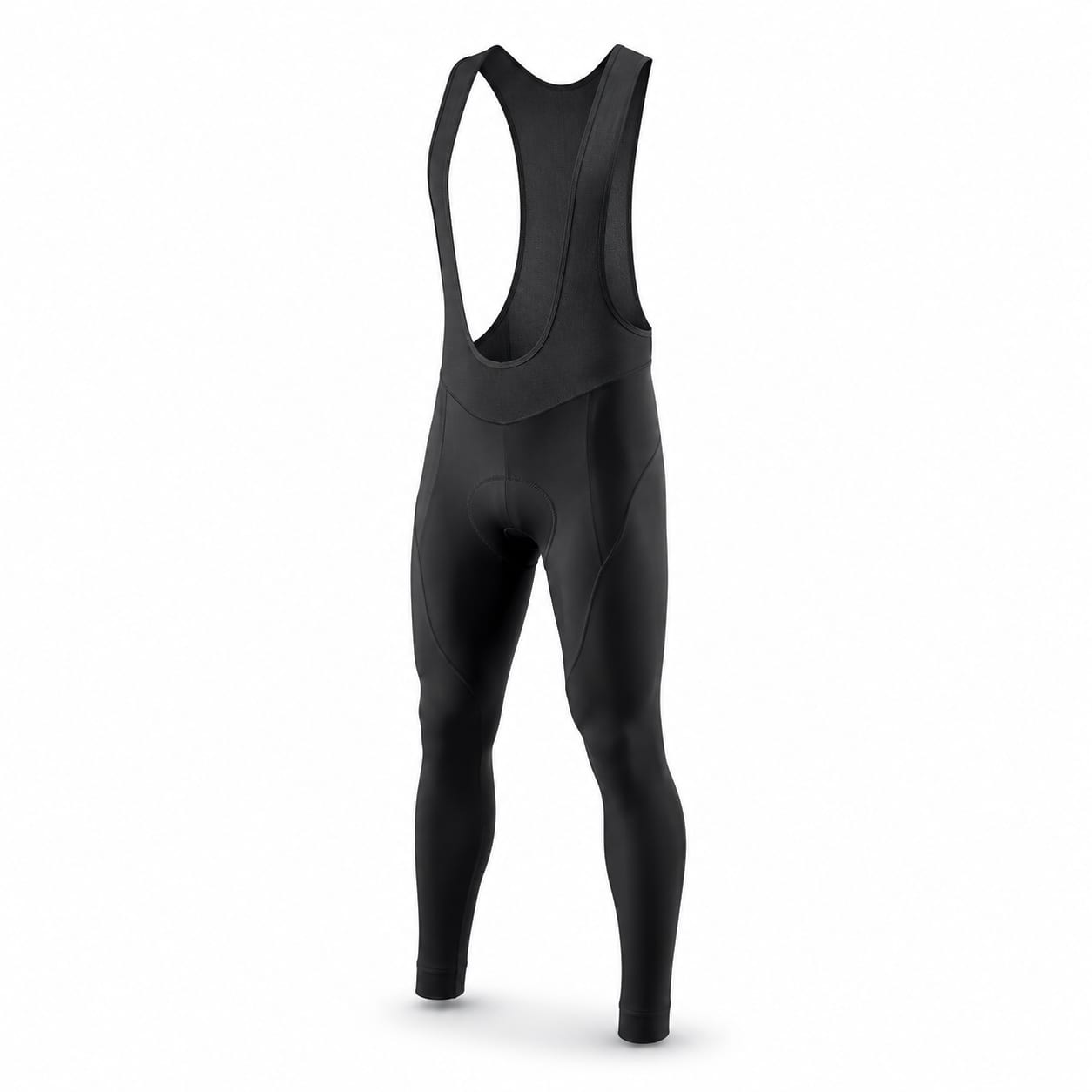
Commuter cycling pants are almost never bib style, as the straps would be visible under work shirts and defeat the purpose of a normal-appearing garment. The rare exceptions are winter commuter bib tights worn under outer pants.
Compared to other types
Road cycling heavily favors bib shorts. Commuter pants are exclusively waist-style for convenience, appearance, and compatibility with work attire.
Why it matters: Bib straps are incompatible with the commuter pant's goal of looking like regular clothing. Waist-style construction is essential for the quick on/off and normal appearance commuters need.
Seam Construction
Seam Type
What it means
The method used to join fabric panels, affecting comfort, chafing risk, durability, and aerodynamics.
Typical for this type
Flatlock, Seamless Zone
In practice
Flatlock stitching is standard in commuter pants, providing a comfortable interior surface that won't chafe during the ride while maintaining a clean external appearance. Some premium models use seamless zone construction in the crotch area where saddle contact is highest.
Compared to other types
Road shorts use flatlock or bonded seams. Commuter pants use flatlock for durability and appearance, with special attention to eliminating the crotch seam through gusseted construction.
Why it matters: The crotch seam is the most critical area—regular pants have a central seam that causes significant discomfort on a saddle. Commuter pants eliminate or flatten this seam through gussets and flatlock construction.
Temp Range
Temperature Range
What it means
The ambient temperature range in which the cycling pants are designed to perform optimally, based on fabric weight, insulation, and breathability.
Typical for this type
Warm, Mild, Cool
Most common pick: Mild to Warm
In practice
Standard commuter pants are designed for mild to warm conditions (10-28°C). Many commuters own multiple weights: a lightweight pair for summer, a standard pair for three-season use, and a softshell or thermal pair for winter commuting.
Compared to other types
Road shorts are optimized for warm conditions. Commuter pants need wider temperature versatility since they're worn continuously, often with features like zip-off legs or roll-up hems for adaptability.
Why it matters: Since commuter pants are worn all day, they need to handle both the warmth generated by riding and the ambient temperature of the workplace. Breathability and moderate insulation are key.
What it means
The Ultraviolet Protection Factor rating indicating how effectively the fabric blocks UV radiation, important for long sun-exposed rides.
Typical for this type
UPF 30-50
Most common pick: UPF 30-40
In practice
Most commuter pants provide UPF 30-40 protection naturally through their denser nylon fabrics. This is sufficient for typical commute durations of 15-60 minutes in sun exposure.
Compared to other types
Road shorts may have UPF 50+ ratings for long sun exposure. Commuter pants achieve similar protection through denser fabric construction, though it's less commonly marketed as a feature.
Why it matters: While commute rides are shorter than training rides, daily repeated sun exposure adds up. The denser fabrics used in commuter pants naturally provide good UV protection.
Reflectivity
Reflective Elements
What it means
The presence and extent of reflective materials on the cycling pants for visibility in low-light conditions.
Typical for this type
Moderate, High Visibility
In practice
Commuter pants typically feature moderate reflectivity through discreet elements: reflective strips inside turn-up hems, small reflective dots on rear pockets, or reflective piping along side seams that's barely visible until illuminated. This stealth-reflective approach provides safety without the hi-vis aesthetic.
Compared to other types
Road shorts typically have minimal or no reflectivity. Commuter pants prioritize moderate, discreet reflectivity as a safety essential for the low-light riding that's inherent to commuting.
Why it matters: Commuters frequently ride in low light—early mornings, evenings, or year-round in northern climates. Reflective elements on the legs are particularly effective because the pedaling motion attracts driver attention.
What it means
The construction and closure system at the waist of non-bib cycling pants, affecting comfort, security, and adjustability.
Typical for this type
Snap Zip Fly, Elastic Drawstring, Wide Comfort
Most common pick: Snap Zip Fly Or Elastic Drawstring
In practice
Commuter pants most commonly use a snap/button with zip fly for a traditional trouser appearance, often combined with hidden internal elastic or drawstring for adjustability. Premium models use wide comfort waistbands with a higher back to prevent gapping in the riding position.
Compared to other types
Road shorts use elastic-only or wide comfort waistbands. Commuter pants use traditional closures (snap/zip) for normal appearance, often with hidden elastic or adjustment for on-bike security.
Why it matters: The waist system must keep pants secure in the forward-leaning riding position without digging in when seated at a desk. A higher rear waistband prevents the exposed lower back that regular pants create on a bike.
Water Resistance
Water Resistance
What it means
The level of water and rain protection provided by the cycling pants, from none to fully waterproof.
Typical for this type
Dwr Coated, Waterproof Membrane
In practice
DWR coating is the most common water resistance level in commuter pants, providing enough protection for light rain and road spray without the breathability penalty of a waterproof membrane. Dedicated commuter rain pants use waterproof membranes for full wet-weather protection.
Compared to other types
Road shorts typically have no water resistance. Commuter pants frequently include DWR coating as a standard feature, recognizing that commuters ride in all conditions.
Why it matters: Commuters can't simply choose not to ride when it's raining—they need to get to work. DWR coating handles the majority of commute conditions, while dedicated rain pants are essential for wet climates.
Pockets
Pocket Configuration
What it means
The number, type, and placement of pockets on the cycling pants, affecting storage options for ride essentials.
Typical for this type
Standard, Extensive
Most common pick: Standard (2-4 Pockets)
In practice
Commuter pants typically feature 2-4 pockets including front hand pockets, a rear pocket, and often a zippered security pocket for phone or wallet. Some models include a dedicated phone pocket with soft lining. Pockets are often angled slightly forward for easier access while seated on a saddle.
Compared to other types
Road shorts have no pockets. Mountain bike shorts have standard pockets. Commuter pants need the most thoughtful pocket design—secure enough for riding, accessible enough for all-day wear, and normal-looking enough for the office.
Why it matters: Commuters carry everyday items (phone, wallet, keys) that must stay secure on the bike and be accessible off it. Zippered security pockets prevent loss on rough roads, while the pocket count and placement must work with both riding and office use.