What it means
The fundamental construction style of the cycling pants, determining overall design, intended use, and how the garment stays in position while riding.
Typical for this type
Baggy Short (Full-Length Variant)
In practice
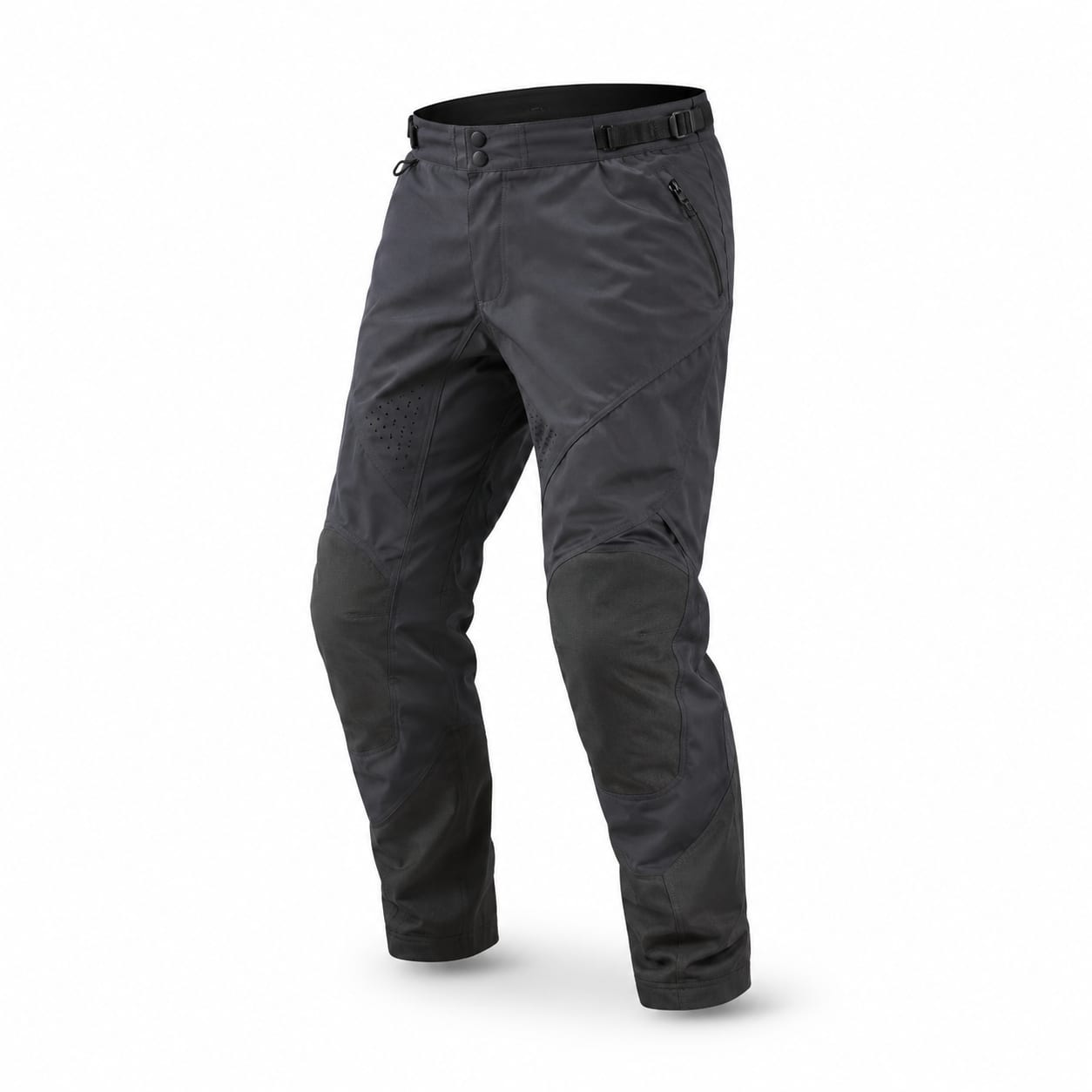
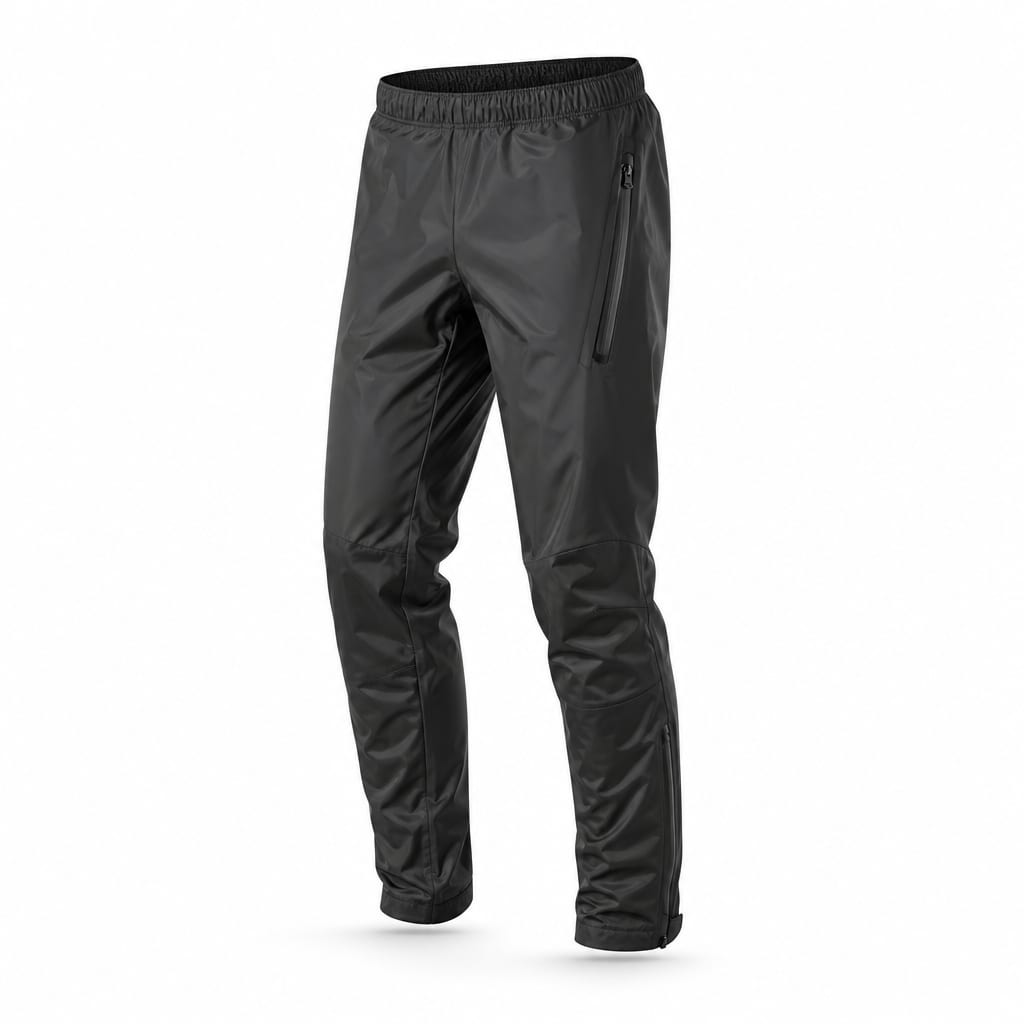
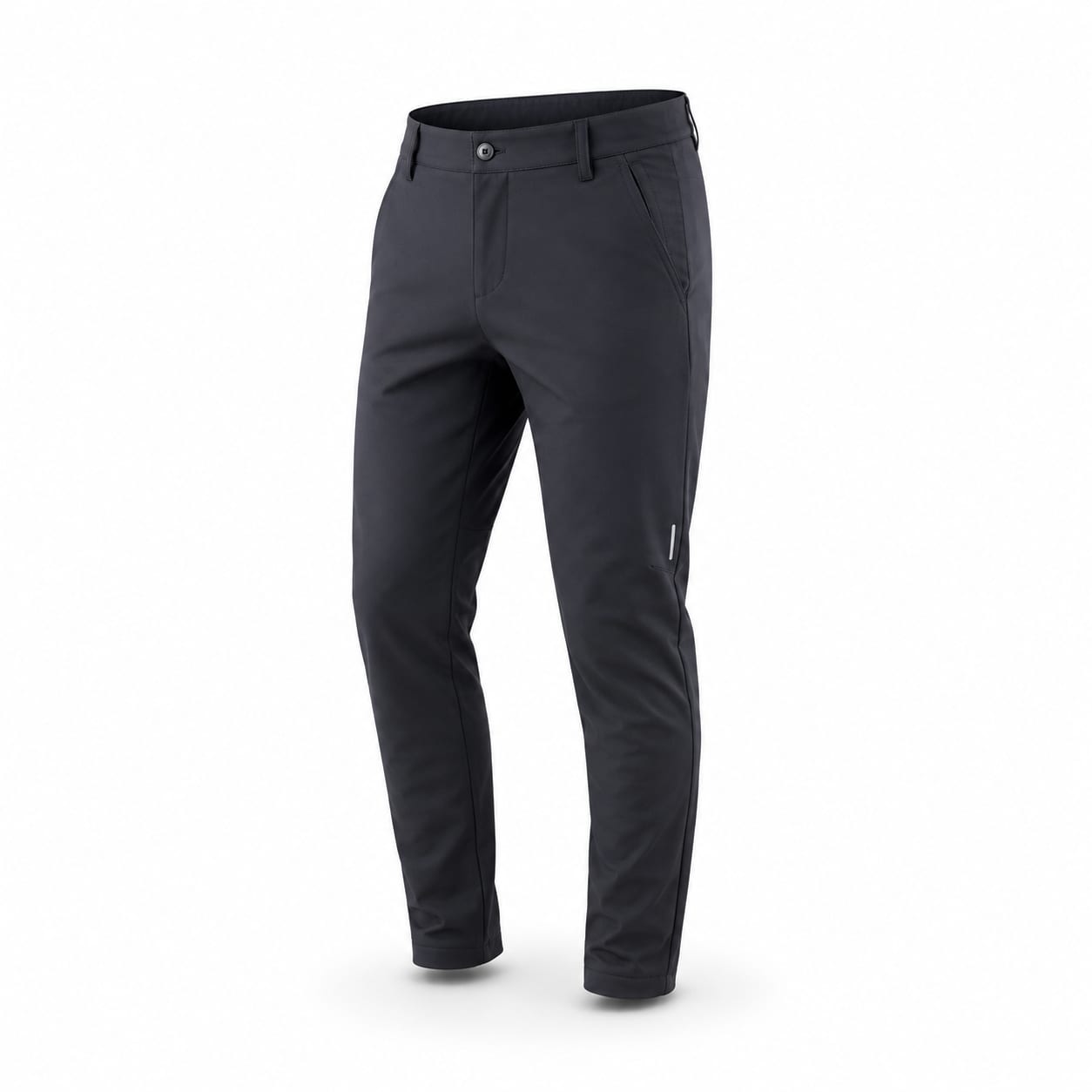
MTB pants use a loose, baggy construction style with an outer shell design. They are essentially full-length versions of baggy mountain bike shorts, maintaining the same freedom-of-movement philosophy but extending coverage to the ankle or mid-calf.
Compared to other types
Unlike road bib shorts or waist shorts that prioritize aerodynamic fit, MTB pants prioritize protection and freedom of movement. Unlike rain pants which are purely functional over-shells, MTB pants are standalone riding garments with integrated features like ventilation and pockets.
Why it matters: The baggy/loose construction is essential for accommodating knee pads, allowing unrestricted movement for aggressive riding positions, and providing the durability needed for trail hazards. A form-fitting design would be incompatible with body armor and would restrict the dynamic movements of mountain biking.
What it means
The design, construction, and technology of the padded insert sewn into the crotch area of cycling pants, which is the primary determinant of saddle comfort.
Typical for this type
None (With Separate Quality Liner)
In practice
The vast majority of MTB pants do not include an integrated chamois. They are designed to be worn over separate padded liner shorts, which allows riders to choose their preferred chamois and swap liners between rides without washing the outer pants.
Compared to other types
Road bib shorts and waist shorts always include integrated chamois. Baggy MTB shorts sometimes include liners. MTB pants almost universally exclude them, as the target users prefer choosing their own liner or riding without padding for park sessions.
Why it matters: The separate liner system provides flexibility—you can match your preferred chamois quality and style to the outer pant. It also means the pants can be worn without a liner for lift-accessed park laps where saddle time is minimal. Some budget MTB pants include a basic liner, but these are typically low quality.
Pad Thickness
Chamois Thickness
What it means
The maximum thickness of the chamois padding, typically measured at the densest point under the sit bones, affecting cushioning level and feel on the saddle.
Typical for this type
N/A — Use Separate Liner With 8-13mm Pad For Trail Riding
Most common pick: N/A (No Integrated Chamois)
In practice
Since MTB pants lack an integrated chamois, this dimension applies to the separate liner shorts worn underneath. For trail and enduro riding, a multi-density pad of 8-13mm in the liner is recommended. For downhill/park riding where saddle time is minimal, a thinner pad or no liner at all is common.
Compared to other types
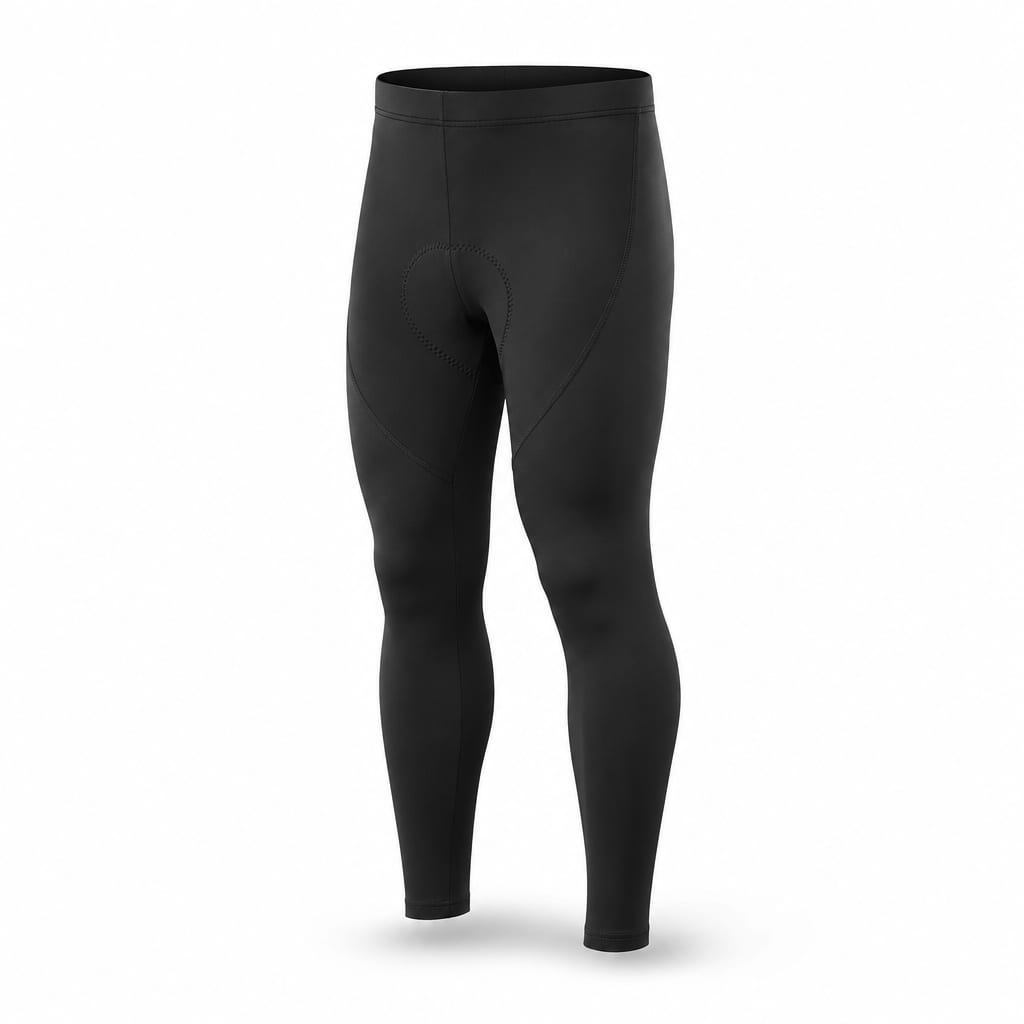
Road shorts typically have 8-15mm integrated chamois. MTB pants shift this responsibility to the rider's choice of liner, which can be an advantage (customization) or a hidden cost (liner must be purchased separately).
Why it matters: Choosing the right liner chamois thickness is critical since the pants themselves provide no padding. Riders who skip this consideration often experience saddle discomfort on pedaling-intensive rides.
What it means
The length of the leg portion of the cycling pants, measured from the crotch seam to the leg opening, determining coverage and muscle compression area.
Typical for this type
Full Length For DH/Enduro; Three Quarter For Trail/All-Mountain
In practice
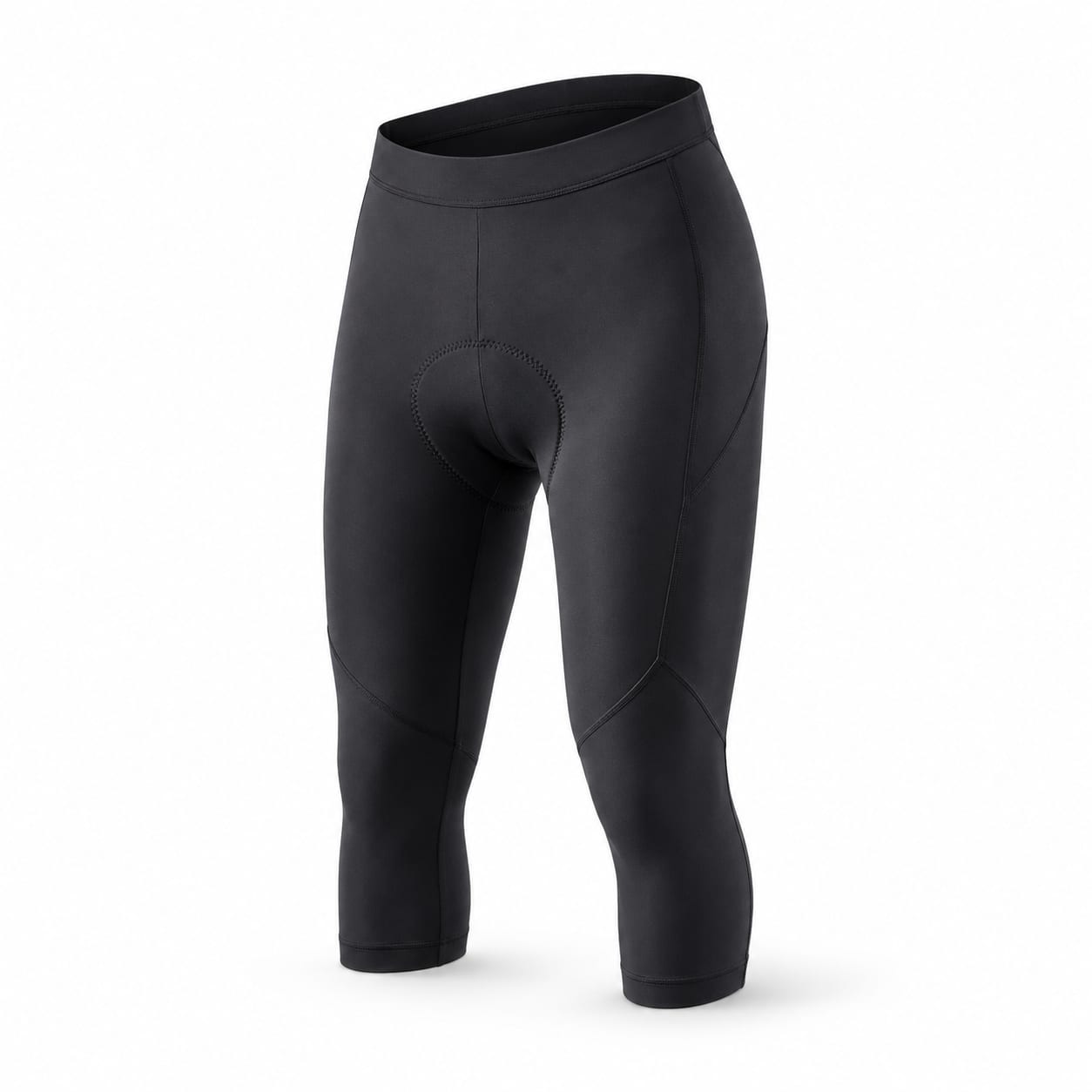
MTB pants are defined by their extended leg length compared to shorts. Full-length versions reach the ankle, providing maximum protection. 3/4 length versions end below the knee at mid-calf, offering knee coverage with better ventilation and compatibility with tall knee pads.
Compared to other types
Road shorts are typically standard or long length (above knee). MTB shorts are standard length. MTB pants are uniquely full-length or 3/4, providing coverage no short can offer. This extra coverage is the primary reason riders choose pants over shorts.
Why it matters: Leg length is the defining characteristic of MTB pants versus MTB shorts. Full-length pants protect the entire leg from brush, mud, and crash abrasion. 3/4 length is a popular compromise that protects the knee while running cooler and accommodating knee pads more easily.
What it means
How closely the cycling pants conform to the body, affecting aerodynamics, compression, comfort, and freedom of movement.
Typical for this type
Loose (With Tapered Lower Leg)
In practice
MTB pants use a loose fit throughout the upper leg to accommodate knee pads and allow unrestricted movement, often tapering below the knee to prevent chain snagging and excess fabric near the drivetrain. The fit is designed for the standing/pedaling position of mountain biking, not the tucked road position.
Compared to other types
Road shorts use race or club fit for aerodynamics. Even baggy MTB shorts are less voluminous than MTB pants, which must accommodate both knee pads and the full range of motion needed for technical riding.
Why it matters: The loose fit is not just about style—it's functional. Tight pants would not fit over knee pads, would restrict the dynamic movements of aggressive riding (standing pedaling, jumping, cornering), and would be uncomfortable during crashes. The taper below the knee is a safety feature preventing fabric from catching on the chainring.
Material
Fabric Composition
What it means
The primary materials used in the cycling pants construction, affecting stretch, moisture management, durability, compression, and comfort.
Typical for this type
Nylon Spandex Primary With DWR Coating; Reinforced Panels At Inner Leg
In practice
Nylon-spandex blends dominate MTB pant construction because nylon offers superior abrasion resistance to polyester—a critical factor when sliding across trail surfaces or brushing against vegetation. Spandex content (typically 8-15%) provides the stretch needed for pedaling mobility. Most quality MTB pants also feature a DWR (Durable Water Repellent) coating for mud and light rain shedding.
Compared to other types
Road shorts favor polyester-spandex for moisture wicking and light weight. MTB pants prioritize nylon-spandex for durability and abrasion resistance—comfort comes from the loose fit rather than fabric softness. This is a fundamental difference in design philosophy.
Why it matters: Fabric choice directly determines durability and protection. Nylon resists abrasion significantly better than polyester, meaning pants survive crashes and trail encounters that would shred lesser fabrics. The DWR coating is essential for wet riding—without it, mud and water saturate the fabric, adding weight and discomfort.
Number of Panels
Panel Count
What it means
The number of individual fabric pieces used to construct the cycling pants, with more panels generally allowing better anatomical shaping and fit.
Typical for this type
5-8 panels
Most common pick: 6 panels
In practice
MTB pants typically use 5-8 panels to balance anatomical shaping with durability. More panels allow better articulation at the knees and hips, but each seam is a potential failure point. Strategic panel placement reinforces high-wear areas like the inner leg and seat while using fewer panels in low-stress zones.
Compared to other types
Road shorts often use 6-10 panels for anatomical fit. MTB pants use fewer panels on average because the loose fit requires less precise shaping, and durability concerns favor larger, simpler panels with fewer seams to fail under stress.
Why it matters: Panel count in MTB pants serves a different purpose than in road shorts. While road shorts use panels for body-hugging fit, MTB pants use them for articulation (allowing the knee to bend without fabric bunching) and reinforcement (adding heavier fabric at wear points). Too few panels restrict movement; too many create unnecessary seams that can fail.
Compression
Compression Level
What it means
The degree of graduated or uniform compression provided by the fabric, affecting muscle support, blood flow, fatigue reduction, and recovery.
Typical for this type
Light
In practice
MTB pants provide minimal to no compression—they are designed to be loose and non-restrictive. Any compression benefits come from the separate liner shorts worn underneath, not from the pants themselves.
Compared to other types
Road shorts offer moderate to firm compression for muscle support and aerodynamics. MTB pants are at the opposite end of the spectrum—designed to be loose and unrestrictive. This is appropriate given the dynamic, whole-body movements of mountain biking versus the relatively static road cycling position.
Why it matters: Compression is not a design goal for MTB pants. Freedom of movement and the ability to layer over knee pads are far more important. Riders seeking compression benefits should focus on their liner short choice rather than the outer pant.
Leg Gripper
Leg Gripper Type
What it means
The method used to keep the leg openings of cycling pants in place and prevent riding up during pedaling.
Typical for this type
Elastic Band Or Adjustable Velcro Cuff
In practice
MTB pants typically use elastic bands at the ankle cuff, often paired with Velcro adjustment tabs, to keep the hem from riding up or catching on the drivetrain. Unlike form-fitting cycling shorts that rely on silicone grippers against skin, MTB pants need a mechanical closure system that works over socks and pads.
Compared to other types
Road shorts use silicone dot or compression hems against bare skin. MTB pants need a different approach because the cuff must close over socks and potentially pads, and must be adjustable for safety. The adjustable cuff is unique to full-length cycling pants.
Why it matters: The ankle cuff system is a safety feature. A loose pant leg can catch on the chainring, causing an immediate crash. Adjustable cuffs allow riders to fine-tune the fit over different sock heights and knee pad styles, and to tighten the cuff in muddy conditions to prevent splash entry.
Bib Strap Style
Bib Strap Design
What it means
The construction and configuration of shoulder straps on bib-style cycling pants, affecting comfort, breathability, and convenience.
Typical for this type
N/A — MTB Pants Are Exclusively Waist-Style
Most common pick: N/A (Waist-Style Only)
In practice
MTB pants do not use bib strap designs. The loose, baggy construction and the need to quickly remove pants (for crashes, adjusting knee pads, or changing weather) makes bib straps impractical. All MTB pants use waist-based closure systems.
Compared to other types
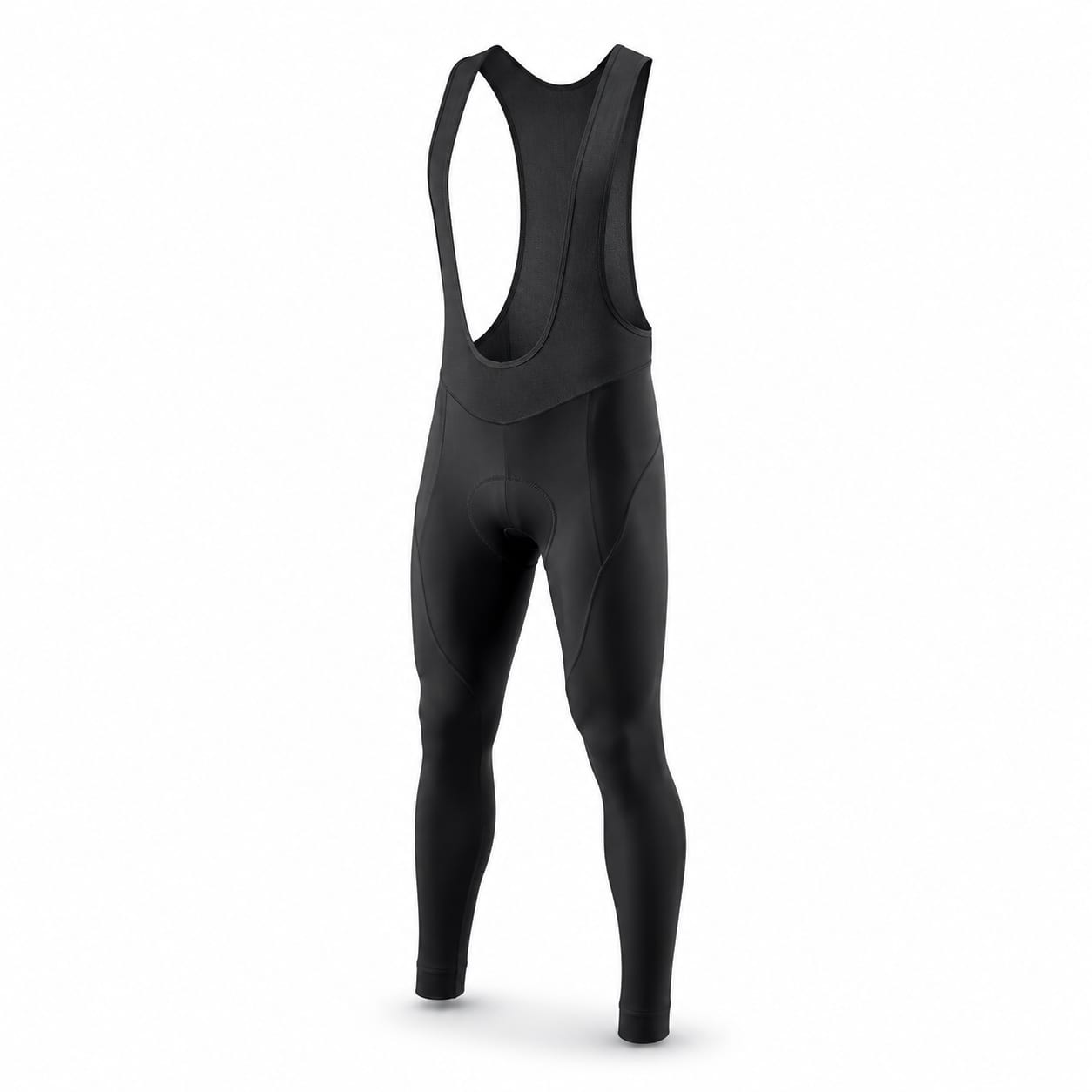
Road cycling uses bib straps extensively for chamois stability and comfort. MTB pants have no chamois to stabilize and the riding dynamics make bibs impractical. This is a clear case where road cycling solutions don't transfer to mountain biking.
Why it matters: Bib straps would be incompatible with the way MTB pants are used—riders need to be able to remove pants quickly at the trailhead, adjust layers mid-ride, and the straps would interfere with body armor and hydration packs.
Seam Construction
Seam Type
What it means
The method used to join fabric panels, affecting comfort, chafing risk, durability, and aerodynamics.
Typical for this type
Flatlock (Minimum); Bonded Seams At Premium Level
In practice
Flatlock stitching is the standard for quality MTB pants, providing a good balance of durability and comfort. The flat seams reduce chafing potential during long rides while maintaining the structural strength needed for aggressive use. Bonded seams appear in premium models for reduced weight and a cleaner look.
Compared to other types
Road shorts prioritize seam comfort against skin. MTB pants prioritize seam durability under stress, with comfort as a secondary concern since the loose fit means seams rarely contact skin under pressure. Overlock seams, unacceptable for road shorts, are sometimes used in non-critical areas of budget MTB pants.
Why it matters: Seam construction matters for both comfort and durability. MTB pants experience more stress than road shorts—crashes, brush contact, and the constant movement of loose fabric create forces that can tear seams. Flatlock stitching handles this stress well while lying flat enough to avoid chafing during pedaling.
Temp Range
Temperature Range
What it means
The ambient temperature range in which the cycling pants are designed to perform optimally, based on fabric weight, insulation, and breathability.
Typical for this type
Cool to Mild (0-18°C / 32-64°F)
In practice
MTB pants perform best in mild to cool conditions. They provide noticeable warmth compared to shorts, making them ideal for spring, fall, and winter riding. In temperatures above 18°C (64°F), most riders find pants too warm for sustained pedaling, though lift-accessed riding changes this equation since there's less heat generation.
Compared to other types
Road shorts are optimized for warm conditions (18-28°C). MTB pants cover a cooler range (0-18°C), making them complementary rather than competing garments. Many mountain bikers own both shorts and pants, selecting based on conditions.
Why it matters: Temperature range is the primary limitation of MTB pants. Riders who only own pants may find themselves uncomfortably hot in summer. Conversely, pants excel in cold and wet conditions where shorts leave legs exposed and miserable. Understanding this range helps riders choose pants for appropriate conditions.
What it means
The Ultraviolet Protection Factor rating indicating how effectively the fabric blocks UV radiation, important for long sun-exposed rides.
Typical for this type
UPF 30-50
In practice
Most MTB pants provide UPF 30-50 protection due to the heavier, denser nylon fabrics used in construction. The full leg coverage itself provides excellent sun protection regardless of UPF rating, as no skin is exposed on the legs.
Compared to other types
Road shorts expose skin and rely on fabric UPF ratings for covered areas. MTB pants provide complete leg coverage, making them the best choice for sun-sensitive riders or those riding at high altitude with intense UV exposure.
Why it matters: MTB pants offer superior sun protection compared to any short simply by covering the entire leg. The UPF rating is almost secondary—full-length coverage eliminates the need for leg sunscreen entirely, which is a significant practical benefit for long days on exposed trails.
Reflectivity
Reflective Elements
What it means
The presence and extent of reflective materials on the cycling pants for visibility in low-light conditions.
Typical for this type
Minimal to Moderate
In practice
Most MTB pants include minimal reflective elements—typically small logos or accents. Since mountain biking primarily occurs on trails away from vehicle traffic, high visibility is less critical than for road cycling. Some commuter-oriented models include moderate reflectivity for path and road segments.
Compared to other types
Road and commuter cycling pants often feature moderate to high reflectivity for vehicle traffic safety. MTB pants prioritize a clean aesthetic and trail functionality over visibility features, which is appropriate for their primary use case.
Why it matters: Reflective elements are less critical for MTB pants than for road cycling pants because mountain biking occurs off-road. However, riders who commute to trailheads or ride on roads connecting trails should consider models with at least moderate reflectivity.
What it means
The construction and closure system at the waist of non-bib cycling pants, affecting comfort, security, and adjustability.
Typical for this type
Snap Zip Fly With Velcro Side Adjusters
In practice
The standard waist system for MTB pants combines a snap or button closure with a zip fly and Velcro side-adjuster tabs. This system provides secure closure, easy on/off, and the ability to fine-tune fit over varying layers. Some models use ratchet buckle systems borrowed from motocross for micro-adjustability.
Compared to other types
Road shorts use simple elastic or wide comfort waistbands. MTB pants require more robust closure systems because the loose fit means gravity and movement constantly work to pull pants down. The adjustable waist system is a defining feature of MTB pants.
Why it matters: The waist system must keep pants secure during aggressive riding while allowing quick adjustment. Side adjusters are essential because riders may wear different base layers or adjust fit between climbing (snug) and descending (slightly looser for comfort). The snap/zip closure is familiar and reliable.
Water Resistance
Water Resistance
What it means
The level of water and rain protection provided by the cycling pants, from none to fully waterproof.
Typical for this type
Dwr Coated (Standard); Waterproof Membrane For Extreme Wet Conditions
In practice
DWR (Durable Water Repellent) coating is standard on most quality MTB pants, causing water and mud to bead off rather than soak in. This is sufficient for most trail conditions. Fully waterproof membrane pants exist for extreme wet weather but sacrifice breathability significantly.
Compared to other types
Road shorts typically have no water resistance, relying on fast drying instead. MTB pants face wetter, muddier conditions and benefit significantly from DWR treatment. This is a meaningful differentiator—DWR coating on MTB pants is not a luxury but a practical necessity for wet trail riding.
Why it matters: Water resistance is more important for MTB pants than for most cycling shorts because mountain biking frequently involves mud, stream crossings, and wet vegetation. DWR coating keeps pants from becoming waterlogged and heavy during a ride. Without it, wet pants stick to the skin, chafe, and can cause cooling when stopping.
Pockets
Pocket Configuration
What it means
The number, type, and placement of pockets on the cycling pants, affecting storage options for ride essentials.
Typical for this type
Standard (2-4 Pockets, Including At Least One Zippered)
In practice
MTB pants typically feature 2-4 pockets including hand pockets and thigh cargo pockets. At least one zippered secure pocket is standard for holding keys, phone, or tools. The pocket placement is designed to be accessible while riding and to not interfere with knee pads or pedaling motion.
Compared to other types
Road shorts have no pockets (using jersey pockets instead). MTB pants serve as a self-contained storage system, which is appropriate since mountain bikers often don't wear jerseys with rear pockets. The pocket configuration reflects the self-sufficient nature of mountain biking.
Why it matters: Mountain bikers often ride without jerseys (using t-shirts or tank tops), so pants pockets may be the primary storage option. Zippered pockets are essential for keeping items secure on rough terrain. Pocket placement must avoid the knee pad zone and not cause items to press into the leg during pedaling.