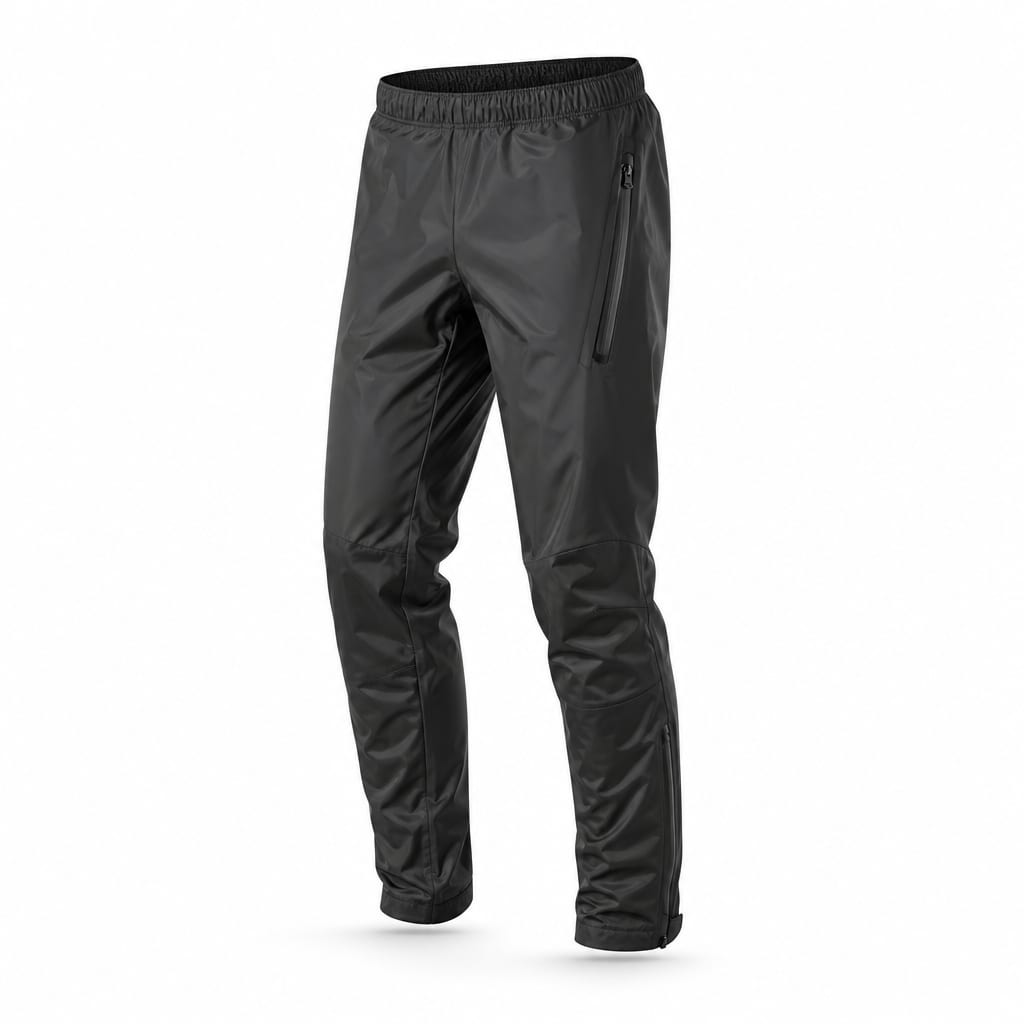
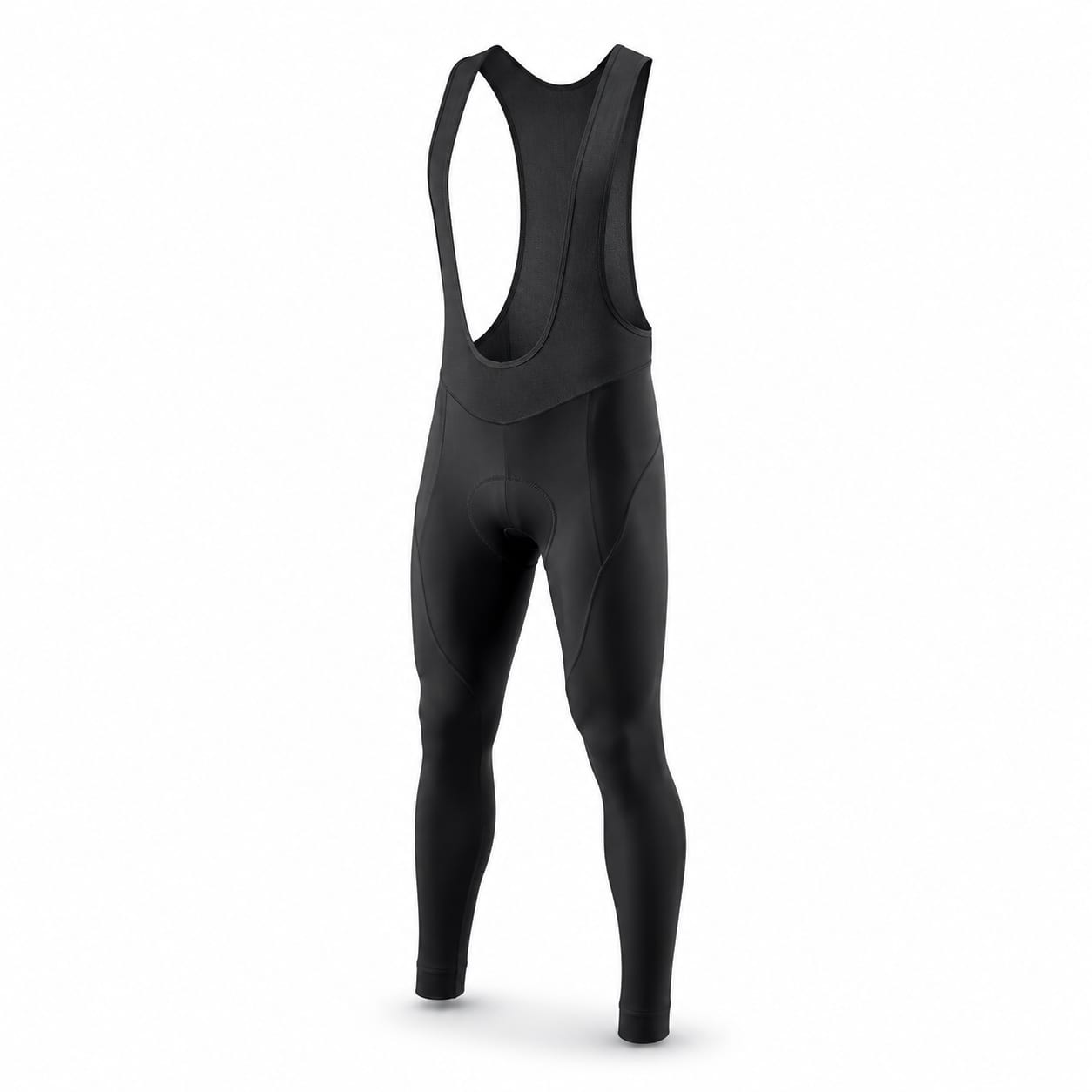
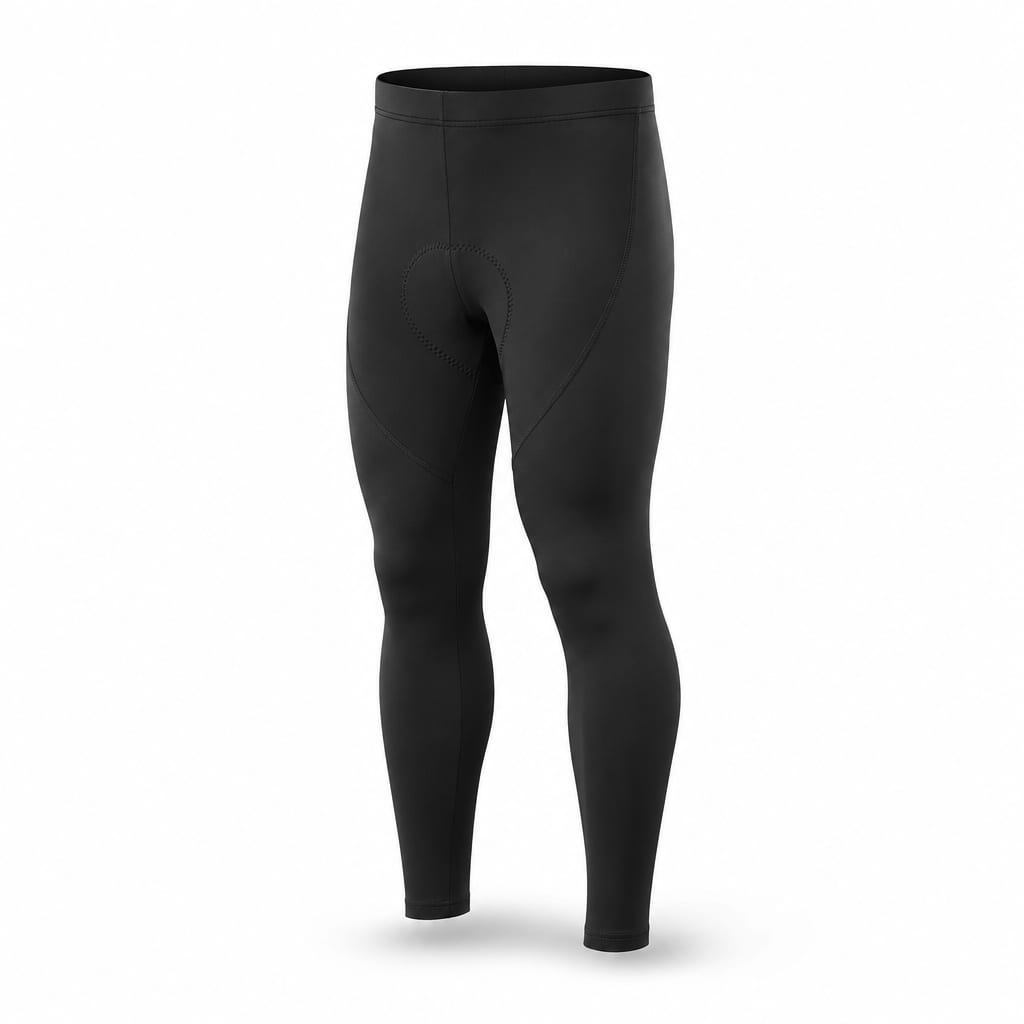
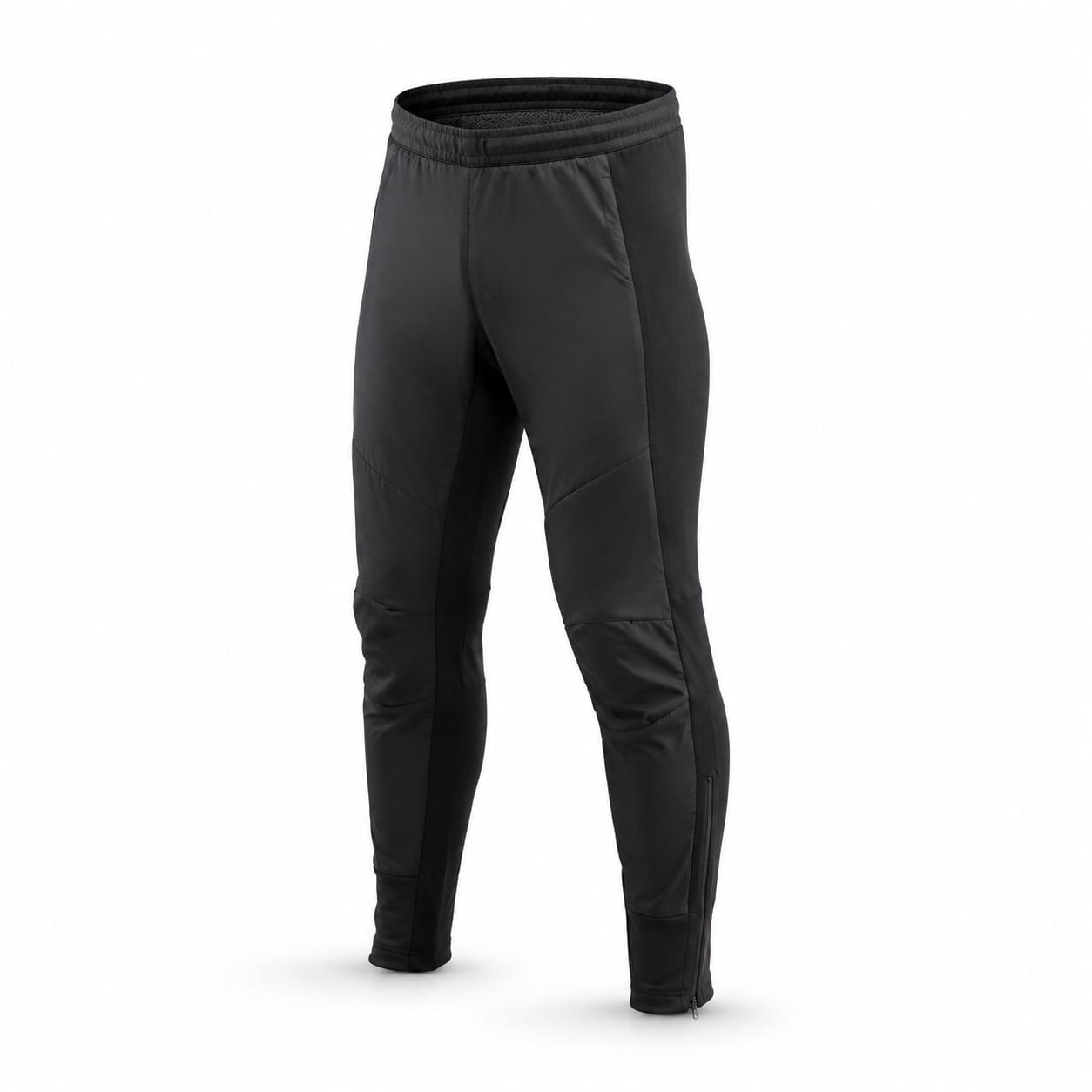
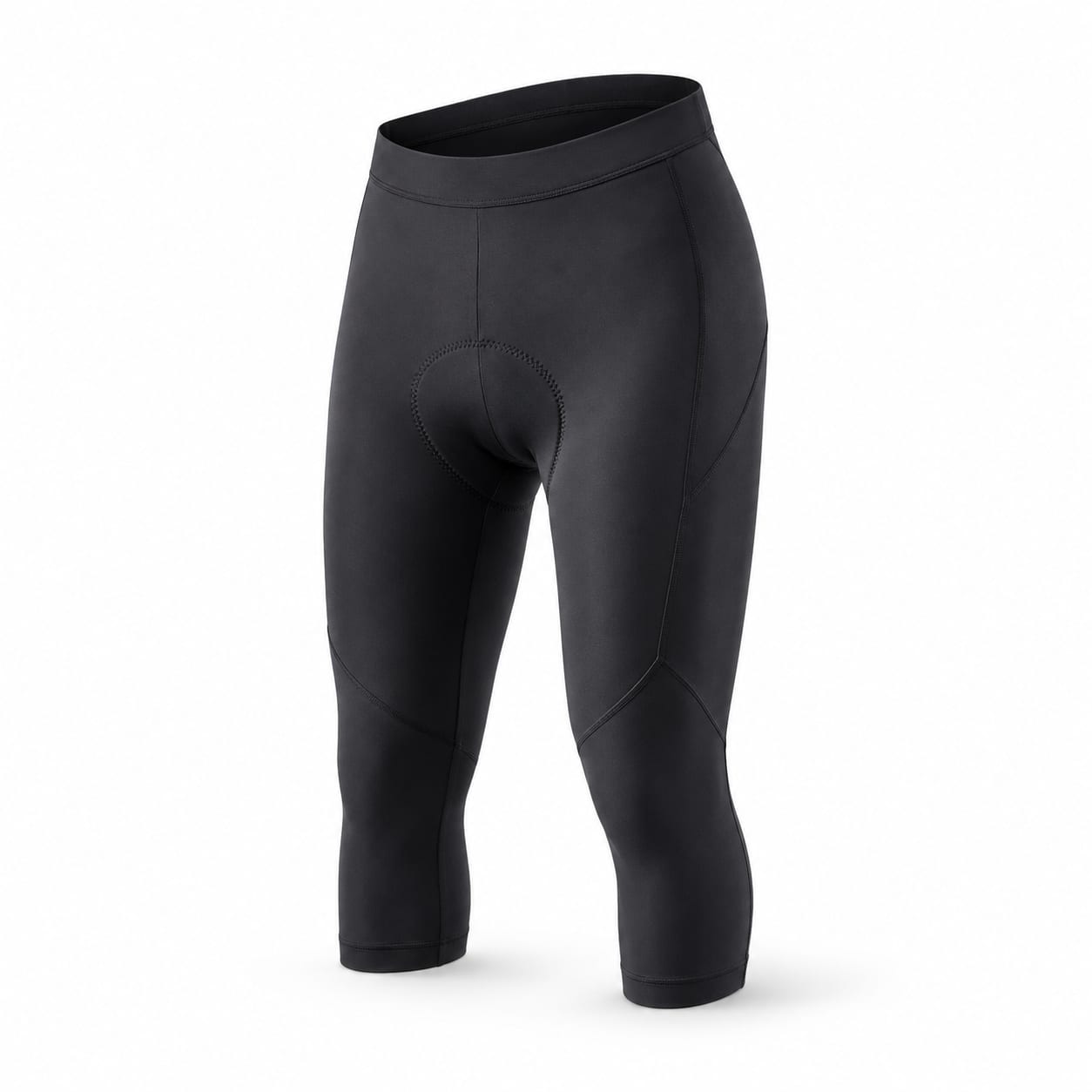
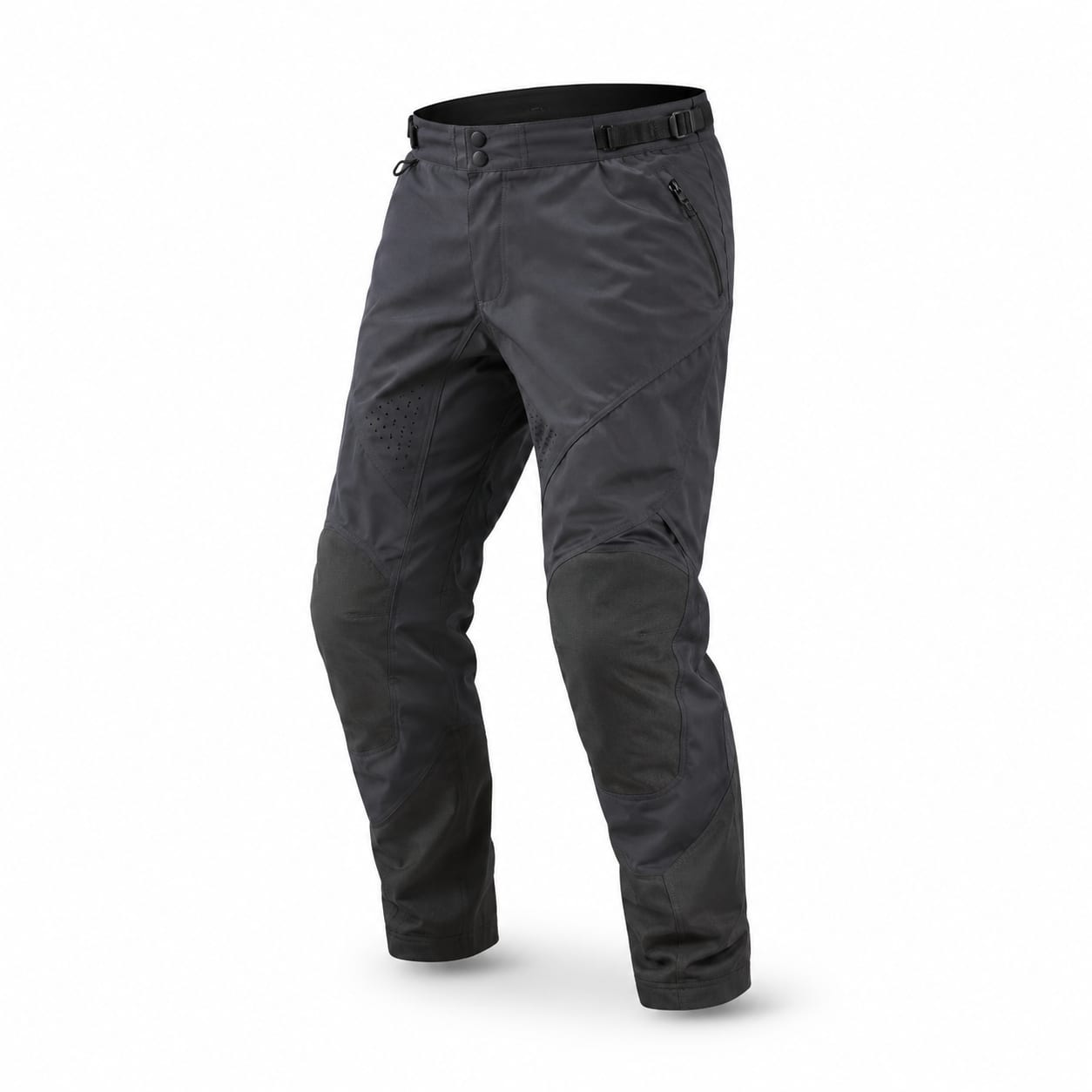
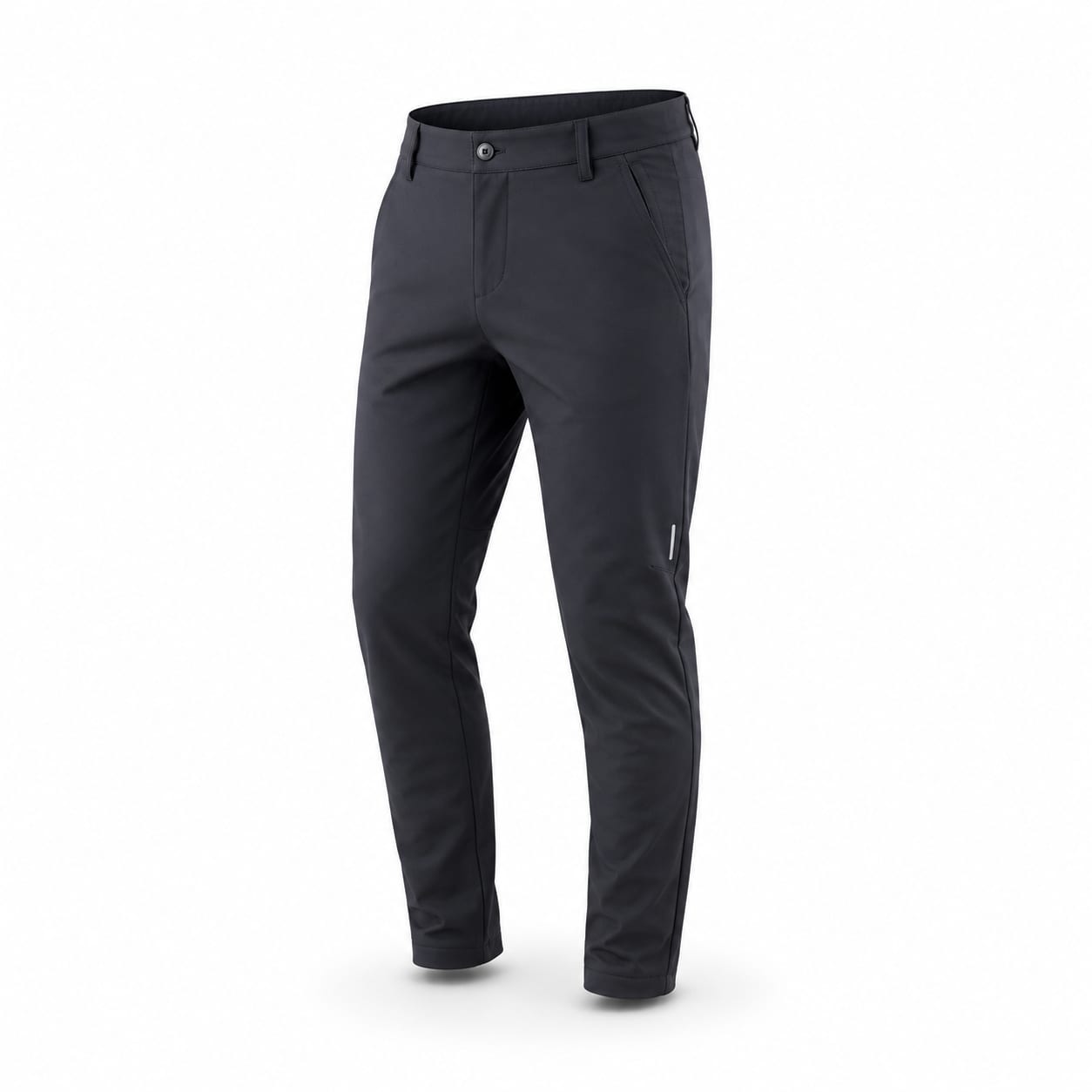
Waterproof cycling pants are purpose-built over-garments designed to shield your lower body from rain, road spray, and wet conditions while riding. Unlike standard cycling shorts or tights that incorporate modest water-resistant treatments, waterproof cycling pants feature a dedicated waterproof membrane—commonly Gore-Tex, eVent, or proprietary equivalents—laminated to a durable outer fabric. All seams are fully taped or sealed to prevent water from penetrating stitch holes, which is the critical difference between a truly waterproof pant and one that merely sheds light showers. Because waterproof membranes inherently reduce breathability, these pants are designed to be worn as an outer shell over your regular padded cycling shorts or tights, allowing you to maintain saddle comfort from your primary shorts while adding rain protection only when needed. This layering approach also means waterproof cycling pants do not include a chamois, keeping them lighter and more packable for storage when the rain stops.
Waterproof cycling pants fill a specific and vital role in a cyclist's wardrobe: keeping your legs dry when the weather turns wet. For commuters who ride regardless of conditions, tourers crossing through variable climates, and bikepackers who cannot afford to wait out storms, these pants are not a luxury—they are essential equipment. The best waterproof cycling pants balance three competing demands: waterproofness, breathability, and packability. No garment perfectly maximizes all three, so understanding the trade-offs helps you choose the right pair for your needs.
The waterproof membrane is the heart of any rain pant. Gore-Tex remains the gold standard, offering reliable waterproofing with the best breathability in the category, but proprietary membranes from brands like Showers Pass, Craft, and others have closed the performance gap significantly. What matters more than the membrane brand is the construction quality: fully taped seams, waterproof zippers at the ankles, and a DWR-treated outer face fabric that causes water to bead rather than soak into the surface. Without a DWR coating, the outer fabric can 'wet out,' allowing a film of water to cover the surface and block moisture vapor from escaping, making even the best membrane feel clammy.
Fit and articulation are where cycling-specific rain pants diverge from generic hiking or walking rain pants. Cycling rain pants are cut with a forward-leaning riding position in mind, with a higher back waist to prevent gap exposure, articulated knees that bend without pulling the pant down, and tapered lower legs that avoid catching on chainrings or cranks. Ankle zippers are essential for getting the pants on and off over shoes without removing your footwear, and some designs include side zips that run nearly the full leg length for easy on-off while wearing cycling shoes. Reflective elements are particularly important on rain pants because wet conditions often mean low light and reduced driver visibility.
Breathability remains the Achilles' heel of waterproof cycling pants. Even the most breathable membranes cannot match the airflow of non-waterproof fabrics, and during hard efforts, you will accumulate moisture from sweat faster than it can escape. This is why many experienced riders use waterproof pants strategically—putting them on for steady rain and removing them during hard climbs or when the rain eases. Pit vents or thigh vents, found on some models, help manage this by allowing you to dump heat without fully removing the pants. For commuters riding at moderate intensity, breathability is less of an issue than for road cyclists doing threshold efforts in the rain.
Storage and packability matter because waterproof pants are often carried 'just in case' rather than worn for entire rides. The best packable rain pants compress into a bundle roughly the size of a grapefruit or smaller, fitting into a jersey pocket, frame bag, or pannier. Heavier-duty models with more features pack larger but offer better durability and weather protection for all-day rain riding. Consider how you will carry the pants when not wearing them—a pair that packs into its own pocket or stuff sack is far more likely to be brought along than one that requires a separate bag.