
Start with the cleat positioned so the ball of your foot (first metatarsal head) is directly over or slightly behind the pedal axle. This is the standard starting point. From there, small adjustments based on comfort: move the cleat forward if you experience calf cramps, or back if you want more stability and less calf engagement on long climbs. Angle the cleat so your heel doesn't hit the chainstay or crank arm. Most riders find their ideal position within 2-3mm of the starting point. If you have knee pain, consult a bike fitter—cleat angle and fore/aft position significantly affect knee tracking.
Cycling Shoes · Mountain Bike Clipless Shoes
What's the best cleat position for mountain biking?
Related gear types
If this answer nudged you toward a different style, these guides compare specs and trade-offs.
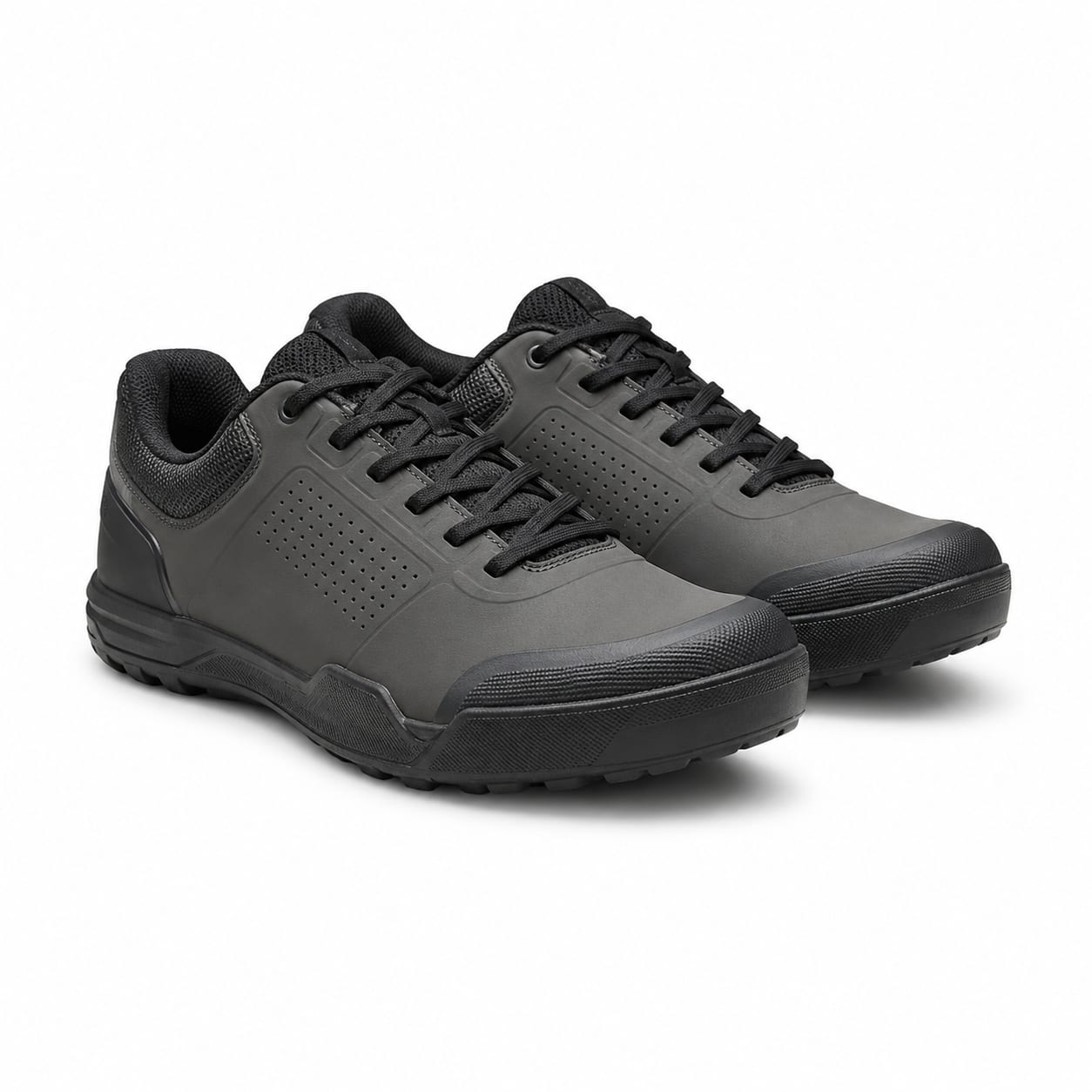
Flat Pedal Mountain Bike Shoes
$60 – $200
Grippy, clipless-free shoes with sticky rubber soles for platform pedal riding.
sticky rubber outsoleno cleat compatibilityflat pedal pin engagement
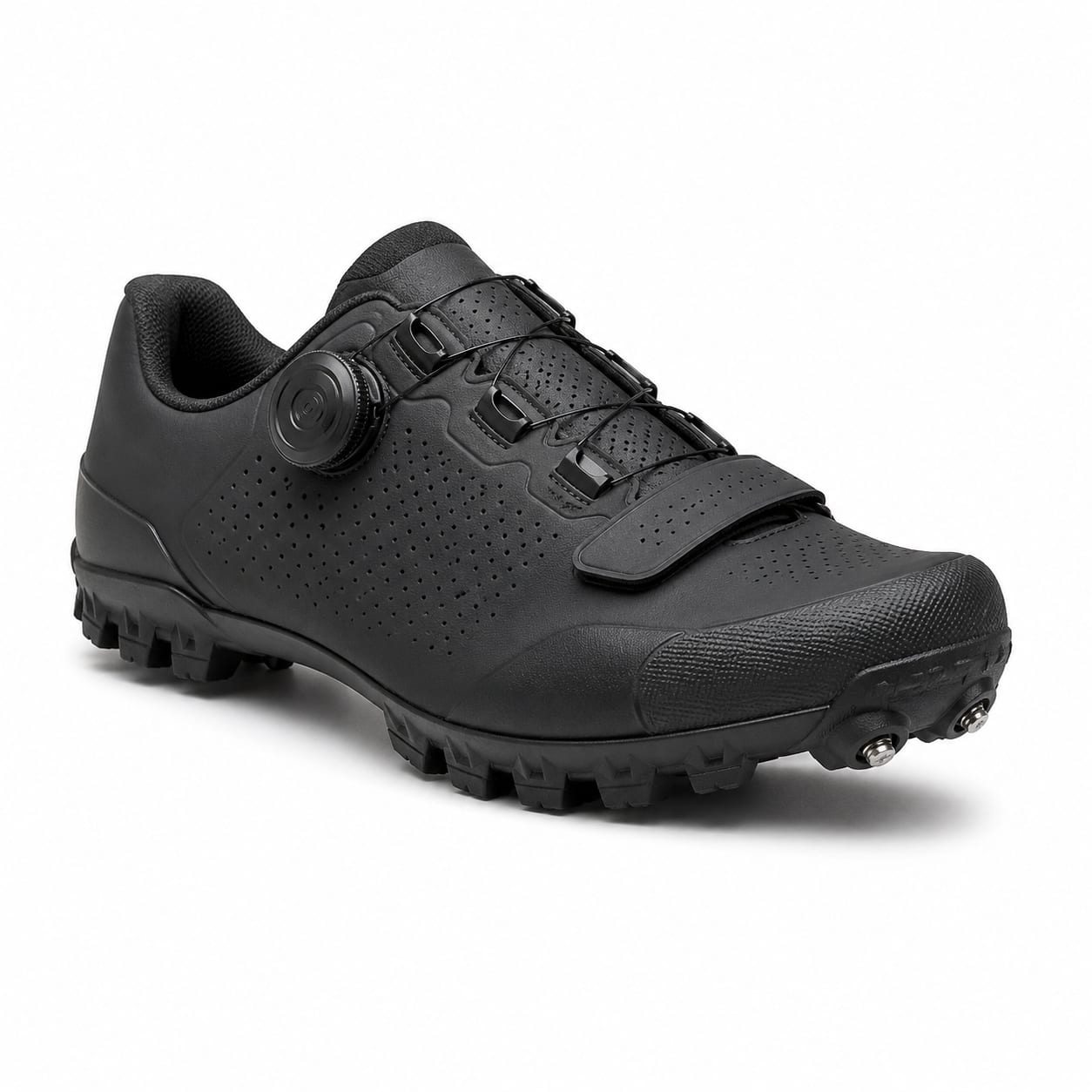
Gravel / Cyclocross Shoes
$100 – $350
Versatile off-road shoes blending road efficiency with trail walkability for mixed-terrain riding.
2-bolt cleat compatibilitymoderate sole stiffnessaggressive tread for mud
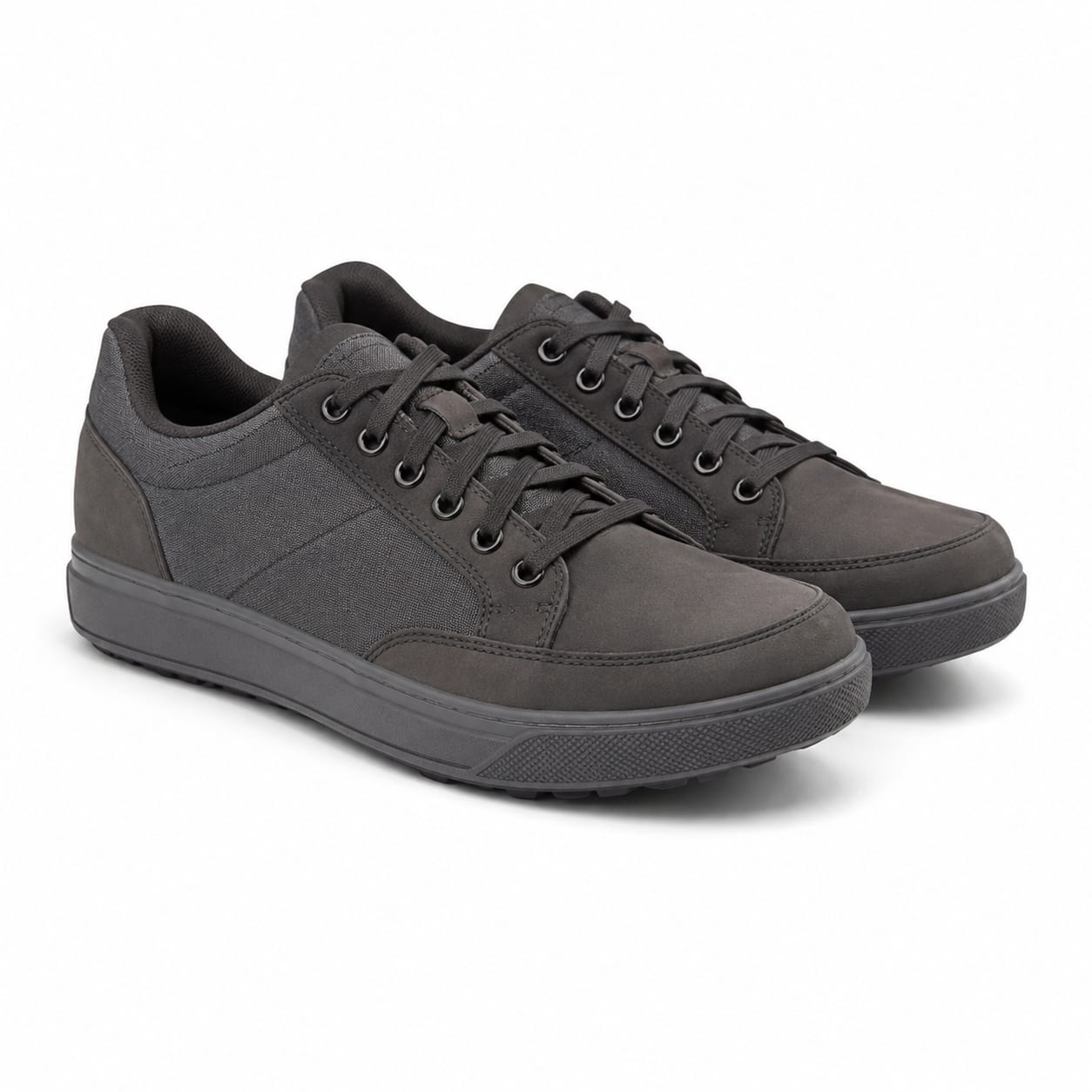
Commuter / Urban Cycling Shoes
$60 – $200
Walkable, casual-looking cycling shoes designed for daily commuting and city riding.
recessed 2-bolt cleatflexible sole for walkingcasual styling
More questions
- What's the difference between SPD and SPD-SL?
- Should beginners start with clipless or flat pedals?
- How tight should MTB clipless shoes fit?
- Can I use mountain bike clipless shoes on a road bike?