Kitvore.com

Kitvore.com

Specs that matter. Gear that fits.

Cycling Shoes · Subcategory

Gravel / Cyclocross Shoes

Versatile cycling shoes that bridge road efficiency and off-bike capability for mixed-terrain riding, racing, and bikepacking.

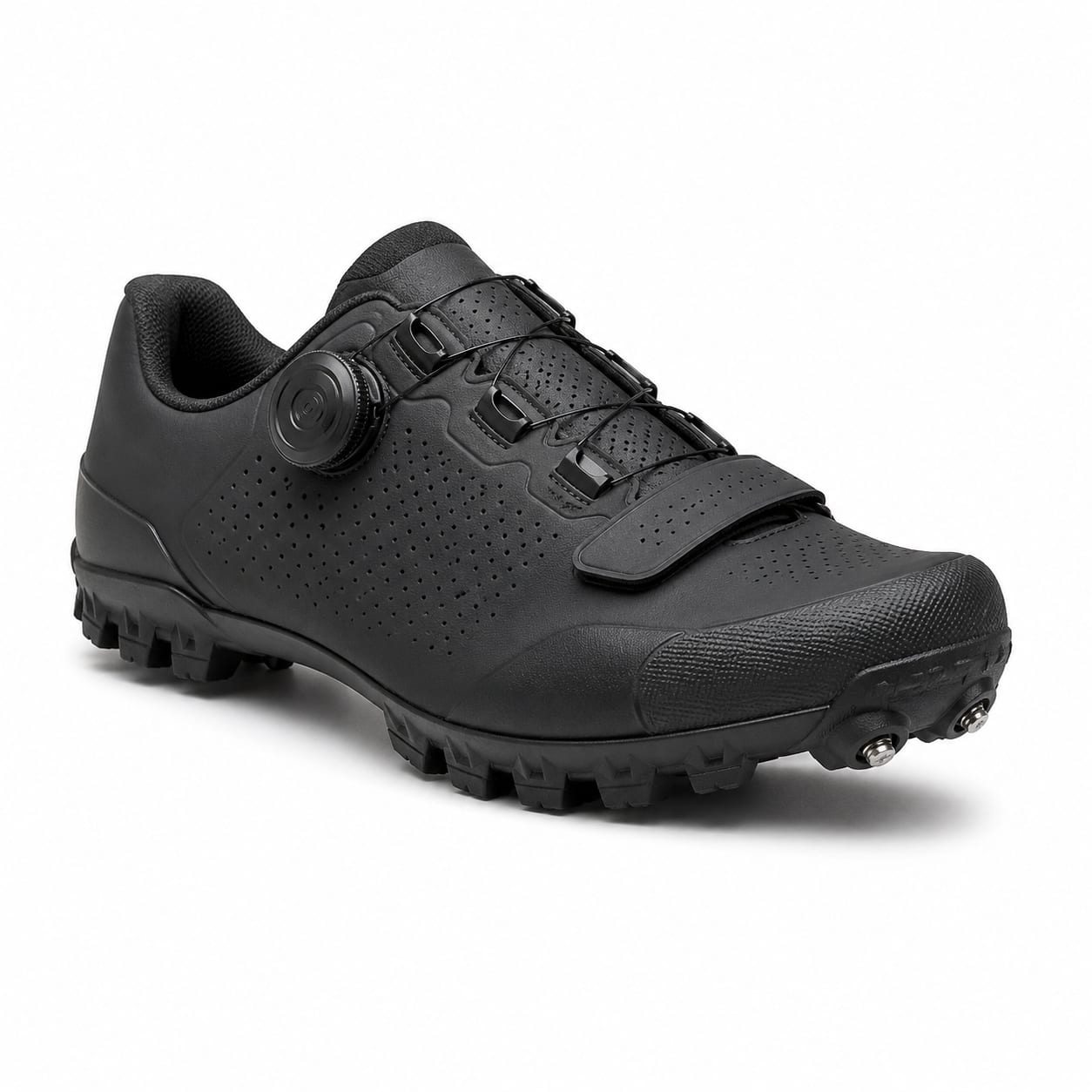
Gravel and cyclocross shoes are the Swiss Army knives of cycling footwear, combining a stiffer sole than mountain bike shoes with the walkability and 2-bolt cleat compatibility that road shoes lack. Designed for riders who split time between pavement, dirt, mud, and hike-a-bike sections, these shoes feature moderate tread, recessed cleats, and durable uppers that handle abuse from dismounts, portages, and rough conditions.

$100 – $350mid tierintermediateadvancedexpert

Best known for

Balanced power transfer and off-bike walkability2-bolt SPD cleat compatibility with recessed mountingModerate tread for mud, gravel, and hike-a-bike sectionsDurability for abrasive surfaces and frequent dismountsVersatility across gravel racing, cyclocross, and bikepacking
Gravel / Cyclocross Shoes

Guide

Detailed overview

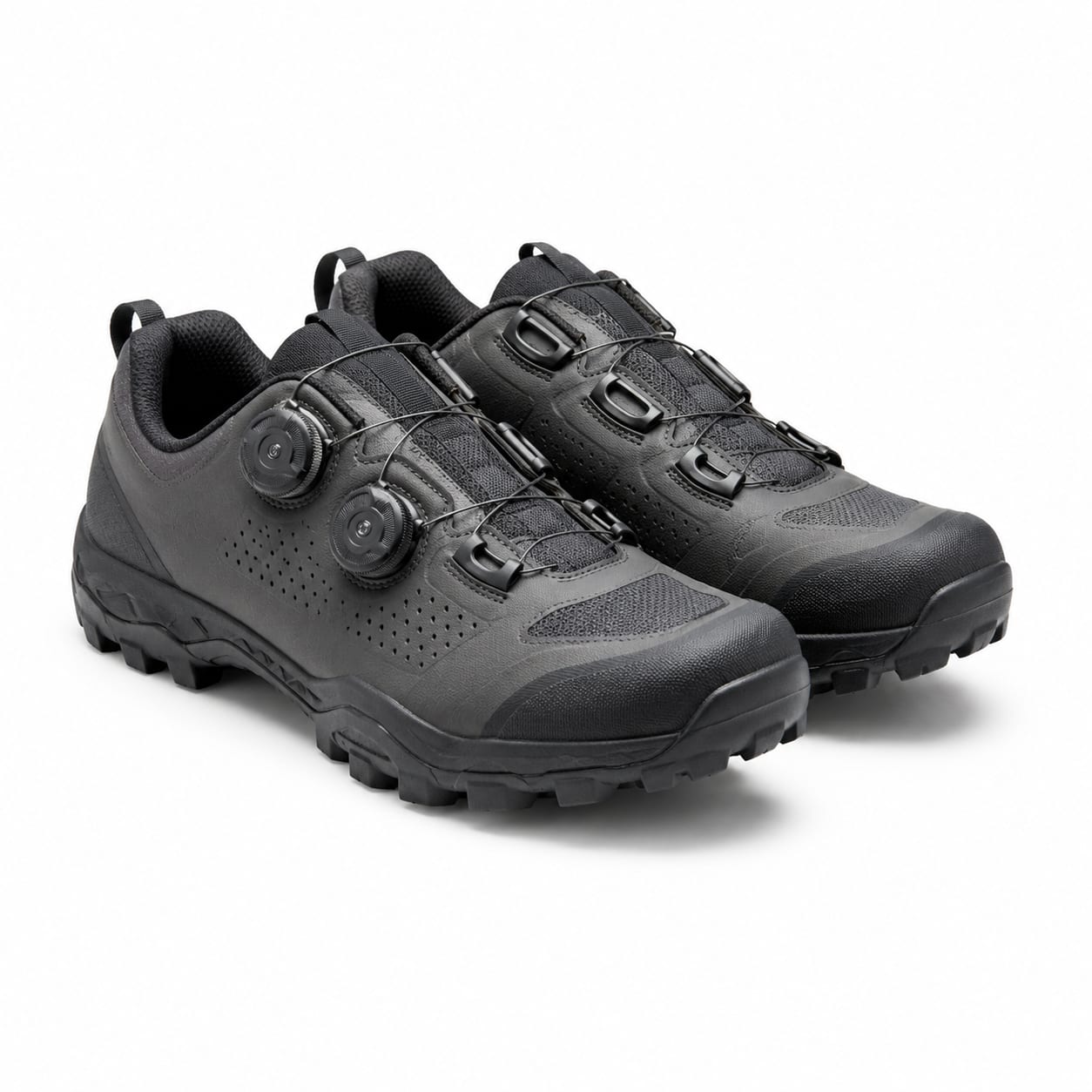
Gravel and cyclocross shoes occupy the middle ground between road and mountain bike footwear, designed specifically for riders who demand both pedaling efficiency and the ability to run, hike, and walk off the bike. Unlike road shoes with their smooth, exposed cleats, gravel/CX shoes use a 2-bolt cleat system recessed into the sole, surrounded by tread lugs that provide traction on mud, rocks, and loose surfaces. The sole stiffness typically falls between road and MTB shoes, using carbon-reinforced composites or nylon to deliver solid power transfer without sacrificing the flexibility needed for comfortable walking. Cyclocross racing demands rapid dismounts and remounts, shoulder carries through mud pits, and running up steep banks, so these shoes prioritize secure closure, debris-shedding uppers, and grippy tread. Gravel riders value many of the same traits for extended bikepacking adventures where hike-a-bike sections are common, but often prefer slightly more comfort and ventilation for long days in the saddle.

Gravel and cyclocross shoes have evolved significantly as both disciplines have exploded in popularity. Early gravel riders often made do with mountain bike shoes or compromised with road shoes and cleat covers, but modern gravel-specific designs address the unique demands of mixed-terrain riding with purpose-built features. The sole is the defining element: stiffer than a trail MTB shoe for efficient power transfer over long gravel grinds, yet more compliant than a road race shoe so you can actually walk comfortably at a cafe stop or scramble up a rocky hike-a-bike section. Carbon-reinforced nylon composites are the sweet spot for most riders, offering a stiffness index in the 6–8 range that balances performance and practicality.

Cyclocross racing places extreme demands on footwear. Riders must execute running dismounts at speed, carry bikes up steep, muddy run-ups, and remount cleanly—all while their shoes are caked in mud and water. CX shoes typically feature aggressive tread patterns with widely spaced lugs that shed mud, reinforced toe boxes for protection during remounts, and closure systems that resist fouling from debris. Single BOA dial designs are popular in cyclocross because they can be quickly adjusted with one hand and have fewer crevices to trap mud compared to laces or ratchet buckles.

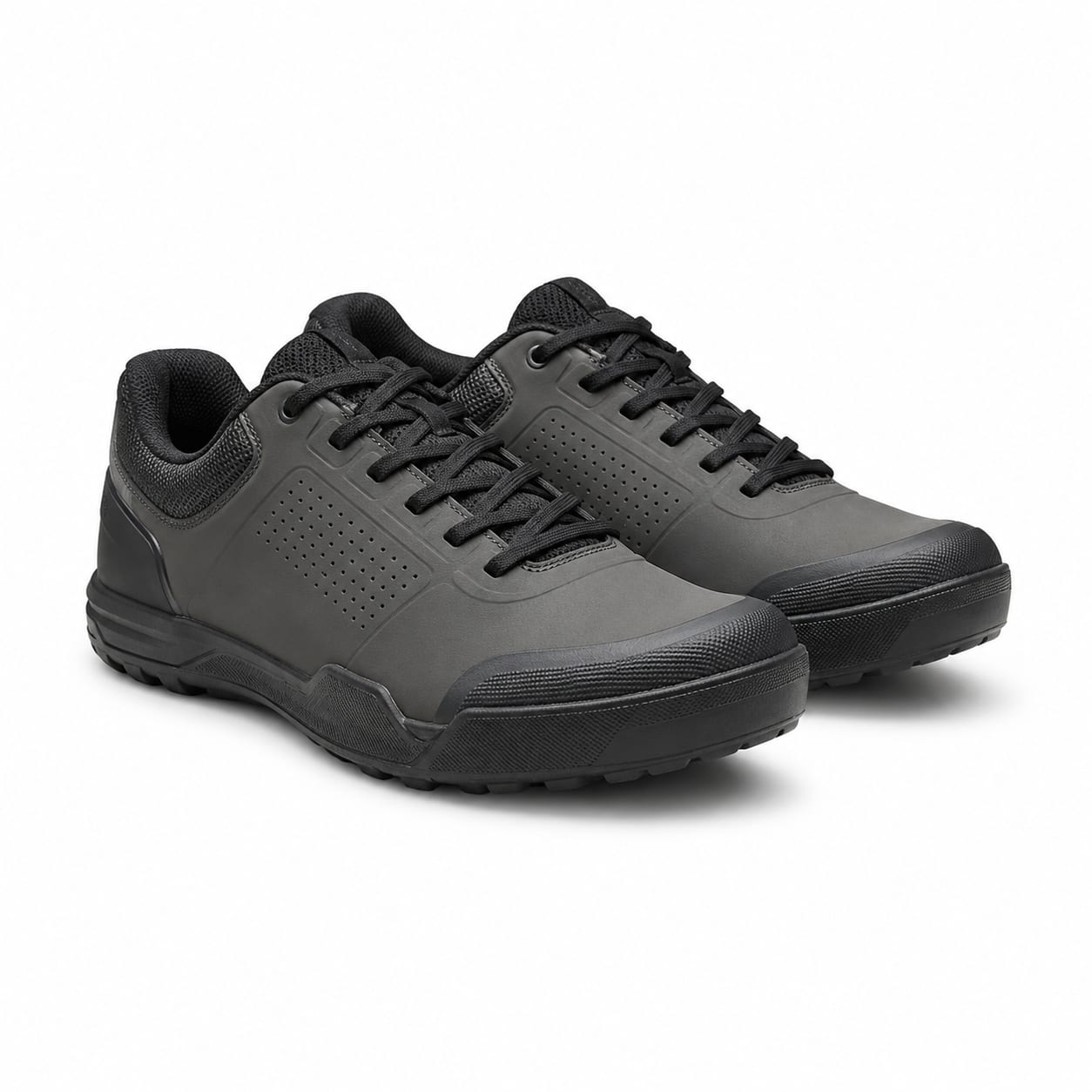
Gravel riding tends to prioritize comfort over the raw urgency of cyclocross, so gravel-specific models often feature more padded uppers, slightly more generous toe boxes, and ventilation systems suited for all-day rides in varying conditions. Many gravel shoes incorporate lace closures, which offer unlimited adjustability across the forefoot and a clean aesthetic, though riders must ensure laces are tucked securely to avoid drivetrain entanglement. The rise of bikepacking has further pushed gravel shoe design toward versatility, with some models featuring removable toe spikes for steep hike-a-bike sections and compatibility with aftermarket studs for icy conditions.

The 2-bolt cleat standard shared with mountain bike pedals is non-negotiable for this category, as it allows the cleat to sit flush within the tread, enabling natural walking motion. This compatibility also means gravel and CX shoes work with the widest range of pedal systems, including Shimano SPD, crankbrothers, and Time ATAC—each offering different float, release angles, and mud-shedding characteristics that suit different riding styles and conditions.

Quick facts

Primary purpose
Balancing pedaling efficiency with run-and-walk capability for mixed-surface riding and racing
Popular brands
ShimanoFizikGiroBontragerSpecializedSidi
Typical terrain
gravel roadsdirt roadsmuddy cyclocross coursesmixed terrain

What makes it different

Stiffer than MTB shoes but more walkable than road shoes; cyclocross models have toe spikes and mud-shedding tread

Recommended ranges

How this type usually specs out

Each spec is explained in plain language, then we show what buyers usually look for on this type.

Discipline / Shoe Type

Shoe Type

What it means

The intended riding discipline and design philosophy of the shoe, which determines sole stiffness, tread, cleat mounting, and overall construction.

Typical for this type

Gravel

In practice

Gravel/cyclocross shoes are classified as the 'gravel' shoe type, blending road stiffness with MTB walkability and 2-bolt cleat mounting with moderate tread.

Compared to other types

Stiffer than MTB shoes with more tread than road shoes; more performance-oriented than commuter shoes; lacks the quick-transition features of triathlon shoes.

Why it matters: This classification determines the fundamental design philosophy—balancing on-bike efficiency with off-bike capability—which is the core purpose of this subcategory.

Cleat Compatibility

Cleat Compatibility

What it means

The bolt pattern on the shoe sole that determines which cleat and pedal systems can be mounted. This is the most fundamental compatibility requirement.

Typical for this type

2_bolt

In practice

Gravel and cyclocross shoes exclusively use the 2-bolt cleat standard (SPD, crankbrothers, Time ATAC), which allows the cleat to be recessed into the sole tread for walkability.

Compared to other types

Same as MTB and commuter shoes; different from road and triathlon shoes which use 3-bolt systems. The recessed cleat is the key enabler of walkability.

Why it matters: The 2-bolt system is essential for off-bike movement and mud shedding. 3-bolt road cleats would protrude and make walking impossible, defeating the purpose of this shoe type.

Sole Material

Sole Material

What it means

The primary material of the shoe sole, which determines stiffness, weight, durability, and price. Stiffer soles transfer more power but reduce walkability and comfort.

Typical for this type

Carbon Reinforced Or Nylon

In practice

Most gravel/CX shoes use carbon-reinforced nylon soles, which insert a carbon fiber plate into a nylon matrix for enhanced stiffness in the pedaling zone while maintaining some compliance for walking. Entry-level models use full nylon; race-oriented models may use full carbon.

Compared to other types

Less stiff than full carbon road shoes but stiffer than rubber MTB shoes. The carbon-reinforced composite is the ideal middle ground that defines this category.

Why it matters: Sole material directly determines the balance between power transfer and walkability. Full carbon is overkill for most gravel riding and makes walking uncomfortable, while pure nylon sacrifices too much efficiency for competitive riders.

Sole Stiffness Index

Stiffness Index

What it means

A manufacturer-assigned or comparative rating of how resistant the sole is to flex under pedaling load. Higher numbers indicate stiffer soles that transfer more power.

Typical for this type

5–9

Most common pick: 6–8

In practice

Gravel/CX shoes typically fall in the 6–8 stiffness range on manufacturer scales, providing solid power transfer without the harshness of full race stiffness. Cyclocross race models may reach 8–9, while bikepacking-oriented models may be 5–6.

Compared to other types

Lower than road race shoes (9–12) but higher than trail MTB shoes (4–6) and commuter shoes (2–4). This mid-range stiffness is the defining performance compromise.

Why it matters: Too stiff and walking becomes painful, especially on rocky hike-a-bike sections; too flexible and you lose noticeable power on long gravel climbs and sprints.

Closure System

Closure System

What it means

The mechanism used to secure the shoe to the foot, affecting fit precision, adjustability, speed of entry/exit, and reliability.

Typical for this type

Boa Dial Or Laces

In practice

BOA dials (single or dual) are the most common closure for performance gravel/CX shoes, offering quick on-the-fly adjustment and easy mud clearance. Laces are popular for gravel-specific and bikepacking models due to unlimited adjustability and clean aesthetics. Many shoes combine a BOA dial with a mid-foot strap.

Compared to other types

More likely to use laces than road shoes (which favor dual BOA); less likely to use velcro than triathlon shoes. The BOA + strap combo is more common here than in pure MTB shoes.

Why it matters: In cyclocross, closures must resist mud fouling and allow quick adjustment between running and pedaling segments. For gravel, adjustability during long rides prevents numbness and hot spots.

Weight per Pair

Weight (Pair)

What it means

The total weight of both shoes, typically measured in grams. Lighter shoes reduce rotational mass and can improve acceleration and climbing.

Typical for this type

550–750g

Most common pick: 580–720g

In practice

Gravel/CX shoes typically weigh 580–720g per pair, with carbon-soled race models at the lighter end and reinforced bikepacking models at the heavier end. The tread and 2-bolt hardware add weight compared to road shoes.

Compared to other types

Lighter than trail/enduro MTB shoes (750–1000g) and commuter shoes (700–1200g), but heavier than road race shoes (400–550g) due to tread and reinforced construction.

Why it matters: Weight matters for racing and long climbs, but the tread and protection features that add weight are essential for the mixed-terrain purpose. Ultralight road-style construction would sacrifice durability and walkability.

Upper Material

Upper Material

What it means

The primary material of the shoe upper, affecting breathability, durability, water resistance, stretch, and overall comfort.

Typical for this type

Synthetic Leather Or Microfiber

In practice

Synthetic leather is the most common upper material for gravel/CX shoes, offering durability against abrasion, decent breathability, and resistance to mud and water. Microfiber is used in higher-end models for a softer feel and better shape retention. Some models use mesh panels for ventilation in hot-weather gravel riding.

Compared to other types

More durable and protective than mesh/knit road shoes; less waterproof than GORE-TEX winter shoes; more performance-oriented than casual commuter shoe uppers.

Why it matters: The upper must withstand mud, gravel spray, brush, and repeated dismounts without tearing. It also needs to shed water and dry reasonably quickly, as wet feet are common in both disciplines.

Width / Fit Profile

Width / Fit Profile

What it means

The volume and width of the shoe last (foot mold), which determines how the shoe accommodates different foot shapes. Critical for comfort and preventing numbness.

Typical for this type

Standard Or Wide

In practice

Most gravel/CX shoes come in standard width, with an increasing number of brands offering wide options. The trend in gravel-specific shoes is toward slightly more generous forefoot volume than road shoes, accommodating foot swelling during long rides.

Compared to other types

Generally slightly wider in the forefoot than road shoes, reflecting the longer ride durations and walking demands. Not as wide as many commuter shoes, which prioritize comfort over performance.

Why it matters: Feet swell significantly during long gravel rides and cyclocross races. A shoe that fits perfectly in the shop may become painfully tight after 3 hours of riding, especially in warm conditions.

Ventilation Level

Ventilation

What it means

The degree of airflow through the shoe upper and sole, affecting temperature regulation, moisture management, and comfort in different weather conditions.

Typical for this type

Moderate

In practice

Most gravel/CX shoes feature moderate ventilation with strategic mesh panels or perforations that balance breathability with protection from mud, water, and debris. Cyclocross models may have less ventilation to keep mud and water out during races.

Compared to other types

Less ventilated than hot-weather road shoes with extensive mesh; more ventilated than winter/GORE-TEX shoes. The moderate approach suits the variable conditions inherent to gravel and CX.

Why it matters: Too much ventilation lets in mud and water during stream crossings and wet conditions; too little causes overheating during long gravel rides in summer. Moderate ventilation is the versatile default.

Heel Retention System

Heel Retention

What it means

Design features in the heel cup that prevent heel lift during the upstroke, ensuring efficient power transfer and stable foot positioning.

Typical for this type

Reinforced Heel Or Adjustable Heel

In practice

Gravel/CX shoes typically feature reinforced heel cups to prevent heel lift during hard pedaling efforts and running sections. Premium models may offer adjustable heel retention for riders with narrow heels.

Compared to other types

Similar to road performance shoes in heel retention quality; generally better than entry-level MTB and commuter shoes. Adjustable heel systems are more common here than in budget categories.

Why it matters: Heel lift is particularly problematic in cyclocross, where running dismounts and remounts can shift foot position. Secure heel retention ensures consistent power delivery and prevents blisters.

Sole Stack Height

Stack Height

What it means

The distance from the pedal axle to the bottom of the foot, determined by sole thickness and cleat design. Lower stack height improves pedaling efficiency and cornering clearance.

Typical for this type

10–15mm

Most common pick: 11–14mm

In practice

Gravel/CX shoes have a stack height of approximately 11–14mm, higher than road shoes due to the tread lugs and recessed cleat design, but lower than bulky trail MTB shoes.

Compared to other types

Higher than road shoes (7–11mm) due to tread and recessed cleat; lower than trail/enduro MTB shoes (13–18mm) which have more aggressive lugs and cushioning.

Why it matters: Lower stack height improves pedaling efficiency and stability, but the tread required for walkability inherently adds height. The balance here favors enough tread for traction while minimizing sole thickness.

Included Insole / Footbed

Insole Type

What it means

The type and quality of the footbed included with the shoe, which affects arch support, comfort, and the ability to customize fit.

Typical for this type

Contoured Ergonomic Or Interchangeable Arch

In practice

Most mid-range to high-end gravel/CX shoes include contoured ergonomic insoles with arch support. Premium models may include interchangeable arch inserts for customization, which is valuable for the long hours typical of gravel riding.

Compared to other types

Better insoles than entry-level road and commuter shoes (which often have basic flat insoles); similar to performance road and MTB shoes. Interchangeable arch systems are increasingly common at higher price points.

Why it matters: Arch support reduces fatigue on multi-hour gravel rides and helps maintain foot stability during running sections in cyclocross. Poor insole support leads to hot spots and plantar discomfort.

Toe Box Shape

Toe Box Shape

What it means

The shape and volume of the front of the shoe where the toes sit, affecting comfort, toe splay, and prevention of numbness or bunions.

Typical for this type

Rounded Standard Or Wide Anatomical

In practice

Gravel/CX shoes typically feature a rounded standard toe box, with some models offering wide anatomical shapes for long-distance comfort. The toe box is generally more generous than road race shoes to accommodate foot swelling and toe splay during walking.

Compared to other types

Wider and more accommodating than pointed/tapered road race shoes; similar to or slightly narrower than MTB trail shoes; not as wide as dedicated comfort/touring shoes.

Why it matters: A cramped toe box causes numbness on long gravel rides and discomfort during running sections in cyclocross. The trend toward wider anatomical toe boxes reflects the demands of all-day mixed-terrain riding.

Ankle Coverage

Ankle Coverage

What it means

How high the shoe extends above the ankle bone, affecting protection, support, weather resistance, and range of motion.

Typical for this type

Low Cut

In practice

Gravel/CX shoes are overwhelmingly low-cut, ending below the ankle bone for maximum ankle mobility during running, hiking, and pedaling. Some bikepacking-oriented models offer mid-ankle coverage for additional protection.

Compared to other types

Same as road and XC MTB shoes; lower than trail/enduro MTB shoes which may have mid-ankle coverage for pedal strike protection. High-ankle designs are rare in this category.

Why it matters: Ankle mobility is critical for cyclocross running dismounts and hike-a-bike sections on steep, technical terrain. Low-cut design also reduces weight and improves ventilation for long rides.

Walkability Rating

Walkability

What it means

How easily and comfortably you can walk in the shoes off the bike, determined by sole flexibility, tread pattern, and cleat recess.

Typical for this type

Limited Or Moderate

Most common pick: Limited to Moderate

In practice

Gravel/CX shoes offer limited to moderate walkability—better than road shoes due to the recessed cleat and tread, but not as comfortable as dedicated trail or commuter shoes due to the stiffer sole. Short to moderate walks, cafe stops, and hike-a-bike sections are manageable; extended hiking is not ideal.

Compared to other types

Significantly more walkable than road shoes (which are essentially unwalkable); less walkable than commuter or trail MTB shoes with flexible soles and aggressive tread. This middle ground is intentional.

Why it matters: Walkability is a core requirement for this category. Gravel routes often include hike-a-bike sections, and cyclocross requires running with the bike. The shoe must allow confident, reasonably comfortable off-bike movement.

Heat Moldable Upper/Sole

Heat Moldable

What it means

Whether the shoe upper, sole, or both can be heat-molded to customize the fit to the rider's foot shape.

Typical for this type

False (True For Select Models)

In practice

Most gravel/CX shoes are not heat moldable, though some premium models from brands like Bont and Lake offer this feature. The majority of riders achieve adequate fit through available width options and aftermarket insoles.

Compared to other types

Similar to road and MTB shoes in this regard—heat moldability is a premium feature, not a category standard. More common in high-end road race shoes than in gravel/CX models.

Why it matters: Heat moldability can benefit riders with unique foot shapes who struggle with standard lasts, but it's not a necessity for most. The feature adds cost and complexity that many gravel riders don't need.

Gender-Specific Design

Gender Design

What it means

Whether the shoe is built on a gender-specific last, which accounts for typical differences in foot shape, volume, and proportions.

Typical for this type

Womens (For Female Riders) Or Mens/Unisex

In practice

Many gravel/CX shoe models are offered in unisex sizing, though an increasing number of brands provide women-specific designs with narrower heels and lower overall volume. Women's-specific models are less common in this category than in road shoes.

Compared to other types

Similar to road and MTB categories in gender availability. Women's-specific gravel shoes are growing but still less common than women's road shoes. Some popular gravel models are only available in unisex/men's sizing.

Why it matters: Proper fit is essential for both performance and comfort. Women who experience heel slip or excessive volume in unisex shoes should seek women-specific models, which are becoming more available in the gravel segment.

Evaluation

Strengths and trade-offs

Pros

What this type does best

Versatile on- and off-bike performance

Critical

The defining strength of gravel/CX shoes is their ability to deliver solid power transfer on the bike while remaining walkable off it. You can ride hard, then confidently walk into a cafe or scramble up a rocky hike-a-bike section without changing shoes.

Recessed cleat for safe walking

Critical

The 2-bolt cleat sits flush within the sole tread, protecting it from wear and providing natural walking motion. No more awkward cleat-clicking across parking lots or damaging expensive road cleats on concrete.

Mud and debris shedding

High

Designed for cyclocross conditions, these shoes feature tread patterns and upper constructions that shed mud, drain water, and resist debris accumulation better than road shoes or smooth-soled alternatives.

Durability for rough conditions

High

Reinforced toe boxes, abrasion-resistant uppers, and robust sole construction withstand the abuse of gravel roads, cyclocross dismounts, and rocky terrain that would destroy lightweight road shoes.

Wide pedal system compatibility

High

The 2-bolt cleat standard works with Shimano SPD, crankbrothers, and Time ATAC pedals, giving riders flexibility to choose the pedal system that best suits their conditions and preferences.

Toe spike mounting points

Medium

Many gravel/CX shoes include threaded inserts for removable toe spikes, providing extra traction on steep, muddy run-ups and technical hike-a-bike sections—a feature absent from road shoes.

All-day comfort for long gravel rides

Medium

Slightly more generous fits, better ventilation balance, and more compliant soles than road race shoes make these comfortable for 6+ hour gravel adventures and multi-day bikepacking.

Cons

Trade-offs to be aware of

Less power transfer than road shoes

Moderate

The more compliant sole and 2-bolt cleat system with smaller contact area result in measurable power loss compared to full carbon road shoes with 3-bolt cleats. Competitive road riders will notice the difference in sprints and hard efforts.

Heavier than road equivalents

Minor

Tread lugs, reinforced construction, and 2-bolt hardware add 100–200g per pair compared to road shoes at the same price point. This rotational weight is noticeable during accelerations and climbs.

Higher stack height reduces cornering clearance

Minor

The tread and recessed cleat design increase stack height by 2–5mm compared to road shoes, slightly reducing pedal cornering clearance and pedaling efficiency. This matters most for competitive road-style riding.

Limited women's-specific options

Moderate

The gravel/CX segment has fewer women-specific models compared to road shoes, forcing many female riders into unisex shoes that may not provide optimal heel retention or volume distribution.

Tread wear on pavement

Minor

Extensive road riding wears down the rubber tread lugs, reducing off-bike traction over time. Riders who spend most of their time on pavement will wear out the tread before the shoe's useful life is over.

Not ideal for extended hiking

Moderate

While walkable for short distances, the stiff sole makes extended hiking uncomfortable. Bikepackers planning significant hike-a-bike sections may prefer more flexible trail shoes despite the power transfer penalty.

Best for

Surfaces & terrain

Gravel roadsFire roadsDirt tracksMixed pavement and off-roadMuddy cyclocross coursesLight singletrack

Riding conditions

Variable terrainWet and muddy conditionsStream crossingsAll-day rides in mixed weatherCourses with hike-a-bike sections

Skill level

IntermediateAdvancedExpert

Riding discipline

Gravel racingCyclocross racingBikepackingAdventure ridingMixed-terrain cyclingGrinduro-style events

Rider profile

Gravel racers seeking efficiency with walkabilityCyclocross racers who need running capabilityBikepackers covering mixed surfaces over multiple daysRoad riders who frequently venture onto dirt and gravelCommuters with long, mixed-surface routes who want performance

Not ideal for

Reasons

Road racers sacrifice too much power transfer and weight for walkability they don't needDownhill riders need more ankle protection, tread, and sole flexibility than gravel shoes provideCasual commuters pay a premium for performance features they won't utilize and may find the stiff sole uncomfortable for all-day walkingIndoor riders don't benefit from tread or weather resistance and may prefer simpler, cheaper options

Surfaces & terrain

Pure road ridingAggressive downhill mountain bikingDeep mud requiring full MTB tread

Skill level

Complete beginners who may find clipless pedals challenging

Riding discipline

Road racingTime trialingDownhill mountain bikingIndoor spin classesCasual commuting with extensive walking

Compare

How it stacks up

This page

Gravel / Cyclocross Shoes

Walkability with recessed cleat, tread for off-bike traction, durability for rough conditions, mud shedding, and toe spike compatibility. You can actually walk, run, and hike in these shoes.

Alternative

Road Shoes

Superior power transfer from stiffer soles and larger 3-bolt cleat platform, lower weight, lower stack height, and better aerodynamics. Pure road performance is unmatched.

Bottom line

Choose gravel/CX shoes if you ride any dirt, gravel, or need to walk off the bike. Choose road shoes only if you ride exclusively on pavement and never unclip for extended periods.

This page

Gravel / Cyclocross Shoes

Typically stiffer soles for better power transfer on long gravel rides, lighter weight, and more streamlined construction. Gravel-specific models often have more refined uppers and better ventilation for sustained efforts.

Alternative

Mountain Bike (XC) Shoes

More aggressive tread for technical terrain, better protection from rock strikes, and more flexibility for extended hiking. Trail/enduro MTB shoes offer ankle coverage options.

Bottom line

Choose gravel/CX shoes for gravel racing and mixed-terrain riding where efficiency matters. Choose XC MTB shoes if you regularly ride technical singletrack or need maximum off-bike traction.

This page

Gravel / Cyclocross Shoes

Significantly better power transfer and pedaling efficiency, lighter weight, more secure closure systems, and superior fit for performance riding. Built for hours in the saddle, not just minutes.

Alternative

Commuter / Urban Shoes

Much better walkability with flexible soles, casual styling that looks normal off the bike, and lower prices. Commuter shoes are more comfortable for walking and don't look like cycling gear.

Bottom line

Choose gravel/CX shoes for performance-oriented mixed-terrain riding and racing. Choose commuter shoes for short urban rides where walking comfort and casual appearance matter more than efficiency.

This page

Gravel / Cyclocross Shoes

Better power transfer for long days and racing, lighter weight, and more precise fit. Gravel race shoes are optimized for speed and efficiency over multi-hour efforts.

Alternative

Touring / Bikepacking Shoes

Touring shoes prioritize comfort with more flexible soles, often feature waterproof options, and have more casual styling for off-bike social situations during tours.

Bottom line

Choose gravel/CX shoes for competitive gravel events and fast bikepacking. Choose touring shoes for leisurely paced tours where comfort and off-bike versatility matter more than speed.

Shopping

Buying tips

  • 1

    Prioritize sole material based on your riding: carbon-reinforced for racing, nylon for bikepacking and comfort-focused riding. Full carbon is overkill for most gravel use and makes walking painful.

  • 2

    Consider your pedal system before buying. Shimano SPD is the most common and reliable for gravel/CX, but crankbrothers offers better mud shedding and Time ATAC provides more float for knee comfort.

  • 3

    If you race cyclocross, choose shoes with minimal closure crevices (single BOA is ideal) to reduce mud trapping, and ensure they have toe spike mounts for muddy run-ups.

  • 4

    Size up slightly or choose a wider fit if you plan long gravel rides—feet swell significantly after 3+ hours, and a shoe that feels snug in the shop will feel crushing on the road.

  • 5

    For bikepacking, consider shoes with lace closures for unlimited adjustability and easy field repair, but always tuck laces securely or use lace covers to prevent drivetrain entanglement.

  • 6

    Try shoes with the socks you'll actually ride in—gravel riders often use thicker socks than road riders, which affects fit significantly.

  • 7

    If you ride in wet conditions frequently, look for models with drainage ports and quick-drying uppers rather than waterproof membranes, which trap sweat and cause overheating during hard efforts.

  • 8

    Don't overlook insole quality—replacing the stock insole with an aftermarket option (Specialized Body Geometry, Superfeet) can dramatically improve comfort on long gravel rides for minimal cost.

Care

Maintenance notes

  • Rinse shoes with fresh water after muddy or sandy rides to prevent grit from degrading the upper and clogging closure mechanisms. Avoid high-pressure water that can force grit deeper.
  • Remove insoles and open closures fully after wet rides to allow complete drying. Stuff with newspaper to absorb moisture and maintain shape—replace newspaper every few hours for fastest drying.
  • Clean BOA dials and lace channels regularly with a soft brush to prevent mud buildup that causes sticking or jamming. BOA replacement dials are inexpensive and easy to swap if they become damaged.
  • Inspect tread lugs periodically for wear, especially if you ride significant pavement. Worn lugs reduce off-bike traction and can make the cleat sit too close to the ground, causing premature cleat wear.
  • Check cleat bolts every few weeks and re-tighten with thread-lock. Loose cleats shift position and can cause knee pain or unreliable clip-out. Carry a spare cleat bolt on long rides.
  • Replace cleats before they wear completely—worn cleats cause unpredictable release and can damage pedal mechanisms. Shimano SPD cleats typically last 2,000–4,000 km depending on walking frequency.
  • Store shoes in a cool, dry place away from direct sunlight. UV exposure degrades synthetic uppers and causes colors to fade. Avoid leaving shoes in hot cars, which can deform soles and weaken adhesives.

Progression

Skill development path

Gravel/CX shoes are best suited for intermediate to advanced riders who have committed to clipless pedals and ride mixed terrain regularly. Beginners new to clipless should start with SPD pedals that have multi-release cleats and practice clipping in and out on flat, grassy terrain before hitting gravel roads. As confidence grows, riders can switch to single-release cleats for more secure engagement during racing. Advanced riders can fine-tune their setup with custom insoles, cleat positioning for biomechanical optimization, and toe spikes for extreme conditions. The progression from recreational gravel riding to cyclocross racing often involves moving from nylon-soled comfort models to carbon-reinforced race shoes with more aggressive tread and minimal closure crevices.

FAQ

Common questions

Each question has a dedicated page with a full answer and links to the buying guide.

Can I use gravel shoes with road pedals?

No. Gravel shoes use a 2-bolt cleat pattern that is incompatible with 3-bolt road pedal systems (Shimano SPD-SL, LOOK Keo, Speedplay). You must use 2-bolt pedals like Shimano SPD, crankbrothers, or Time ATAC. If you want to share shoes between road and gravel bikes, install SPD pedals on both bikes or consider dual-sided pedals with SPD on one side and SPD-SL on the other.

Are cyclocross shoes different from gravel shoes?

While they share the same category, CX race shoes tend to have more aggressive tread for mud, stiffer soles for sprinting, and simpler closures that resist mud fouling. Gravel-specific shoes often prioritize all-day comfort with slightly more flexible soles, more generous fits, and better ventilation. Many riders use the same shoe for both, but competitive CX racers may prefer purpose-built models.

Do I need toe spikes for gravel riding?

Toe spikes are primarily for cyclocross racing and steep, muddy hike-a-bike sections. Most gravel riders don't need them for typical gravel roads and moderate terrain. However, if your routes include steep, loose, or muddy hike-a-bike sections, toe spikes provide significant traction improvement. They're inexpensive and removable, so there's little downside to having the mounting option available.

How do gravel shoes compare to road shoes for pure road riding?

Gravel shoes sacrifice some power transfer (due to the more compliant sole and smaller 2-bolt cleat platform) and add weight compared to road shoes. For casual road riding, the difference is minimal and most riders won't notice. For competitive road racing, sprinting, or time trialing, the efficiency loss becomes measurable. If you ride 80%+ road, consider dedicated road shoes instead.