Kitvore.com

Kitvore.com

Specs that matter. Gear that fits.

Cycling Shoes · Subcategory

Mountain Bike Clipless Shoes

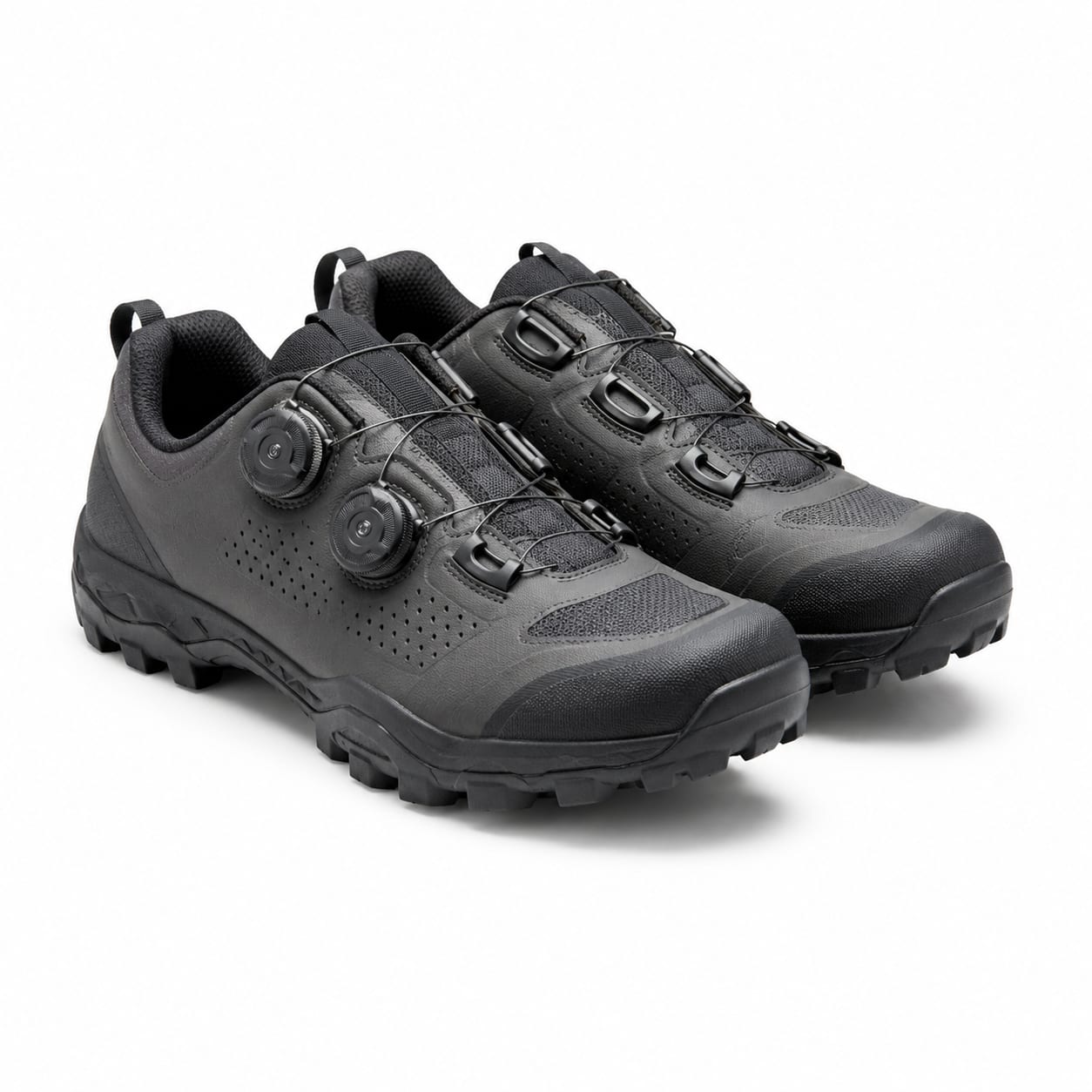
Purpose-built off-road shoes with recessed 2-bolt cleats, aggressive tread, and reinforced construction for trail riding efficiency and walkability.

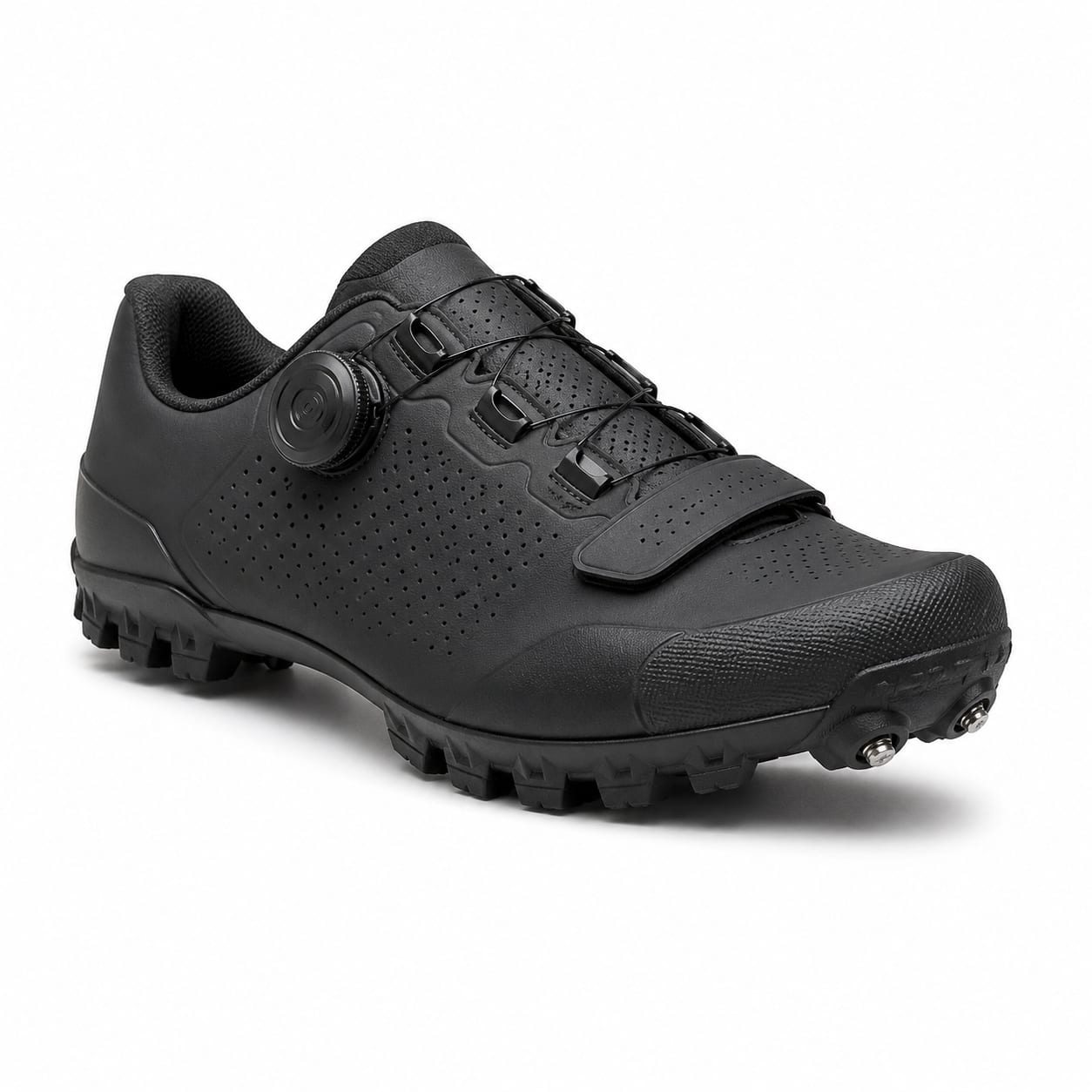
Mountain bike clipless shoes are the essential connection between rider and pedal on dirt. Using a 2-bolt cleat system (SPD, crankbrothers, or Time ATAC) that sits recessed into the sole, these shoes let you clip in for power and control while still walking comfortably through technical terrain, hike-a-bike sections, and cafe stops. With aggressive rubber tread, reinforced toe boxes, and varying levels of sole stiffness from XC race to enduro gravity, MTB clipless shoes balance on-bike performance with off-bike practicality better than any other cycling shoe category.

$70 – $400mid tierbeginnerintermediateadvanced

Best known for

Recessed 2-bolt cleat design that enables walkable off-bike movementAggressive rubber tread for traction on mud, rock, and loose terrainReinforced toe and heel protection against rock strikes and crashesVersatility from XC race stiffness to enduro gravity protection
Mountain Bike Clipless Shoes

Guide

Detailed overview

Mountain bike clipless shoes are designed specifically for off-road riding where the demands extend well beyond pure pedaling efficiency. Unlike road shoes with their exposed, protruding cleats, MTB clipless shoes use a 2-bolt cleat system—most commonly Shimano SPD—that sits recessed into a lugged sole. This means you can walk across parking lots, scramble over rocks, and hike up steep trail sections without the awkward waddle and cleat damage that road shoes inflict. The tread pattern surrounding the cleat pocket provides grip on slippery surfaces, while the cleat itself clicks into the pedal for a secure connection that improves power transfer, bike control, and confidence on technical terrain. MTB clipless shoes range from ultra-stiff XC race models with carbon-reinforced soles to burly enduro shoes with thick rubber lugs, ankle coverage, and impact protection. This spectrum reflects the diversity of mountain biking itself—from sprinting up fire roads to bombing down rock gardens—where shoe choice can significantly affect both performance and safety.

Mountain bike clipless shoes occupy a unique position in cycling footwear because they must excel in two contradictory domains: on-bike power transfer and off-bike walkability. The 2-bolt cleat system that defines this category is the key engineering solution. By recessing the cleat into a pocket surrounded by tread, riders get the pedaling efficiency and bike control of a clipless system without sacrificing the ability to walk normally. This matters enormously in mountain biking, where unexpected hike-a-bike sections, mechanical stops, and post-ride socializing are all part of the experience.

The sole construction of MTB clipless shoes varies dramatically based on intended discipline. Cross-country race shoes prioritize stiffness, using carbon-reinforced or full carbon soles with minimal rubber tread—just enough for brief walks. Trail and all-mountain shoes strike a balance with nylon or composite soles and more substantial tread blocks. Enduro and gravity-oriented shoes go all-in on protection and grip, with thick Vibram-style rubber lugs, reinforced toe boxes, and sometimes mid-ankle coverage to shield against pedal strikes and rock impacts. Understanding where you ride on this spectrum is the most important factor in choosing the right shoe.

Closure systems on modern MTB clipless shoes have largely standardized around BOA dials, which offer micro-adjustable tension that can be dialed in or released quickly—even with muddy gloves. Many trail and enduro shoes use a single BOA paired with a velcro strap, while XC race models may feature dual dials for maximum adjustment. Lace-up designs have made a strong comeback in the trail and gravel-adjacent space, offering unlimited forefoot adjustability and a distinctive aesthetic, though they require tucking to avoid drivetrain entanglement. Regardless of closure type, heel retention is critical in MTB shoes because the dynamic, out-of-saddle riding style generates significant upward forces that can cause heel lift and power loss.

Fit is where MTB clipless shoes make or break the riding experience. Feet swell during sustained effort, and the constant pressure changes of technical terrain amplify any pressure points. A shoe that feels fine in the shop can become agonizing after two hours of rocky climbing. This is why toe box shape, width availability, and insole quality deserve serious attention. Brands like Shimano and Lake offer wide-fit options, while Sidi and Fizik tend toward narrower lasts. The included insole matters too—many mid-range shoes now come with contoured footbeds or interchangeable arch inserts, which can eliminate the need for aftermarket solutions. For riders with particularly hard-to-fit feet, heat-moldable options from Bont or Shimano's S-Phyre line offer custom shaping that can resolve chronic comfort issues.

Durability is a final consideration unique to MTB shoes. Unlike road shoes that lead a sheltered life on smooth pavement, mountain bike shoes regularly encounter abrasive rocks, mud that accelerates wear, and crashes that test every seam and reinforcement. The reinforced toe boxes, rubber heel bumpers, and armored uppers found on quality MTB shoes aren't just marketing features—they're functional necessities that determine how many seasons a shoe will survive. Investing in a well-constructed MTB clipless shoe with quality materials and replaceable tread (on some models) pays dividends in longevity and consistent performance.

Quick facts

Primary purpose
Providing secure clip-in performance with off-road walkability and trail protection
Popular brands
ShimanoFive TenGiroBontragerSpecializedRide Concepts
Typical terrain
singletrackdirt trailsmudrocky terrainforest paths

What makes it different

Recessed cleat and aggressive tread pattern allow walking on dirt, mud, and rocks unlike road shoes

Recommended ranges

How this type usually specs out

Each spec is explained in plain language, then we show what buyers usually look for on this type.

Discipline / Shoe Type

Shoe Type

What it means

The intended riding discipline and design philosophy of the shoe, which determines sole stiffness, tread, cleat mounting, and overall construction.

Typical for this type

Mountain (By Definition Of This Subcategory)

In practice

Mountain bike clipless shoes are defined by their MTB-specific design: recessed cleat pocket, aggressive tread, 2-bolt cleat mount, and reinforced construction for off-road use.

Compared to other types

Unlike road shoes with smooth soles and exposed cleats, MTB shoes prioritize walkability and protection. Compared to gravel shoes, MTB shoes have more aggressive tread and stronger reinforcement. Commuter shoes share the recessed cleat concept but lack the stiffness and protection for serious trail riding.

Why it matters: The MTB shoe type determines the entire design philosophy—recessed cleat for walkability, tread for off-bike traction, and protection for trail hazards. Choosing the correct shoe type is non-negotiable for mountain biking.

Cleat Compatibility

Cleat Compatibility

What it means

The bolt pattern on the shoe sole that determines which cleat and pedal systems can be mounted. This is the most fundamental compatibility requirement.

Typical for this type

2_bolt (SPD / crankbrothers / Time ATAC)

In practice

All mountain bike clipless shoes use the 2-bolt cleat pattern, which accommodates Shimano SPD, crankbrothers, and Time ATAC cleats. The small cleat sits recessed in the sole, surrounded by tread.

Compared to other types

Road and triathlon shoes use 3-bolt systems for larger contact area but zero walkability. Gravel shoes often use 2-bolt like MTB shoes. Commuter shoes also use 2-bolt. The 2-bolt system is the defining compatibility requirement for MTB clipless.

Why it matters: 2-bolt compatibility is essential for MTB pedals and enables the walkable, recessed cleat design. Using 3-bolt road cleats on trails would be impractical and dangerous due to exposed cleat walking and lack of mud clearance.

Sole Material

Sole Material

What it means

The primary material of the shoe sole, which determines stiffness, weight, durability, and price. Stiffer soles transfer more power but reduce walkability and comfort.

Typical for this type

Nylon For Trail/All-Around; Carbon Reinforced For XC Race; Rubber Mtb For Enduro/Gravity

In practice

Nylon/composite soles are most common in mid-range MTB shoes, offering good stiffness for pedaling with enough flex for comfortable walking. XC race shoes use carbon-reinforced soles for maximum power transfer. Enduro and gravity shoes use rubber (often Vibram) for maximum grip and protection.

Compared to other types

Road shoes use full carbon almost exclusively for maximum stiffness. Gravel shoes often use carbon-reinforced or nylon. Commuter shoes use EVA foam or flexible rubber. MTB shoes span the widest range of sole materials because the discipline ranges from XC sprinting to downhill hiking.

Why it matters: Sole material directly determines the balance between pedaling efficiency and off-bike capability. Stiffer carbon soles transfer more power but feel precarious on rocks. Softer rubber soles grip terrain beautifully but flex under hard pedaling.

Sole Stiffness Index

Stiffness Index

What it means

A manufacturer-assigned or comparative rating of how resistant the sole is to flex under pedaling load. Higher numbers indicate stiffer soles that transfer more power.

Typical for this type

5-8 for trail/all-mountain; 8-11 for XC race; 4-6 for enduro/gravity

In practice

MTB clipless shoes typically fall in the mid-range of stiffness indices. Trail and all-mountain shoes around 5-7 balance pedaling efficiency with hike-a-bike comfort. XC race shoes reach 8-11 for maximum power transfer. Enduro shoes sit at 4-6 for better foot comfort and grip off the bike.

Compared to other types

Road shoes range from 8-14 for maximum stiffness. Gravel shoes typically 6-9. Commuter shoes 2-5. MTB shoes cover a broader range than most categories because mountain biking demands vary so widely.

Why it matters: Stiffness affects both power transfer and comfort. Too stiff and technical hike-a-bike sections become painful; too flexible and you lose energy on climbs and sprints. Match stiffness to your riding intensity and how much time you spend off the bike.

Closure System

Closure System

What it means

The mechanism used to secure the shoe to the foot, affecting fit precision, adjustability, speed of entry/exit, and reliability.

Typical for this type

BOA Dial (Single Or Dual) For Performance; Laces For Trail/Retro; Velcro For Budget/Entry

Most common pick: Boa Dial

In practice

BOA dials dominate modern MTB clipless shoes, offering micro-adjustable tension that works even with muddy gloves. Single BOA with a velcro strap is the most common trail configuration. XC race shoes may use dual BOAs. Laces have gained popularity in the trail segment for unlimited adjustability and style.

Compared to other types

Road shoes predominantly use BOA dials or ratchet buckles. Triathlon shoes use single velcro straps for fast transitions. Commuter shoes often use laces or velcro for casual convenience. MTB shoes favor BOA for its mud-friendly operation.

Why it matters: On the trail, you need to adjust fit quickly and reliably—sometimes mid-ride with dirty hands. BOA dials excel here. Laces offer the most customizable fit but can't be adjusted while riding and must be tucked for safety. Velcro is simple but less precise.

Weight per Pair

Weight (Pair)

What it means

The total weight of both shoes, typically measured in grams. Lighter shoes reduce rotational mass and can improve acceleration and climbing.

Typical for this type

600-750g for XC race; 700-850g for trail; 800-1000g for enduro/gravity

Most common pick: 720g

In practice

MTB clipless shoes are heavier than road shoes due to tread, reinforcement, and protective features. XC race shoes approach road shoe weights around 600-700g. Trail shoes typically weigh 700-850g. Enduro shoes with ankle coverage and heavy rubber can exceed 900g.

Compared to other types

Road shoes: 400-550g. Gravel shoes: 550-700g. Commuter shoes: 700-1200g. MTB shoes sit between gravel and commuter weights, with the range varying dramatically by sub-discipline.

Why it matters: Weight affects acceleration and climbing, but in MTB, the trade-off for protection and grip is usually worth it. Gram-counting makes sense for XC racing but is counterproductive for enduro where foot protection matters more.

Upper Material

Upper Material

What it means

The primary material of the shoe upper, affecting breathability, durability, water resistance, stretch, and overall comfort.

Typical for this type

Synthetic Leather For Durability; Mesh Knit For Summer XC; Microfiber For Performance; Gore Tex For Winter/Wet

In practice

Synthetic leather is the most common upper material in MTB clipless shoes because it resists abrasion from rocks and brush, is easy to clean after muddy rides, and maintains structure over time. Performance models use microfiber for lighter weight. Summer XC shoes may use mesh for ventilation. Winter-specific models incorporate GORE-TEX.

Compared to other types

Road shoes favor microfiber and mesh for low weight and ventilation. Gravel shoes often use synthetic leather or mesh. Commuter shoes use various materials for casual appearance. MTB shoes prioritize abrasion resistance and structural integrity more than other categories.

Why it matters: MTB uppers face more abuse than any other cycling shoe category—rock scrapes, mud immersion, brush contact, and crash impacts. Durability matters as much as comfort. Breathability is important but must be balanced against protection and debris resistance.

Width / Fit Profile

Width / Fit Profile

What it means

The volume and width of the shoe last (foot mold), which determines how the shoe accommodates different foot shapes. Critical for comfort and preventing numbness.

Typical for this type

Standard For Most Riders; Wide For Broader Feet Or Long-Distance Comfort

In practice

Most MTB clipless shoes come in standard width, with select models available in wide. Shimano and Lake offer the best wide-fit options in MTB shoes. Italian brands like Sidi and Fizik tend to run narrower. Feet swell during long MTB rides, so consider sizing with this in mind.

Compared to other types

Road shoes tend to run narrower for a performance fit. Commuter shoes often run wider for comfort. MTB shoes are increasingly available in wider options as brands recognize that trail riders need all-day comfort. The dynamic nature of MTB riding makes proper width even more critical than in road cycling.

Why it matters: Foot numbness from too-narrow shoes is a common and ride-ending problem in mountain biking, where sustained climbing pressure and rough terrain amplify fit issues. When in doubt, go slightly wider—your feet will thank you on hour three of a big ride.

Ventilation Level

Ventilation

What it means

The degree of airflow through the shoe upper and sole, affecting temperature regulation, moisture management, and comfort in different weather conditions.

Typical for this type

Moderate For All-Around Trail Riding; High For Summer XC Racing; Minimal For Winter Or Wet Conditions

In practice

Most MTB clipless shoes have moderate ventilation—enough mesh or perforations for airflow during exertion, but enough structure to keep debris out. XC race shoes may have high ventilation for hot-weather racing. Enduro and gravity shoes tend toward minimal ventilation since they're used in cooler conditions and need to block mud and water.

Compared to other types

Road shoes often have high ventilation for summer racing. Gravel shoes vary. Commuter shoes have moderate ventilation. MTB shoes need to balance ventilation with debris protection more carefully than road or gravel categories.

Why it matters: Mountain biking generates intense foot heat during climbs, but trail debris, stream crossings, and mud mean fully ventilated shoes can fill with grit. Moderate ventilation is the sweet spot for most riders. Consider your climate and typical trail conditions.

Heel Retention System

Heel Retention

What it means

Design features in the heel cup that prevent heel lift during the upstroke, ensuring efficient power transfer and stable foot positioning.

Typical for this type

Reinforced Heel For Most Riders; Adjustable Heel For Narrow Heels Or Performance Focus

In practice

Most mid-range and performance MTB clipless shoes feature reinforced heel cups that provide solid hold during the dynamic pedaling and body English of trail riding. Premium models may offer adjustable heel retention for riders with narrow heels. Entry-level shoes use standard heel cups.

Compared to other types

Road shoes often feature adjustable or integrated heel dials for maximum efficiency. Commuter shoes typically use standard heel cups. MTB shoes need strong heel retention but the emphasis is on durability and reliability in dirty conditions rather than the ultra-precise systems found on road race shoes.

Why it matters: Heel lift is particularly problematic in mountain biking because the out-of-saddle, dynamic riding style generates significant upward forces on the shoe. Every millimeter of heel lift is wasted energy on climbs and reduced control on descents.

Sole Stack Height

Stack Height

What it means

The distance from the pedal axle to the bottom of the foot, determined by sole thickness and cleat design. Lower stack height improves pedaling efficiency and cornering clearance.

Typical for this type

10-13mm for XC/trail; 13-16mm for enduro/gravity with thicker tread

Most common pick: 12mm

In practice

MTB clipless shoes have higher stack heights than road shoes due to the tread and cleat recess required for walkability. XC shoes with minimal tread sit around 10-12mm. Trail shoes are typically 11-13mm. Enduro shoes with thick rubber lugs can reach 14-16mm.

Compared to other types

Road shoes: 5-8mm for maximum efficiency. Gravel shoes: 8-12mm. Commuter shoes: 12-18mm. MTB shoes sit in the middle, with the tread that causes higher stack being the very feature that enables off-bike functionality.

Why it matters: Higher stack height means slightly less efficient power transfer and reduced cornering clearance, but it's the necessary trade-off for walkable tread. Most MTB riders won't notice the stack height difference, but XC racers may prefer lower-stack shoes for marginal gains.

Included Insole / Footbed

Insole Type

What it means

The type and quality of the footbed included with the shoe, which affects arch support, comfort, and the ability to customize fit.

Typical for this type

Contoured Ergonomic For Most Riders; Interchangeable Arch For Custom Fit; Basic Flat If Using Aftermarket Orthotics

In practice

Most mid-range and above MTB clipless shoes include contoured ergonomic insoles with some arch support. Premium models may include interchangeable arch inserts (low, medium, high) for customization. Entry-level shoes come with basic flat insoles that should be replaced for long-ride comfort.

Compared to other types

Road shoes at similar price points often include better insoles. Gravel shoes are comparable. Commuter shoes typically have basic insoles. MTB riders should consider aftermarket insoles (Specialized Body Geometry, Superfeet) if the included insole lacks adequate arch support.

Why it matters: Proper arch support prevents foot fatigue and hot spots during long MTB rides, especially on sustained climbs where foot pressure is constant. The included insole quality often differentiates price tiers more than upper material or closure system.

Toe Box Shape

Toe Box Shape

What it means

The shape and volume of the front of the shoe where the toes sit, affecting comfort, toe splay, and prevention of numbness or bunions.

Typical for this type

Rounded Standard For Most Riders; Wide Anatomical For Long Rides Or Wide Feet

In practice

Most MTB clipless shoes feature a rounded/standard toe box that accommodates the foot swelling common during long rides. Some comfort-oriented and wide-fit models use anatomical toe boxes for maximum toe splay. Pointed/tapered toe boxes are rare in MTB shoes since trail riding demands more comfort than aerodynamics.

Compared to other types

Road shoes often use pointed/tapered toe boxes for aerodynamics. Gravel shoes tend toward rounded or anatomical. Commuter shoes favor comfort with rounded shapes. MTB shoes almost universally avoid pointed toe boxes because off-road riding demands foot comfort and the aerodynamic benefit is irrelevant.

Why it matters: Toe numbness is a frequent complaint on long MTB rides, especially during extended climbing. A toe box that allows natural toe positioning prevents numbness and improves balance on technical terrain where foot position affects bike control.

Ankle Coverage

Ankle Coverage

What it means

How high the shoe extends above the ankle bone, affecting protection, support, weather resistance, and range of motion.

Typical for this type

Low Cut For XC And General Trail; Mid Ankle For Enduro And Aggressive Trail; High Ankle For Downhill

In practice

Most MTB clipless shoes are low-cut for maximum ankle mobility and pedal technique. Mid-ankle coverage is increasingly popular for enduro and aggressive trail riding, protecting against pedal strikes and debris. High-ankle boots are reserved for downhill and extreme conditions.

Compared to other types

Road and gravel shoes are almost exclusively low-cut. Commuter shoes may have slightly higher coverage for style. MTB shoes offer the widest range of ankle coverage options because the discipline includes both efficiency-focused XC and protection-focused downhill.

Why it matters: Ankle coverage trades mobility for protection. Flat pedal pins and trail debris can cause painful ankle injuries. Enduro riders who experience pedal strikes benefit from mid-ankle coverage. XC riders prioritize ankle freedom for pedaling technique.

Walkability Rating

Walkability

What it means

How easily and comfortably you can walk in the shoes off the bike, determined by sole flexibility, tread pattern, and cleat recess.

Typical for this type

Limited For XC Race Focus; Moderate For Trail/All-Mountain; High For Bikepacking And Hike-A-Bike Heavy Riding

In practice

MTB clipless shoes offer moderate walkability thanks to the recessed cleat and surrounding tread. You can walk comfortably on most surfaces, scramble over rocks, and handle hike-a-bike sections. XC race shoes with minimal tread offer limited walkability, while enduro shoes with thick rubber provide moderate-to-high walkability.

Compared to other types

Road shoes: not walkable. Gravel shoes: limited to moderate. Commuter shoes: moderate to high. MTB clipless shoes offer the best balance of on-bike performance and off-bike walkability of any clipless shoe category, which is why they're sometimes used for gravel and touring as well.

Why it matters: Walkability is the primary advantage of MTB clipless shoes over road shoes. If you ever unclip on dirt—which is essentially every MTB ride—walkability matters. The recessed cleat design is what makes this category viable for off-road use.

Heat Moldable Upper/Sole

Heat Moldable

What it means

Whether the shoe upper, sole, or both can be heat-molded to customize the fit to the rider's foot shape.

Typical for this type

False For Most Riders; True For Hard-To-Fit Feet Or Premium Race Models

In practice

Most MTB clipless shoes are not heat moldable. However, some premium models from Bont, Shimano (S-Phyre), and Lake offer heat molding for custom fit. This feature is more common in XC race shoes than in trail or enduro models.

Compared to other types

Road shoes offer heat molding more frequently, especially at the race level. Gravel shoes occasionally offer it. Commuter shoes rarely do. MTB shoes are less likely to offer heat molding than road shoes at equivalent price points.

Why it matters: Heat moldability can resolve fit issues for riders with unique foot shapes who can't find comfort in standard shoes. For most riders, proper width selection and good insoles are sufficient. It's a nice-to-have, not a must-have.

Gender-Specific Design

Gender Design

What it means

Whether the shoe is built on a gender-specific last, which accounts for typical differences in foot shape, volume, and proportions.

Typical for this type

Womens For Female Riders Seeking Optimized Fit; Mens/Unisex For Wider Feet; Try Both If Possible

In practice

Many MTB clipless shoes are sold as unisex (built on men's last). However, an increasing number of brands offer women-specific models with narrower heels, lower volume, and proportionally adjusted toe boxes. Shimano, Specialized, and Trek have strong women's MTB shoe lines.

Compared to other types

Road shoes have the most women-specific options. Gravel and commuter shoes vary. MTB shoes are improving in women-specific availability but still lag behind road in model selection. Women should prioritize brands that offer dedicated women's lasts.

Why it matters: Women who ride in unisex/men's shoes often experience heel slip and excessive forefoot volume. Women-specific lasts address these common issues. The best approach is trying both and choosing based on fit, not labeling.

Evaluation

Strengths and trade-offs

Pros

What this type does best

Walkable recessed cleat design

Critical

The 2-bolt cleat sits flush within the tread, allowing natural walking on dirt, rock, and pavement without damaging cleats or slipping. This is the single biggest advantage over road clipless shoes.

Superior bike control on technical terrain

Critical

Clipping in keeps your feet securely positioned on the pedals through rough descents, jumps, and technical features where flat pedal riders might slip off. This confidence allows faster, more committed riding.

Improved power transfer on climbs

High

The clipless connection enables pulling up on the upstroke and maintains consistent foot position during seated and standing climbs, translating to more efficient power delivery on steep gradients.

Aggressive tread for off-bike traction

High

The rubber lugs surrounding the cleat provide grip on muddy banks, slippery rocks, and loose dirt during hike-a-bike sections—terrain where road shoes would be dangerously slippery.

Reinforced protection against trail hazards

High

Toe caps, heel bumpers, and armored uppers protect feet from rock strikes, pedal pins, and crash impacts that are routine in mountain biking. This protection is absent in road and gravel shoes.

Mud-shedding cleat design

Medium

The small 2-bolt cleat and recessed pocket shed mud better than large 3-bolt road cleats, maintaining reliable engagement even in sloppy conditions where road pedals would clog.

Versatility across disciplines

Medium

MTB clipless shoes work for trail riding, XC racing, bikepacking, gravel riding, and even commuting. One pair can serve multiple riding styles, making them a practical investment.

Cons

Trade-offs to be aware of

Less power transfer than road shoes

Moderate

The flexible tread, higher stack height, and often less-stiff soles mean MTB clipless shoes don't transfer power as efficiently as road shoes with full carbon soles and 3-bolt cleats. The difference is noticeable in sprints and sustained high-power efforts.

Learning curve for clipping in and out

Moderate

New riders often struggle with the coordination of clipping into SPD pedals, especially on technical terrain or steep climbs where a missed clip-in can mean a fall. The learning period can be frustrating and occasionally painful.

Tread wear and cleat pocket packing

Minor

The rubber tread wears down over time, especially with frequent off-bike walking on abrasive surfaces. Mud can pack into the cleat pocket, preventing engagement. Cleats themselves wear and need periodic replacement.

Heavier than road shoes

Minor

The tread, reinforcement, and protective features add 150-400g per pair compared to equivalent road shoes. This rotational weight is noticeable during accelerations and extended climbing.

Zero float options are limited

Minor

Some riders prefer fixed-position cleats for maximum control, but most 2-bolt cleat systems have built-in float. Riders coming from road pedals with minimal float may find the adjustment challenging.

Cleat engagement can be difficult in mud

Minor

While 2-bolt systems shed mud better than 3-bolt, extremely muddy conditions can still prevent clean engagement. Riders may need to scrape mud from the cleat pocket before clipping in.

Best for

Surfaces & terrain

SingletrackRocky technical terrainMuddy trailsSteep climbs requiring hike-a-bikeMixed terrain with off-bike sectionsRooty and loose surfaces

Riding conditions

Variable trail conditionsWet and muddy trailsTechnical terrain requiring foot stabilityLong rides with hike-a-bike sectionsMixed weather riding

Skill level

Intermediate riders ready to commit to cliplessAdvanced riders optimizing power and controlExpert riders pushing technical limits

Riding discipline

Cross-country racingTrail ridingEnduro racingAll-mountain ridingBikepacking on dirt routesGravel riding with technical sections

Rider profile

Trail riders who want pedaling efficiency and walkabilityXC racers seeking maximum power transfer on dirtEnduro riders who climb under power and descend with confidenceBikepackers covering mixed terrain over multiple daysGravel riders who encounter technical singletrack sections

Not ideal for

Reasons

Road riding is better served by road-specific shoes with superior power transferBeginners benefit from flat pedals while developing fundamental bike handling skillsDownhill riders may prefer flat shoes for instant foot release during crashesExtensive walking favors commuter shoes with more flexible solesThe tread and reinforcement add unnecessary weight for pure road use

Surfaces & terrain

Smooth paved roadsIndoor training on stationary bikesFlat casual bike paths with no technical features

Skill level

Complete beginners still learning bike handling (start with flats)Riders unwilling to practice clipless technique

Riding discipline

Road racing and fast group ridesTriathlon and time trialsCasual commuting with extensive walkingDownhill park riding (some prefer flat shoes for bail capability)BMX and dirt jumping

Compare

How it stacks up

This page

Mountain Bike Clipless Shoes

Walkability, off-bike traction, trail protection, and mud clearance. You can actually walk in MTB shoes without damaging cleats or slipping.

Alternative

Road Clipless Shoes

Superior power transfer from stiffer soles and larger 3-bolt cleat platform. Lower weight, lower stack height, and better aerodynamics for pure road performance.

Bottom line

Choose MTB clipless for any riding that involves dirt, walking, or trail hazards. Choose road clipless only for dedicated road riding where you never leave the bike. Many riders own both.

This page

Mountain Bike Clipless Shoes

Secure foot connection through rough terrain, improved climbing power from upstroke capability, consistent foot positioning, and no foot slip off pedals on technical descents.

Alternative

Mountain Bike Flat Shoes

Instant foot release for bails and dabbing, no learning curve, easier to step off at stops, and some riders prefer the feel of unclipped riding for technical features.

Bottom line

Choose clipless for efficiency and security on long rides with climbing. Choose flats for skill development, downhill focus, or if you value the ability to instantly separate from the bike. Many riders switch between both depending on the ride.

This page

Mountain Bike Clipless Shoes

More aggressive tread for technical terrain, stronger reinforcement and protection, better mud clearance, and models available with ankle coverage for aggressive riding.

Alternative

Gravel Clipless Shoes

Lighter weight, often sleeker design, slightly stiffer soles for gravel racing efficiency, and styling that works on and off the bike for mixed-surface social rides.

Bottom line

Choose MTB clipless if your riding includes significant singletrack, technical terrain, or aggressive trail riding. Choose gravel shoes if your riding is primarily gravel roads with occasional light singletrack and you value lower weight and versatile styling.

This page

Mountain Bike Clipless Shoes

Stiffer soles for better power transfer, more secure fit for dynamic riding, superior durability for trail abuse, and better foot protection from impacts.

Alternative

Commuter Clipless Shoes

Sneaker-like appearance for office and casual settings, more flexible soles for comfortable all-day walking, and often lower price points for budget-conscious riders.

Bottom line

Choose MTB clipless for trail riding and any performance-oriented off-road cycling. Choose commuter shoes for daily urban use where walking comfort and casual appearance matter more than pedaling efficiency.

Shopping

Buying tips

  • 1

    Match your shoe to your MTB discipline: stiff carbon-reinforced soles for XC racing, nylon/composite for trail, and rubber-lugged soles for enduro. The wrong sole choice will either leave you wanting more power or suffering through hike-a-bike sections.

  • 2

    Size for swollen feet: try shoes on in the afternoon when your feet are at their largest, and wear the socks you ride in. Feet swell significantly during long MTB rides, and a shoe that fits in the morning will feel tight at hour three.

  • 3

    Prioritize fit over features: a perfectly fitting nylon-soled shoe will outperform an ill-fitting carbon-soled shoe every time. If you have wide feet, Shimano and Lake offer the best width options. Don't compromise fit for sole material.

  • 4

    Consider dual BOA dials if you have narrow heels: the ability to independently adjust forefoot and heel tension solves the common problem of heel lift without crushing your toes. Single BOA shoes work for most foot shapes but can't fine-tune zones.

  • 5

    Buy replacement cleats at the same time as shoes: SPD cleats wear out every 6-12 months depending on walking frequency. Having spares means you won't be sidelined when engagement becomes sloppy. Brass cleats wear faster than steel but offer better mud performance.

  • 6

    Test walkability in the store: put the shoes on with cleats installed and walk around. If the cleat contacts the floor or feels unstable, the cleat position or shoe model may not work for your gait. Adjust cleat position or try a different shoe.

  • 7

    Don't overlook insole quality: the included insole can make or break long-ride comfort. If your shoes come with basic flat insoles, budget for aftermarket options like Specialized Body Geometry or Superfeet. This $30-40 upgrade can eliminate foot pain that no shoe adjustment will fix.

  • 8

    Consider your pedal system before buying: Shimano SPD is the most common 2-bolt system with the widest shoe compatibility, but crankbrothers and Time ATAC use the same bolt pattern. Make sure your cleats match your pedals—mixing brands within the 2-bolt standard works but may affect release characteristics.

Care

Maintenance notes

  • Clean mud from the cleat pocket after every muddy ride using a stick or brush. Packed mud prevents cleat engagement and accelerates wear on both cleat and shoe.
  • Replace cleats when engagement becomes sloppy or release feels inconsistent—typically every 6-12 months for regular riders. Worn cleats can unexpectedly release during hard efforts.
  • Dry shoes properly after wet rides by removing insoles and stuffing with newspaper. Never place wet shoes on a heater or in direct sunlight, which can warp soles and damage adhesives.
  • Inspect and tighten cleat mounting bolts every few weeks. Vibrations from trail riding can loosen bolts, causing cleat position shift and potentially stripping threads.
  • Treat synthetic leather uppers with a gentle cleaner and conditioner periodically to maintain suppleness and prevent cracking, especially after exposure to mud and UV.
  • Check tread wear regularly, especially on the heel and toe lugs that contact the ground during walking. Severely worn tread reduces off-bike traction and can expose the cleat pocket.
  • If your shoes have BOA dials, keep them free of grit and test the release function periodically. BOA offers a lifetime guarantee on dials and will send free replacements if they fail.

Progression

Skill development path

Mountain bike clipless shoes represent a significant skill step for riders transitioning from flat pedals. The first 5-10 rides focus on developing muscle memory for clipping in (especially at stop signs and the base of climbs) and learning the twist motion for reliable release. Expect a few zero-speed falls during this period—they're normal and usually harmless. Within 2-4 weeks, clipping in becomes automatic and riders begin to appreciate the security and efficiency gains. The next progression involves learning to use the upstroke for power on climbs and maintaining clipped confidence through technical descents. Advanced riders can fine-tune cleat position (fore/aft, angle, and lateral) to optimize knee tracking and power delivery. Some riders eventually experiment with different float amounts or even multi-release cleats for technical riding. The key insight is that clipless shoes don't make you a better rider overnight—they remove one variable (foot position) so you can focus on all the other skills that matter.

FAQ

Common questions

Each question has a dedicated page with a full answer and links to the buying guide.

What's the difference between SPD and SPD-SL?

SPD (Shimano Pedaling Dynamics) is a 2-bolt cleat system with a small recessed cleat used in mountain biking, gravel, and commuting. SPD-SL is a 3-bolt road system with a large exposed cleat. They are completely incompatible—SPD cleats won't fit SPD-SL pedals and vice versa. For mountain biking, you want SPD (or compatible 2-bolt systems like crankbrothers or Time ATAC).

Should beginners start with clipless or flat pedals?

Most coaches recommend starting mountain biking with flat pedals to develop fundamental bike handling skills—weight distribution, cornering technique, and the ability to quickly dab a foot. Once these basics are solid (typically 3-6 months of regular riding), transitioning to clipless adds efficiency and security. Starting clipless too early can create dependency and slow skill development. There's no shame in riding flats, and many expert riders still prefer them for certain disciplines.

How tight should MTB clipless shoes fit?

MTB clipless shoes should fit snugly without pressure points. You should be able to wiggle your toes slightly, and there should be no heel lift when you walk or simulate an upstroke. The shoe should feel like a firm handshake around your foot—not crushing, but with no slop. Remember that feet swell during riding, so a shoe that feels perfect at minute zero should have a tiny bit of room for expansion. If you feel numbness or hot spots within the first hour, the shoe is too tight or too narrow.

Can I use mountain bike clipless shoes on a road bike?

Yes, you can use MTB clipless shoes with SPD pedals on a road bike. Many recreational road riders and bikepackers do exactly this for the walkability benefit. The trade-off is slightly less power transfer than road shoes with 3-bolt cleats. If you're not racing or doing high-intensity group rides, the convenience of walkable shoes often outweighs the marginal power loss. Some riders use SPD pedals on their road bike specifically to share one shoe across multiple bikes.