
Tire width directly affects flotation and rolling resistance. 3.8" is the minimum for fat bike classification—lighter and faster but less flotation, often accepted on groomed trails with width limits. 4.0" is the most popular all-around size, balancing flotation and rolling resistance. 4.6" provides noticeably more flotation for deeper snow and softer sand but is heavier and slower. 5.0" is for maximum flotation in the deepest conditions but is heavy, expensive, and may exceed trail width limits. Most riders are best served by 4.0".
Mountain Bike · Fat Bike
What's the difference between 3.8", 4.0", 4.6", and 5.0" fat tires?
Related gear types
If this answer nudged you toward a different style, these guides compare specs and trade-offs.
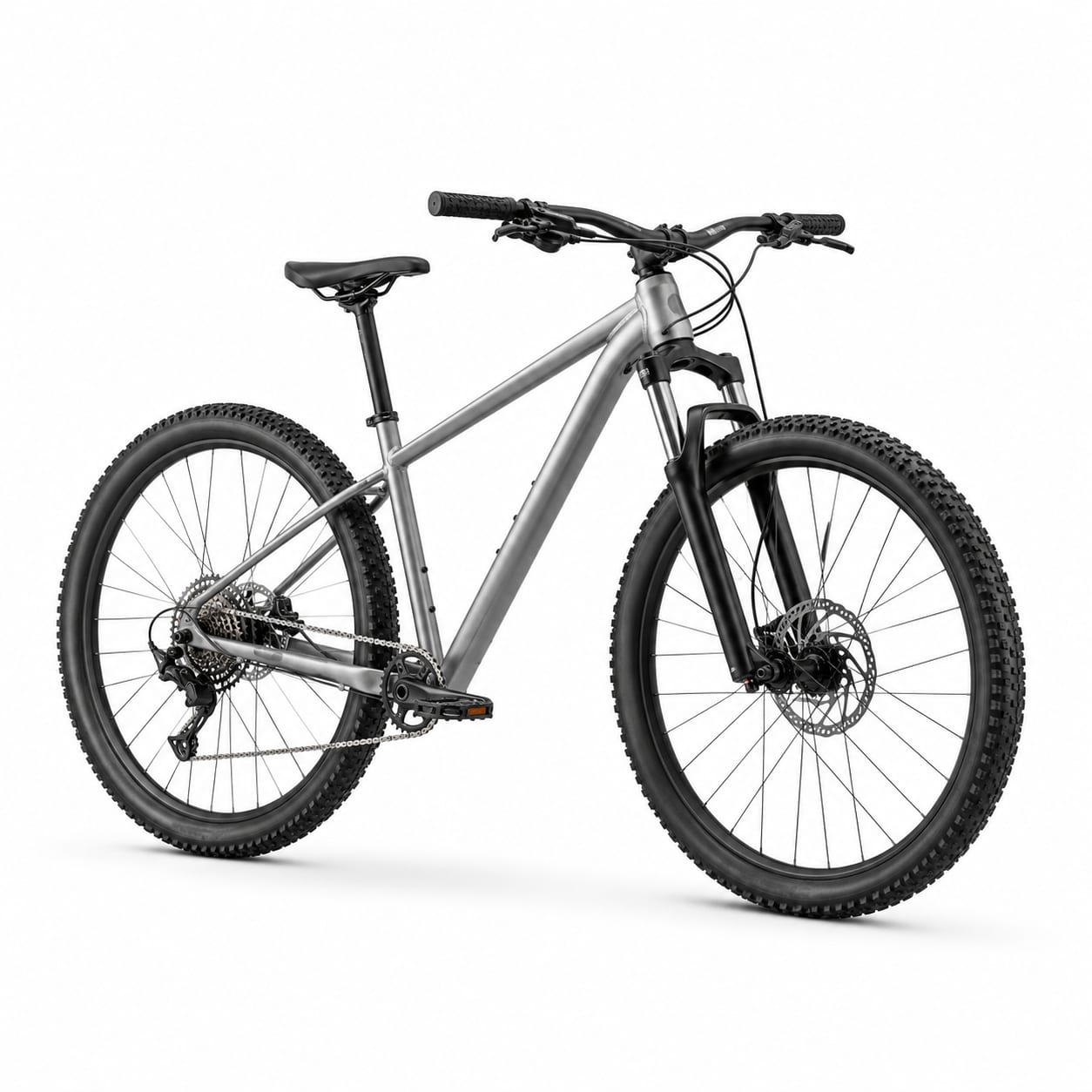
Hardtail Mountain Bike
$400 – $9000
Mountain bikes with front suspension only, offering simplicity, low weight, and value for less technical terrain.
front suspension only (100-140mm)no rear suspensionlighter at same price point
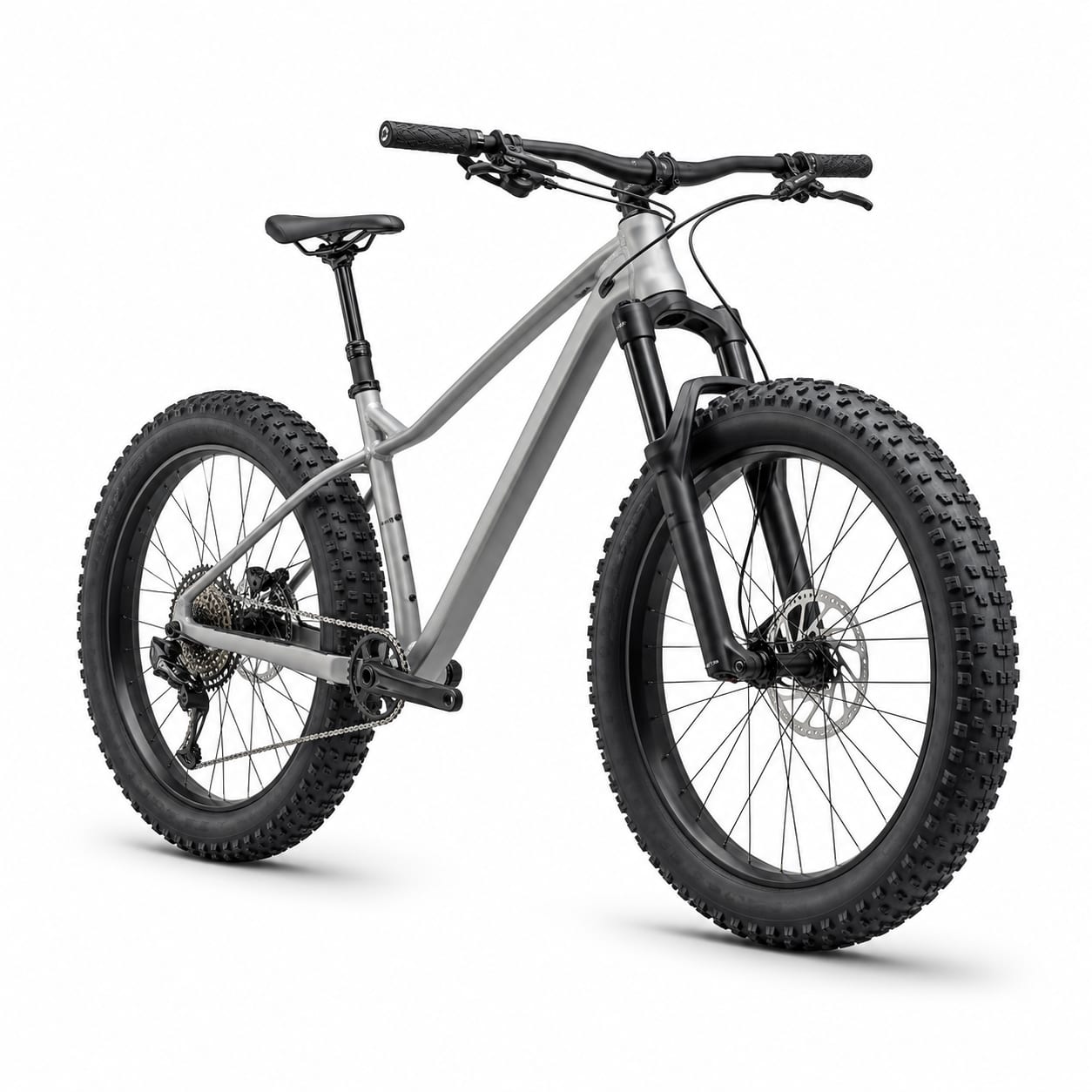
Plus Bike
$800 – $6000
Mountain bikes with mid-fat tires (2.8-3.25") offering extra traction and cushion beyond standard trail bikes.
2.8-3.25" tire widthwide rims (35-45mm)moderate suspension travel (120-150mm)
More questions
- What tire pressure should I run on my fat bike?
- Can I ride my fat bike on regular mountain bike trails in summer?
- Do I need a suspension fork on a fat bike?
- Are fat bikes good for beginners?