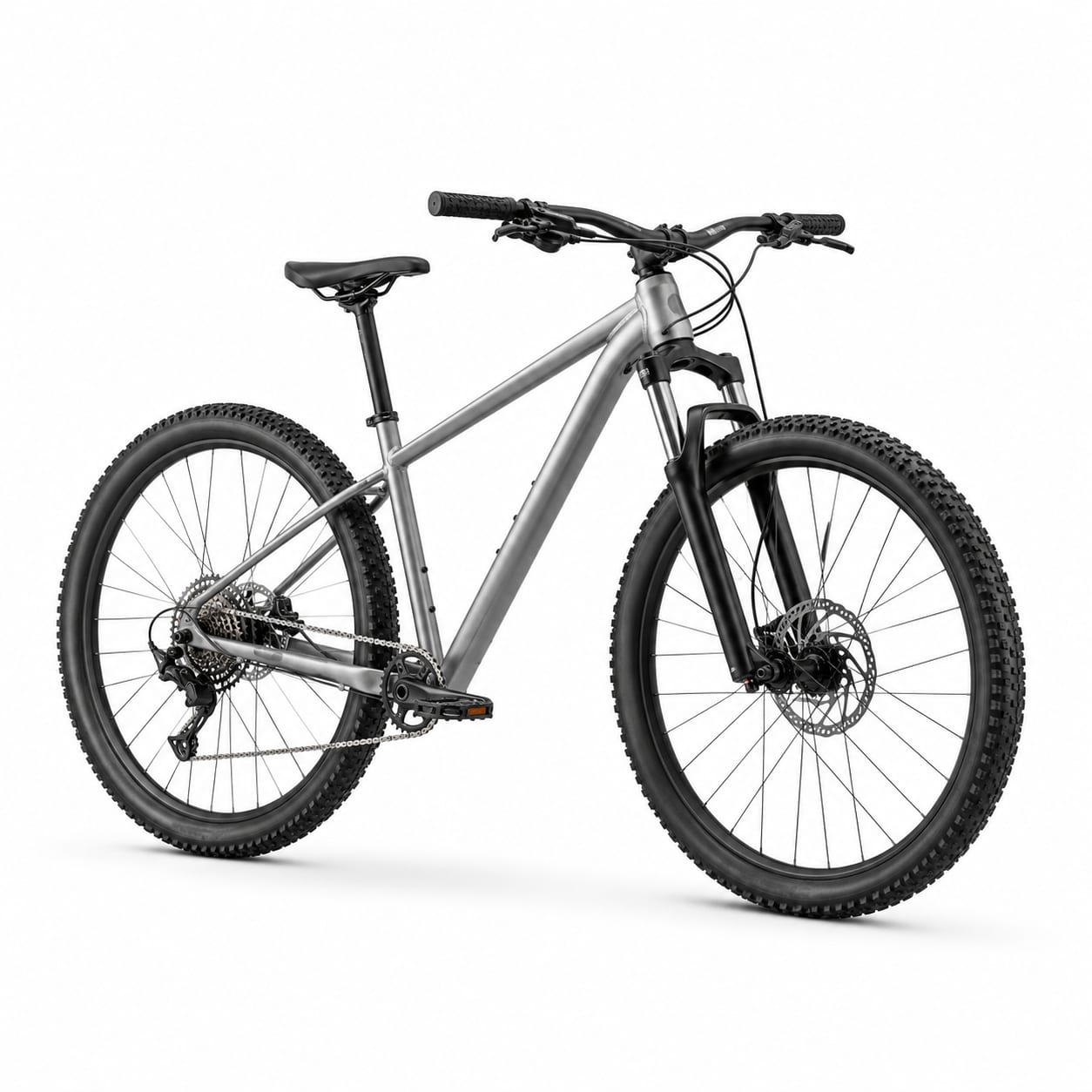
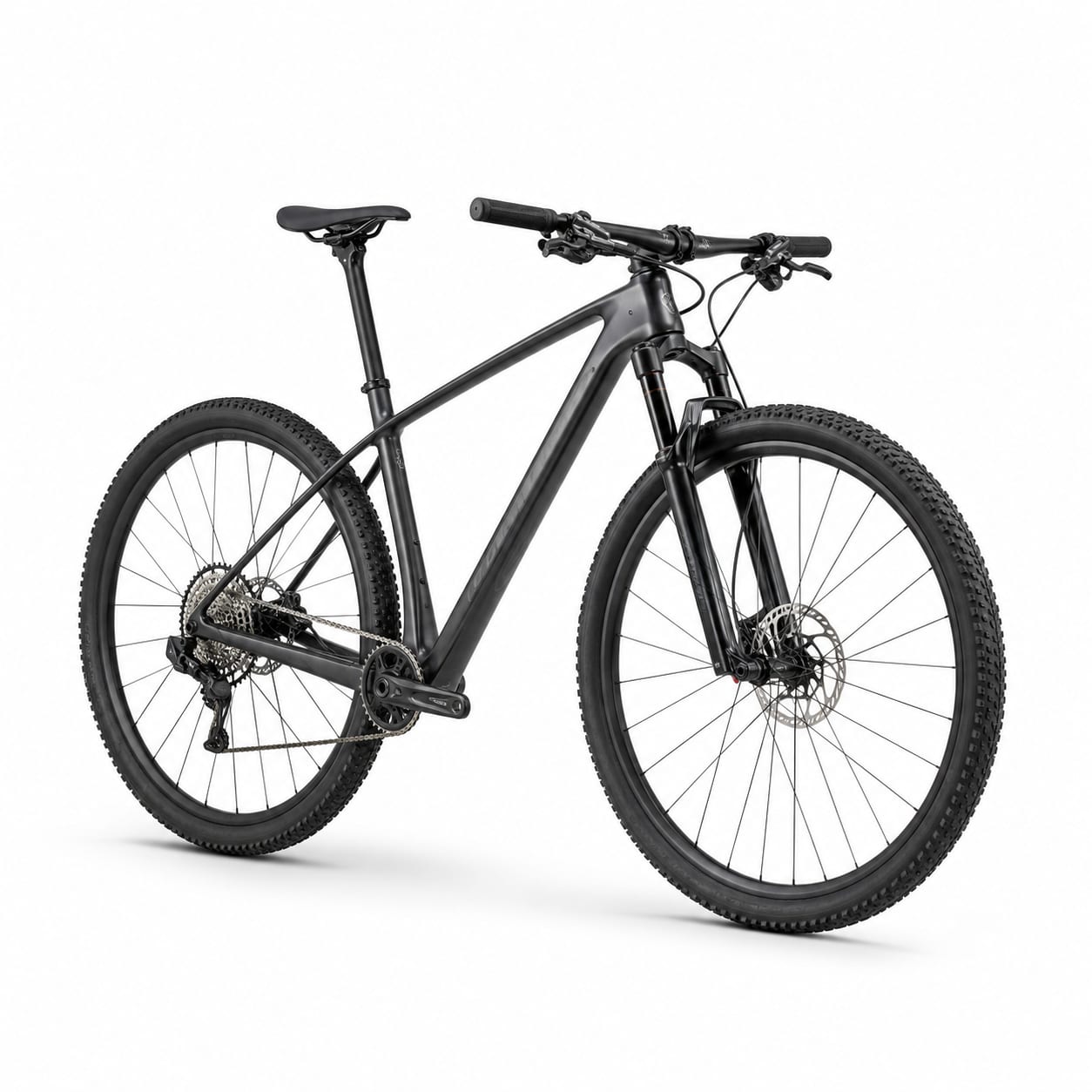
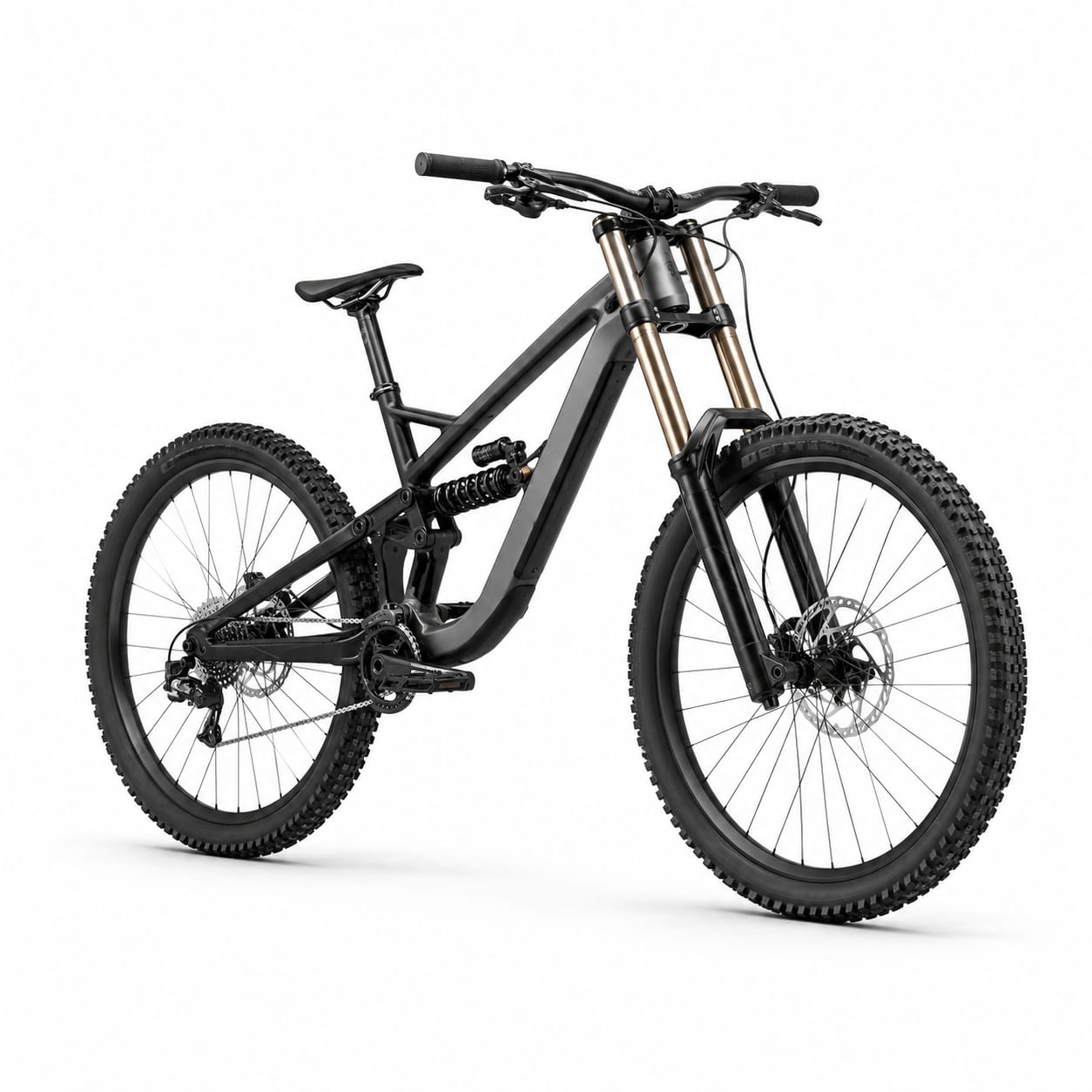
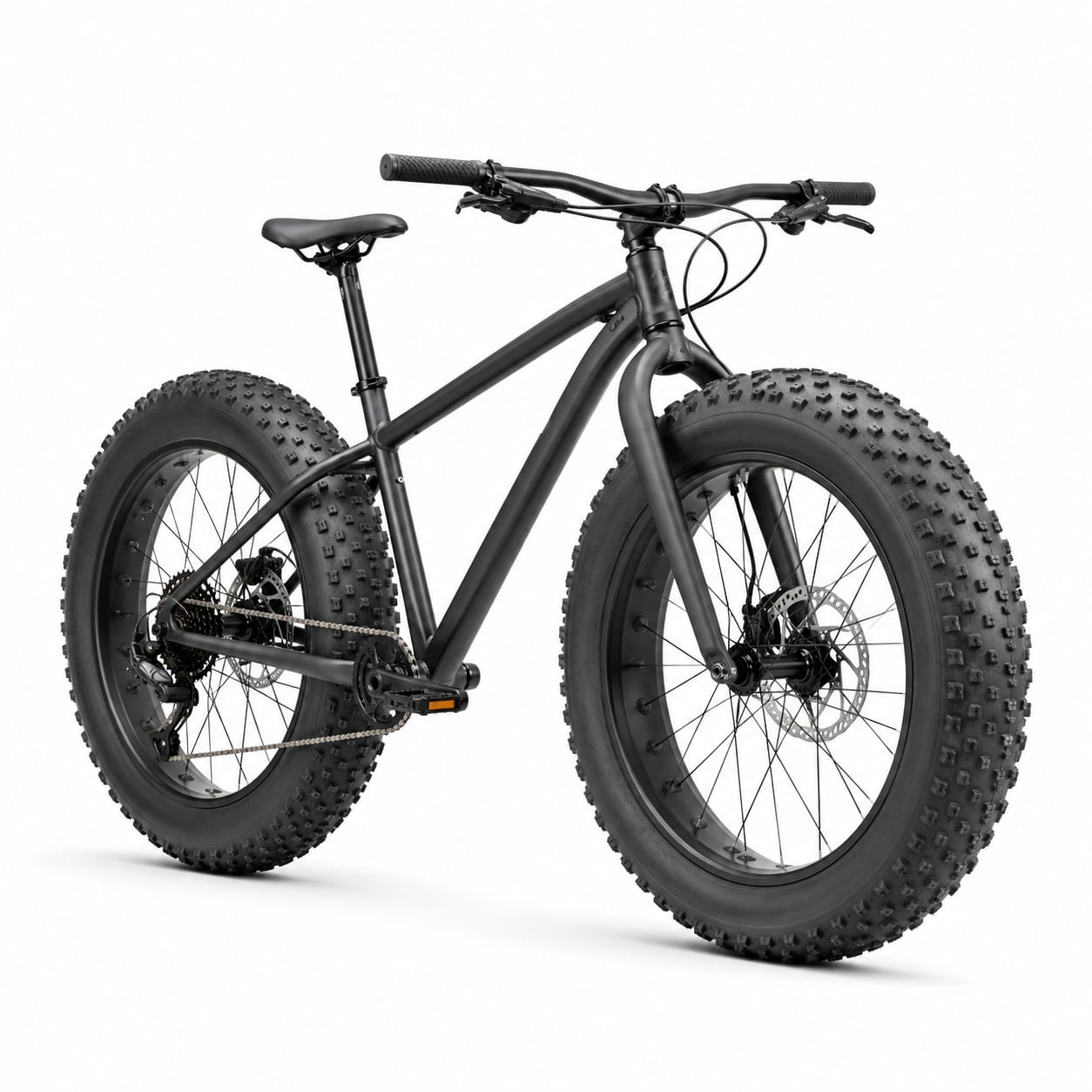
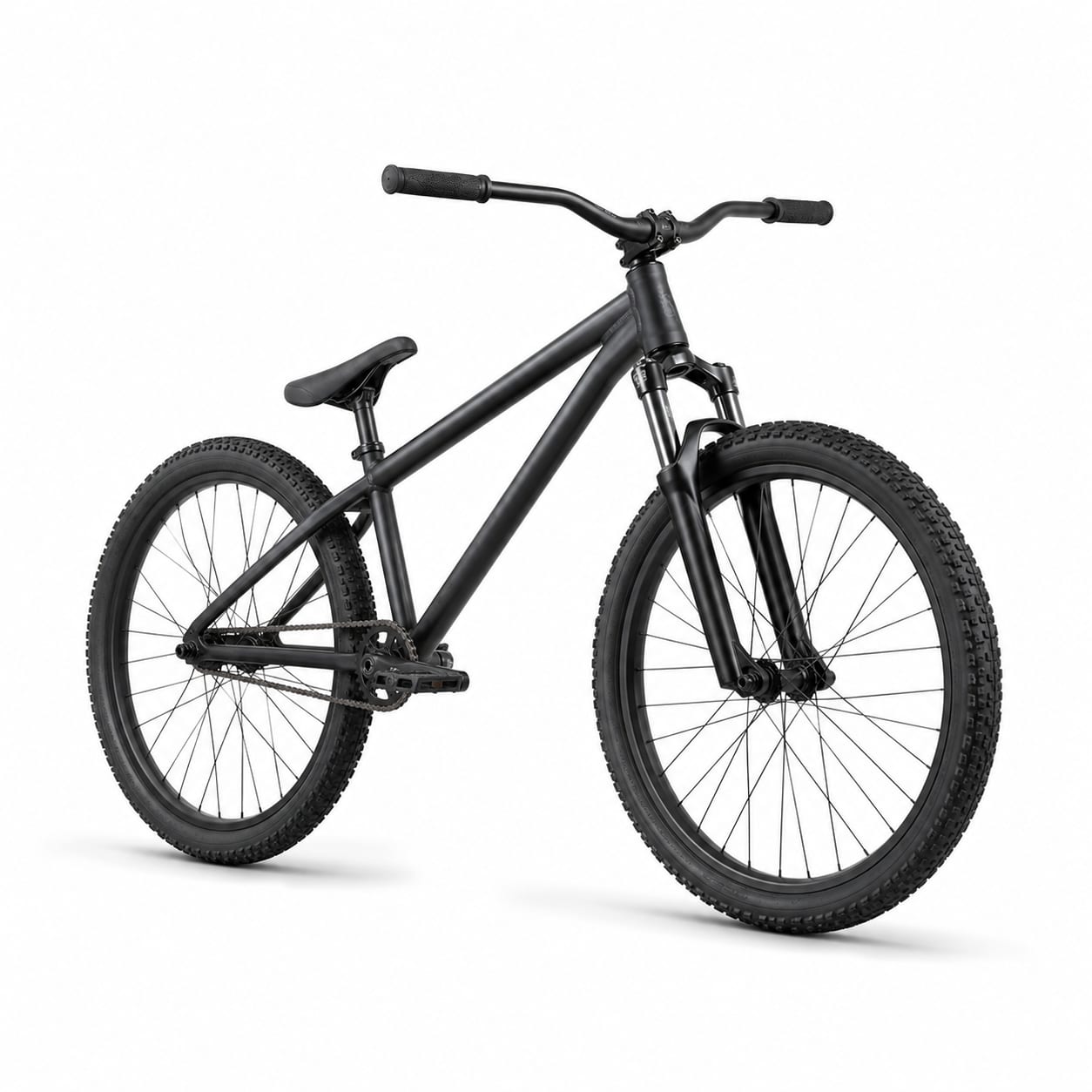
A hardtail mountain bike is defined by its front suspension fork and rigid rear triangle. Without a rear shock and linkage system, hardtails are mechanically simpler, lighter, and more affordable than full suspension bikes. The rigid rear end means every watt of pedaling effort transfers directly to the rear wheel, making hardtails exceptionally efficient climbers and sprinters. Modern hardtails span a wide range from race-oriented XC machines with 100mm forks and steep geometry to aggressive trail hardtails with 140mm forks, slack head angles, and long reach numbers that blur the line between traditional hardtails and full-suspension trail bikes. The category also includes steel and titanium bikepacking rigs designed for multi-day off-road adventures. While hardtails cannot match the traction and comfort of full suspension bikes on rough descents, they reward skilled riders with precise feedback and encourage better line selection. For many riders, especially those on smoother trails, racing XC, or working within a budget, a hardtail remains the optimal choice.
Hardtail mountain bikes have been a cornerstone of the sport since mountain biking's inception, and they remain relevant even as full suspension designs have matured and become more affordable. The fundamental advantage of a hardtail is its simplicity: with no rear shock, linkage pivots, or bearings to maintain, the ongoing cost of ownership is lower and the bike is less likely to develop squeaks, play, or performance degradation over time. This simplicity also translates to weight savings — a hardtail frame and fork combination is typically 1-2 kg lighter than a comparable full suspension setup, which is significant for climbing and acceleration.
The riding experience on a hardtail is distinct and engaging. Because the rear wheel cannot independently track over bumps, the rider feels every root, rock, and ripple in the trail. This direct feedback teaches riders to choose smoother lines, unweight the rear wheel over obstacles, and develop bike handling skills that transfer to any mountain bike. Many experienced riders and coaches advocate hardtails as the best learning tool because they punish poor technique and reward precision. On smooth to moderate trails, a hardtail can be just as fast as a full suspension bike, and on climbs, it is almost always faster due to superior power transfer and lower weight.
However, hardtails have clear limitations on rough, steep, and technical terrain. Without rear suspension, the rear wheel loses traction more easily over choppy surfaces, braking bumps, and root networks. Long descents on rough trails are more fatiguing, as the rider's body absorbs impacts that a full suspension bike would dampen. Riders with back or joint issues may find hardtails uncomfortable on extended rough terrain. The lack of rear suspension also limits the bike's capability on steep, technical descents where rear wheel traction and bump absorption are critical for control.
The modern hardtail market has diversified significantly. XC race hardtails feature 100-120mm forks, steep head angles around 67-68°, and lightweight carbon frames optimized for speed. Trail hardtails push the geometry slacker with 65-67° head angles, 130-140mm forks, and longer reach for descending confidence. Bikepacking hardtails prioritize frame bag compatibility, multiple mounting points, and durable steel or titanium frames. Entry-level hardtails offer an accessible gateway into the sport, with aluminum frames and capable components at price points that full suspension bikes simply cannot match. This diversity means there is a hardtail for nearly every riding style and budget.