
On a course with 1,000m of climbing, a climbing bike that is 1 kg lighter than an aero bike will save roughly 30–60 seconds on the climbs. However, the aero bike will gain back time on descents and flat sections. The break-even point is typically around 3,000–4,000m of climbing per 100 km — above that, the climbing bike is faster overall. For most hilly gran fondos with 2,000–3,000m of climbing, the time difference is small and personal preference should guide your choice.
Road Bike · Lightweight / Climbing Road Bike
How much does a climbing bike actually help compared to an aero bike on a hilly course?
Related gear types
If this answer nudged you toward a different style, these guides compare specs and trade-offs.
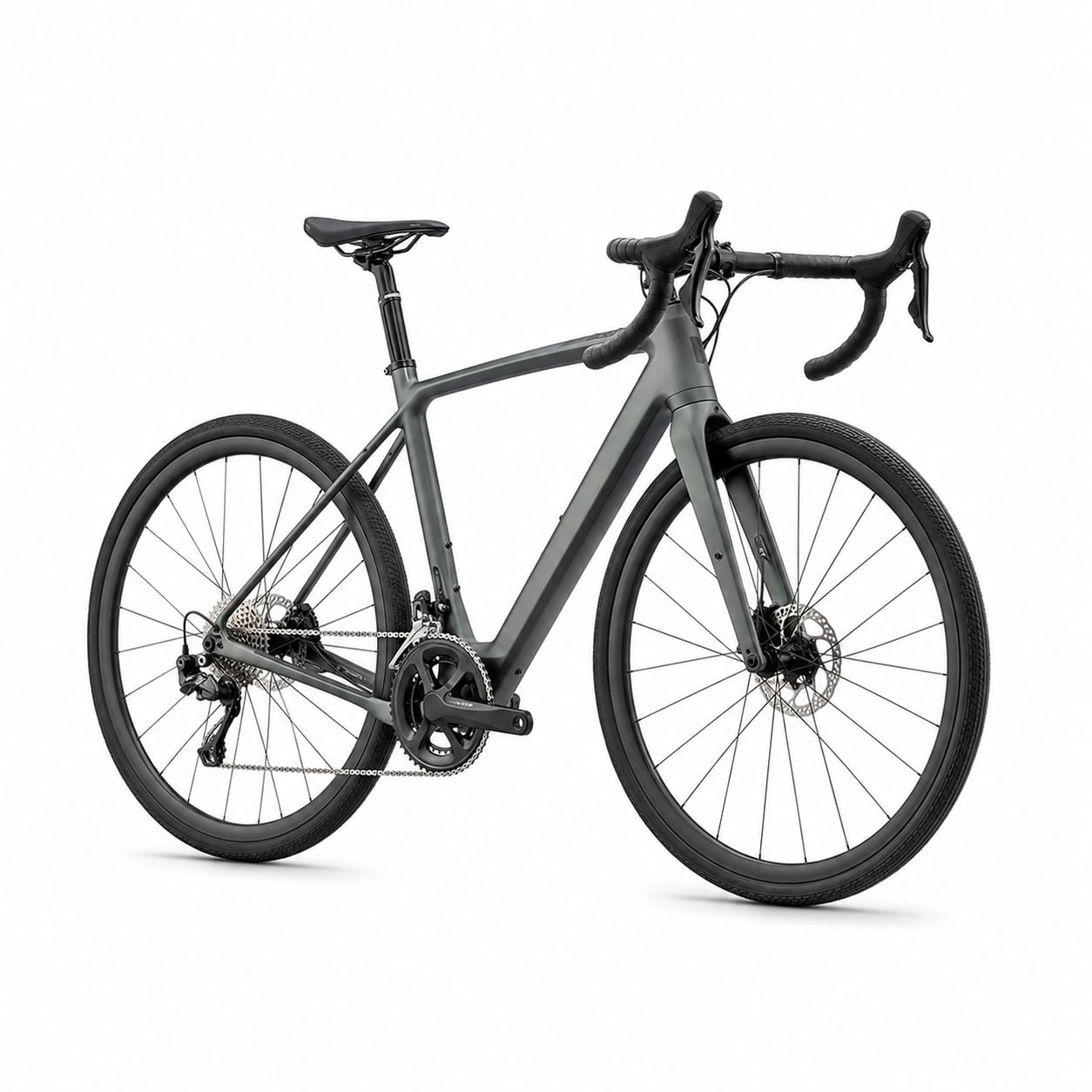
Endurance Road Bike
$800 – $12000
Comfort-oriented road bikes designed for long-distance riding with relaxed geometry and compliance features.
Relaxed geometry with higher stackFrame compliance featuresWider tire clearance (28-35mm)
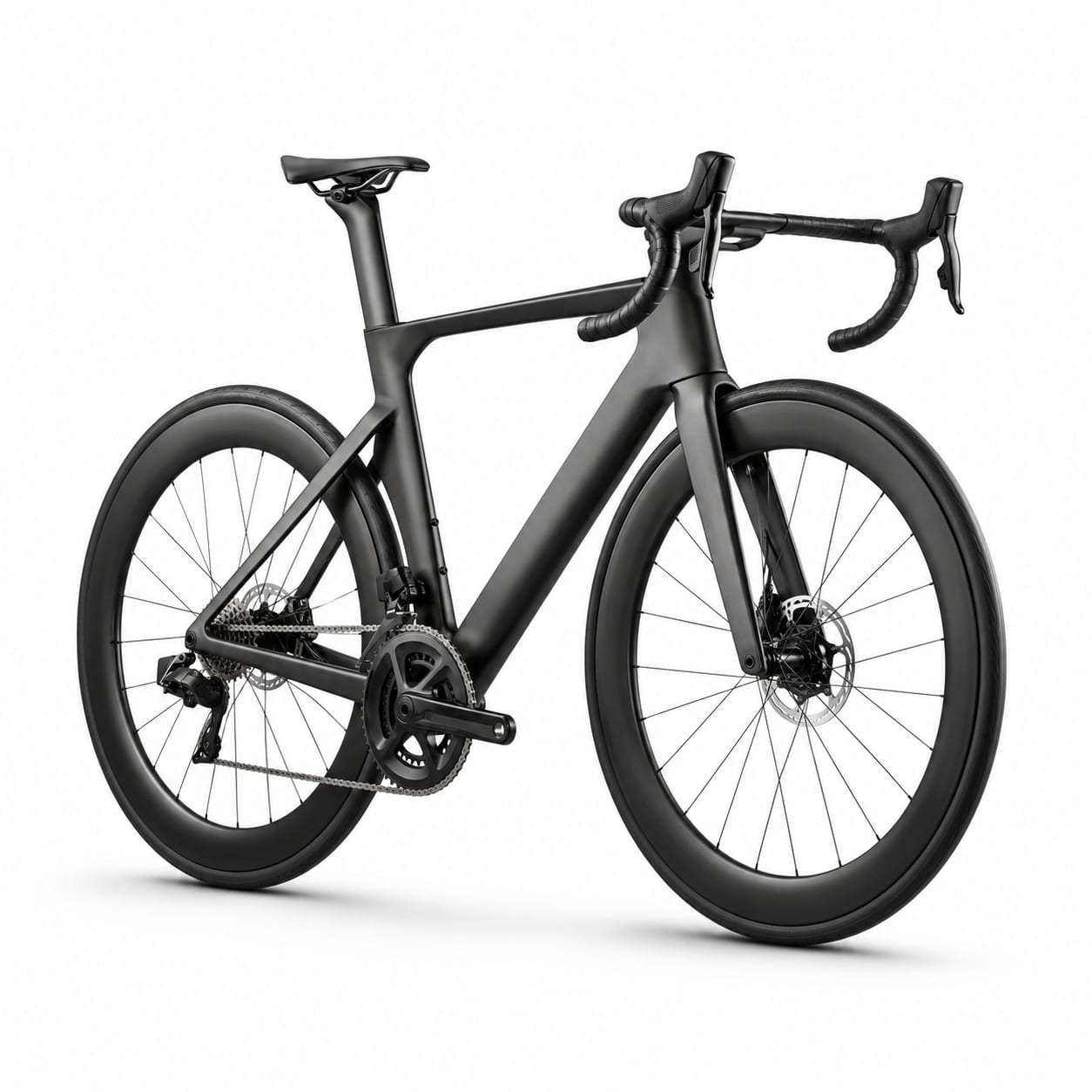
Aero Road Bike
$1500 – $15000
Speed-focused road bikes with aerodynamic frame shapes and integrated components for maximum velocity.
Aerodynamic tube profilesIntegrated componentsAggressive geometry
More questions
- Can I use a climbing bike for flat criteriums and sprinting?
- Is the UCI 6.8 kg weight limit relevant for non-racers?
- Should I choose rim brakes or disc brakes on a climbing bike?
- What gearing should I choose for a climbing bike?