Kitvore.com

Kitvore.com

Specs that matter. Gear that fits.

Road Bike · Subcategory

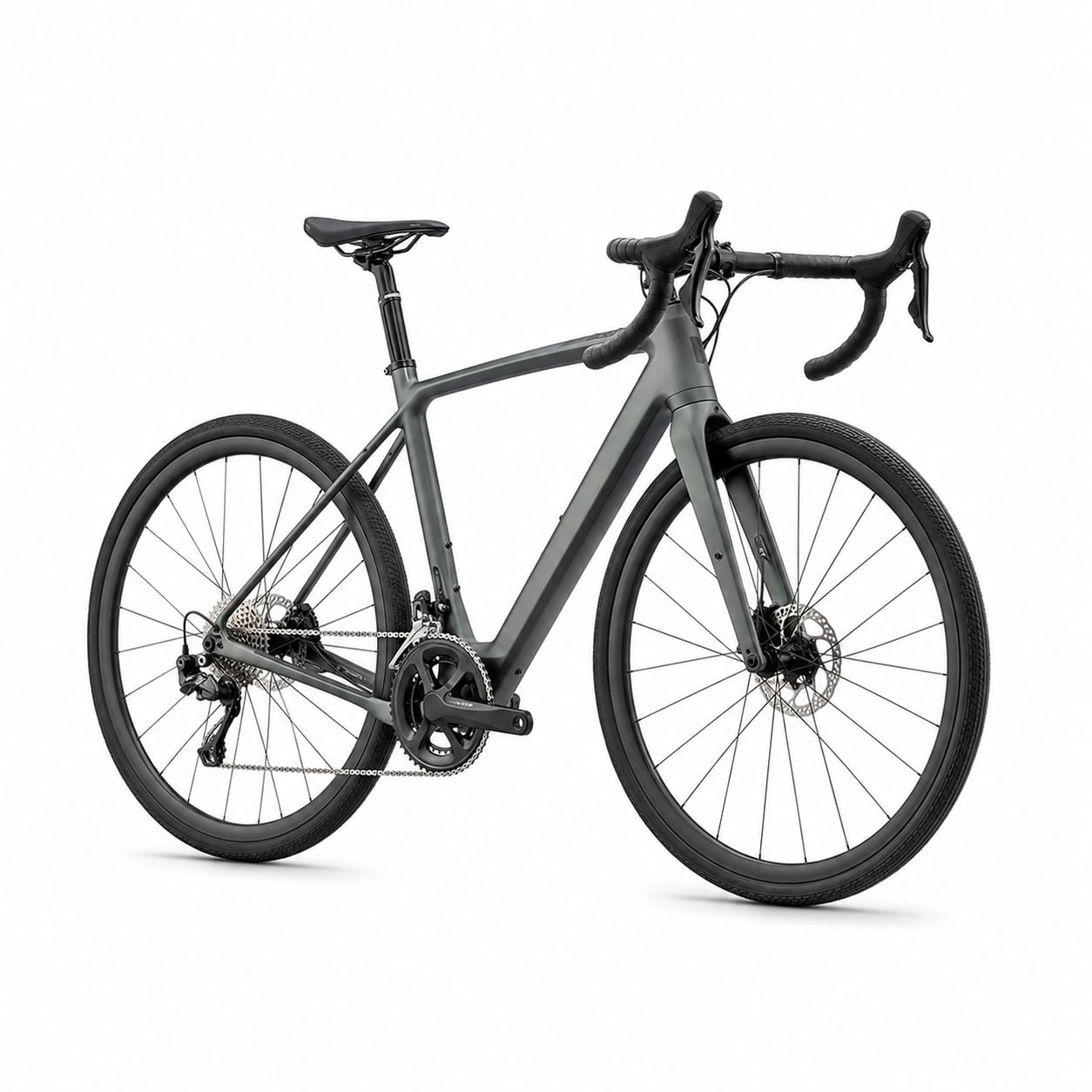
Endurance Road Bike

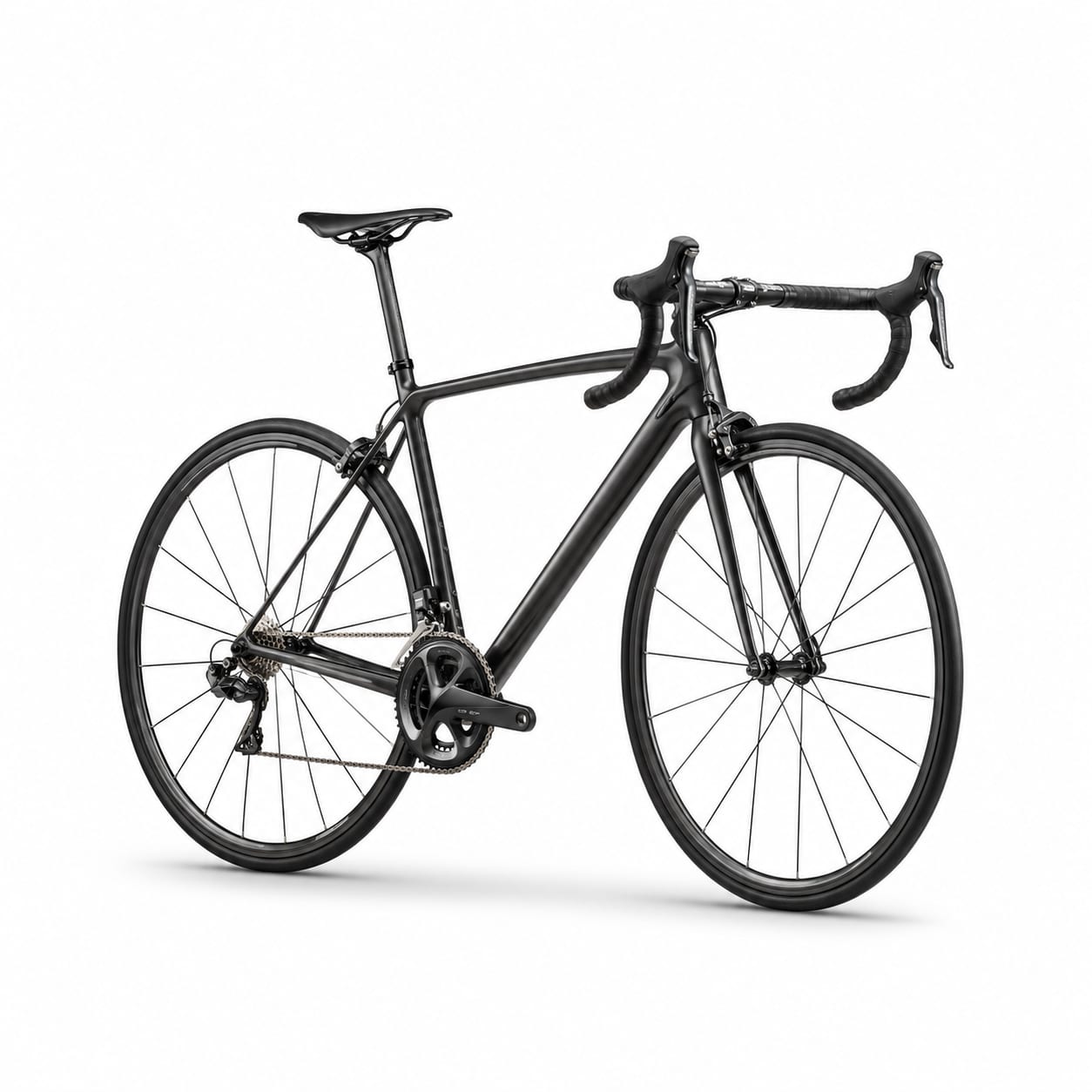
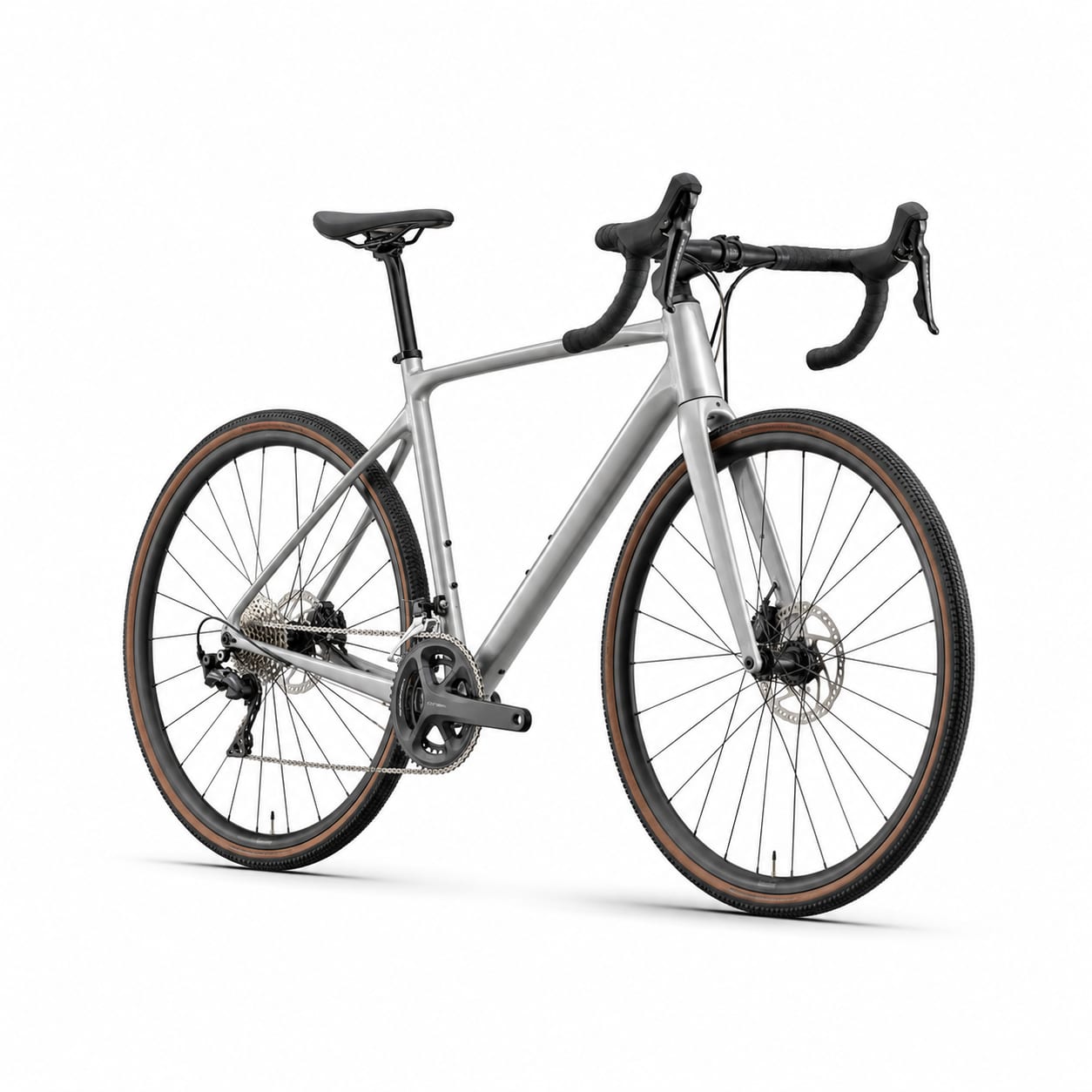
A road bike designed for long-distance comfort, stability, and confidence without sacrificing road performance.

Endurance road bikes are built for riders who want to go far and feel good doing it. With relaxed geometry, wider tire clearance, and compliance-focused engineering, they smooth out rough roads and reduce fatigue on long rides while still delivering snappy, responsive handling for spirited group rides and gran fondos.

$800 – $12000mid tierbeginnerintermediateadvanced

Best known for

Long-distance comfort and reduced rider fatigueConfidence-inspiring stability on descents and rough roadsGenerous tire clearance for versatility across surfacesAccessible geometry that accommodates a wide range of flexibility levels
Endurance Road Bike

Guide

Detailed overview

Endurance road bikes occupy the sweet spot between race-oriented aggression and all-road versatility. They feature a taller stack and shorter reach than race bikes, placing the rider in a more upright position that reduces strain on the neck, shoulders, and lower back during multi-hour rides. Frame engineers prioritize compliance through tube shaping, seatpost design, and carbon layup tuning to absorb road vibration without sacrificing pedaling efficiency. Modern endurance bikes typically accept tires up to 32–35mm wide, enabling lower pressures that dramatically improve comfort and grip on imperfect pavement. Disc brakes are standard, providing consistent stopping power in all conditions and allowing the frame and fork to accommodate wider rubber. While slightly heavier and less aerodynamic than pure race machines, endurance bikes deliver comparable real-world speed for most riders because comfort enables sustained power output over long distances.

The endurance road bike category emerged from a simple realization: most road cyclists are not professional racers, and even professionals spend most of their training hours on bikes designed for comfort rather than marginal aerodynamic gains. The category was pioneered in the early 2010s by models like the Trek Domane and Specialized Roubaix, which proved that a road bike could be both comfortable and fast. Today, endurance geometry is the best-selling road bike configuration worldwide, and many manufacturers lead their road lineups with endurance models.

Geometry is the defining characteristic. Endurance bikes typically feature a stack-to-reach ratio of 1.45 to 1.55, compared to 1.30 to 1.42 for race bikes. This translates to a handlebar position roughly 20–40mm higher and 10–20mm closer to the saddle than an equivalent race frame. The result is a riding position that opens the hip angle, reduces pressure on the hands, and allows the rider to look further down the road with less neck strain. Chainstays are often 5–15mm longer than race bikes, contributing to a more stable, predictable feel at speed and on descents.

Compliance engineering has become increasingly sophisticated. Early endurance bikes simply used thinner seatstays and a 27.2mm seatpost to add flex. Modern designs incorporate IsoSpeed decouplers, Future Shock suspensions, dropped seatstays, and tuned carbon layups that allow the seat tube to flex vertically while maintaining lateral stiffness for power transfer. These systems are not gimmicks — independent testing confirms measurable reductions in vibration transmission and rider fatigue. Combined with wider tires run at lower pressures, today's endurance bikes deliver a ride quality that was unimaginable a decade ago.

Aerodynamics have not been ignored. The latest generation of endurance bikes incorporates semi-aero tube profiles, internal cable routing, and integrated cockpits that borrow from race bike development. The aero penalty versus a dedicated race bike is typically 5–10 watts at 40 km/h — noticeable for elite racers but negligible for most riders, especially when factoring in the power that can be sustained over longer durations thanks to improved comfort. Many endurance bikes are now faster in the real world than race bikes for all but the most flexible, powerful riders.

Versatility is a key advantage. With tire clearance up to 32–35mm, endurance bikes can handle rough chipseal, potholed urban roads, and even smooth gravel. This makes them ideal for riders who face variable road conditions or want a single bike for Sunday club rides, midweek training, and occasional gran fondos. Some riders even fit 650b wheels with 47mm tires for light bikepacking adventures, though an all-road or gravel bike is better suited for that purpose.

Quick facts

Primary purpose
Long-distance road riding with comfort and reduced fatigue
Popular brands
SpecializedTrekCanyonGiantBianchiCervélo
Typical terrain
Paved roadsRough chip sealLong-distance routes

What makes it different

Higher head tube for upright position; Longer wheelbase for stability; Vibration-damping seatposts or frame inserts; Lower bottom bracket for confident handling

Recommended ranges

How this type usually specs out

Each spec is explained in plain language, then we show what buyers usually look for on this type.

Bike Type / Category

Road Bike Category

What it means

The intended use-case and design philosophy of the road bike, which determines its geometry, tube shapes, and component selection.

Typical for this type

Endurance

In practice

Endurance road bikes are defined by their category classification, which dictates the relaxed geometry, compliance features, and wider tire clearance that distinguish them from race and all-road alternatives.

Compared to other types

Unlike aero/race bikes that prioritize low drag and aggressive positioning, or all-road bikes that add gravel capability, endurance bikes focus specifically on road riding comfort over extended distances.

Why it matters: The endurance category ensures the bike is purpose-built for long-distance comfort and stability rather than sprint efficiency or mixed-surface versatility.

Frame Material

Frame Material

What it means

The primary material used in frame construction, which determines weight, stiffness, ride quality, durability, and cost.

Typical for this type

Carbon Fiber Or Aluminum

In practice

Carbon fiber dominates endurance road bikes because its layup can be tuned for compliance in the seat tube and stays while maintaining stiffness in the bottom bracket and head tube. Aluminum is common at lower price points and delivers excellent value with slightly harsher ride quality.

Compared to other types

Endurance bikes benefit more from carbon's compliance tuning than race bikes, where stiffness is paramount. Titanium is popular in endurance for its smooth ride and durability, more so than in race categories.

Why it matters: Carbon fiber's tunability is especially valuable in endurance bikes where targeted compliance zones make a measurable comfort difference. Aluminum remains a strong choice for budget-conscious riders who still want endurance geometry.

Frame Size

Frame Size

What it means

The nominal size designation of the frame, typically based on seat tube length or a general sizing system, which determines overall bike fit.

Typical for this type

44–64 cm (select based on height and inseam)

Most common pick: 54 cm

In practice

Endurance bikes follow standard sizing conventions, but their taller stack means riders may size down slightly compared to race bikes if they want a more performance-oriented position within the endurance spectrum.

Compared to other types

Sizing principles are similar across road bike categories, but endurance bikes' taller stack means a given nominal size fits differently in terms of handlebar height compared to race bikes.

Why it matters: Proper frame size is the foundation of comfort, which is the primary reason for choosing an endurance bike. An incorrectly sized endurance bike negates its core advantage.

Stack

Stack Height

What it means

The vertical distance from the center of the bottom bracket to the top of the head tube. Determines how upright or low the rider sits on the bike.

Typical for this type

540–590 mm depending on frame size

Most common pick: 560 mm (size 54)

In practice

Endurance bikes feature stack heights approximately 15–30mm taller than race bikes in the same nominal size, creating a more upright riding position that reduces upper body strain.

Compared to other types

Race bikes typically measure 520–550mm stack in a size 54, while endurance bikes range 550–575mm. All-road bikes are similar to endurance but may vary based on intended use.

Why it matters: Stack is the primary geometry number that determines how upright or aggressive your position will be. Higher stack directly translates to less neck, shoulder, and lower back fatigue on long rides.

Reach

Reach

What it means

The horizontal distance from the center of the bottom bracket to the top of the head tube. Determines how stretched out the rider is on the bike.

Typical for this type

365–390 mm depending on frame size

Most common pick: 375 mm (size 54)

In practice

Endurance bikes have slightly shorter reach than race bikes, reducing the stretch to the handlebars and creating a more relaxed, sustainable position for long days in the saddle.

Compared to other types

Race bikes in size 54 typically have 375–385mm reach. Endurance bikes tend to be 5–15mm shorter, which may not sound like much but creates a noticeably more comfortable position over long distances.

Why it matters: Reach determines how far you lean forward. Shorter reach reduces core and arm fatigue, which is critical for 4+ hour rides. It is harder to adjust than stack, so getting it close from the start is important.

Stack/Reach Ratio

Stack-to-Reach Ratio

What it means

The ratio of stack height to reach, indicating the overall riding position character independent of frame size. Higher ratios indicate more upright, endurance-oriented geometry.

Typical for this type

1.45–1.55

Most common pick: 1.49

In practice

The stack-to-reach ratio of 1.45–1.55 is the defining geometry range for endurance road bikes, indicating a position that is upright enough for comfort while still aerodynamic enough for efficient road riding.

Compared to other types

Aero/race bikes range 1.30–1.42. All-road bikes overlap with endurance at 1.45–1.55 but can go higher. Ratios above 1.55 indicate a very upright position more suited to long-distance touring.

Why it matters: This ratio is the single best metric for comparing fit character across brands and sizes. It captures the balance of stack and reach in one number, making it easy to determine if a bike is truly endurance-oriented.

Weight

Complete Bike Weight

What it means

The total weight of the complete bicycle without pedals, bottles, or accessories. Affects climbing speed, acceleration, and handling.

Typical for this type

7.5–8.8 kg

Most common pick: 8.0 kg

In practice

Endurance bikes typically weigh 200–500g more than equivalent race bikes due to compliance features, wider tires, and disc brake systems. High-end carbon models can approach 7.5 kg, while aluminum builds with heavier components may reach 8.8 kg.

Compared to other types

Race bikes range 6.8–7.5 kg. All-road bikes are similar to endurance at 7.8–9.0 kg. The weight difference is most noticeable on steep climbs above 8% gradient.

Why it matters: Weight affects climbing speed and acceleration, but on long flat and rolling rides where endurance bikes excel, aerodynamics and comfort matter more. The slight weight penalty is a worthwhile trade for most riders.

Groupset / Drivetrain Level

Groupset Tier

What it means

The tier and brand of the drivetrain component group, which determines shifting performance, weight, durability, and features like electronic shifting.

Typical for this type

Shimano 105 Or Sram Rival Minimum; Shimano Ultegra Or Sram Force For Performance-Oriented Riders

In practice

Shimano 105 is the most common groupset on endurance road bikes, offering 12-speed shifting with near-pro-level performance at an accessible price. SRAM Rival eTap AXS is increasingly popular for its wireless electronic shifting at a competitive price point.

Compared to other types

Endurance bikes are commonly specced with 105 or Rival, while race bikes more frequently feature Ultegra, Force, or Dura-Ace. The performance gap between 105 and Ultegra is small, making 105 the smart value choice for endurance.

Why it matters: The groupset determines shifting quality, gear range, and long-term reliability. For endurance riding, smooth shifting and appropriate gear ratios for climbing are more important than marginal weight savings from premium groupsets.

Speed / Number of Gears

Number of Gears

What it means

The total number of gear combinations available, determined by the number of chainrings multiplied by the number of cassette sprockets.

Typical for this type

2x12 preferred; 2x11 acceptable

In practice

The 2×12 drivetrain is the current standard for endurance road bikes, providing tight gear steps for maintaining optimal cadence on varied terrain. Some endurance models offer compact chainring combinations (50/34) with wide-range cassettes (11-34T) for easier climbing.

Compared to other types

Endurance bikes more commonly use compact chainrings (50/34) compared to semi-compact (52/36) or standard (53/39) on race bikes. Some all-road models offer 1×12 for simplicity.

Why it matters: Endurance riders frequently face long climbs and varied terrain. A 2×12 setup with compact gearing ensures you have low enough gears for sustained climbing without spinning out on descents.

Brake Type

Brake Type

What it means

The braking system type, which affects stopping power, modulation, tire clearance, weight, and maintenance requirements.

Typical for this type

Hydraulic Disc

In practice

Hydraulic disc brakes are standard on virtually all modern endurance road bikes. They provide consistent stopping power in wet and dry conditions, superior modulation for speed control on descents, and enable the frame clearance needed for wider tires.

Compared to other types

Race bikes are also predominantly disc brake now, but some weight-obsessed builds still use rim brakes. All-road bikes are exclusively disc brake. For endurance, disc brakes are non-negotiable for safety and versatility.

Why it matters: Endurance riders frequently encounter variable weather on long rides and benefit from the confidence and control of hydraulic disc brakes. Wider tires at lower pressures also require disc brakes for adequate clearance.

Max Tire Width

Maximum Tire Clearance

What it means

The widest tire the frame and fork can accommodate, which determines versatility for different road surfaces and conditions.

Typical for this type

32–35 mm

Most common pick: 32 mm

In practice

Modern endurance road bikes typically accommodate tires up to 32–35mm wide, with some models accepting 38mm. This allows riders to run 28mm tires for fast road days or 32–35mm for rough roads and added comfort.

Compared to other types

Race bikes typically max out at 28–30mm. All-road bikes accept 35–40mm+. Endurance bikes sit in the middle, providing enough clearance for comfort without the weight and aero penalties of gravel-oriented frames.

Why it matters: Tire clearance is one of the most important features on an endurance bike. Wider tires at lower pressures are faster on real roads due to reduced vibration losses, and they dramatically improve comfort and grip. More clearance equals more versatility.

Wheel Size

Wheel Size

What it means

The nominal diameter of the wheels; determines tire availability, ride characteristics, and geometry constraints.

Typical for this type

700c

In practice

700c is the universal wheel size for endurance road bikes, providing the best tire availability, rolling efficiency, and compatibility with standard road wheelsets.

Compared to other types

All road bike categories use 700c as standard. Only some all-road and gravel bikes offer 650b as an alternative for very wide tire setups. Endurance bikes have no reason to deviate from 700c.

Why it matters: 700c wheels offer the widest selection of tires and wheelsets at every price point. This ensures easy upgrades and replacements throughout the bike's life.

Head Tube Angle

Head Tube Angle

What it means

The angle of the head tube relative to horizontal; affects steering speed, stability, and front-end feel.

Typical for this type

72.0–73.0 degrees

Most common pick: 72.5 degrees

In practice

Endurance bikes feature slightly slacker head tube angles than race bikes, contributing to more stable, predictable steering that inspires confidence on long descents and rough roads.

Compared to other types

Race bikes typically use 73–74° for quick handling. Endurance bikes at 72–73° trade a small amount of responsiveness for noticeably more stability. All-road bikes may go as slack as 71.5°.

Why it matters: Head tube angle influences how quickly the bike responds to steering input. A slightly slacker angle provides the stability endurance riders value on fast descents and fatigued handling, without feeling sluggish.

Chainstay Length

Chainstay Length

What it means

The distance from the bottom bracket center to the rear axle; affects rear-end compliance, traction, and wheelbase.

Typical for this type

410–420 mm

Most common pick: 415 mm

In practice

Endurance bikes have chainstays 5–10mm longer than race bikes, which increases wheelbase for stability at speed and provides more rear-end compliance through increased tube length.

Compared to other types

Race bikes use 405–410mm chainstays for snappy acceleration. Endurance bikes at 410–420mm prioritize stability and compliance. All-road bikes may reach 420–425mm for maximum tire clearance.

Why it matters: Longer chainstays contribute to the confident, stable feel that defines endurance bikes. They also allow wider tire clearance and improve traction on rough roads by keeping the rear wheel planted.

BB Drop

Bottom Bracket Drop

What it means

The vertical distance the bottom bracket sits below the wheel axle line; affects cornering clearance and center of gravity.

Typical for this type

70–73 mm

Most common pick: 72 mm

In practice

Endurance bikes typically have a slightly higher BB drop (lower center of gravity) than some race bikes, enhancing stability. The range of 70–73mm balances confident cornering clearance with a planted feel.

Compared to other types

Race bikes may use 68–72mm for pedal clearance in criteriums. Endurance bikes at 70–73mm prioritize stability. The difference is subtle but contributes to the overall confidence-inspiring character.

Why it matters: BB drop affects how the bike feels in corners and at speed. A lower center of gravity from higher drop values enhances the stable, planted feel that endurance riders appreciate on long descents.

Aero Optimization

Aerodynamic Features

What it means

The degree and type of aerodynamic optimization in the frame and component design, which affects high-speed efficiency.

Typical for this type

Semi Aero

In practice

Most modern endurance bikes incorporate semi-aero design with truncated airfoil tube profiles, internal cable routing, and moderate integration. This provides meaningful aero benefits without the weight penalty or serviceability issues of full aero designs.

Compared to other types

Aero race bikes use full integration for maximum drag reduction. Climbing bikes use minimal aero features to save weight. Endurance bikes' semi-aero approach is the most practical for real-world riding at varied speeds.

Why it matters: Semi-aero design offers the best balance for endurance riding: enough aerodynamic optimization to be efficient on flat and rolling terrain, without sacrificing comfort, weight, or the ability to adjust fit and service components.

Seatpost Type

Seatpost Type

What it means

The seatpost design and integration level, which affects ride comfort, adjustability, and weight.

Typical for this type

Compliance Post Or Standard Round (27.2mm)

In practice

Endurance bikes frequently feature compliance-focused seatposts with built-in flex mechanisms or damping systems designed to absorb road vibration. Standard 27.2mm round posts are also common and offer natural compliance through their narrower diameter.

Compared to other types

Race bikes use integrated aero posts for drag reduction. All-road bikes may use compliance posts or standard round posts. Endurance bikes are the category most likely to feature purpose-built compliance seatposts as a core design element.

Why it matters: The seatpost is a primary comfort interface between bike and rider. Compliance posts and narrow-diameter round posts measurably reduce vibration transmission to the saddle, reducing fatigue on long rides.

Evaluation

Strengths and trade-offs

Pros

What this type does best

Superior long-distance comfort

Critical

Relaxed geometry, compliance engineering, and wider tire clearance dramatically reduce fatigue on rides over 3 hours, enabling stronger performances in gran fondos and century rides.

Confidence-inspiring handling

High

Slacker head angles, longer wheelbase, and lower center of gravity create a stable, predictable feel on descents and rough roads that allows riders to relax and enjoy the ride.

Versatile tire clearance

High

Ability to run 28–35mm tires means you can optimize for speed on smooth days or comfort and grip on rough roads, making one bike suitable for a wide range of conditions.

Accessible riding position

High

Taller stack and shorter reach accommodate riders with limited flexibility, past injuries, or simply those who prefer a more sustainable position for long days in the saddle.

Real-world speed for most riders

High

The comfort advantage translates to sustained power output over long distances, meaning endurance bikes are often faster than race bikes for riders who cannot maintain an aggressive position for hours.

All-weather braking performance

Medium

Standard hydraulic disc brakes provide consistent stopping power in rain and on wet descents, critical for long rides where weather conditions can change unexpectedly.

Wide gear range options

Medium

Endurance bikes commonly come with compact chainrings and wide-range cassettes, providing the low gears needed for sustained climbing when fatigued on long rides.

Cons

Trade-offs to be aware of

Higher weight than race bikes

Minor

Compliance features, wider tires, and disc brake systems add 200–500g compared to equivalent race models, which is noticeable on steep climbs and during accelerations.

Less aerodynamic than aero race bikes

Moderate

The more upright position and less aggressive tube shaping result in a 5–15 watt aerodynamic penalty at 40 km/h compared to dedicated aero bikes, which matters for fast flat riding and sprinting.

Less responsive handling than race bikes

Minor

The longer wheelbase and slacker angles that provide stability also reduce the sharp, responsive feel that some riders prefer for criteriums, technical descents, or aggressive group riding.

Not ideal for mixed-surface riding beyond smooth gravel

Moderate

While tire clearance is generous for a road bike, endurance bikes lack the geometry, tire volume, and mounting points for serious gravel or dirt road riding.

Some compliance systems add complexity and cost

Minor

Proprietary compliance seatposts, decouplers, and suspension systems can be expensive to replace, may limit saddle adjustment, and add potential failure points compared to simple frame designs.

Best for

Surfaces & terrain

Paved roads with variable surface qualityRolling hills and moderate climbsLong alpine descentsChipseal and rough country roadsUrban roads with potholes and repairs

Riding conditions

Variable road surfacesLong rides in changing weatherWet conditions (with disc brakes and wider tires)Fatigued riding on long routes

Skill level

IntermediateAdvancedBeginner (with proper bike fit)

Riding discipline

Gran fondo and sportive participationCentury rides and long-distance trainingGroup rides at moderate to fast paceAll-day recreational ridingTouring on paved roads

Rider profile

Riders with limited flexibility who want road performanceGran fondo participants prioritizing comfort over marginal aero gainsOlder riders seeking a sustainable, enjoyable road positionRiders recovering from injuries who need a less aggressive postureRiders who face mixed road conditions on regular routesFirst-time road bike buyers wanting a confidence-inspiring platform

Not ideal for

Reasons

Too heavy and upright for competitive sprinting and criteriums where acceleration and aero position are criticalInsufficient tire clearance and mounting points for serious gravel or bikepacking useHandling is too stable for riders who prefer razor-sharp race bike responsivenessAero penalty is significant for riders consistently averaging above 35 km/h in flat events

Surfaces & terrain

Deep gravel or dirt roadsTechnical singletrackSteep, loose-surface climbs

Riding discipline

Criterium racingSprint-focused competitionTime trialingBikepacking on unpaved routes

Compare

How it stacks up

This page

Endurance Road Bike

Dramatically more comfortable on long rides, more stable handling on descents, wider tire clearance for rough roads, and a position that most riders can sustain for hours without pain.

Alternative

Aero / Race Road Bike

Lower aerodynamic drag saves 10–20 watts at high speeds, sharper handling for criteriums and technical riding, and lighter weight for climbing and acceleration.

Bottom line

Choose endurance unless you regularly race criteriums, have the flexibility for an aggressive position, and ride primarily on smooth roads. Most riders are faster overall on an endurance bike because they can maintain power longer.

This page

Endurance Road Bike

More comfortable on rough roads and long descents, wider tire clearance, more stable handling, and a position that reduces fatigue on long days with multiple climbs.

Alternative

Climbing / Lightweight Road Bike

200–500g lighter for faster climbing, more responsive acceleration, and a more direct connection to the road through stiffer, lighter frame construction.

Bottom line

Choose endurance unless you live in a mountainous area and prioritize climbing speed above all else. The weight difference is small and the comfort advantage is large, especially on descents and rough approaches to climbs.

This page

Endurance Road Bike

Lighter weight, faster on pavement, more responsive handling, and better aerodynamics. Endurance bikes are optimized for road riding first, whereas all-road bikes make compromises for gravel capability.

Alternative

All-Road Bike

Wider tire clearance (35–40mm+), more mounting points for accessories, and geometry better suited for mixed-surface riding including smooth gravel and dirt roads.

Bottom line

Choose endurance if you ride primarily on pavement with occasional rough sections. Choose all-road if you regularly ride gravel or want one bike for both paved and unpaved adventures.

This page

Endurance Road Bike

Legal and safe for group riding, dramatically more comfortable, easier to handle, and versatile for all types of road riding rather than just solo efforts.

Alternative

Triathlon / TT Bike

Far more aerodynamic with aerobar integration, saving 30–50 watts at race speeds. Steep seat tube angle optimizes the triathlon run off the bike.

Bottom line

These are fundamentally different tools. Choose endurance for any group riding, training, or recreational road cycling. Choose a TT/triathlon bike only if you compete in triathlons or time trials and need a dedicated race machine.

Shopping

Buying tips

  • 1

    Prioritize stack and reach numbers over nominal frame size when comparing endurance bikes across brands — these geometry values tell you the true fit character.

  • 2

    Look for tire clearance of at least 32mm. Even if you currently ride 28mm tires, the option to go wider is invaluable for rough roads and future-proofs your purchase.

  • 3

    Consider electronic shifting (Shimano 105 Di2 or SRAM Rival eTap AXS) if budget allows. The precise, effortless shifting reduces hand fatigue on long rides and is especially valuable when climbing while fatigued.

  • 4

    Test ride with the stock tire setup, then experiment with tire pressure. Many riders run tires 0.3–0.5 bar too high, negating the comfort advantage of wider rubber.

  • 5

    If between sizes on an endurance bike, the smaller frame with a slightly longer stem often provides a better balance of comfort and handling than a larger frame with a short stem.

  • 6

    Check the seatpost adjustment range on bikes with proprietary or compliance seatposts. Some designs limit saddle setback to a narrow range that may not work for your position.

  • 7

    Do not overlook aluminum endurance frames at the $1,500–$2,500 price point. Modern alloy frames with carbon forks and 105 groupsets offer outstanding value and performance.

  • 8

    Factor in the cost of a professional bike fit ($150–$300) into your budget. An endurance bike that fits perfectly will be dramatically more comfortable than one that is close but not quite right.

Care

Maintenance notes

  • Check and adjust tire pressure before every ride. Wider tires at lower pressures are more sensitive to small pressure changes than narrow tires at high pressures.
  • Inspect disc brake pads regularly, especially in wet conditions. Contaminated or worn pads lose stopping power quickly and should be replaced before the backing plate contacts the rotor.
  • Lubricate the chain every 200–300 km or after riding in wet conditions. A clean, lubricated chain shifts more smoothly and lasts significantly longer.
  • If your bike has a compliance seatpost with moving parts (IsoSpeed, CG-R, etc.), follow the manufacturer's torque specifications carefully. Over-tightening can damage the mechanism or reduce its effectiveness.
  • Check tire clearance periodically for debris, especially after riding on rough roads. Small stones or mud buildup between tire and frame can cause rubbing and damage.
  • Hydraulic disc brakes may require bleeding every 1–2 years depending on use. Spongy lever feel indicates air in the system and the need for a bleed.
  • Inspect carbon frame and fork for damage after any impact. Carbon damage is not always visible on the surface — if you hear a change in sound or feel a change in ride quality, have it professionally inspected.

Progression

Skill development path

Endurance road bikes are excellent platforms for skill development because their stable handling and comfortable position allow riders to focus on technique rather than fighting the bike. Beginners should start by mastering confident braking, smooth shifting under load, and basic cornering at moderate speeds. As comfort and confidence grow, progress to descending technique, riding in groups, and pacing strategies for long events. Intermediate riders can develop advanced skills like cornering at speed, riding in echelons, and gran fondo pacing. The bike's stable character means it will not punish minor mistakes, but it is responsive enough to reward improved technique with noticeably faster, smoother riding. Advanced riders may eventually want to explore their limits on a race bike, but many find that an endurance bike remains their preferred choice for the vast majority of riding.

FAQ

Common questions

Each question has a dedicated page with a full answer and links to the buying guide.

Is an endurance road bike slower than a race bike?

It depends on the rider and the terrain. On flat roads at high speeds, a race bike's lower aerodynamic drag provides a measurable advantage of 5–15 watts. However, most riders cannot maintain an aggressive race position for more than 1–2 hours without significant discomfort, which reduces power output. On real-world rides of 3+ hours, an endurance bike is often faster overall because the rider can sustain higher power for longer. On climbs, the weight difference of 200–500g is minimal — roughly 5–10 seconds on a 30-minute climb.

Can I race on an endurance road bike?

Absolutely. Many riders complete gran fondos, club races, and even criteriums on endurance bikes. The handling is stable rather than razor-sharp, which is a disadvantage in tight criterium corners but an advantage in mass-start events where predictability matters. If you are new to racing, an endurance bike is a fine starting point. As you gain experience and discover you need a more aggressive position or sharper handling, you can consider a race bike later.

What tire width should I run on my endurance bike?

For most riders on typical roads, 28mm tires at around 4.5–5.5 bar (65–80 psi) provide an excellent balance of speed, comfort, and grip. If your roads are particularly rough or you ride long distances, 30–32mm tires at 3.5–4.5 bar (50–65 psi) will be faster and more comfortable. Contrary to old assumptions, wider tires at lower pressures are faster on real roads because they absorb vibration rather than bouncing over it. Start at 28mm and experiment — you will likely find that wider is better.

Do I need electronic shifting on an endurance bike?

Electronic shifting is not strictly necessary, but it is a significant quality-of-life upgrade for endurance riding. Shifting under load while climbing is smoother and more reliable with electronic systems, and the reduced hand effort matters when you are fatigued on hour five of a long ride. Shimano 105 Di2 and SRAM Rival eTap AXS have made electronic shifting accessible at lower price points. If your budget allows, it is worth the investment. Mechanical 105 is still excellent if electronic is out of reach.