Kitvore.com

Kitvore.com

Specs that matter. Gear that fits.

Road Bike · Subcategory

Aero Road Bike

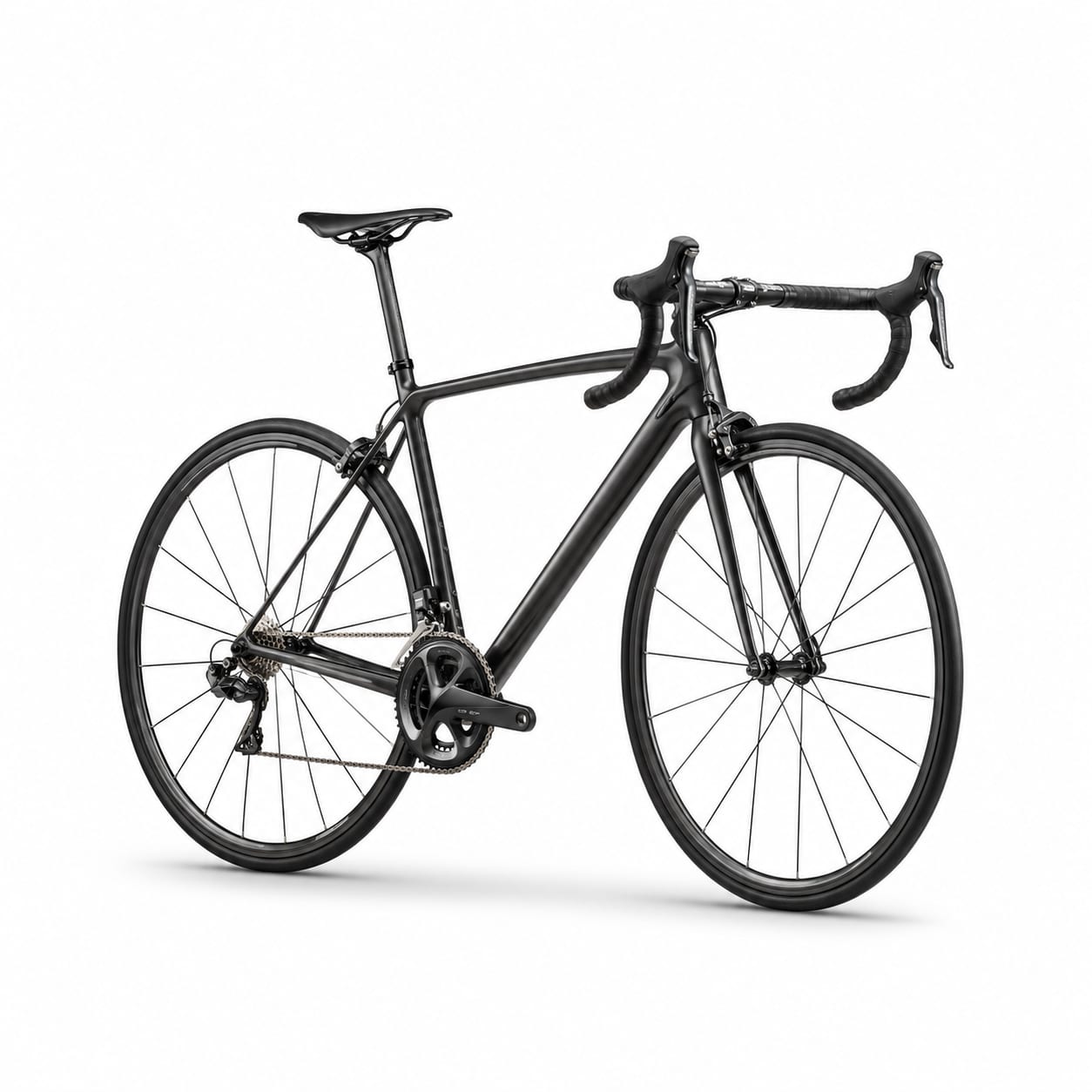
Speed-optimized road bike with deep airfoil tube profiles and full integration for maximum aerodynamic efficiency on flat and rolling terrain.

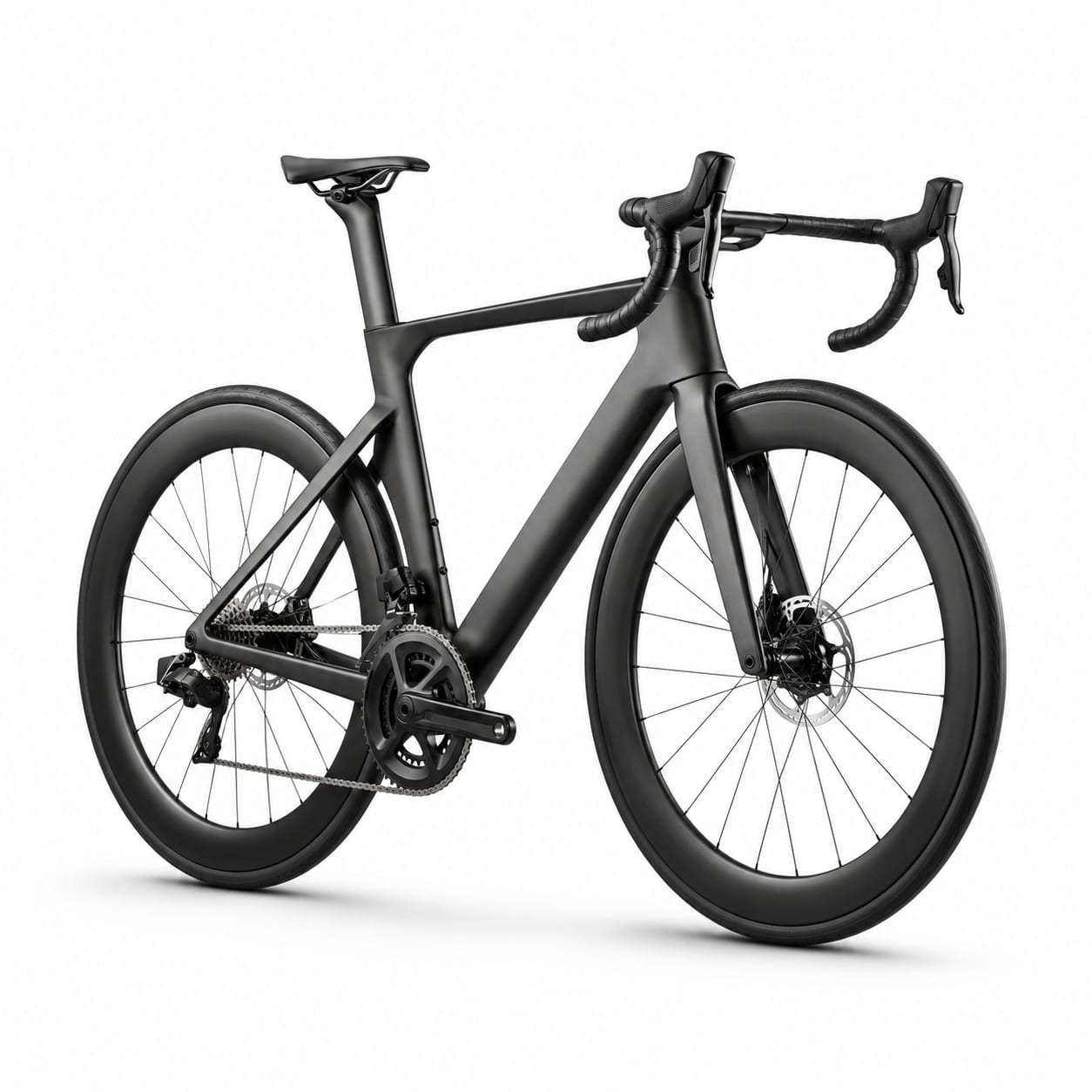
The aero road bike is purpose-built for riders who live for speed. With truncated airfoil tube shapes, fully integrated cockpits, hidden cable routing, and frame profiles sculpted in wind tunnels, these bikes save 15–25 watts at 40 km/h compared to conventional road frames. They excel in flat stage racing, criteriums, sprint finishes, and fast group rides where aerodynamic drag is the primary enemy. While they carry a weight penalty over climbing bikes and sacrifice some comfort, the free speed at high velocities makes them the weapon of choice for powerful riders who spend most of their time above 35 km/h.

$1500 – $15000premium tierintermediateadvancedexpert

Best known for

Maximum aerodynamic efficiency among road bike categoriesDeep, wind-tunnel-optimized tube profilesFully integrated cockpits and hidden cable routingSprint power transfer and high-speed stabilityDominant performance on flat and rolling terrain
Aero Road Bike

Guide

Detailed overview

Aero road bikes represent the pinnacle of aerodynamic optimization within the road bike category. Every frame tube, junction, and component interface is shaped to minimize drag, typically using truncated airfoil profiles (Kammtail shapes) that maintain aerodynamic performance across varying yaw angles while meeting structural requirements. These bikes feature aggressive, low-and-long geometry with stack-to-reach ratios typically between 1.30 and 1.38, placing the rider in a powerful, aerodynamic position. Full integration is the defining theme: cables route internally through the stem and head tube, seatpost clamps hide beneath the top tube or within the frame, and one-piece bar/stem combinations eliminate turbulent joints. The result is a bike that slices through the air with minimal resistance, saving significant wattage at racing speeds. This aero advantage comes with trade-offs: deeper tube profiles add 200–400 grams compared to equivalent climbing frames, integrated cockpits limit fit adjustability and complicate maintenance, and stiffer frame layouts transmit more road vibration. Modern aero road bikes have narrowed the comfort and weight gaps significantly, with many current models incorporating compliance features like dropped seatstays, thin seatposts, and strategic carbon layup tuning. Tire clearance has also improved, with most current aero frames accommodating 28–30mm tires, though they still lag behind endurance and all-road bikes in this regard.

Aero road bikes emerged from the understanding that aerodynamic drag accounts for 70–90% of the resistance a rider faces at speeds above 30 km/h. While early aero bikes were brutally stiff and uncomfortable, the category has matured dramatically. Today's aero road bikes blend wind-cheating efficiency with rideable comfort, making them viable all-day machines for strong riders.

The core technology revolves around tube shaping. Most aero frames use truncated airfoil profiles — essentially teardrop shapes with the tail cut flat — which preserve aerodynamic benefits across the range of wind angles encountered in real-world riding while maintaining structural integrity and keeping weight manageable. These Kammtail shapes are combined with smooth transitions at tube junctions, dropped seatstays that reduce the frontal area of the rear triangle, and integrated component systems that eliminate cable housing and joint gaps that create turbulence.

Geometry sets aero bikes apart from other road categories. The low stack and long reach position the rider horizontally to minimize their frontal area — the rider's body creates far more drag than the bike itself. Stack-to-reach ratios between 1.30 and 1.38 are typical, demanding flexibility and core strength but rewarding the rider with a position that maximizes both power output and aerodynamic efficiency. Head tube angles tend toward the steeper end (73–74°) for responsive steering in race situations, while chainstays are kept short (405–410mm) for snappy acceleration out of corners and during sprint efforts.

The weight penalty of aero frames has shrunk considerably. Current top-tier aero frames weigh 900–1100 grams, compared to 700–850 grams for dedicated climbing frames. Complete aero bikes typically land between 7.4 and 8.2 kg with pedals, well within competitive range. The real trade-off is integration: one-piece bar/stem systems look clean and save watts but limit handlebar width and stem length changes to proprietary replacements. Internal routing through the headset makes cable service a shop-level task rather than a home mechanic job. Proprietary seatposts offer aero shapes and sometimes built-in compliance but restrict saddle adjustment range and carry premium replacement costs.

For riders who race criteriums, compete in flat road races, ride fast group rides, or simply want maximum speed for their effort on rolling terrain, the aero road bike delivers measurable performance advantages. At 40 km/h, a well-designed aero setup can save 15–25 watts compared to a traditional round-tubed road bike — equivalent to months of training gains. The key is honest self-assessment: riders who spend most of their time below 30 km/h or who tackle mountainous terrain will see less benefit and may be better served by a climbing or endurance platform.

Quick facts

Primary purpose
Maximum speed on flat and rolling terrain through aerodynamic optimization
Popular brands
SpecializedCanyonCervéloPinarelloMeridaBMC
Typical terrain
Flat roadsRolling terrainCriterium circuits

What makes it different

Kammtail or airfoil tube shapes; Integrated bar/stem systems; Hidden cable routing; Deep section wheel compatibility

Recommended ranges

How this type usually specs out

Each spec is explained in plain language, then we show what buyers usually look for on this type.

Bike Type / Category

Road Bike Category

What it means

The intended use-case and design philosophy of the road bike, which determines its geometry, tube shapes, and component selection.

Typical for this type

Aero Race

In practice

Aero road bikes are defined by the aero_race category — optimized for flat and rolling terrain speed with deep tube profiles, aggressive geometry, and maximum stiffness.

Compared to other types

Aero race bikes prioritize aerodynamic efficiency above all else, unlike climbing bikes that minimize weight, endurance bikes that maximize comfort, or all-road bikes that optimize versatility.

Why it matters: This categorization determines the entire design philosophy of the bike, from tube shapes to geometry to component integration level.

Frame Material

Frame Material

What it means

The primary material used in frame construction, which determines weight, stiffness, ride quality, durability, and cost.

Typical for this type

Carbon Fiber

In practice

Carbon fiber is the dominant and essentially required material for aero road bikes. The complex airfoil tube shapes, internal routing channels, and integrated features are only practical to manufacture in carbon composite.

Compared to other types

While climbing and endurance bikes occasionally appear in aluminum or titanium, aero road bikes are virtually exclusively carbon fiber. The aero shaping demands simply cannot be met with round metal tubesets.

Why it matters: Carbon allows engineers to create the complex molded shapes needed for aerodynamic optimization while tuning stiffness and compliance through layup design. Metal tubes cannot replicate these profiles economically.

Frame Size

Frame Size

What it means

The nominal size designation of the frame, typically based on seat tube length or a general sizing system, which determines overall bike fit.

Typical for this type

48–60 cm

Most common pick: 54 cm

In practice

Aero road bikes follow standard road sizing from approximately 48 cm (XS) to 60 cm (XL), with 52–56 cm covering the majority of riders. Size offerings may be slightly limited at extremes due to the race-focused target market.

Compared to other types

Aero bikes may offer fewer size increments than endurance bikes, which tend to have more granular sizing to accommodate a wider range of riders. Very small and very large sizes may not be available in aero models.

Why it matters: Proper frame size is the foundation of bike fit. Aero bikes' aggressive geometry makes correct sizing even more critical — a frame too large cannot be adjusted down, and one too small may be unrideable with integrated cockpits.

Stack

Stack Height

What it means

The vertical distance from the center of the bottom bracket to the top of the head tube. Determines how upright or low the rider sits on the bike.

Typical for this type

490–545 mm

Most common pick: 520 mm (size 54)

In practice

Aero road bikes feature low stack heights to position the rider in an aerodynamic tuck. A typical 54 cm aero frame has stack around 515–525 mm, compared to 540–555 mm for an endurance frame in the same nominal size.

Compared to other types

Aero bikes have the lowest stack heights among road categories, typically 15–30 mm lower than endurance bikes and 5–10 mm lower than climbing race bikes in the same size.

Why it matters: Low stack is fundamental to the aero bike's purpose — getting the rider low reduces their frontal area, which is the single largest source of aerodynamic drag. However, it requires flexibility and core strength to maintain comfortably.

Reach

Reach

What it means

The horizontal distance from the center of the bottom bracket to the top of the head tube. Determines how stretched out the rider is on the bike.

Typical for this type

370–400 mm

Most common pick: 385 mm (size 54)

In practice

Aero road bikes tend toward longer reach values to stretch the rider out horizontally, creating a lower, more aerodynamic torso position. A 54 cm aero frame typically measures 380–390 mm in reach.

Compared to other types

Aero bikes have the longest reach relative to stack of any road category. Endurance bikes are typically 5–15 mm shorter in reach for the same nominal size, creating a more upright, compact position.

Why it matters: Longer reach contributes to the low, stretched riding position that maximizes aerodynamic efficiency. Combined with low stack, it creates the signature aero race position.

Stack/Reach Ratio

Stack-to-Reach Ratio

What it means

The ratio of stack height to reach, indicating the overall riding position character independent of frame size. Higher ratios indicate more upright, endurance-oriented geometry.

Typical for this type

1.30–1.38

Most common pick: 1.35

In practice

Aero road bikes have the lowest stack-to-reach ratios of any road bike category, typically between 1.30 and 1.38. This ratio quantifies the aggressive, low-and-long position that defines the category.

Compared to other types

Climbing race bikes typically range 1.35–1.42, endurance bikes 1.45–1.55, and all-road bikes 1.48–1.58. Aero bikes sit at the most aggressive end of the spectrum.

Why it matters: This is the single best metric for comparing the aggressiveness of bike fit across brands. A ratio below 1.38 demands significant flexibility and core strength to ride comfortably for extended periods.

Weight

Complete Bike Weight

What it means

The total weight of the complete bicycle without pedals, bottles, or accessories. Affects climbing speed, acceleration, and handling.

Typical for this type

7.4–8.5 kg

Most common pick: 7.8 kg

In practice

Aero road bikes typically weigh 7.4–8.5 kg complete, with the aero frame and integrated components adding 200–400 grams compared to equivalent climbing bikes. Top-tier builds can approach 7.2 kg, while mid-range builds with heavier wheels sit around 8.0–8.5 kg.

Compared to other types

Climbing bikes typically weigh 6.8–7.4 kg, endurance bikes 7.6–8.5 kg, and all-road bikes 8.0–9.5 kg. Aero bikes are heavier than climbing bikes but comparable to or lighter than endurance bikes.

Why it matters: The weight penalty is the primary trade-off for aerodynamic gains. On flat terrain, the aero advantage far outweighs the weight penalty. On climbs above 6–8% gradient, the extra weight becomes more significant.

Groupset / Drivetrain Level

Groupset Tier

What it means

The tier and brand of the drivetrain component group, which determines shifting performance, weight, durability, and features like electronic shifting.

Typical for this type

Shimano 105 Through Shimano Dura Ace, Or Sram Rival Through Sram Red

Most common pick: Shimano Ultegra

In practice

Aero road bikes are typically specced with mid-to-high-end groupsets. Shimano Ultegra Di2 and SRAM Force eTap AXS are the most common, with 105/Rival on entry-level aero models and Dura-Ace/Red on flagship builds.

Compared to other types

Aero bikes tend to be specced at higher groupset tiers than endurance bikes at similar price points, reflecting their race-oriented positioning. Entry-level aero bikes are less common than entry-level endurance models.

Why it matters: Electronic shifting is particularly valuable on aero bikes with integrated cockpits, where cable routing is internal and hydraulic or wireless actuation simplifies the design. The groupset tier also affects the overall value proposition significantly.

Speed / Number of Gears

Number of Gears

What it means

The total number of gear combinations available, determined by the number of chainrings multiplied by the number of cassette sprockets.

Typical for this type

2x12

In practice

All current-generation aero road bikes use 2×12 drivetrains. The tight gear steps of 12-speed cassettes allow riders to maintain optimal cadence at high speeds, which is critical for aero racing scenarios.

Compared to other types

2×12 is standard across all modern road categories. Aero bikes rarely use 1× setups due to the larger gear jumps and potential top-speed limitation for strong sprinters.

Why it matters: At racing speeds, small gear steps matter for maintaining cadence in aero position. 12-speed cassettes provide the fine increments needed, especially with compact or semi-compact chainring combinations common on aero builds.

Brake Type

Brake Type

What it means

The braking system type, which affects stopping power, modulation, tire clearance, weight, and maintenance requirements.

Typical for this type

Hydraulic Disc

In practice

Hydraulic disc brakes are now standard on virtually all aero road bikes. The disc brake format allows for wider tire clearance and full internal cable routing through the headset — both critical for aero optimization. Rim brake aero bikes are essentially extinct in current model lines.

Compared to other types

All modern road bike categories have transitioned to hydraulic disc brakes. Aero bikes were among the last to adopt discs due to early weight and aerodynamic concerns, but current disc brake aero designs test faster than their rim brake predecessors.

Why it matters: Hydraulic disc brakes provide consistent stopping power in all conditions, which is essential for high-speed racing. They also enable the fully integrated front ends that define modern aero bike design.

Max Tire Width

Maximum Tire Clearance

What it means

The widest tire the frame and fork can accommodate, which determines versatility for different road surfaces and conditions.

Typical for this type

28–30 mm

Most common pick: 28 mm

In practice

Most current aero road bikes accommodate 28–30 mm tires. Earlier generations were limited to 25 mm, but the industry has recognized that 28 mm tires are faster on real roads and the aero penalty is minimal when the tire integrates with the frame.

Compared to other types

Endurance bikes typically clear 32–35 mm, all-road bikes 35–40 mm, and climbing bikes 28–32 mm. Aero bikes have the tightest clearance, prioritizing aerodynamic frame profiles over tire versatility.

Why it matters: Tire clearance is the aero bike's versatility limit. 28 mm is the practical minimum for modern road riding, and 30 mm provides welcome comfort on rough roads without significant aero penalty. Wider clearance would require frame changes that compromise aero profiles.

Wheel Size

Wheel Size

What it means

The nominal diameter of the wheels; determines tire availability, ride characteristics, and geometry constraints.

Typical for this type

700c

In practice

All aero road bikes use 700c wheels. This is the universal standard for road cycling and provides the best tire selection, aerodynamic optimization, and compatibility with deep-section aero wheelsets.

Compared to other types

All road bike categories use 700c as the standard. Only some all-road bikes offer 650b as an alternative for very wide tire setups.

Why it matters: 700c is the only practical choice for aero road bikes. The ecosystem of aero-optimized wheelsets, tires, and components is entirely built around 700c. 650b has no relevance in this category.

Head Tube Angle

Head Tube Angle

What it means

The angle of the head tube relative to horizontal; affects steering speed, stability, and front-end feel.

Typical for this type

73.0–74.0°

Most common pick: 73.5°

In practice

Aero road bikes feature steep head tube angles, typically 73–74°, which produce quick, responsive steering suited to the rapid direction changes of criteriums and sprint lead-outs.

Compared to other types

Endurance bikes typically use 72–73° for more stable, relaxed handling. Climbing bikes are similar to aero bikes at 73–73.5°. Aero bikes tend toward the steepest angles in the road category.

Why it matters: Steep head angles contribute to the nimble, race-oriented handling that aero bikes are known for. Combined with short trail values, they create a front end that responds instantly to rider input at high speeds.

Chainstay Length

Chainstay Length

What it means

The distance from the bottom bracket center to the rear axle; affects rear-end compliance, traction, and wheelbase.

Typical for this type

405–410 mm

Most common pick: 408 mm

In practice

Aero road bikes have short chainstays, typically 405–410 mm, which create a compact rear triangle for snappy acceleration and agile handling. Disc brake mounts and tire clearance requirements sometimes push this to 410 mm.

Compared to other types

Endurance bikes typically run 410–420 mm chainstays for stability and compliance. All-road bikes may go to 420–425 mm for tire clearance. Aero bikes are at the short end of the spectrum alongside climbing race bikes.

Why it matters: Short chainstays deliver the explosive acceleration needed for sprinting and the quick handling required for criterium racing. They also contribute to the shorter wheelbase that characterizes race-oriented geometry.

BB Drop

Bottom Bracket Drop

What it means

The vertical distance the bottom bracket sits below the wheel axle line; affects cornering clearance and center of gravity.

Typical for this type

68–72 mm

Most common pick: 70 mm

In practice

Aero road bikes typically use 68–72 mm BB drop, balancing a low center of gravity for high-speed stability with adequate pedal clearance for aggressive cornering in criteriums.

Compared to other types

Most road categories use similar BB drop values (68–72 mm). Criterium-specific frames may use slightly less drop (65–68 mm) for cornering clearance, while endurance bikes may use slightly more (72–74 mm) for stability.

Why it matters: BB drop affects both stability at high speeds and pedal clearance in corners. Aero bikes need stability for 60+ km/h descents but also need clearance for criterium cornering. The 70 mm range is the proven compromise.

Aero Optimization

Aerodynamic Features

What it means

The degree and type of aerodynamic optimization in the frame and component design, which affects high-speed efficiency.

Typical for this type

Full Aero

In practice

Aero road bikes are defined by full aero integration: deep Kammtail tube profiles, fully internal cable routing through the headset, one-piece bar/stem combinations, hidden seatpost clamps, and component integration optimized in wind tunnels or CFD simulations.

Compared to other types

Climbing bikes use minimal aero features to save weight. Endurance bikes use semi-aero shaping for a balance of efficiency and comfort. All-road bikes have minimal aero optimization. Only triathlon/TT bikes exceed aero road bikes in aerodynamic integration.

Why it matters: Full aero integration is the entire point of this category. The combined effect of shaped tubes, hidden cables, and integrated components saves 15–25 watts at 40 km/h compared to traditional road bikes — a massive performance advantage.

Seatpost Type

Seatpost Type

What it means

The seatpost design and integration level, which affects ride comfort, adjustability, and weight.

Typical for this type

Integrated Aero

In practice

Aero road bikes almost universally use integrated aero seatposts with proprietary shapes that match the frame's airfoil profile. These posts feature hidden clamps (under the top tube or within the seat tube) and often include compliance features like a narrow profile or carbon flex zone.

Compared to other types

Climbing and endurance bikes typically use standard round posts for maximum adjustability and compliance. All-road bikes may use compliance posts. Aero bikes are unique in their near-universal use of proprietary integrated seatposts.

Why it matters: The integrated seatpost is a key part of the aero system, maintaining clean airflow over the seat cluster. Many designs incorporate compliance features to offset the harsh ride that aero frames can produce, such as thin post profiles or damping inserts.

Evaluation

Strengths and trade-offs

Pros

What this type does best

Significant aerodynamic advantage

Critical

Saves 15–25 watts at 40 km/h compared to traditional road bikes, which is equivalent to months of training gains. This is the largest single performance differentiator in the road bike category.

Exceptional sprint power transfer

High

Aero frames are among the stiffest in the bottom bracket and head tube areas, ensuring that sprint power goes directly to the rear wheel rather than being lost to frame flex.

High-speed stability

High

The low center of gravity and long wheelbase relative to stack create a planted, confident feel at speeds above 50 km/h, making aero bikes exceptionally stable in high-speed descents and sprint finishes.

Clean, purposeful aesthetics

Medium

Full integration creates a sleek, cohesive appearance with no exposed cables, visible clamps, or messy transitions. The visual language communicates speed and purpose.

Optimized for modern racing speeds

High

Every aspect of the bike — from geometry to component selection to tire clearance — is designed around the speeds and scenarios encountered in competitive road racing.

Improving comfort in current generations

Medium

Modern aero bikes incorporate compliance features like dropped seatstays, thin seatposts, and tuned carbon layups that have significantly narrowed the comfort gap with endurance bikes compared to earlier aero designs.

Cons

Trade-offs to be aware of

Weight penalty versus climbing bikes

Moderate

Aero frames and integrated components add 200–400 grams compared to equivalent climbing frames. This matters on steep climbs where the aero advantage diminishes and the weight penalty becomes significant.

Limited fit adjustability with integrated cockpits

Significant

One-piece bar/stem combinations restrict handlebar width and stem length changes to proprietary replacements. Changing fit requires ordering specific parts rather than swapping a standard stem, and options may be limited.

More complex and expensive maintenance

Moderate

Internal routing through the headset, proprietary seatposts, and integrated cockpits make routine service tasks more time-consuming and often require specialized tools. Cable replacement is a shop-level job on most aero bikes.

Tight tire clearance limits versatility

Moderate

Most aero bikes max out at 28–30 mm tire clearance, restricting comfort on rough roads and eliminating the option to run wider tires for gravel or very rough pavement. You cannot retrofit wider clearance.

Aggressive geometry demands flexibility

Significant

The low stack and long reach require significant hip flexibility, core strength, and hamstring mobility to ride comfortably. Riders with limited flexibility may experience neck pain, hand numbness, or lower back discomfort.

Premium pricing

Minor

Aero road bikes command higher prices than comparable endurance or climbing models due to the complex frame molds, proprietary components, and integration engineering. Replacement parts for integrated systems are also more expensive.

Best for

Surfaces & terrain

Flat roadsRolling terrainSmooth pavementCriterium circuitsCoastal and valley roads

Riding conditions

Dry pavementCalm to moderate windWarm weather racingSmooth road surfaces

Skill level

AdvancedExpertProfessional

Riding discipline

Road racingCriterium racingSprint trainingFast group ridesTime trial preparationBreakaway efforts

Rider profile

Sprinters seeking maximum top-end speedPowerful riders who generate high wattage on flatsRacers competing in flat and rolling stage racesCriterium specialists needing acceleration and cornering agilityPerformance-focused riders who prioritize speed above comfortRiders with good flexibility who can maintain an aggressive position

Not ideal for

Reasons

Aggressive geometry is uncomfortable for riders with limited flexibilityTight tire clearance cannot handle rough or unpaved surfacesWeight penalty reduces climbing performance on steep gradientsIntegration complicates maintenance for riders who service their own bikesAero benefits are minimal at speeds below 30 km/h where most casual riders operatePremium pricing is difficult to justify for non-competitive riding

Surfaces & terrain

Steep mountain climbsRough chip-seal roadsGravel or dirt roadsVery technical descents requiring upright positioning

Skill level

BeginnerNovice

Riding discipline

Long-distance touringBikepackingGravel ridingLeisurely group ridesHill climb events

Compare

How it stacks up

This page

Aero Road Bike

Saves 15–25 watts at 40 km/h through superior aerodynamics; stiffer chassis for sprint power transfer; more stable at high speeds; better suited for flat and rolling race courses.

Alternative

Climbing / Lightweight Road Bike

200–400 grams lighter for superior climbing acceleration; more compliant ride quality; simpler maintenance with standard components; more fit adjustability; better on steep gradients above 6–8%.

Bottom line

Choose aero if you race or ride fast on flat and rolling terrain. Choose climbing if you regularly tackle mountainous routes or hill climb events. If your riding is mixed, consider that aero gains on flats typically outweigh weight penalties on all but the steepest climbs.

This page

Aero Road Bike

Significantly faster at high speeds due to aerodynamic optimization; more responsive handling for racing; stiffer power transfer; purpose-built for competitive performance.

Alternative

Endurance Road Bike

15–30 mm higher stack for significantly more comfortable riding position; wider tire clearance (32–35 mm) for rough roads; less fatigue on long rides; easier maintenance with standard components; more forgiving handling for less experienced riders.

Bottom line

Choose aero only if you race or ride aggressively and can comfortably maintain a low position. Choose endurance for gran fondos, century rides, long training rides, or if you value comfort over maximum speed. Most non-racing riders are better served by endurance geometry.

This page

Aero Road Bike

Faster on pavement due to aerodynamic optimization and narrower tires; lighter weight; more efficient power transfer; superior for road racing and fast group rides.

Alternative

All-Road Bike

Much wider tire clearance (35–40 mm+) for gravel and rough roads; more relaxed geometry for comfort; greater versatility across surfaces; often lower cost for equivalent frame quality.

Bottom line

Choose aero if you ride exclusively on pavement and prioritize speed. Choose all-road if your routes include gravel, dirt, or very rough pavement. The aero bike cannot go where the all-road bike can, but the all-road bike cannot match the aero bike's speed on smooth roads.

This page

Aero Road Bike

Legal for mass-start road racing; more versatile handling for group riding; easier to handle in technical terrain; can be ridden comfortably without aerobars; better for training rides and group rides.

Alternative

Triathlon / TT Bike

More aerodynamic for solo efforts with aerobar integration; steeper seat tube angle optimizes triathlon run transition; UCI-compliant versions are purpose-built for time trials; superior for pure solo speed against the clock.

Bottom line

Choose aero road for road racing, group rides, and versatile training. Choose triathlon/TT for time trials and triathlon bike legs only. The aero road bike is the more versatile and practical choice for anyone who doesn't exclusively ride solo against the clock.

Shopping

Buying tips

  • 1

    Verify your flexibility can handle the aggressive position before committing — test ride an aero bike and spend at least 30 minutes in the drops and hoods to assess comfort.

  • 2

    Check the integrated cockpit's adjustment range before purchasing. Confirm that stem length and handlebar width options exist for your ideal fit, as proprietary replacements may have limited availability.

  • 3

    Prioritize electronic shifting (Di2 or eTap AXS) on aero bikes. Internal cable routing through the headset makes mechanical shifting service significantly more difficult, and electronic systems eliminate cable tension issues entirely.

  • 4

    Consider the wheelset carefully — aero bikes benefit enormously from deep-section wheels (50–60 mm depth), and many complete bikes come with wheels that match the frame's aero profile. Budget for aero wheels if the stock wheels are shallow.

  • 5

    Don't overpay for groupset tier at the expense of wheels. An aero bike with 105 Di2 and deep carbon wheels will be faster in real-world conditions than one with Dura-Ace and shallow alloy wheels.

  • 6

    Confirm tire clearance meets your minimum needs. 28 mm is the absolute minimum for modern road riding, and 30 mm clearance provides valuable flexibility for rough roads without aero penalty.

  • 7

    Factor in the total cost of ownership — proprietary seatposts, integrated bar/stems, and internal routing mean that crash replacements and routine maintenance will cost more than on a standard road bike.

  • 8

    Buy from a reputable dealer who can properly set up the integrated cockpit and internal routing. Poor initial setup of internal cables can cause shifting problems that are frustrating to diagnose and fix.

Care

Maintenance notes

  • Internal cable routing through the headset requires careful cable housing measurement and routing during service. Mark cable positions before disassembly and use the manufacturer's routing guides.
  • Integrated bar/stem combinations are not serviceable if damaged in a crash — the entire unit must be replaced. Consider this for crash replacement insurance and keep spare availability in mind.
  • Proprietary seatposts should be greased or treated with carbon assembly paste according to manufacturer specs. Overtightening the hidden clamp can damage the frame; undertightening allows the post to slip.
  • Disc brake caliper alignment is critical on aero frames with tight tire clearance. A misaligned caliper can cause pad rub that slows you down — the exact problem an aero bike is designed to avoid.
  • Check headset bearing preload regularly. Internal routing can put additional stress on headset assemblies, and loose headset bearings affect handling precision.
  • Deep-section aero wheels require more attention in crosswinds and are more susceptible to damage from potholes. Inspect rims regularly for cracks or delamination, especially after impacts.
  • Keep the frame's aero surfaces clean — accumulated grime in cable ports, around the bottom bracket, and in the seatpost clamp area can cause creaks and accelerate wear on integrated components.

Progression

Skill development path

Aero road bikes are best suited for advanced to expert riders who have developed the flexibility, core strength, and bike handling skills to take full advantage of their aggressive geometry and high-speed capabilities. Beginners should start with an endurance road bike to build fitness, flexibility, and handling skills before transitioning to an aero platform. Intermediate riders considering the switch should focus on core strength training, hip flexibility work, and gradually lowering their bar position on their current bike to assess whether they can comfortably maintain an aero position for the duration of their typical rides. The aero bike rewards riders who can sustain high power outputs in an aggressive position — if you're not generating the watts, you're not getting the full benefit of the aero optimization.

FAQ

Common questions

Each question has a dedicated page with a full answer and links to the buying guide.

Are aero road bikes actually faster than lightweight climbing bikes?

Yes, on flat and rolling terrain. At 40 km/h, an aero bike saves approximately 15–25 watts compared to a lightweight bike with round tubes. This advantage diminishes on steep climbs (above 6–8% gradient) where the 200–400 gram weight penalty becomes more significant. For most riders on mixed terrain, the aero advantage on flats outweighs the climbing penalty, making aero bikes faster overall on typical road courses.

Can I change the handlebar width or stem length on an aero bike with an integrated cockpit?

It depends on the specific system. Most integrated cockpits use a two-piece design where the stem attaches to a proprietary bar, allowing stem length changes within the manufacturer's range. Some use a one-piece bar/stem that cannot be adjusted. Always check the specific system's options before purchasing, and confirm that your ideal fit dimensions are available. Proprietary replacement parts are typically more expensive and may have limited availability.

Is an aero road bike too uncomfortable for long rides?

Modern aero bikes have improved significantly in comfort through dropped seatstays, compliance-focused seatposts, and tuned carbon layups. Many current aero bikes are comfortable for 4–6 hour rides if the geometry fits your flexibility. The primary comfort limitation is the aggressive riding position, not the frame itself. If you can comfortably maintain a low position, modern aero bikes are viable for gran fondos and long training rides.

Do I need deep-section wheels to get the aero benefit?

The frame provides the core aero advantage, but wheels are the second-largest source of aerodynamic drag on a bike. Deep-section wheels (50–60 mm front, 60–80 mm rear) complement the aero frame and can save an additional 5–10 watts at 40 km/h compared to shallow alloy wheels. Many complete aero bikes come with appropriate wheels, but if yours has shallow wheels, upgrading to deep-section wheels is one of the most cost-effective speed improvements available.