
Ski Backpack · FAQ
Questions about Hydration Ski Pack
Straight answers on fit, specs, and when this type makes sense — each topic has its own page with links back to the buying guide.
Open Hydration Ski Pack guide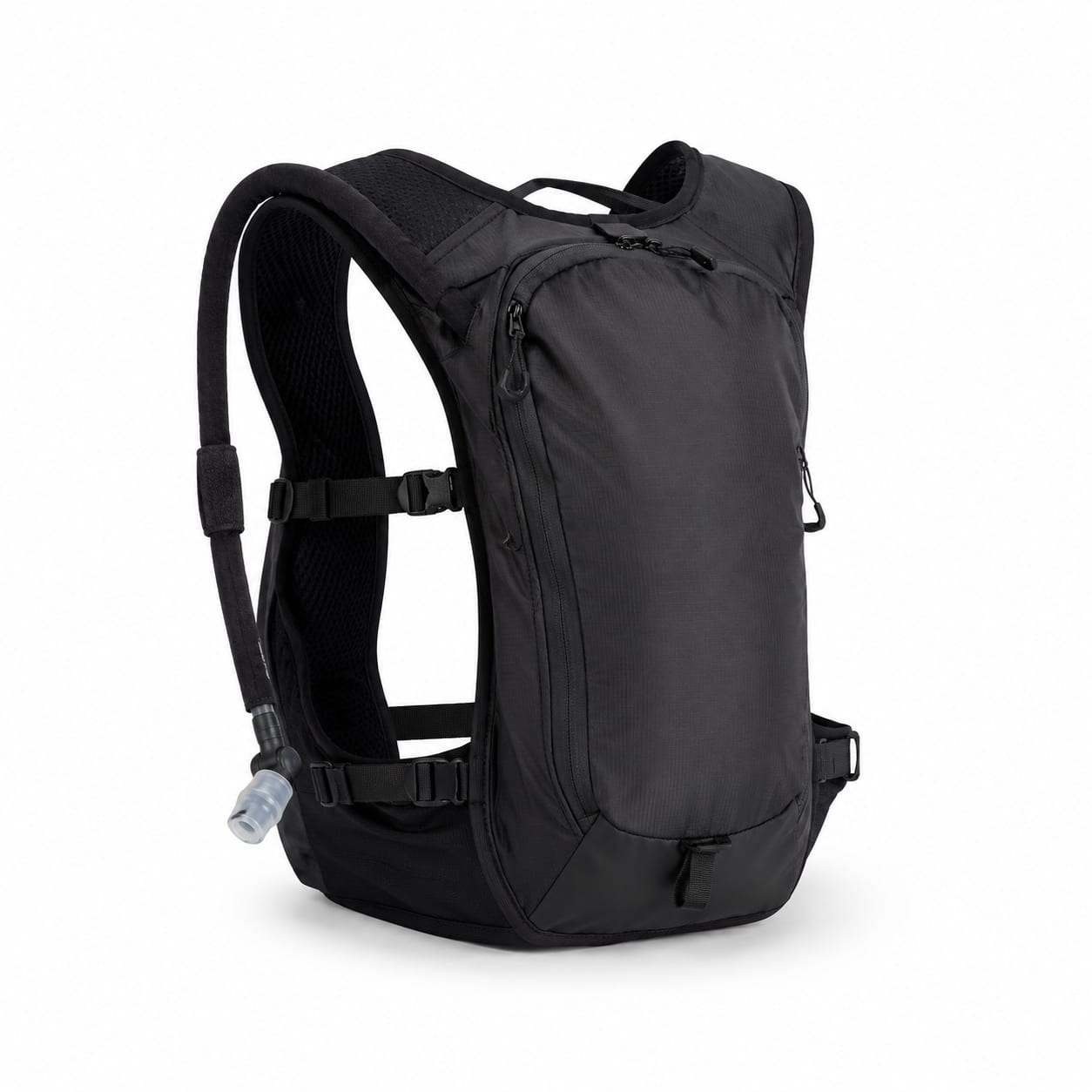
6 topics
Pick a question
Every answer links to the full subcategory guide and related gear types when it helps you decide.
Do hydration ski packs actually prevent the hose from freezing in cold weather?
Yes, but with caveats. Quality insulated hose routing significantly reduces freeze risk in temperatures down to about -15°C. However, no insulation is foolproof—you must also blow air back through the hose after each sip to clear water from the tube. In extreme cold (-20°C and below) or high wind, even insulated hoses can freeze if you do not drink frequently. The reservoir itself stays warm against your back, so the primary vulnerability is the exposed hose and bite valve.
Read answer →02Can I use my own hydration bladder, or am I locked into the included one?
Most hydration ski packs are compatible with standard reservoirs from brands like CamelBak, Source, and Hydrapak, but check the sleeve dimensions and hose routing port size before buying a replacement. Some packs use proprietary reservoir shapes or quick-disconnect fittings that only work with the included bladder. If you have a preferred reservoir brand, verify compatibility before purchasing the pack.
Read answer →03How much does a full hydration bladder weigh, and will it affect my skiing?
A 2L reservoir full of water weighs approximately 2.2kg (2kg water + 200g bladder). A 3L system weighs about 3.3kg. This is significant and does affect balance, especially when the bladder is full at the start of the day. Position the reservoir against your back (which is standard) for the best center of gravity. As you drink and the bladder empties, the weight decreases and the pack becomes more manageable. Use compression straps to keep the load tight as the bladder shrinks.
Read answer →04Are hydration ski packs suitable for backcountry touring?
Some are, some are not—it depends on the specific model. Backcountry-compatible hydration packs include a dedicated avalanche safety gear compartment (shovel and probe pocket) and a functional ski carry system. Resort-focused hydration packs may lack these features and should not be used out-of-bounds. Always verify that any pack you take into the backcountry has proper avy gear storage and ski carry, regardless of its hydration features.
Read answer →05What happens if my hydration bladder leaks inside the pack?
A bladder leak can soak everything in your pack—layers, food, electronics. To mitigate this risk: (1) use dry bags or waterproof stuff sacks for electronics and spare layers, (2) ensure the reservoir cap and hose connections are tight before each use, (3) position the reservoir in its dedicated sleeve away from sharp objects, and (4) consider packs with a separate hydration compartment that isolates the bladder from main storage. Some packs include a drain hole in the reservoir sleeve to let water escape if a leak occurs.
Read answer →06How do I clean and maintain the hydration system to prevent mold?
After each use, drain the reservoir completely, rinse with clean water, and prop it open to dry thoroughly. For deeper cleaning, use hydration-specific cleaning tablets or a mild bleach solution (1 teaspoon bleach per liter of water), let it sit for 30 minutes, then rinse thoroughly. Clean the hose by using a long flexible brush designed for hydration tubes. Store the reservoir open and dry between uses. Replace the bite valve every 1–2 seasons. These habits prevent mold, bacteria, and unpleasant tastes.
Read answer →