
After each use, drain the reservoir completely, rinse with clean water, and prop it open to dry thoroughly. For deeper cleaning, use hydration-specific cleaning tablets or a mild bleach solution (1 teaspoon bleach per liter of water), let it sit for 30 minutes, then rinse thoroughly. Clean the hose by using a long flexible brush designed for hydration tubes. Store the reservoir open and dry between uses. Replace the bite valve every 1–2 seasons. These habits prevent mold, bacteria, and unpleasant tastes.
Ski Backpack · Hydration Ski Pack
How do I clean and maintain the hydration system to prevent mold?
Related gear types
If this answer nudged you toward a different style, these guides compare specs and trade-offs.
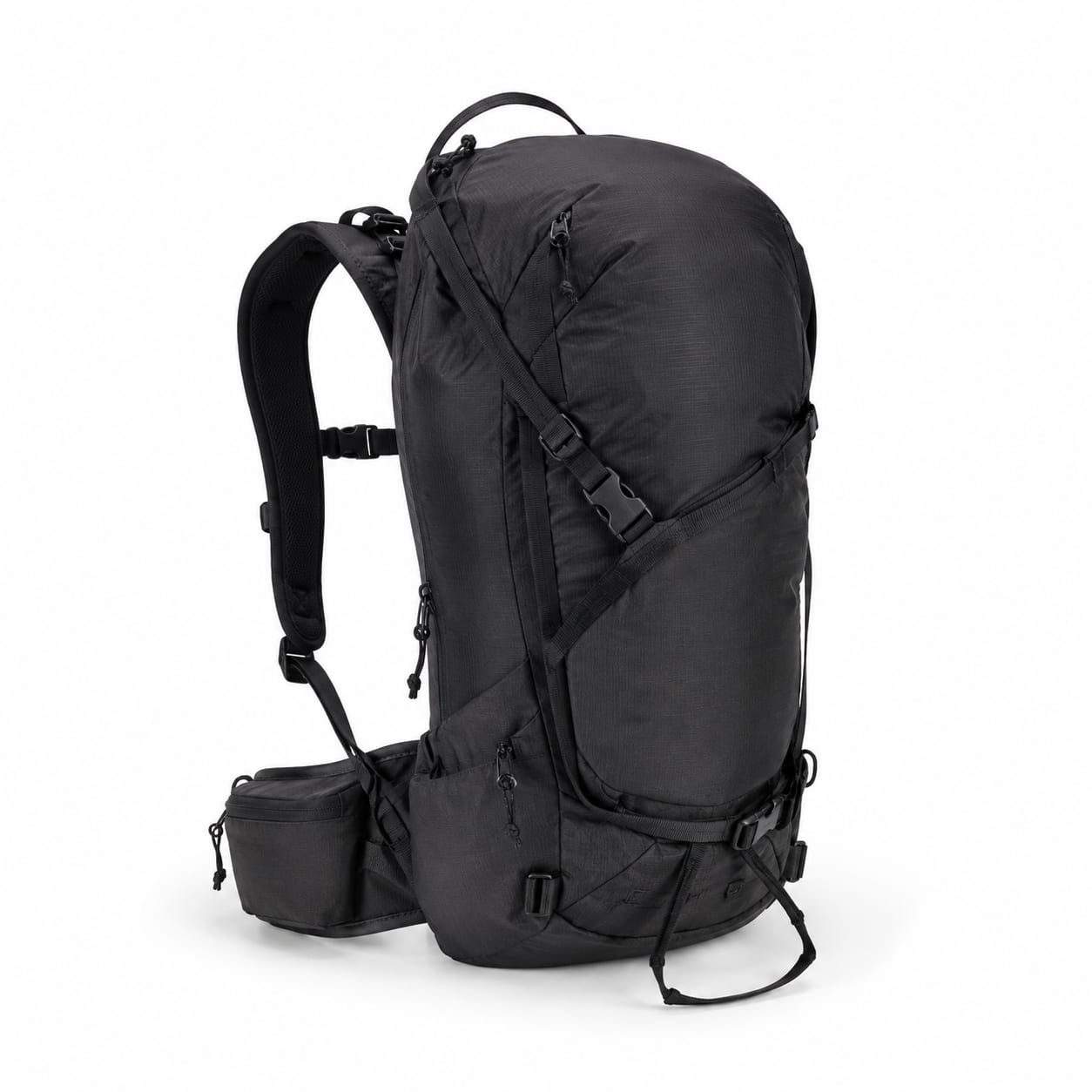
Backcountry Touring Daypack
$80 – $280
Lightweight to midweight packs (20-35L) optimized for single-day backcountry ski touring with dedicated safety gear organization.
Dedicated probe and shovel pocketDiagonal and A-frame ski carryHip belt with pockets
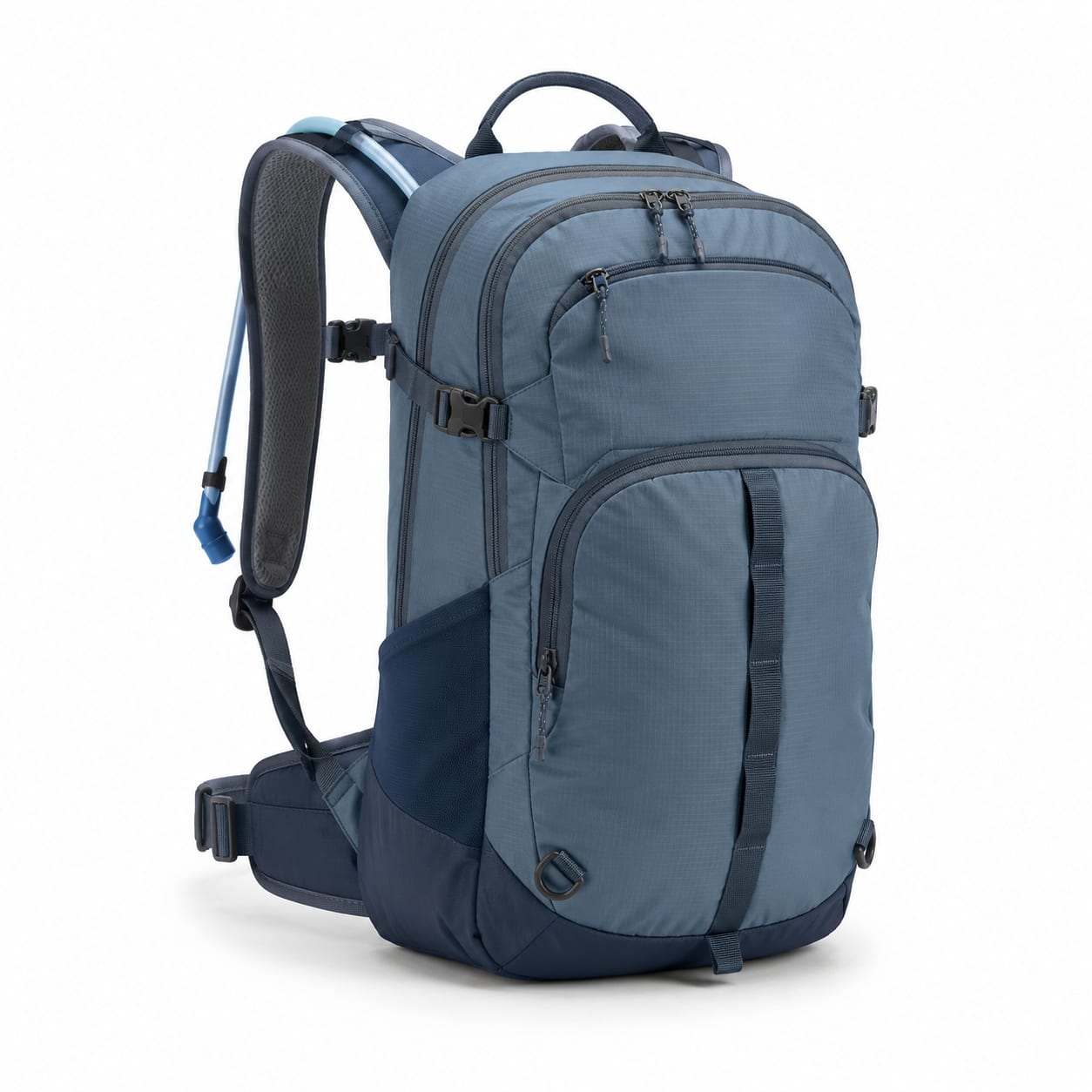
Resort / In-Bounds Daypack
$35 – $120
Compact, lightweight packs (10-22L) for carrying essentials during lift-served skiing without backcountry-specific features.
Compact volume (10-22L)Low-profile designInsulated hydration tube
More questions
- Do hydration ski packs actually prevent the hose from freezing in cold weather?
- Can I use my own hydration bladder, or am I locked into the included one?
- How much does a full hydration bladder weigh, and will it affect my skiing?
- Are hydration ski packs suitable for backcountry touring?