
A bladder leak can soak everything in your pack—layers, food, electronics. To mitigate this risk: (1) use dry bags or waterproof stuff sacks for electronics and spare layers, (2) ensure the reservoir cap and hose connections are tight before each use, (3) position the reservoir in its dedicated sleeve away from sharp objects, and (4) consider packs with a separate hydration compartment that isolates the bladder from main storage. Some packs include a drain hole in the reservoir sleeve to let water escape if a leak occurs.
Ski Backpack · Hydration Ski Pack
What happens if my hydration bladder leaks inside the pack?
Related gear types
If this answer nudged you toward a different style, these guides compare specs and trade-offs.
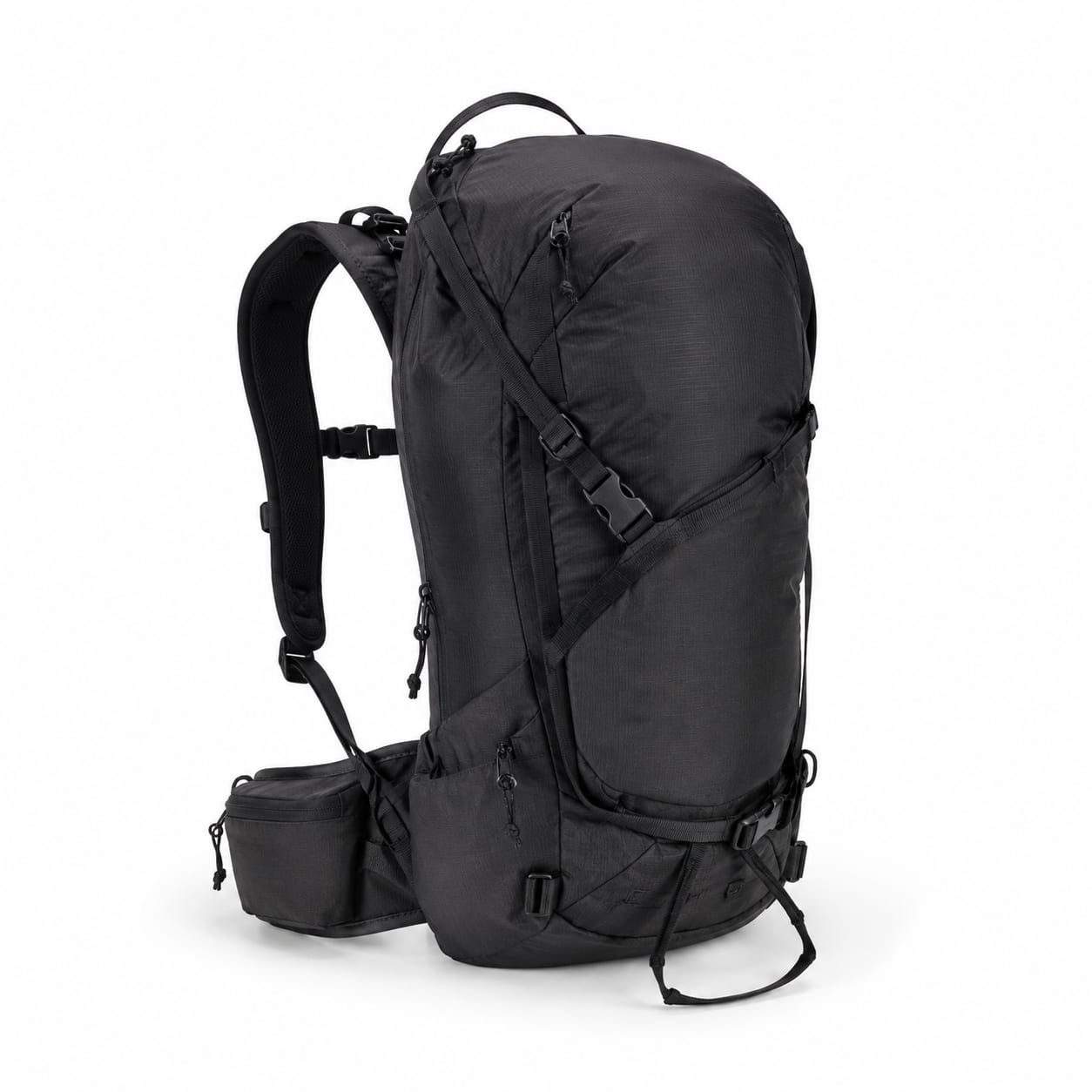
Backcountry Touring Daypack
$80 – $280
Lightweight to midweight packs (20-35L) optimized for single-day backcountry ski touring with dedicated safety gear organization.
Dedicated probe and shovel pocketDiagonal and A-frame ski carryHip belt with pockets
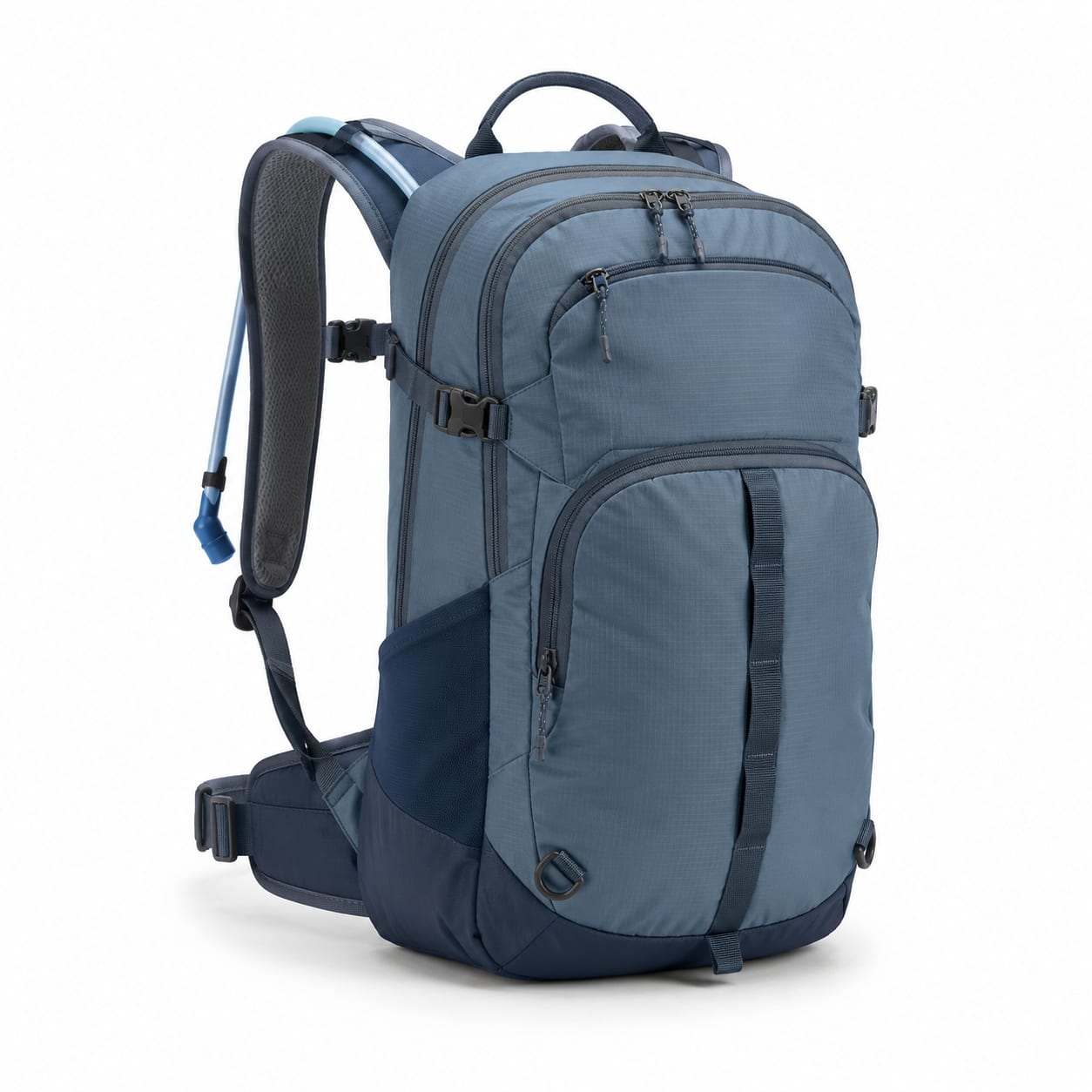
Resort / In-Bounds Daypack
$35 – $120
Compact, lightweight packs (10-22L) for carrying essentials during lift-served skiing without backcountry-specific features.
Compact volume (10-22L)Low-profile designInsulated hydration tube
More questions
- Do hydration ski packs actually prevent the hose from freezing in cold weather?
- Can I use my own hydration bladder, or am I locked into the included one?
- How much does a full hydration bladder weigh, and will it affect my skiing?
- Are hydration ski packs suitable for backcountry touring?