
Yes, but with caveats. Quality insulated hose routing significantly reduces freeze risk in temperatures down to about -15°C. However, no insulation is foolproof—you must also blow air back through the hose after each sip to clear water from the tube. In extreme cold (-20°C and below) or high wind, even insulated hoses can freeze if you do not drink frequently. The reservoir itself stays warm against your back, so the primary vulnerability is the exposed hose and bite valve.
Ski Backpack · Hydration Ski Pack
Do hydration ski packs actually prevent the hose from freezing in cold weather?
Related gear types
If this answer nudged you toward a different style, these guides compare specs and trade-offs.
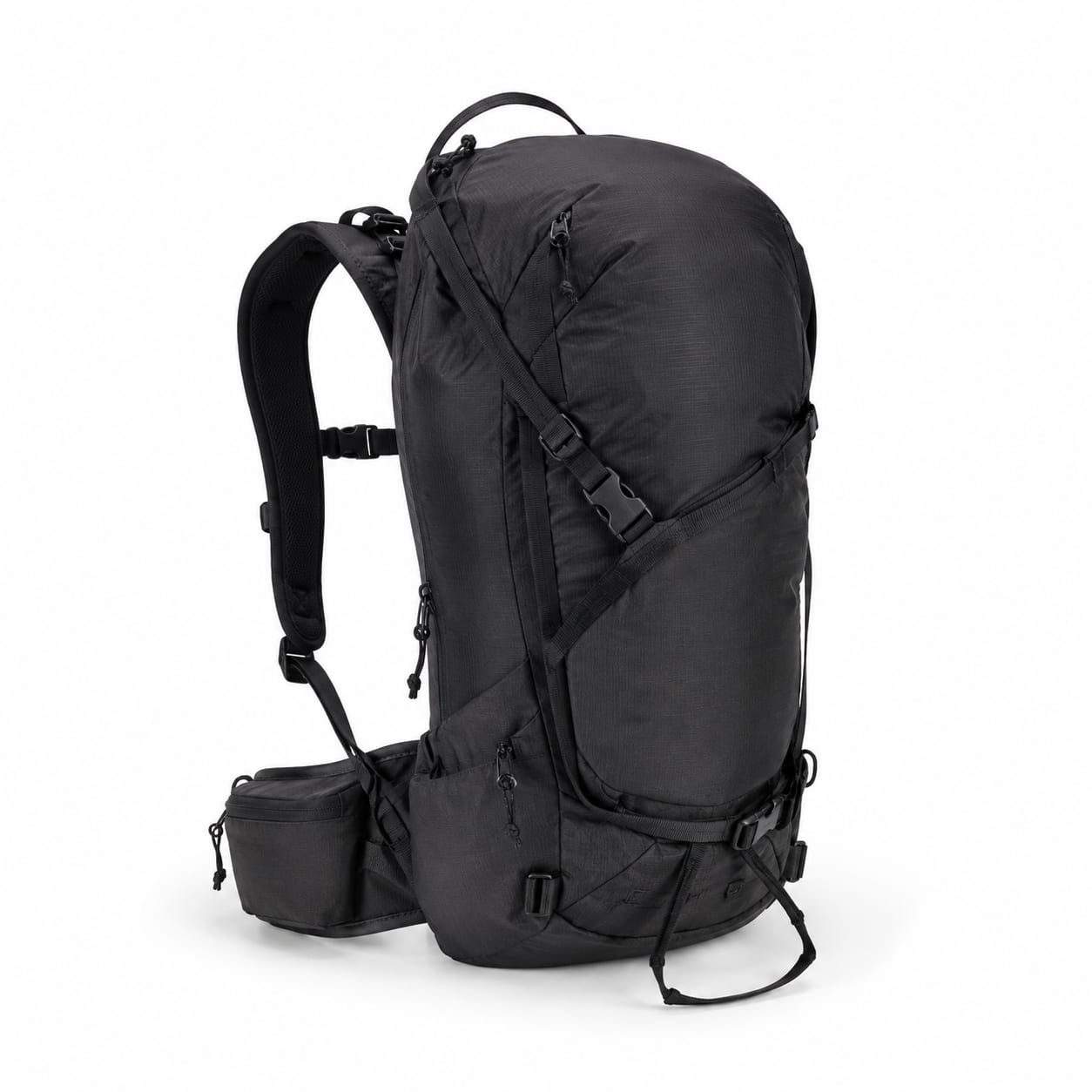
Backcountry Touring Daypack
$80 – $280
Lightweight to midweight packs (20-35L) optimized for single-day backcountry ski touring with dedicated safety gear organization.
Dedicated probe and shovel pocketDiagonal and A-frame ski carryHip belt with pockets
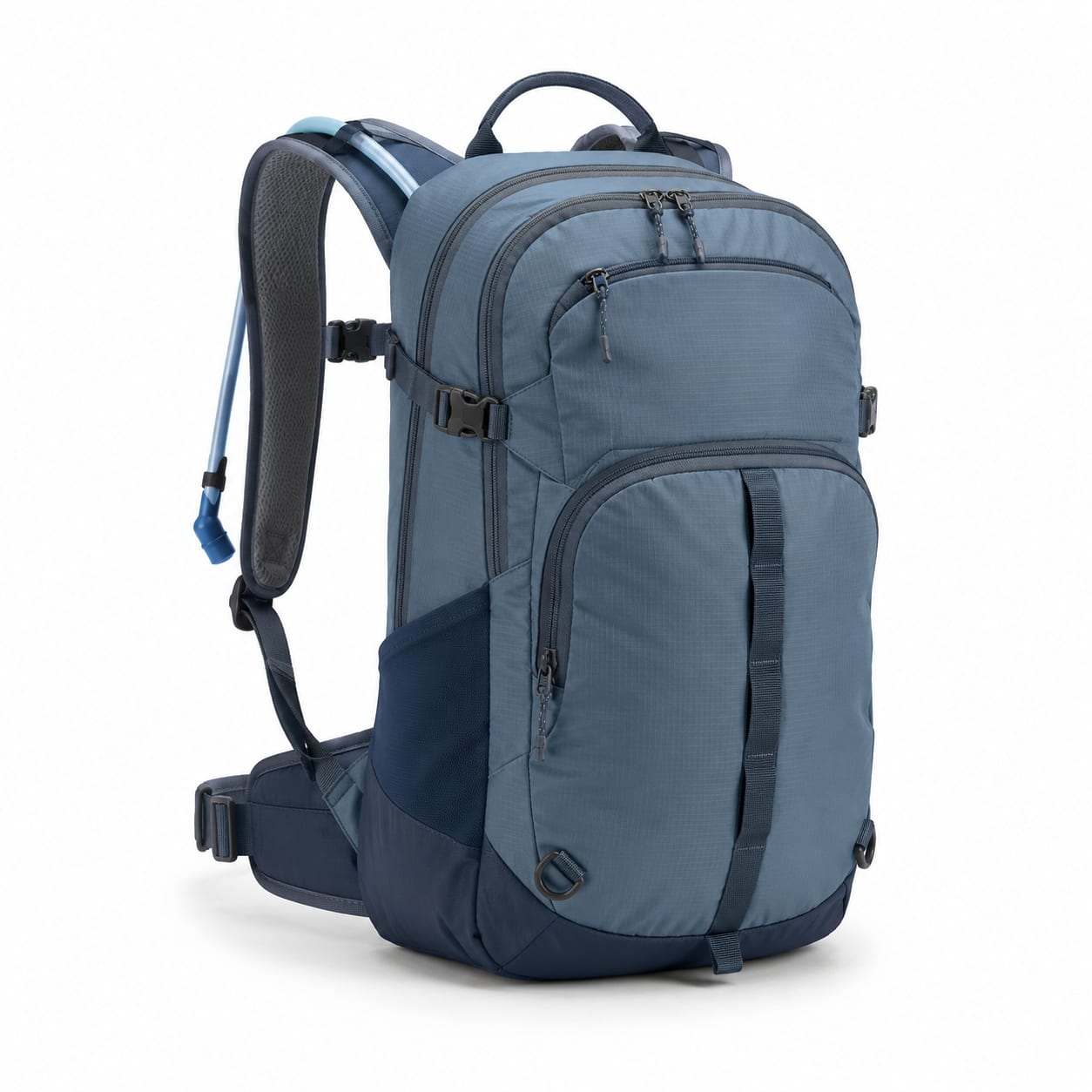
Resort / In-Bounds Daypack
$35 – $120
Compact, lightweight packs (10-22L) for carrying essentials during lift-served skiing without backcountry-specific features.
Compact volume (10-22L)Low-profile designInsulated hydration tube
More questions
- Can I use my own hydration bladder, or am I locked into the included one?
- How much does a full hydration bladder weigh, and will it affect my skiing?
- Are hydration ski packs suitable for backcountry touring?
- What happens if my hydration bladder leaks inside the pack?