
Ski Bindings · FAQ
Questions about Alpine/Downhill Bindings
Straight answers on fit, specs, and when this type makes sense — each topic has its own page with links back to the buying guide.
Open Alpine/Downhill Bindings guide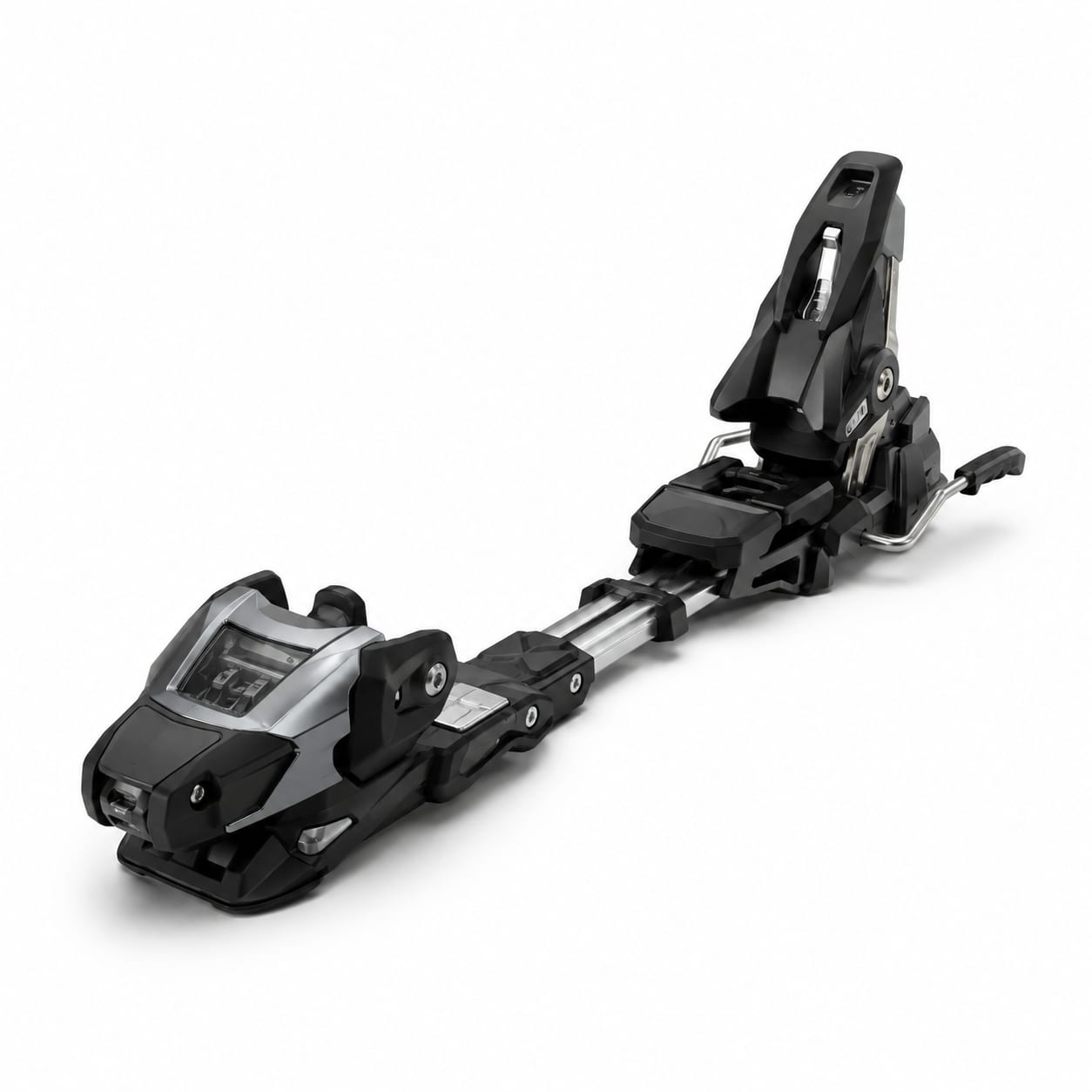
6 topics
Pick a question
Every answer links to the full subcategory guide and related gear types when it helps you decide.
What DIN setting should I use for my alpine bindings?
Your DIN setting is calculated from your weight, ability level, and boot sole length using a standardized DIN chart. Never guess your DIN or copy someone else's setting. A certified ski technician can calculate and set your DIN correctly. As a rough guide: beginners typically need DIN 3-5, intermediates 5-7, advanced skiers 7-10, and experts 10-14. Always err on the side of the chart recommendation—cranking up DIN to avoid pre-release is dangerous and usually indicates a technique or equipment issue that should be addressed separately.
Read answer →02Can I use GripWalk boots with alpine bindings?
Many modern alpine bindings are GripWalk-compatible, but not all of them are. Check the binding specifications or look for a 'GripWalk' marking on the binding itself. Bindings with adjustable sliding AFDs are most likely to support GripWalk soles. Using GripWalk boots in non-compatible alpine bindings can cause erratic release or failure to release, which is dangerous. Always verify compatibility before combining boots and bindings.
Read answer →03How do I know what brake width I need?
Measure your ski's waist width (the narrowest point under the binding area) and add 5-15mm of clearance. For example, a ski with an 88mm waist needs a 95mm or 100mm brake. The brake arms should clear the ski edge when deployed but not extend so far that they drag in turns. If you're between sizes, go slightly wider—a brake that's a bit too wide creates minor drag, but one that's too narrow won't deploy properly and could leave your ski runaway on the mountain.
Read answer →04Can I use alpine bindings for backcountry skiing?
No. Alpine bindings have no walk mode, climbing aids, or any mechanism for uphill travel. They are designed exclusively for downhill skiing. If you want to skin uphill in the backcountry, you need touring bindings (pin-tech, frame, or hybrid). Even for short sidecountry laps, alpine bindings require you to bootpack rather than skin, which is inefficient and potentially unsafe in avalanche terrain where quick travel matters.
Read answer →05How often should I replace my alpine bindings?
With proper care, quality alpine bindings can last 5-7 seasons or 100-150+ days of skiing. However, have them inspected by a certified technician annually. Replace bindings that show visible cracking, jaw wear, spring fatigue (inconsistent release testing), or that have been in a serious crash. Bindings older than 7-10 years may not meet current ISO standards and should be evaluated carefully. The cost of replacement is minimal compared to the safety risk of worn-out bindings.
Read answer →06Why do I keep pre-releasing from my alpine bindings?
Pre-release can have several causes: DIN set too low for your skiing, worn AFD surface creating inconsistent release, boot sole damage or contamination, or bindings with insufficient elastic travel for your skiing style. First, verify your DIN is correctly set using a DIN chart. Then have a technician inspect your bindings and boot soles. If the issue persists, consider bindings with higher elastic travel. Never simply crank up your DIN to fix pre-release without diagnosing the root cause—this can prevent proper release in a fall.
Read answer →