Kitvore.com

Kitvore.com

Specs that matter. Gear that fits.

Ski Bindings · Subcategory

Alpine/Downhill Bindings

The standard resort skiing binding designed for maximum power transmission, reliable safety release, and uncompromising downhill performance.

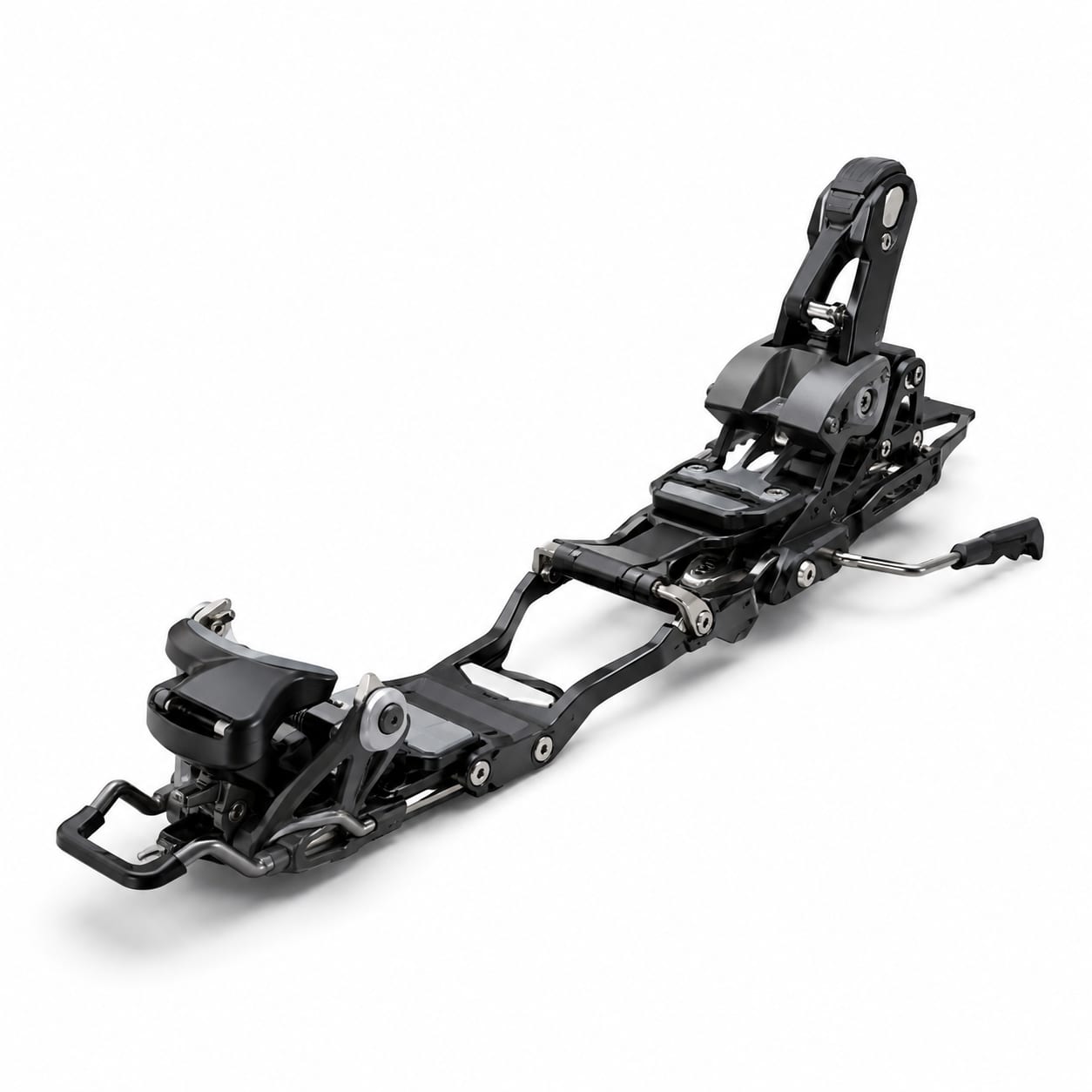
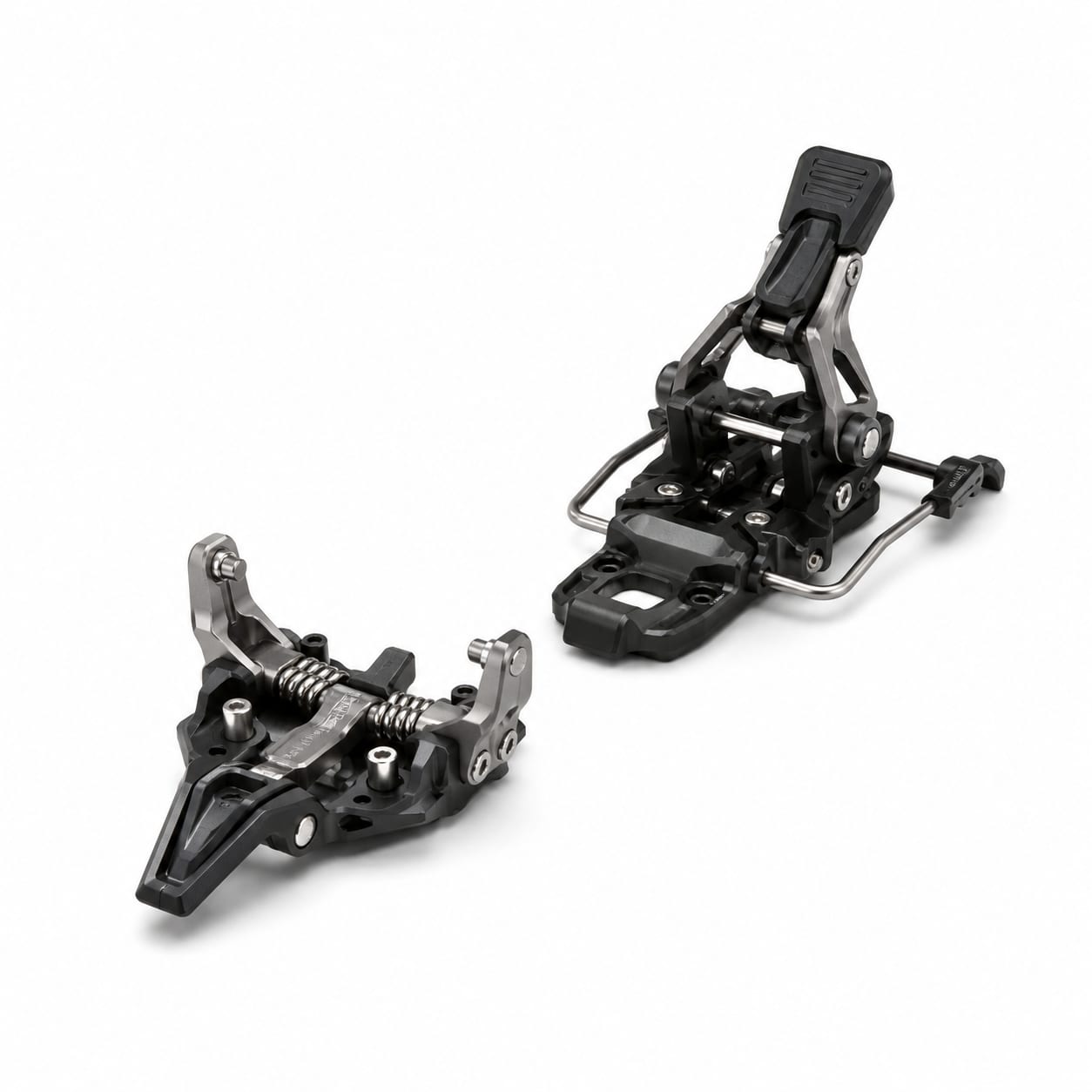
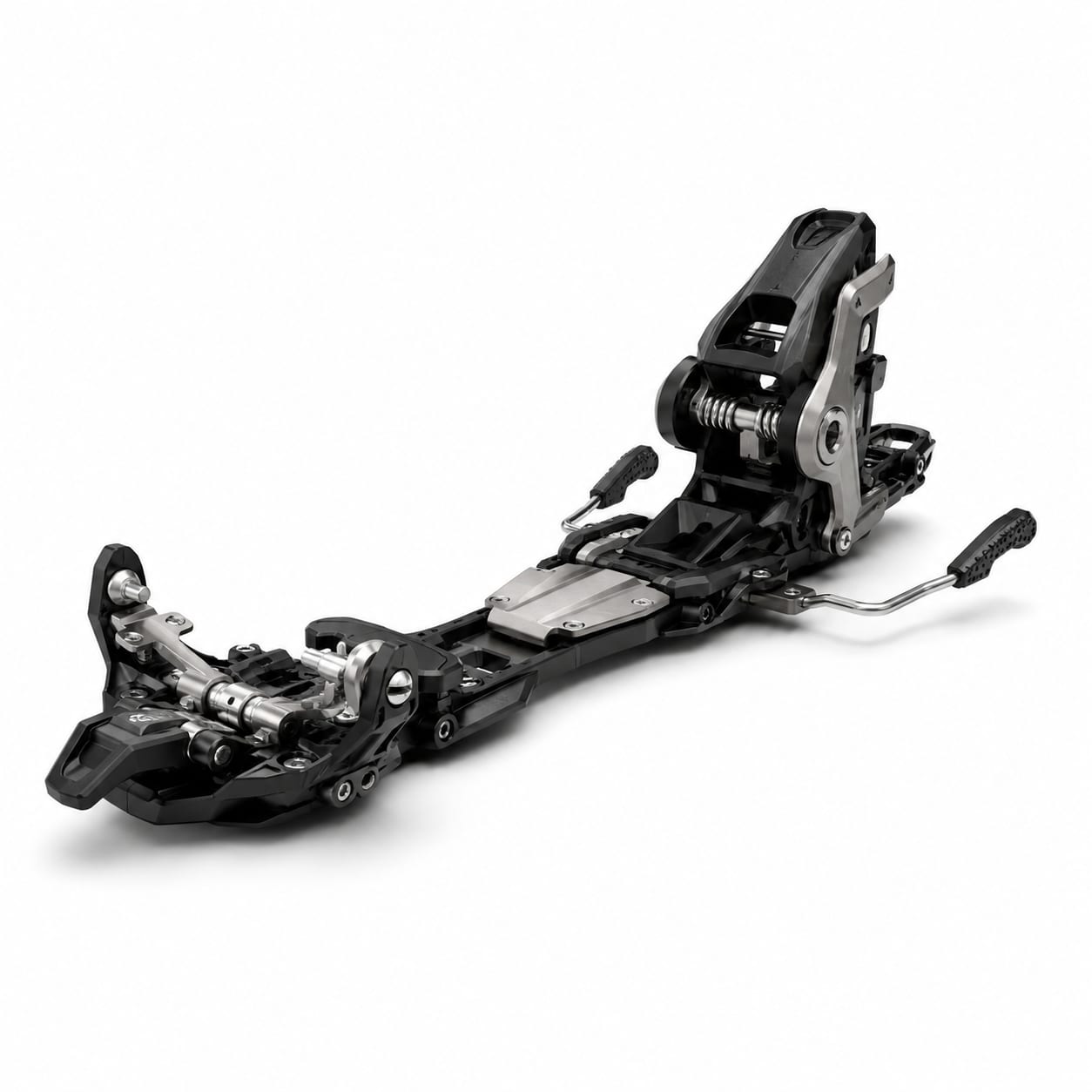
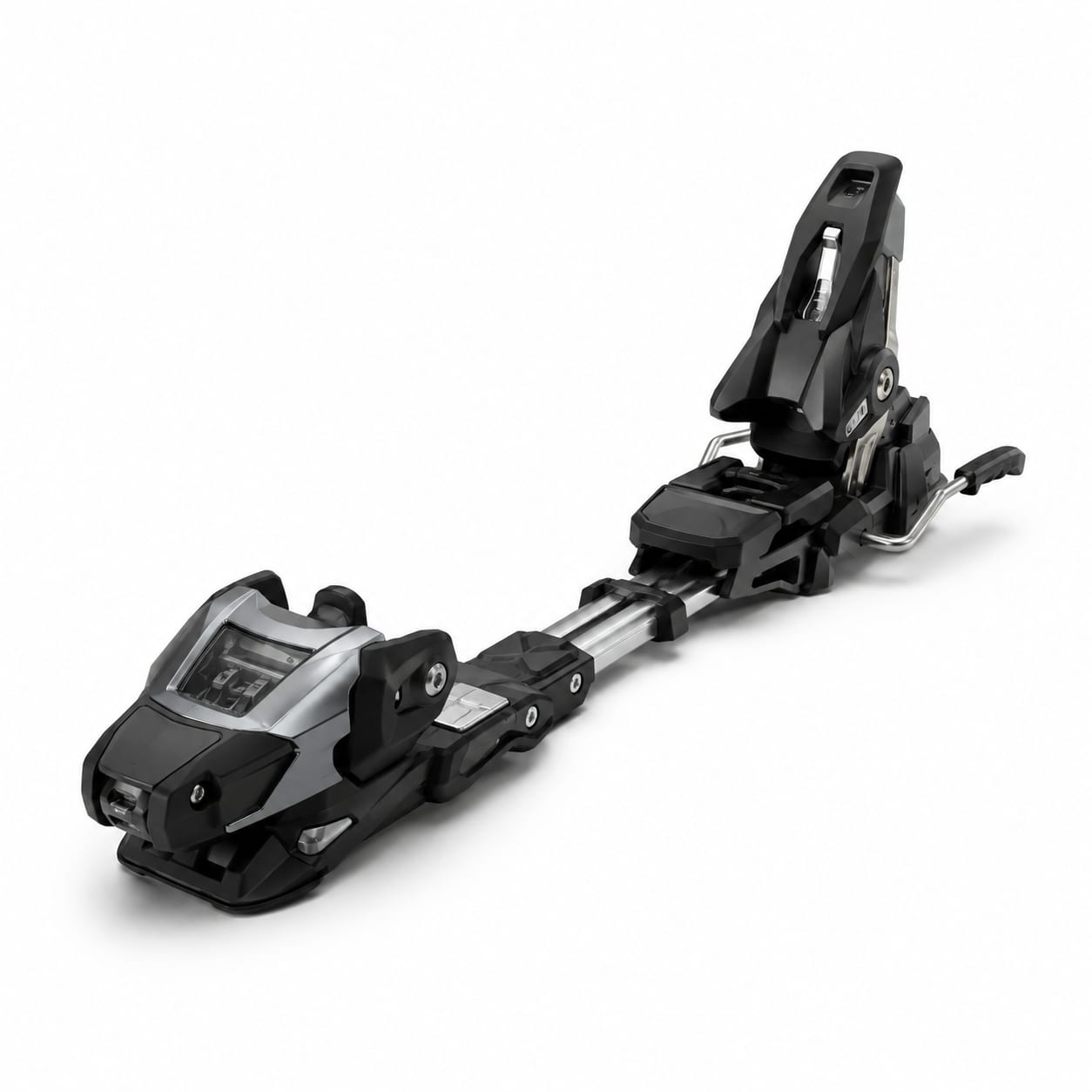
Alpine/downhill bindings are the gold standard for in-bounds skiing, offering the best combination of retention, elastic travel, and precise power transfer from boot to ski. With spring-loaded toe and heel jaws clamping an ISO 5355 alpine boot sole, these bindings deliver the confidence and safety that resort skiers demand—from first turns on groomers to charging steep off-piste lines. If you ski lifts and don't tour, this is your binding.

$120 – $450mid tierbeginnerintermediateadvanced

Best known for

Superior power transmission and edge controlMost reliable and consistent safety releaseHighest elastic travel for reduced pre-releaseWidest boot sole compatibility within alpine standardsProven durability for aggressive resort skiing
Alpine/Downhill Bindings

Guide

Detailed overview

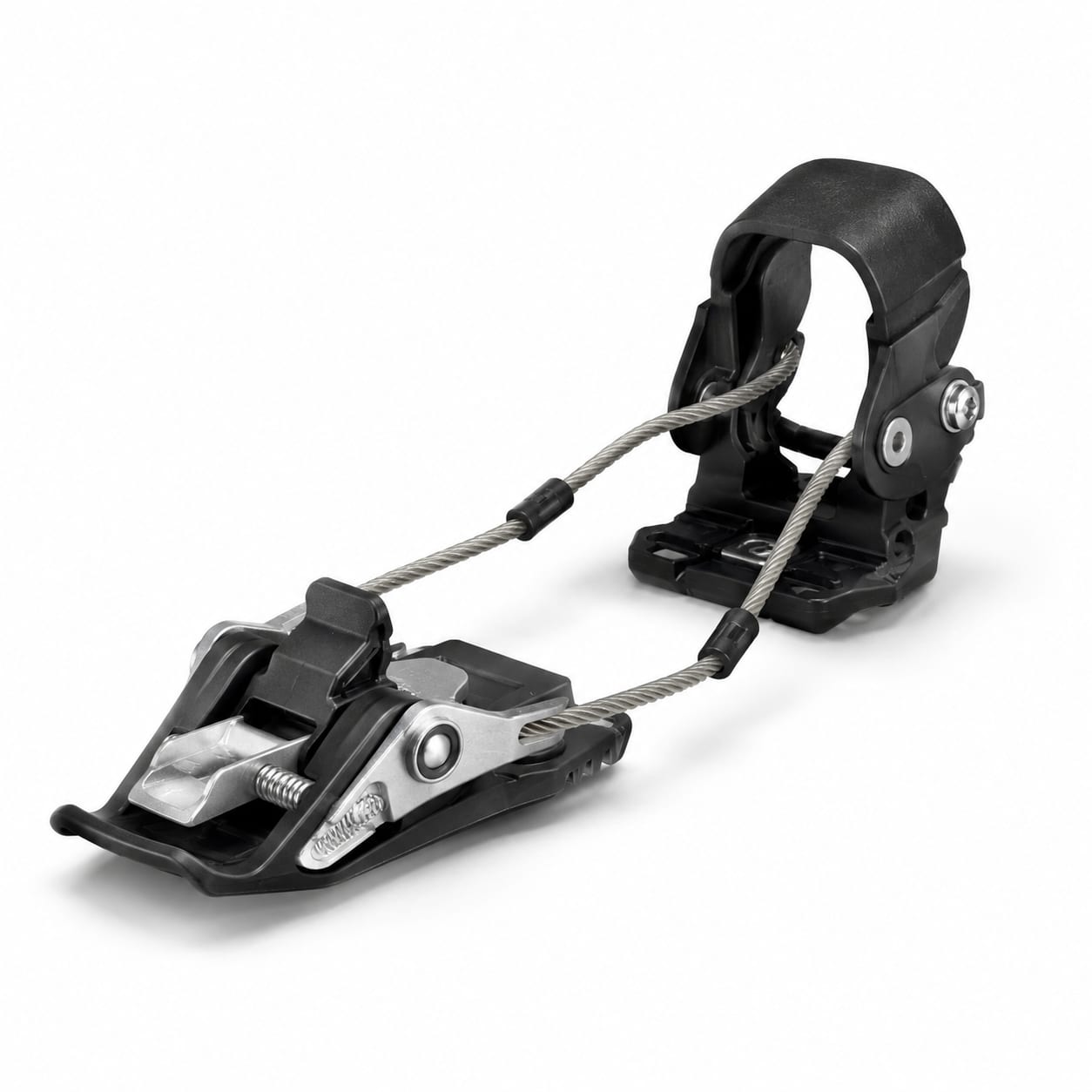
Alpine/downhill bindings are the most common binding type found on resort skis worldwide. They use spring-loaded jaws at both the toe and heel to clamp the boot sole, creating a rigid, responsive connection that maximizes power transfer to the ski. The toe piece allows lateral and upward release, while the heel piece releases vertically and laterally, providing comprehensive fall protection. Unlike touring or hybrid bindings, alpine bindings have no walk mode—they are purpose-built for descending. This singular focus allows engineers to optimize every aspect for downhill performance: maximum elastic travel to absorb shocks without releasing, robust construction to withstand high forces, and precise AFD systems for consistent release across conditions. Alpine bindings are compatible with ISO 5355 alpine boot soles and, in many modern models, GripWalk soles as well. They attach to skis via drilled flat mounts or integrated track systems, with brake widths available to match any ski from narrow race skis to wide freeride boards.

Alpine bindings have been the backbone of resort skiing for decades, and for good reason. Their design prioritizes two things above all else: power transmission and safety release. The rigid connection between boot and ski means every movement of your foot is translated directly to the edge, giving you the precision to carve clean arcs on hardpack or drive through chopped-up snow with authority. This is why racers, freeride chargers, and dedicated resort skiers overwhelmingly choose alpine bindings over any alternative.

The safety story is equally important. Alpine bindings offer the most elastic travel of any binding category—typically 25-45mm laterally and 15-25mm vertically in high-performance models. This means the binding can absorb momentary shocks, vibrations, and awkward landings without releasing, reducing frustrating pre-releases while still releasing cleanly when forces exceed safe thresholds. The AFD (Anti-Friction Device) under the toe piece ensures consistent lateral release regardless of snow contamination or boot sole wear, and modern sliding AFDs accommodate multiple sole types for added versatility.

Where alpine bindings fall short is versatility. They have no walk mode, no climbing aids, and no touring capability. If you want to skin uphill—even for short sidecountry laps—you'll need a different binding or a very accommodating approach. Alpine bindings also tend to be heavier than touring options, though this is rarely a concern for lift-served skiing where weight on the feet matters far less than on the ascent. The weight actually contributes to durability and vibration damping, which benefits downhill performance.

Within the alpine category, there's significant specialization. Race bindings feature the highest DIN ranges (up to 18), maximum elastic travel, and often integrated lifters for extreme edge angles. All-mountain bindings balance performance with versatility, offering DIN ranges of 4-12 and moderate stand heights. Freestyle bindings prioritize low stand height for stability and durable construction for impacts. Freeride bindings combine high DIN ranges with robust construction for aggressive off-piste skiing. Understanding these sub-specializations helps you choose the right alpine binding for your specific needs.

Modern alpine bindings have also adapted to changing boot technology. Many now accept both ISO 5355 alpine soles and GripWalk rubberized soles, with adjustable AFDs that accommodate both. This is a significant improvement over older designs that only worked with rigid alpine soles, giving skiers more boot choices without sacrificing safety. Always verify sole compatibility before purchasing—mismatched boots and bindings can compromise release reliability and create dangerous situations.

Quick facts

Primary purpose
Secure boot-to-ski connection for resort skiing with injury-preventing release
Popular brands
MarkerSalomonTyroliaLookRossignol
Typical terrain
groomed runsresortall-mountainmogulspark

What makes it different

Heel remains locked down at all times; highest retention and power transfer of any binding type; most predictable release values; heaviest binding category

Recommended ranges

How this type usually specs out

Each spec is explained in plain language, then we show what buyers usually look for on this type.

DIN / Release Value Range

DIN Range

What it means

The range of release force settings the binding supports. DIN (Deutsches Institut für Normung) values indicate the force required to release the boot. Must accommodate the skier's calculated release value based on weight, ability, and boot sole length.

Typical for this type

3–14 (depending on ability and discipline)

Most common pick: 4–12

In practice

Most alpine bindings for intermediate to advanced skiers offer a DIN range of 4-12 or 5-12. Race-oriented models extend to 6-16 or 8-18, while entry-level models start as low as 3-10. Your specific DIN setting is calculated from weight, ability, and boot sole length.

Compared to other types

Alpine bindings offer the widest DIN range options, from beginner-friendly 0.75-4.5 up to race-grade 8-18. Touring pin bindings typically max out at DIN 12-13, and frame bindings usually cap around DIN 10-12.

Why it matters: Choosing a binding where your calculated DIN falls in the middle third of the range ensures accurate release and room for progression. A DIN set near the maximum of a binding's range may not release as consistently.

Brake Pad Width

Brake Width

What it means

The width of the brake arms when deployed. Brakes must be wide enough to clear the ski waist but not so wide they drag or catch. The brake prevents runaway skis after release.

Typical for this type

Ski waist width + 5–15mm clearance

Most common pick: 85mm–110mm

In practice

Alpine bindings are available with brake widths from 75mm (for race skis) to 130mm (for wide powder skis). Most all-mountain setups use 85-95mm brakes, while freeride setups typically require 110mm or wider.

Compared to other types

Alpine bindings offer the widest selection of brake widths across all categories. Touring bindings often have fewer brake width options, and some ultra-light pin bindings omit brakes entirely in favor of leashes.

Why it matters: Brakes that are too narrow won't deploy below the ski and fail to stop runaway skis. Brakes that are too wide drag in carves and can catch in snow, creating a hazard. Proper match is safety-critical.

Binding Type / Category

Binding Type

What it means

The fundamental design category of the binding, determining its intended use, mechanism, and compatibility with boot soles.

Typical for this type

Alpine (ISO 5355 Compatible)

In practice

This subcategory is defined by the alpine binding type—spring-loaded toe and heel jaws clamping a rigid boot sole with no walk mode. It is the standard for all resort skiing disciplines.

Compared to other types

Unlike pin-tech bindings (which use pins at the toe for touring), frame bindings (which add a pivoting heel frame), or hybrid bindings (which combine pin touring with alpine downhill), pure alpine bindings have no touring capability but offer the best downhill performance and safety release.

Why it matters: The alpine binding type determines boot compatibility, release characteristics, and the fundamental performance envelope. It is optimized exclusively for downhill performance and safety.

Boot Sole Type Compatibility

Boot Sole Compatibility

What it means

The types of ski boot soles the binding is designed to work with. Mismatched boot-sole combinations compromise release safety and may not engage properly.

Typical for this type

ISO 5355 Required; GripWalk Compatibility Recommended For Versatility

Most common pick: ISO 5355 (Alpine) + GripWalk

In practice

Modern alpine bindings typically accept ISO 5355 alpine soles and many now also accommodate GripWalk soles via adjustable AFDs. Some older or race-specific models only accept ISO 5355. WTR compatibility is found on some Salomon/Atomic models.

Compared to other types

Alpine bindings primarily support ISO 5355 and GripWalk soles. Touring pin bindings require ISO 9523 soles with tech fittings. Frame bindings often support ISO 5355. Hybrid bindings accept both ISO 5355/GripWalk and ISO 9523 with tech fittings.

Why it matters: Mismatched boot soles and bindings can cause erratic release or failure to release, which is a serious safety risk. Always verify your boot sole type matches the binding's certified compatibility.

Stand Height / Stack Height

Stand Height

What it means

The distance from the ski surface to the bottom of the boot sole when mounted. Higher stand heights increase leverage and edge power but reduce snow feel and stability.

Typical for this type

15–22mm for all-mountain/freestyle; 25–35mm for race/carving

Most common pick: 17–22mm

In practice

Most all-mountain alpine bindings sit at 17-22mm stand height. Race bindings with lifters can reach 30-35mm for maximum edge leverage. Freestyle bindings tend toward 15-18mm for a lower center of gravity.

Compared to other types

Alpine bindings have moderate stand heights compared to touring pin bindings (which can be as low as 15mm) and race bindings with lifters (which can exceed 35mm). Frame and hybrid bindings tend to have higher stand heights due to their more complex mechanisms.

Why it matters: Higher stand heights increase leverage for edge angle and carving power but reduce snow feel and stability. Lower stand heights provide better balance and a more connected feel, preferred in freestyle and soft snow.

Weight (Pair)

Weight Per Pair

What it means

Total weight of both bindings including brakes. Critical for touring setups where every gram matters on the ascent. Less important for resort skiing.

Typical for this type

1, 400–2, 200g for resort skiing

Most common pick: 1, 600–2, 000g

In practice

Standard alpine bindings weigh 1,400-2,000g per pair. Lightweight all-mountain models can be as low as 1,300g, while heavy-duty freeride and race bindings can exceed 2,200g. Weight includes brakes.

Compared to other types

Alpine bindings are significantly heavier than pin-tech touring bindings (240-900g) and heavier than most hybrid bindings (1,200-1,800g). They are comparable to or slightly lighter than frame touring bindings (1,800-2,800g).

Why it matters: For resort skiing, weight is less critical than for touring. Heavier bindings often offer better durability, vibration damping, and elastic travel. Extremely light alpine bindings may sacrifice some of these qualities.

Elastic Travel / Retention Travel

Elastic Travel

What it means

The distance the binding can flex elastically before releasing. Greater elastic travel allows the binding to absorb shocks and momentary forces without releasing, reducing inadvertent releases while maintaining safety.

Typical for this type

Standard For All-Mountain; High For Race/Freeride/Aggressive Skiing

Most common pick: Standard to High

In practice

Most quality alpine bindings offer standard to high elastic travel—typically 15-25mm lateral and 10-15mm vertical for standard, and 25-45mm lateral and 15-25mm vertical for high. Race and premium freeride bindings feature the most elastic travel.

Compared to other types

Alpine bindings offer the highest elastic travel of any binding category. Pin-tech touring bindings have low elastic travel, which is a primary reason for pre-release issues in rough conditions. Frame bindings offer moderate elastic travel, and hybrid bindings vary but generally have less than pure alpine.

Why it matters: Greater elastic travel allows the binding to absorb shocks and momentary forces without releasing, reducing pre-release while maintaining the ability to release when forces exceed safe thresholds. This is a key advantage of alpine bindings.

AFD (Anti-Friction Device) Type

AFD Type

What it means

The mechanism under the toe of the binding that reduces friction during lateral release. AFD design affects release consistency across different boot sole types and snow conditions.

Typical for this type

Sliding AFD For Best Versatility And GripWalk Compatibility; Fixed AFD Acceptable For ISO 5355 Only

In practice

Mid-range and premium alpine bindings use sliding AFDs that move laterally with the boot during release, providing consistent friction reduction and accommodating multiple sole types. Entry-level models may use fixed/gliding AFDs with Teflon surfaces.

Compared to other types

Alpine bindings use sliding, fixed, or rotating AFDs. Pin-tech bindings use pin interfaces instead of traditional AFDs. Frame and hybrid bindings use AFD systems similar to alpine bindings in their heel pieces.

Why it matters: The AFD directly affects release consistency and boot sole compatibility. Sliding AFDs are adjustable and work with both ISO 5355 and GripWalk soles. Fixed AFDs may not accommodate GripWalk properly.

Mounting System / Interface

Mounting System

What it means

How the binding attaches to the ski. Affects adjustability, remount options, and whether the binding can be moved without drilling new holes.

Typical for this type

Flat Mount For Most Skiers; Track System For Demo/Rental; Integrated System For Matched Ski Packages

Most common pick: Flat Mount (Drilled)

In practice

The vast majority of alpine bindings use flat mount (drilled) installation, where screws secure the binding directly to the ski. This is the lightest and most direct connection. Track systems allow adjustment but add weight. Integrated systems pair specific bindings with specific skis.

Compared to other types

Alpine bindings primarily use flat mount or integrated systems. Touring pin bindings also use flat mounts. Frame bindings may use flat mounts or proprietary track systems. Hybrid bindings use flat mounts with some models offering adjustable heel tracks.

Why it matters: Flat mount provides the best performance and lightest weight but requires precise drilling and isn't adjustable for boot sole length without remounting. Track systems offer convenience at a slight performance and weight cost.

Ramp Angle / Delta Angle

Ramp Angle

What it means

The angle created by the height difference between the toe piece and heel piece. Affects stance, forward lean, and how the skier is positioned over the ski.

Typical for this type

3–5 degrees for all-mountain; 4–6 degrees for race/carving; 2–3 degrees for freestyle

In practice

Most alpine bindings have a ramp angle of 3-5 degrees, created by the heel piece sitting higher than the toe piece. This pushes the skier slightly forward, aiding carving initiation and forward stance.

Compared to other types

Alpine bindings typically have moderate ramp angles. Pin-tech touring bindings often have lower ramp angles (1-3 degrees) for a more neutral stance. Frame and hybrid bindings vary widely depending on design.

Why it matters: Ramp angle affects stance and balance. Higher angles promote forward lean and aggressive carving but can cause quad fatigue. Lower angles feel more neutral and are preferred for freestyle and powder skiing. Ramp angle combines with boot forward lean to determine total stance angle.

Recommended Ability Level

Recommended Ability Level

What it means

The skier ability level the binding is designed and DIN-ranged for. Helps match binding performance and safety characteristics to skier needs.

Typical for this type

Beginner to Expert (Depending On Specific Model And DIN Range)

Most common pick: Intermediate to Expert

In practice

Alpine bindings span the full ability range. Entry-level models with DIN 3-10 suit beginners to intermediates. Mid-range models with DIN 4-12 serve intermediates to advanced skiers. High-end models with DIN 6-16+ are for advanced to expert skiers.

Compared to other types

Alpine bindings cover the widest ability range. Touring pin bindings tend to be designed for intermediate to expert skiers due to their more demanding technique requirements. Frame and hybrid bindings generally target intermediate to advanced skiers.

Why it matters: Matching binding ability level to your skill ensures proper retention and release. A binding that's too aggressive may not release properly for a lighter or less skilled skier. One that's too basic may pre-release when you push your limits.

Recommended Ski Type

Ski Type Compatibility

What it means

The type of skiing and ski the binding is optimized for. Ensures the binding's performance characteristics match the intended use.

Typical for this type

Match Binding Specialization to Your Primary Ski Type

Most common pick: All-Mountain, Frontside/Carving, Freeride, Freestyle, Race

In practice

Alpine bindings are made for every resort ski type: frontside/carving bindings with moderate stand height and DIN, all-mountain bindings with versatile performance, freeride bindings with high DIN and robust construction, freestyle bindings with low stand height and durable design, and race bindings with maximum DIN and elastic travel.

Compared to other types

Alpine bindings are compatible with all resort ski types but not touring skis (which require touring bindings). Pin-tech bindings are designed for touring/backcountry skis. Frame and hybrid bindings work with both resort and touring skis but with compromises in each mode.

Why it matters: Using a binding designed for your ski type ensures the performance characteristics align. Race bindings on park skis add unnecessary height and weight; freestyle bindings on race skis lack the DIN range and elastic travel needed.

Climbing Aid / Heel Riser

Climbing Aid / Riser

What it means

Adjustable heel lifters on touring bindings that reduce calf strain during steep ascents. Not present on pure alpine bindings.

Typical for this type

None (Alpine Bindings Are Not Designed For Uphill Travel)

In practice

Alpine bindings have no climbing aids or heel risers because they are designed exclusively for downhill skiing. There is no walk mode or mechanism for uphill travel.

Compared to other types

All touring binding types (pin-tech, frame, hybrid) offer climbing aids with one to three positions. Alpine bindings are the only category without climbing aids, which is a defining characteristic.

Why it matters: If you need to travel uphill—even short sidecountry approaches—alpine bindings require you to bootpack or snowshoe rather than skin. This is a fundamental limitation of the category.

Toe Release Direction

Toe Piece Release Direction

What it means

The directions in which the toe piece allows the boot to release. Affects the types of falls the binding protects against.

Typical for this type

Lateral + Upward Minimum; Multi-Directional For Maximum Safety

In practice

Modern alpine bindings offer at minimum lateral and upward toe release, protecting against both twisting and forward-backward falls. Premium models may offer multi-directional release for comprehensive fall protection.

Compared to other types

Alpine bindings offer the most comprehensive toe release options. Pin-tech bindings have pin-lateral release with limited upward capability. Frame and hybrid bindings typically offer lateral + upward release similar to alpine.

Why it matters: More release directions provide better protection in varied fall scenarios. Lateral-only release (found in very old or basic bindings) leaves the skier vulnerable in forward-loading falls.

Primary Construction Material

Construction Material

What it means

The main material used in the binding body and key structural components. Affects weight, durability, and vibration damping.

Typical for this type

Mixed For Best Balance; Aluminum For Mid-To-High-End; Steel For Race/Durability Priority

Most common pick: Mixed / Hybrid (Aluminum + Composite)

In practice

Most modern alpine bindings use a mix of aluminum for structural components and composite polymers for housings and non-stress parts. Race bindings may use steel in high-stress areas. Entry-level bindings may use more composite to reduce cost.

Compared to other types

Alpine bindings typically use mixed or aluminum construction. Pin-tech touring bindings often use more composite/polymer for weight savings. Frame bindings use mixed construction similar to alpine. Hybrid bindings use mixed materials with additional steel and composite for their complex mechanisms.

Why it matters: Material choice affects weight, durability, and vibration damping. Mixed construction offers the best balance for most skiers. Steel adds durability at the cost of weight. Composite saves weight but may be less durable in extreme use.

ISO Safety Certification

ISO Certification

What it means

The international safety standards the binding meets or exceeds. Certified bindings have been tested for consistent release values and durability.

Typical for this type

ISO 9462 Required; TÜV/TIS Certification As Additional Assurance

In practice

All legitimate alpine bindings sold in regulated markets must meet ISO 9462, the international standard for alpine ski binding safety. Premium bindings may also carry TÜV/TIS certification, indicating additional third-party testing beyond ISO minimums.

Compared to other types

Alpine bindings are certified to ISO 9462. Touring bindings are certified to ISO 13992. Hybrid bindings may carry both certifications. Always ensure your binding type matches the appropriate ISO standard.

Why it matters: ISO certification ensures the binding has been tested for consistent release values and durability. Non-certified bindings may not release reliably, creating serious safety risks. This is non-negotiable.

Evaluation

Strengths and trade-offs

Pros

What this type does best

Best Power Transmission

Critical

The rigid jaw-to-sole connection of alpine bindings delivers the most direct power transfer from boot to ski, giving unmatched edge control and responsiveness for carving, racing, and aggressive skiing.

Most Reliable Safety Release

Critical

Alpine bindings offer the most consistent and predictable release characteristics, with ISO 9462 certification ensuring tested performance. The combination of high elastic travel and effective AFD systems provides comprehensive fall protection.

Highest Elastic Travel

High

Premium alpine bindings offer 25-45mm of lateral elastic travel, absorbing shocks and vibrations without releasing. This dramatically reduces pre-release compared to touring bindings, especially at speed and in rough terrain.

Widest Model Selection

High

With dozens of models across every price point, DIN range, brake width, and specialization, alpine bindings offer more choices than any other category. This makes it easy to find the perfect match for your skiing.

Proven Durability

High

Decades of refinement and robust construction mean alpine bindings withstand seasons of aggressive resort skiing. Metal components and proven designs result in bindings that last 100+ days without issue.

GripWalk Compatibility in Modern Models

Medium

Many current alpine bindings accept both ISO 5355 and GripWalk soles via adjustable AFDs, giving you boot choice flexibility without needing different bindings for different boots.

Easy Step-In

Medium

Alpine bindings offer the easiest step-in of any binding type—simply align the toe and step down on the heel. No lining up pins, no switching modes, no complications.

Cons

Trade-offs to be aware of

No Touring Capability

Significant

Alpine bindings have no walk mode, climbing aids, or any mechanism for uphill travel. Even short sidecountry approaches require bootpacking, making them unsuitable for any backcountry use.

Heavier Than Touring Options

Moderate

At 1,400-2,200g per pair, alpine bindings are significantly heavier than pin-tech touring bindings (240-900g). While weight matters less for resort skiing, it's a consideration if you ever tour.

Limited Boot Compatibility Beyond Alpine Soles

Moderate

While many modern alpine bindings accept GripWalk soles, they cannot accommodate ISO 9523 touring soles with tech fittings. If you own touring boots, you'll need touring-specific bindings.

Not Remount-Adjustable Without New Holes

Minor

Flat-mount alpine bindings require drilling new holes to change boot sole length or mount position. Track systems solve this but add weight and reduce performance feel.

Brake Width Must Match Ski

Minor

Each alpine binding must be purchased with the correct brake width for your ski, and changing to a different width ski requires new brakes or a new binding. This limits ski-swapping flexibility.

Best for

Terrain

Groomed runsOff-piste resort terrainTerrain parksMogul fieldsSteep in-bounds chutes

Snow conditions

Hardpack and iceGroomed snowSoft snow (in-bounds)Spring conditionsMixed variable snow

Skill level

BeginnerIntermediateAdvancedExpert

Riding style

CarvingAll-mountain resortFreestyle/parkRace (GS, slalom, speed)Freeride/big mountain (lift-accessed)

Rider profile

Dedicated resort skier who never toursRacer seeking maximum edge performancePark skier needing durability and low stand heightAggressive freerider charging lift-accessed terrainDeveloping skier prioritizing safety and reliabilitySkier who values step-in convenience and proven performance

Not ideal for

Reasons

No walk mode or climbing aids make uphill travel impossible without bootpackingHeavy weight is a major disadvantage for any ascentCannot accept touring boot soles with tech fittingsIf you tour even occasionally, a hybrid or dedicated touring setup will serve you better

Terrain

Backcountry touring routesLong sidecountry approaches requiring skinningSki mountaineering objectives

Riding style

Backcountry touringSki mountaineeringSidecountry with significant uphill

Compare

How it stacks up

This page

Alpine/Downhill Bindings

Far superior power transmission, elastic travel, and safety release consistency. Alpine bindings pre-release far less often and provide much better edge control for aggressive downhill skiing.

Alternative

Alpine Touring (Pin/Tech) Bindings

Pin-tech bindings are dramatically lighter (240-900g vs. 1,400-2,200g) and offer efficient uphill travel with walk mode and climbing aids. They are the only choice for dedicated backcountry touring.

Bottom line

Choose alpine bindings if you ski resort 90%+ of the time. Choose pin-tech if you tour regularly. If you split time evenly, consider hybrid bindings instead.

This page

Alpine/Downhill Bindings

Lighter, lower stand height, better power transmission, and more elastic travel. Alpine bindings are simpler, more reliable, and perform better in every downhill metric.

Alternative

Frame Touring Bindings

Frame bindings offer walk mode for touring and work with standard alpine boots, making them a compromise option for skiers who occasionally tour but don't want pin-tech boots.

Bottom line

Choose alpine bindings for resort-only skiing—they're better in every way for downhill. Frame bindings are a declining category; if you need touring capability, hybrid bindings are generally a better choice than frame.

This page

Alpine/Downhill Bindings

Alpine bindings are lighter than hybrids, have lower stand height, better elastic travel, and more proven durability. They offer superior pure downhill performance with no compromises.

Alternative

Hybrid / Shift-style Bindings

Hybrid bindings provide both pin-tech touring mode and alpine-style downhill retention in one binding, eliminating the need for two setups. They work with both touring and alpine boots.

Bottom line

Choose alpine bindings if you never tour—you'll save weight, money, and complexity. Choose hybrid bindings if you regularly mix resort and backcountry days and want one binding for both.

Shopping

Buying tips

  • 1

    Calculate your DIN setting using a standard DIN chart based on your weight, ability level, and boot sole length before shopping. Choose a binding where your DIN falls in the middle third of the range.

  • 2

    Measure your ski's waist width and add 5-15mm to determine the correct brake width. Brakes that are too narrow are dangerous; brakes that are too wide create drag.

  • 3

    If you own or plan to buy GripWalk boots, verify the binding explicitly supports GripWalk soles—not all alpine bindings do, and using incompatible boots risks erratic release.

  • 4

    Don't over-buy DIN range for your ability. A DIN 6-16 race binding on an intermediate skier is dangerous—the binding may not release properly in a fall at lower DIN settings.

  • 5

    Consider your primary skiing discipline: race bindings for racing, freestyle bindings for park, all-mountain bindings for general resort skiing. Specialized bindings outperform generalists in their discipline.

  • 6

    If you're between sizes on brake width, go slightly wider rather than narrower. A brake that's 5mm too wide creates minor drag; one that's 5mm too narrow may not deploy at all.

  • 7

    Buy from reputable brands with established service networks (Look, Salomon, Marker, Tyrolia, Rossignol, Atomic). Replacement parts and warranty support matter for safety equipment.

  • 8

    Have bindings mounted by a certified technician at a reputable ski shop. Proper drilling, screw insertion, and DIN setting are critical for safety. Never mount bindings yourself.

Care

Maintenance notes

  • Check DIN settings at the start of every season—vibration and temperature changes can cause settings to drift over time.
  • Inspect AFD surfaces for wear, contamination, or damage before each season. Clean with a soft cloth; never lubricate or modify the AFD.
  • Check brake function by stepping out of the binding and verifying brakes deploy fully and snap back cleanly.
  • Examine screws for looseness after the first few days on new mounts, and periodically throughout the season. Loose screws compromise retention and can strip ski cores.
  • Store bindings with DIN turned down to the minimum setting at season's end to reduce spring fatigue over the summer.
  • Replace bindings that show visible cracking, excessive wear on jaw surfaces, or that have been involved in a serious crash. Structural integrity is non-negotiable for safety equipment.
  • Do not use bindings that are more than 5-7 years old without having them inspected by a certified technician. Spring fatigue and material degradation can compromise release performance.
  • If you change boots, verify sole compatibility and have your DIN recalculated—different boot sole lengths change your release value.

Progression

Skill development path

Alpine bindings grow with you through your skiing journey. Beginners should start with lower DIN range bindings (3-10) that offer forgiving release and easy step-in. As you progress to intermediate level and start exploring more of the mountain, mid-range bindings (4-12) provide the retention needed for higher speeds and more aggressive turns while still releasing reliably. Advanced skiers charging blacks, off-piste, and variable conditions benefit from higher DIN ranges (5-14) and bindings with greater elastic travel to handle rough terrain without pre-release. Expert skiers and racers need the maximum DIN ranges (6-16+) and elastic travel that premium alpine bindings provide. The key is matching your binding to your current ability with room to grow—buying a binding one level above your current skill gives you headroom without compromising safety. Recalculate your DIN setting whenever your weight, ability, or boot sole length changes significantly.

FAQ

Common questions

Each question has a dedicated page with a full answer and links to the buying guide.

What DIN setting should I use for my alpine bindings?

Your DIN setting is calculated from your weight, ability level, and boot sole length using a standardized DIN chart. Never guess your DIN or copy someone else's setting. A certified ski technician can calculate and set your DIN correctly. As a rough guide: beginners typically need DIN 3-5, intermediates 5-7, advanced skiers 7-10, and experts 10-14. Always err on the side of the chart recommendation—cranking up DIN to avoid pre-release is dangerous and usually indicates a technique or equipment issue that should be addressed separately.

Can I use GripWalk boots with alpine bindings?

Many modern alpine bindings are GripWalk-compatible, but not all of them are. Check the binding specifications or look for a 'GripWalk' marking on the binding itself. Bindings with adjustable sliding AFDs are most likely to support GripWalk soles. Using GripWalk boots in non-compatible alpine bindings can cause erratic release or failure to release, which is dangerous. Always verify compatibility before combining boots and bindings.

How do I know what brake width I need?

Measure your ski's waist width (the narrowest point under the binding area) and add 5-15mm of clearance. For example, a ski with an 88mm waist needs a 95mm or 100mm brake. The brake arms should clear the ski edge when deployed but not extend so far that they drag in turns. If you're between sizes, go slightly wider—a brake that's a bit too wide creates minor drag, but one that's too narrow won't deploy properly and could leave your ski runaway on the mountain.

Can I use alpine bindings for backcountry skiing?

No. Alpine bindings have no walk mode, climbing aids, or any mechanism for uphill travel. They are designed exclusively for downhill skiing. If you want to skin uphill in the backcountry, you need touring bindings (pin-tech, frame, or hybrid). Even for short sidecountry laps, alpine bindings require you to bootpack rather than skin, which is inefficient and potentially unsafe in avalanche terrain where quick travel matters.