
Your DIN setting is calculated from your weight, ability level, and boot sole length using a standardized DIN chart. Never guess your DIN or copy someone else's setting. A certified ski technician can calculate and set your DIN correctly. As a rough guide: beginners typically need DIN 3-5, intermediates 5-7, advanced skiers 7-10, and experts 10-14. Always err on the side of the chart recommendation—cranking up DIN to avoid pre-release is dangerous and usually indicates a technique or equipment issue that should be addressed separately.
Ski Bindings · Alpine/Downhill Bindings
What DIN setting should I use for my alpine bindings?
Related gear types
If this answer nudged you toward a different style, these guides compare specs and trade-offs.
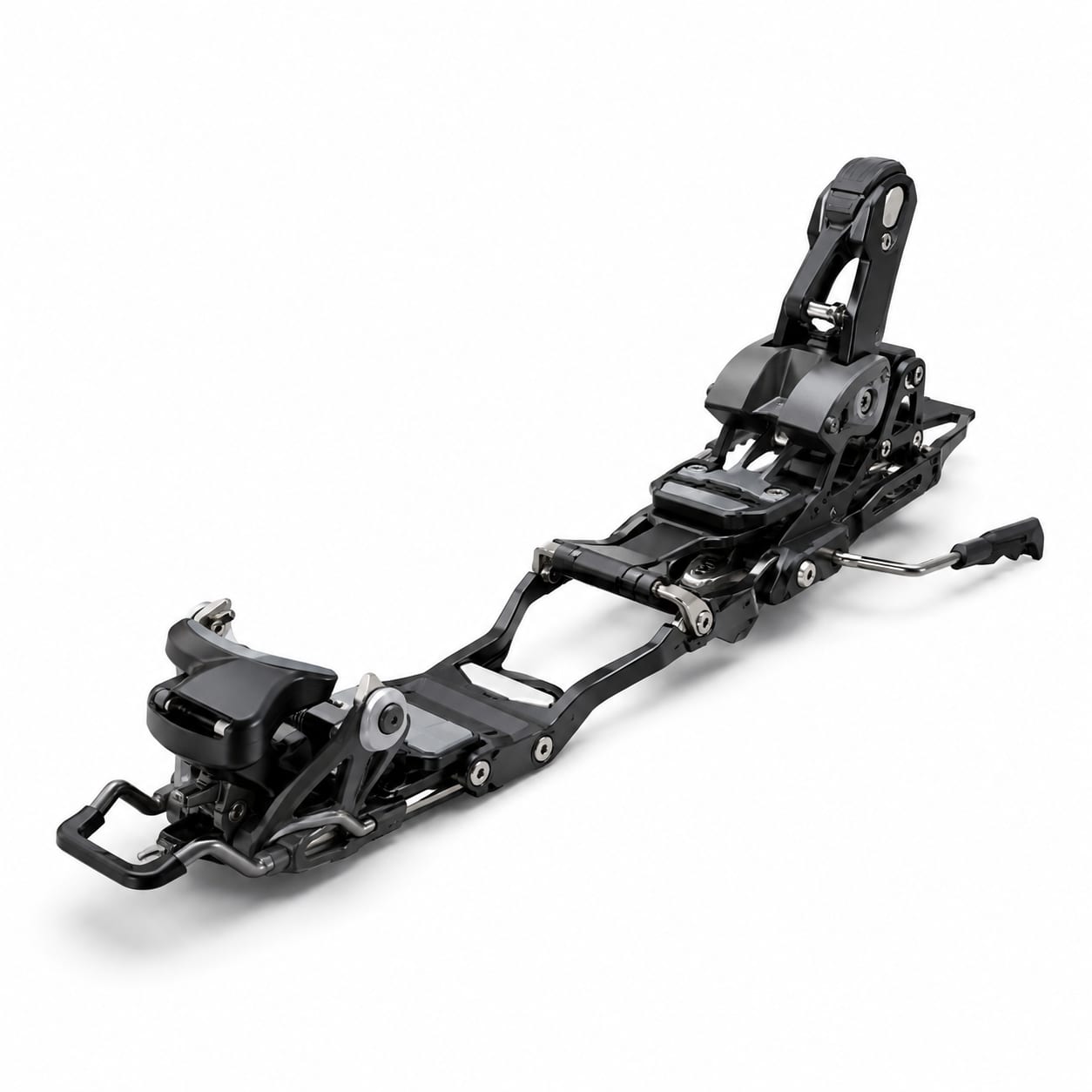
Alpine Touring Frame Bindings
$300 – $650
AT bindings with a hinged frame that allows heel lift for uphill travel and locks down for alpine-like downhill performance.
hinged frame designwalk mode with heel liftalpine-like downhill mode
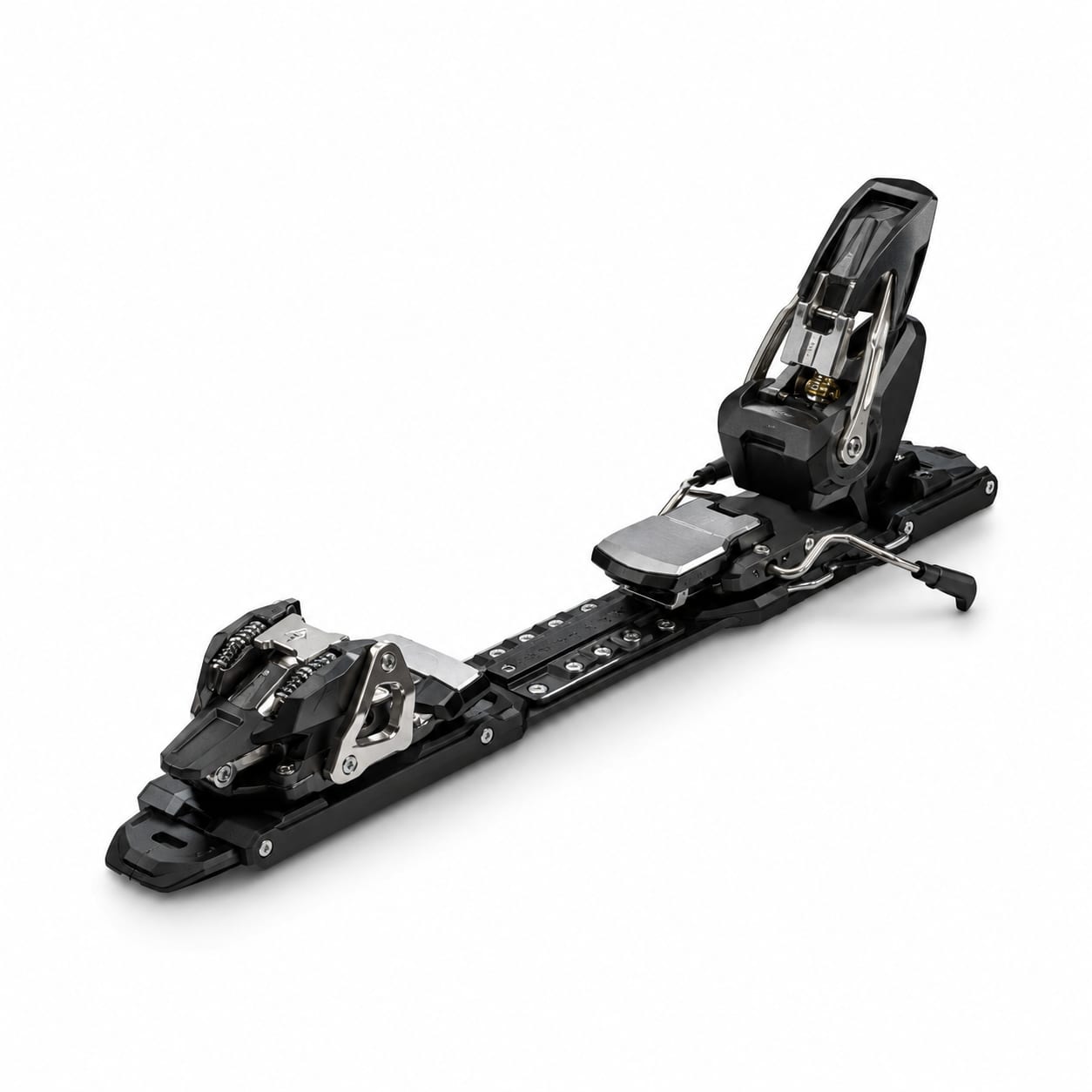
Racing Bindings
$200 – $600
High-performance alpine bindings with elevated DIN ranges and precise power transfer for competitive ski racing.
high DIN rangerigid retentionplate/riser systems
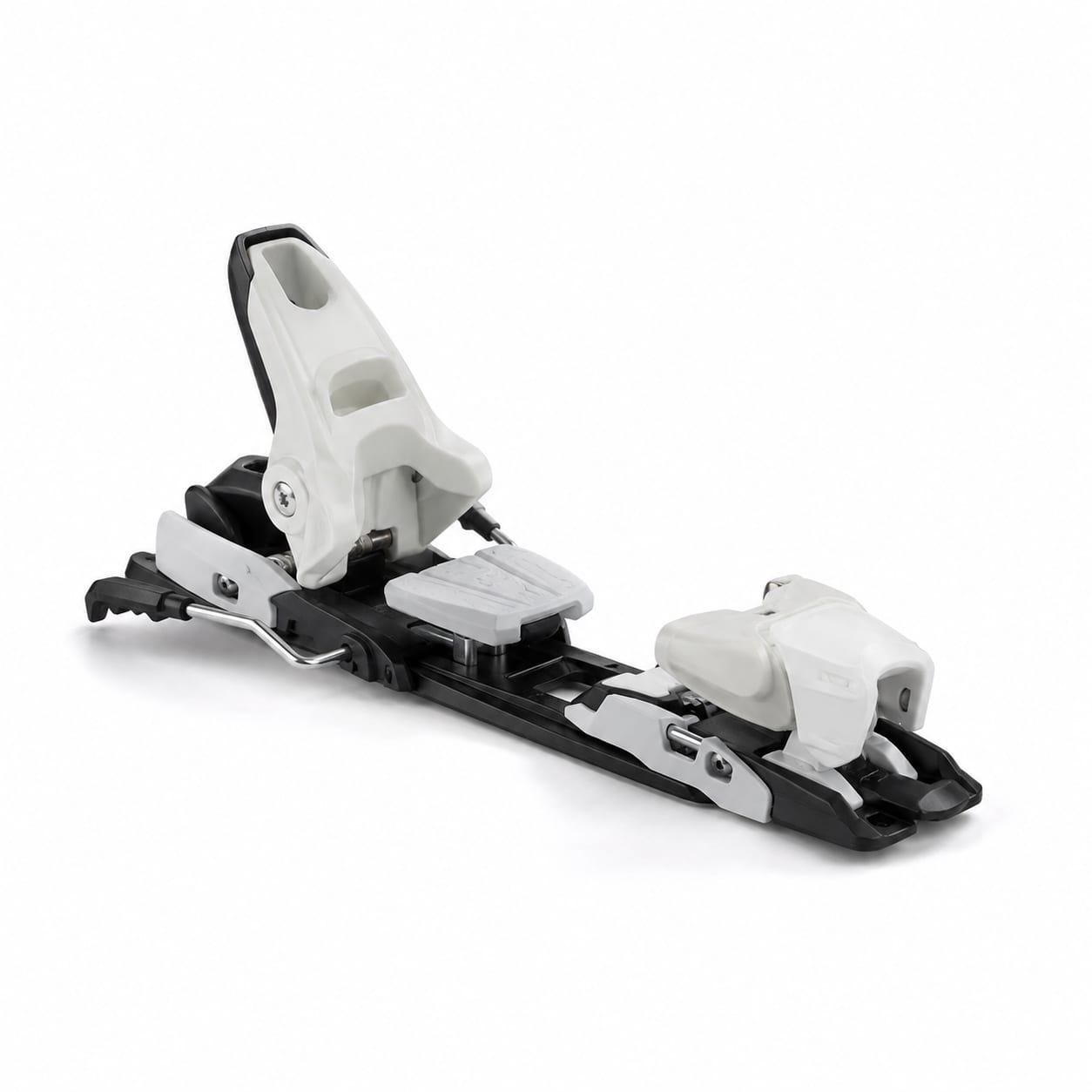
Junior/Youth Bindings
$70 – $200
Alpine bindings with lower DIN ranges and appropriate release values designed for children and lighter-weight youth skiers.
low DIN rangechildren's boot sole compatibilitylightweight construction
More questions
- Can I use GripWalk boots with alpine bindings?
- How do I know what brake width I need?
- Can I use alpine bindings for backcountry skiing?
- How often should I replace my alpine bindings?