
Pre-release can have several causes: DIN set too low for your skiing, worn AFD surface creating inconsistent release, boot sole damage or contamination, or bindings with insufficient elastic travel for your skiing style. First, verify your DIN is correctly set using a DIN chart. Then have a technician inspect your bindings and boot soles. If the issue persists, consider bindings with higher elastic travel. Never simply crank up your DIN to fix pre-release without diagnosing the root cause—this can prevent proper release in a fall.
Ski Bindings · Alpine/Downhill Bindings
Why do I keep pre-releasing from my alpine bindings?
Related gear types
If this answer nudged you toward a different style, these guides compare specs and trade-offs.
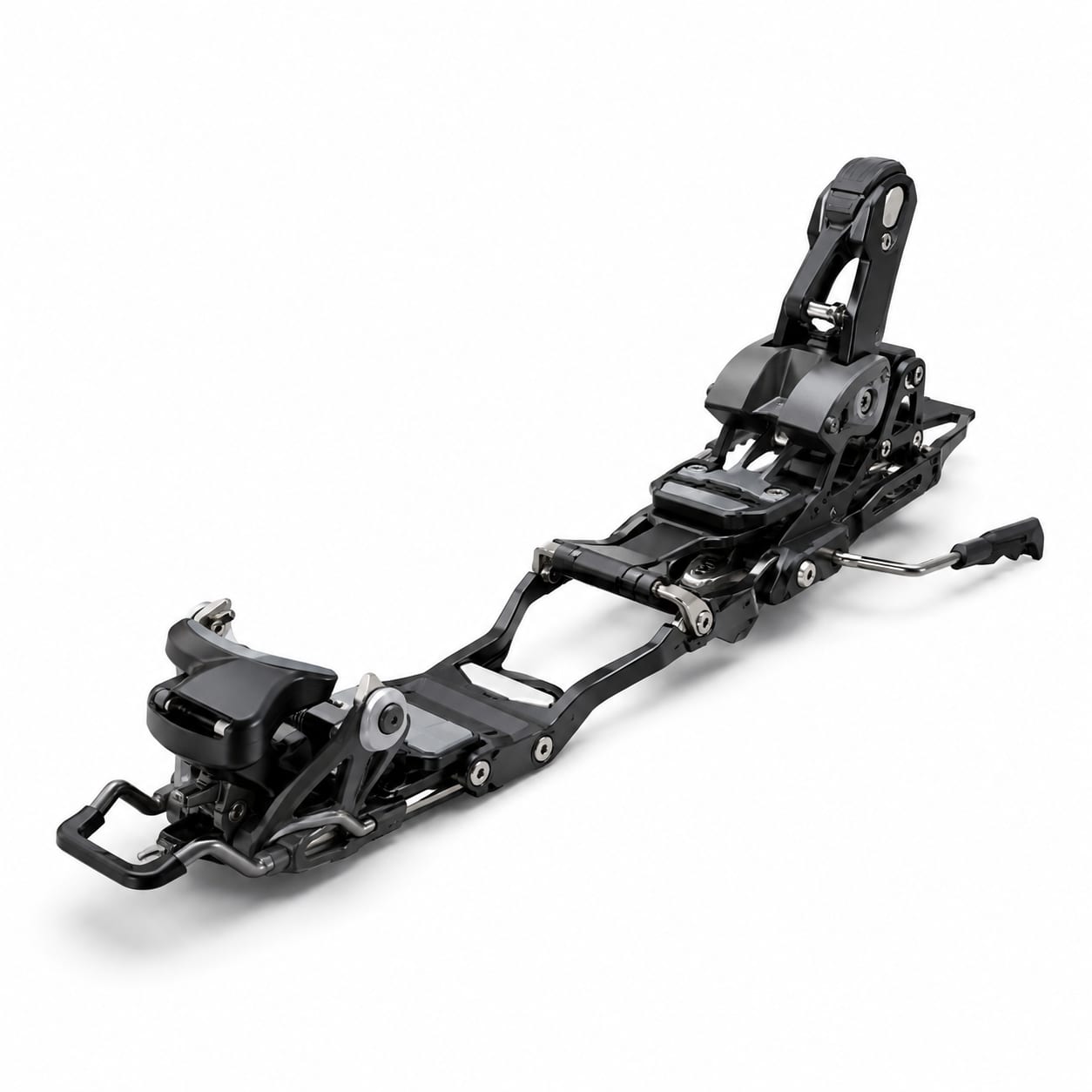
Alpine Touring Frame Bindings
$300 – $650
AT bindings with a hinged frame that allows heel lift for uphill travel and locks down for alpine-like downhill performance.
hinged frame designwalk mode with heel liftalpine-like downhill mode
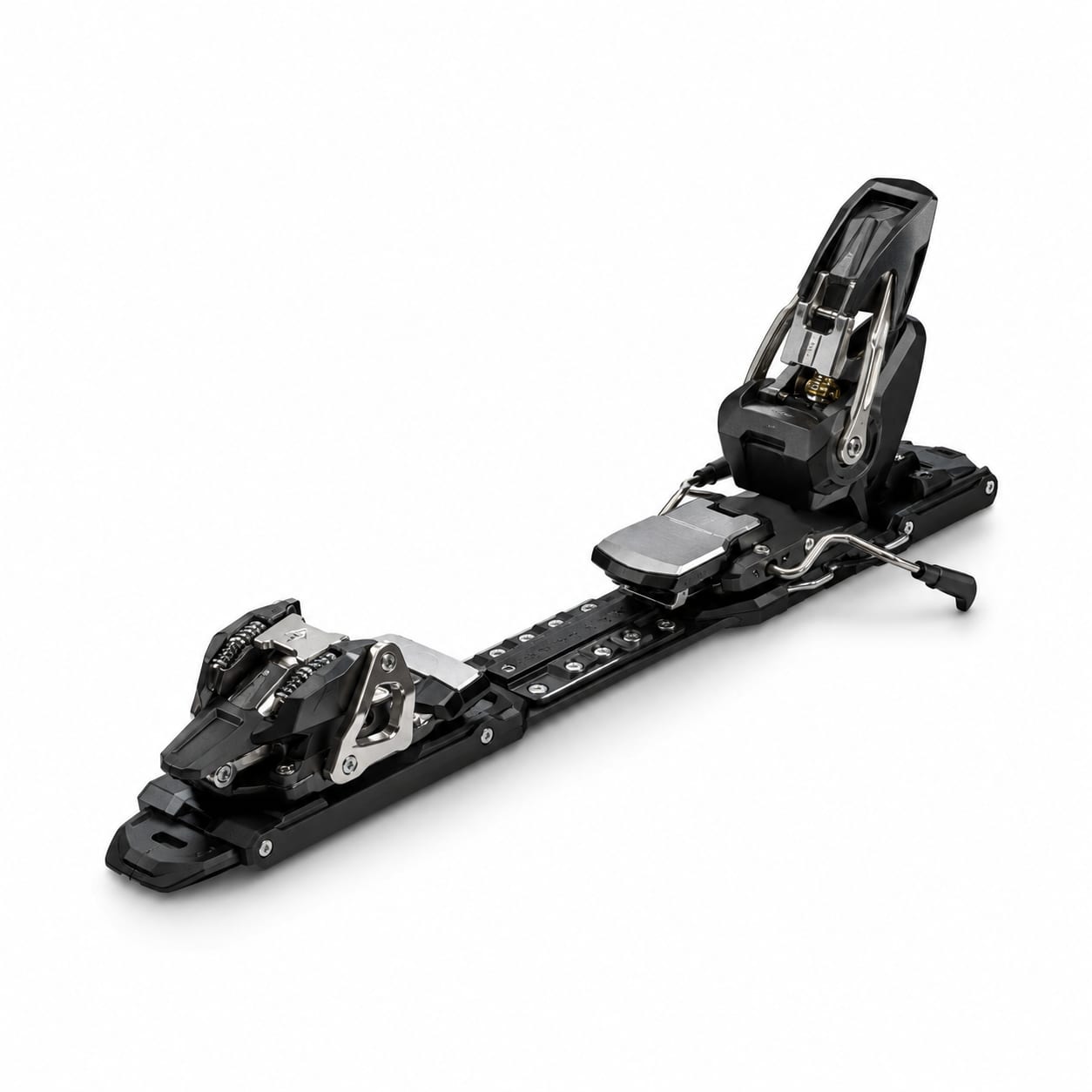
Racing Bindings
$200 – $600
High-performance alpine bindings with elevated DIN ranges and precise power transfer for competitive ski racing.
high DIN rangerigid retentionplate/riser systems
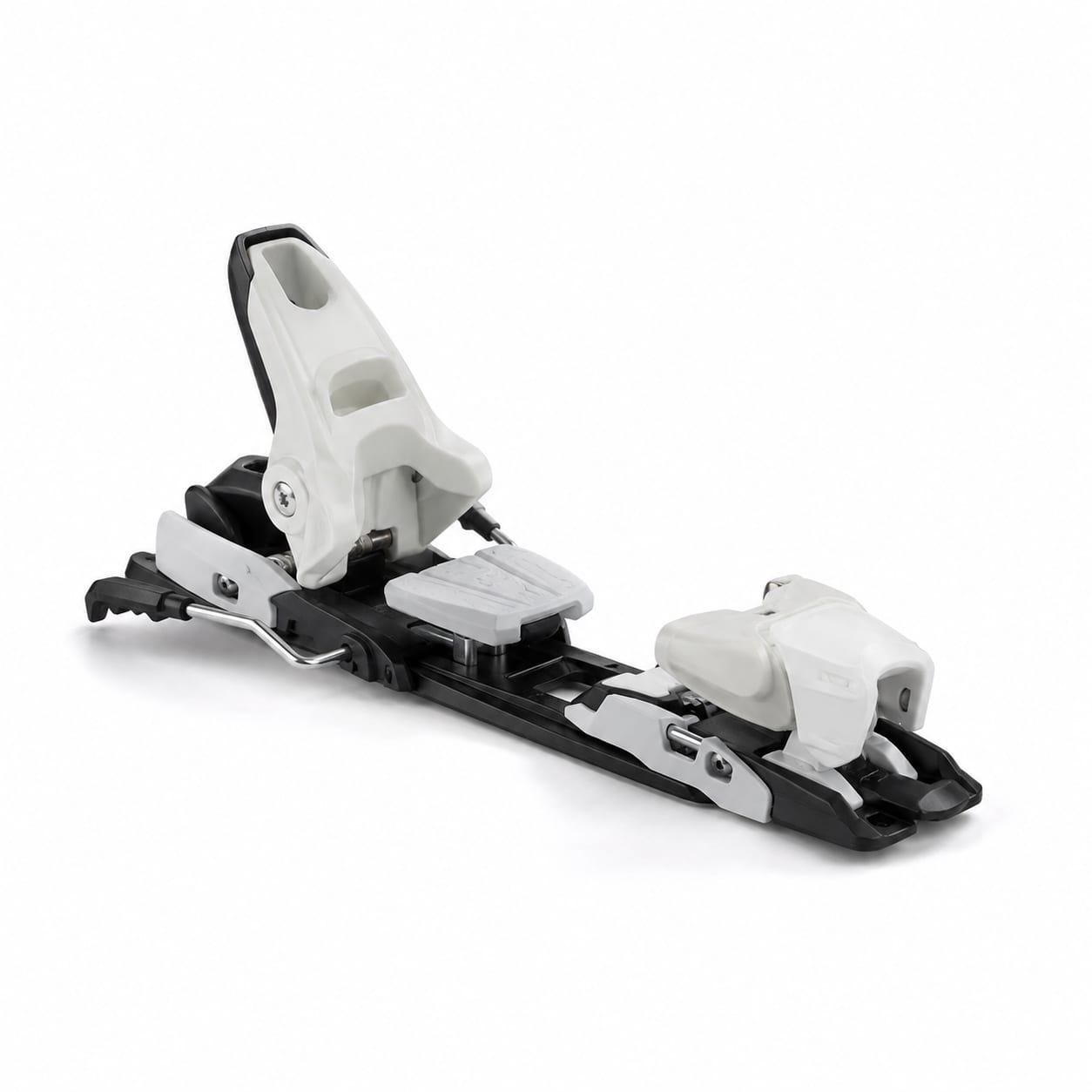
Junior/Youth Bindings
$70 – $200
Alpine bindings with lower DIN ranges and appropriate release values designed for children and lighter-weight youth skiers.
low DIN rangechildren's boot sole compatibilitylightweight construction
More questions
- What DIN setting should I use for my alpine bindings?
- Can I use GripWalk boots with alpine bindings?
- How do I know what brake width I need?
- Can I use alpine bindings for backcountry skiing?